Comprehensive Guide to Black Textile Dye Types Processes and Sustainability
Comprehensive Guide to Black Textile Dye Types Processes and Sustainability
Understanding Black Textile Dye: A Comprehensive Guide
Black textile dye is a cornerstone of the fashion and textile industries, offering a versatile and enduring color for a wide range of fabrics. From clothing and home furnishings to industrial textiles, the demand for high-quality black dyes remains consistently high. This article delves into the world of black textile dye, covering its types, applications, dyeing processes, and considerations for sustainability. We’ll explore how choosing the right dye can impact fabric quality, colorfastness, and environmental impact. Understanding the nuances of black textile dyeing is essential for achieving optimal results and meeting the evolving needs of the market.
Types of Black Textile Dyes
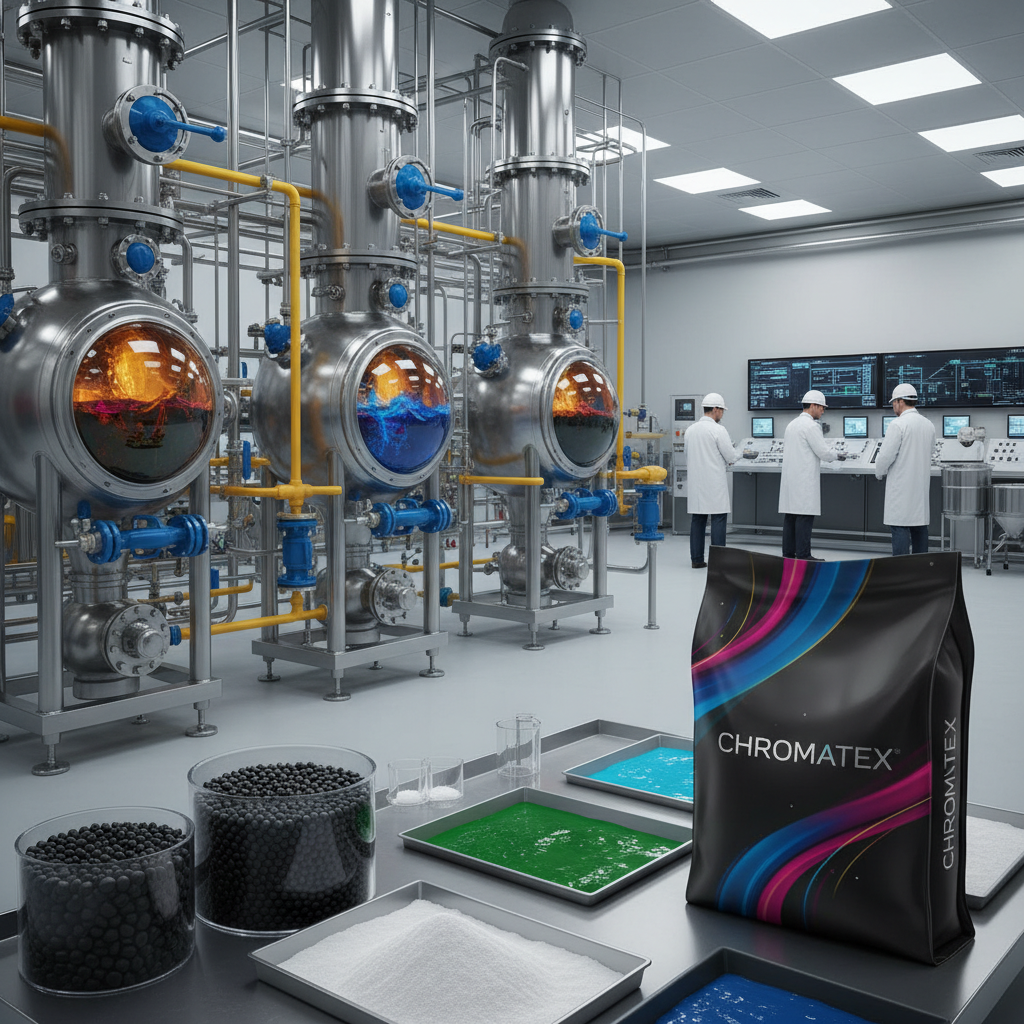
Black isn't a single colorant, but rather a blend of dyes to achieve the desired shade. Several types of dyes can be used to create black textiles, each with its own properties and suitability for different fabrics. Common types include: Reactive Dyes, known for their excellent wash fastness on cellulose fibers like cotton; Direct Dyes, providing a cost-effective solution for cotton and rayon, but with generally lower wash fastness; Vat Dyes, renowned for exceptional colorfastness and durability, primarily used on cellulosic fibers; and Disperse Dyes, suitable for synthetic fibers like polyester. The selection of the dye type depends on the fabric composition, desired performance characteristics, and budget constraints. Understanding these differences is crucial for achieving the desired results and longevity of the dyed textile.
Key Highlights: Different dyes offer varying levels of colorfastness, cost-effectiveness, and suitability for specific fabric types. Selecting the right dye is crucial for optimal performance and longevity.
The Dyeing Process: Achieving Deep, Lasting Black
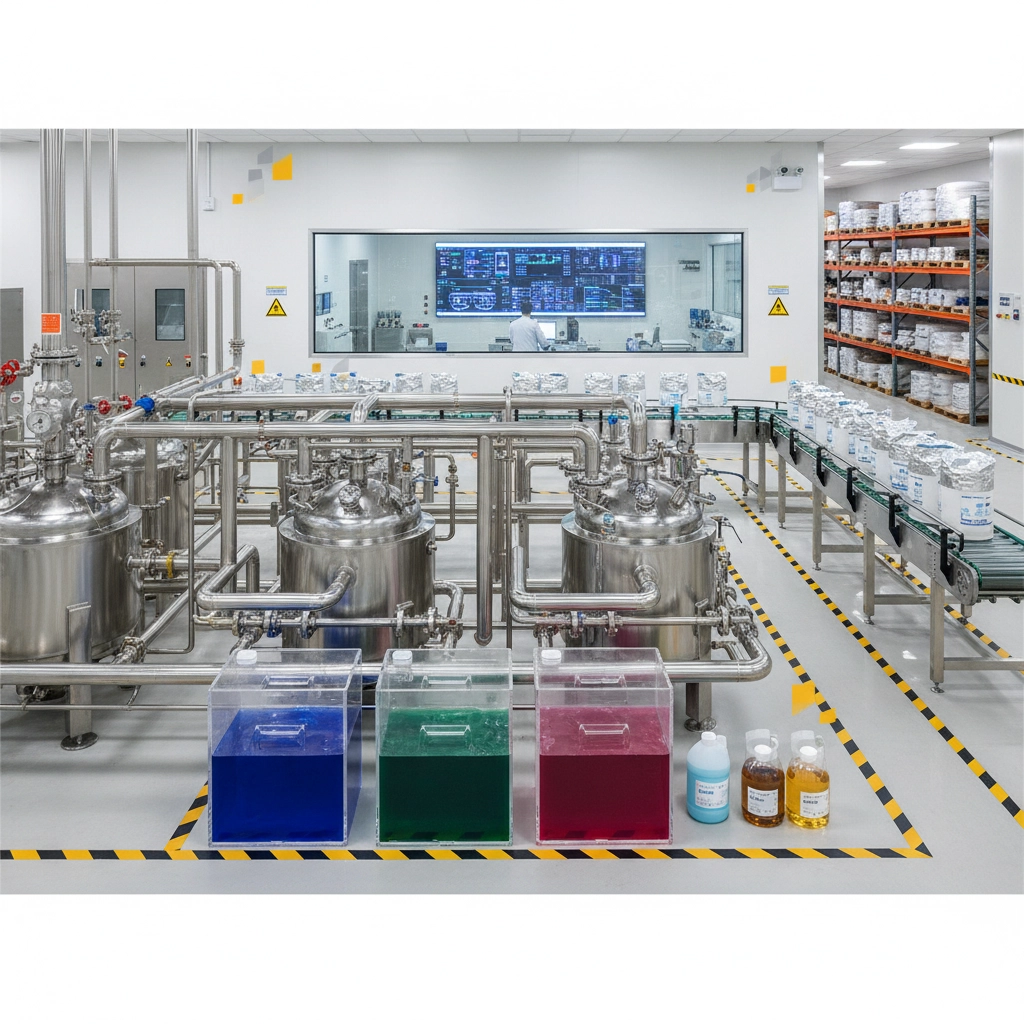
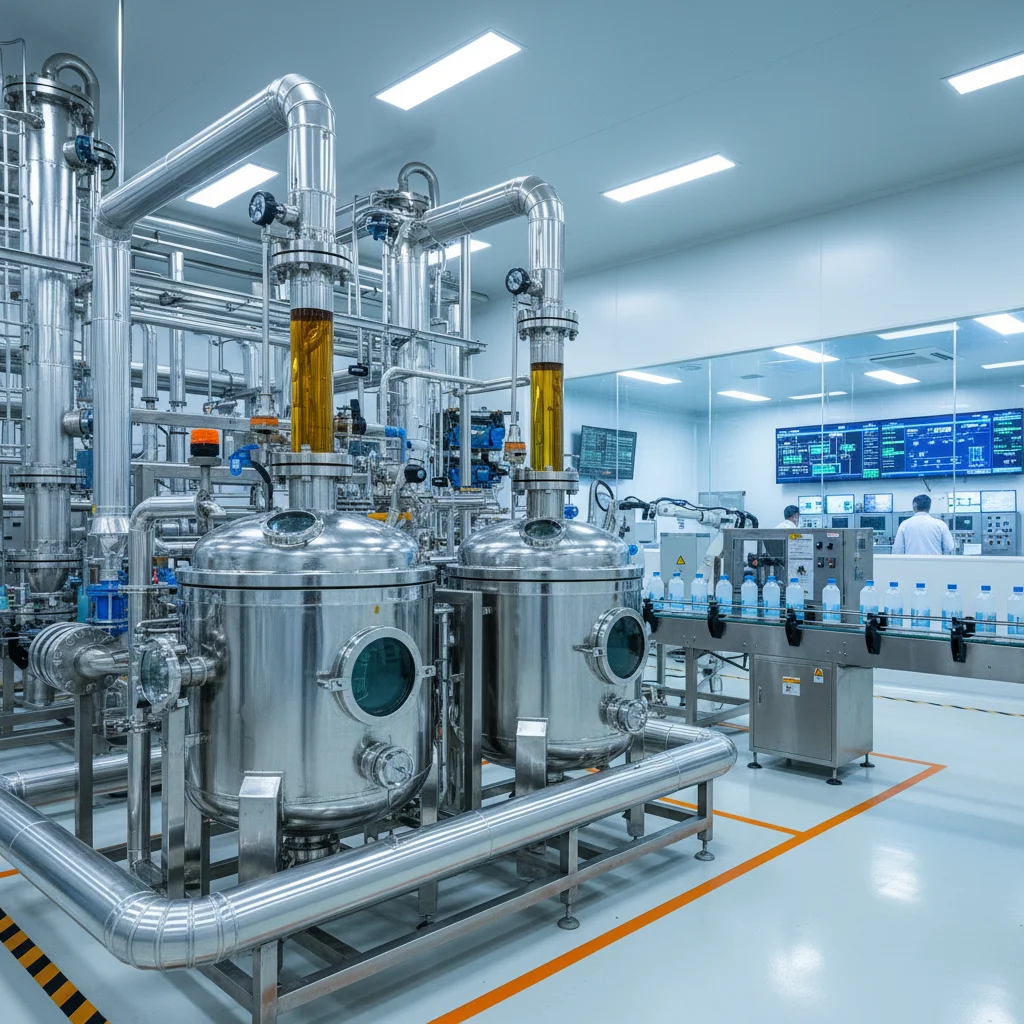
The dyeing process for black textiles is more complex than it might seem. It typically involves several stages, including pretreatment of the fabric (scouring and bleaching to remove impurities), dye mixing, dyeing itself (immersion, exhaustion, and fixation), and post-treatment (rinsing, washing, and finishing). Achieving a true, deep black requires careful control of parameters like temperature, pH, dye concentration, and dyeing time. Proper exhaustion of the dye bath is essential to maximize color yield and minimize environmental impact. Modern dyeing techniques often incorporate automated systems and sophisticated monitoring equipment to ensure consistency and efficiency. The success of the dyeing process ultimately relies on a thorough understanding of the dye's properties and the fabric's characteristics.
Dyeing Process Benefits:
• Maximizes color yield and minimizes waste.
• Ensures consistent and reproducible results.
• Improves colorfastness and durability.
• Reduces environmental impact.
Black Textile Dye Comparison: Reactive vs. Vat Dyes
When choosing between reactive and vat dyes for black textiles, several factors come into play. Reactive dyes offer brilliant shades and good wash fastness, especially on cotton, but can be sensitive to chlorine bleach. Vat dyes, although requiring a more complex dyeing process, provide superior colorfastness to washing, light, and rubbing, making them ideal for workwear and heavy-duty fabrics. Understanding the trade-offs between these dye types is essential for selecting the optimal solution for your specific application.
Sustainability in Black Textile Dyeing
The textile industry has historically been a significant contributor to environmental pollution. Black textile dyeing, in particular, can generate substantial wastewater containing unreacted dyes, heavy metals, and other harmful chemicals. However, growing awareness of these issues is driving innovation in sustainable dyeing practices. These include using eco-friendly dyes, implementing closed-loop dyeing systems to minimize water consumption and waste discharge, and adopting energy-efficient technologies. Dyeingchem is committed to providing sustainable dye solutions to minimize the environmental impact of textile production.

Product Specifications: Dyeingchem Black Dye Series
Dyeingchem offers a comprehensive range of black textile dyes tailored to various fiber types and applications. Here's a quick overview of our key product specifications:
Conclusion: Achieving Quality and Sustainability with Black Textile Dyes
Selecting the right black textile dye is critical for achieving optimal results in terms of colorfastness, durability, and environmental impact. By understanding the different dye types, dyeing processes, and sustainability considerations, you can make informed decisions that meet your specific needs. Dyeingchem is your trusted partner for high-quality, sustainable dye solutions. We are dedicated to providing innovative products and expert support to help you achieve superior dyeing results while minimizing your environmental footprint.
Frequently Asked Questions (FAQs)
What is the best way to test the colorfastness of a black dyed fabric?
Colorfastness testing involves exposing the dyed fabric to various conditions to assess its resistance to fading or bleeding. Common tests include wash fastness (repeated washing), light fastness (exposure to UV light), and rub fastness (resistance to abrasion). These tests are typically conducted using standardized methods, such as those outlined by AATCC (American Association of Textile Chemists and Colorists). The results are often graded on a scale of 1 to 5, with 5 indicating the highest level of colorfastness. Proper testing ensures the dyed fabric meets the required performance standards for its intended application. It's important to select testing methods relevant to the end-use of the product.
How can I minimize wastewater pollution from black textile dyeing?
Minimizing wastewater pollution requires a multi-faceted approach. Utilizing dyes with high exhaustion rates reduces the amount of unreacted dye in the effluent. Implementing closed-loop dyeing systems allows for water recycling and reuse, minimizing overall water consumption and discharge. Proper wastewater treatment, including chemical and biological processes, removes pollutants before discharge. Switching to eco-friendly dyes and employing optimized dyeing processes further contribute to reducing the environmental impact. Dyeingchem promotes sustainable dyeing solutions and offers support for implementing best practices.
What is the role of pH in black textile dyeing?
pH plays a crucial role in the dyeing process, influencing dye solubility, dye uptake by the fiber, and dye fixation. Different dyes require specific pH ranges for optimal performance. For example, reactive dyes typically require an alkaline pH, while vat dyes require a reduction environment achieved through specific pH control. Maintaining the correct pH is essential for achieving level dyeing, maximizing color yield, and ensuring excellent colorfastness. Careful monitoring and adjustment of pH throughout the dyeing process are critical for consistent and high-quality results.