Comprehensive Guide to Choosing the Best Black Leather Dye for Boots Restoration
Comprehensive Guide to Choosing the Best Black Leather Dye for Boots Restoration
Choosing the Right Black Leather Dye for Boots: A Comprehensive Guide
Maintaining and restoring the appearance of leather boots can be challenging, but the right black leather dye for boots can make all the difference. This article provides a comprehensive guide to selecting the best dye for your needs, covering different types, application techniques, and tips for achieving a professional finish. Whether you're restoring vintage boots or simply refreshing the color of well-worn footwear, understanding your options is key. Properly dyed boots not only look better, but are also more protected from the elements, extending their lifespan.
Understanding Different Types of Black Leather Dye
There are several types of black leather dye available, each with its own advantages and disadvantages. The main categories include dye creams, liquid dyes, and leather stains. Dye creams are generally thicker and provide more intense color, while liquid dyes penetrate deeper into the leather. Leather stains contain pigment and a binder, offering a less permanent color change. The choice depends on the type of leather, the desired outcome, and your experience level. For example, aniline leather typically benefits from liquid dyes to maintain its natural feel, while pigmented leather can handle cream dyes for a more dramatic color change. Understanding these nuances is vital for a successful application.
Key Highlights: Different dyes offer varying levels of penetration, color intensity, and durability. Choosing the right type for your specific leather and project is essential for achieving optimal results.
Factors to Consider When Choosing a Black Leather Dye
Several factors influence your choice of black leather dye for boots. The type of leather (aniline, semi-aniline, or pigmented) is paramount, as different leathers absorb dye differently. Also, consider the current condition of the boots – are you covering scratches, fading, or completely changing the color? The desired finish – matte, satin, or gloss – will also dictate your dye selection. Finally, think about the application method. Some dyes are best applied with a brush, while others require a sponge or spray. Consider also the durability and colorfastness ratings to ensure the dye lasts and doesn't bleed.
Key Considerations:
• Leather Type (Aniline, Semi-Aniline, Pigmented)
• Boot Condition (Fading, Scratches, Color Change)
• Desired Finish (Matte, Satin, Gloss)
• Application Method (Brush, Sponge, Spray)
Comparing Popular Black Leather Dye Options
Several brands offer high-quality black leather dyes. Here’s a comparison of some popular options, focusing on their strengths and weaknesses:
Application Techniques for a Flawless Finish
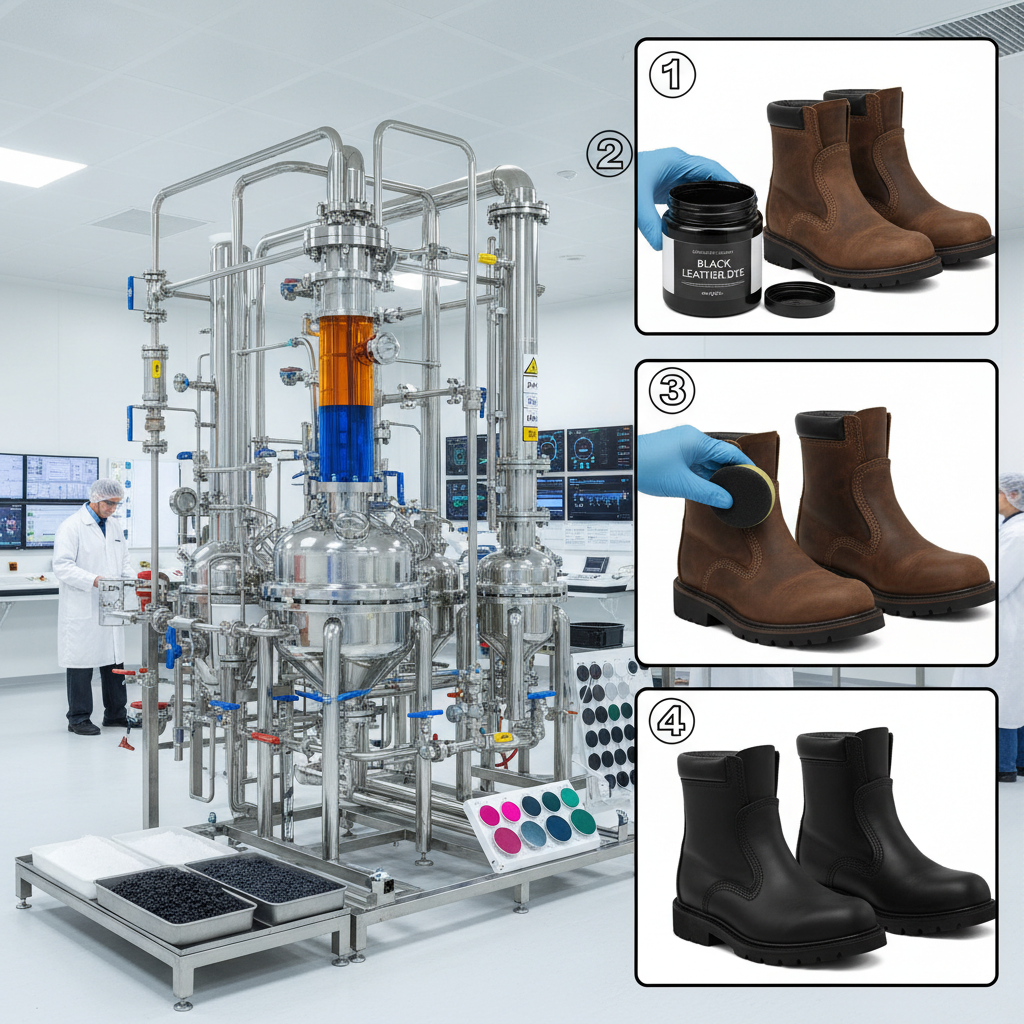
Proper application is crucial for achieving a professional-looking finish. Always start by thoroughly cleaning the boots to remove dirt, grime, and any existing finishes. Apply a leather preparer and deglazer to open the pores of the leather. Then, apply the dye in thin, even coats, using a brush, sponge, or spray applicator. Allow each coat to dry completely before applying the next. Finally, seal the dye with a leather sealant to protect the color and enhance durability. Test the dye on a hidden area of the boot first to ensure compatibility and desired color. For best results, always follow the manufacturer’s instructions carefully.

Product Specifications and Quality Control at Dyeingchem
At Dyeingchem, we pride ourselves on delivering high-quality black leather dyes. Our dyes undergo rigorous quality control testing to ensure consistent color, excellent penetration, and long-lasting durability. We offer a wide range of dyes formulated for various leather types and applications. Here are some key specifications:
Conclusion: Restore and Protect Your Boots with Confidence
Choosing the right black leather dye for boots is crucial for achieving a beautiful and durable finish. By understanding the different types of dyes, considering the factors discussed, and following proper application techniques, you can restore and protect your boots for years to come. Dyeingchem offers a wide selection of high-quality dyes to meet all your leather restoration needs.
Frequently Asked Questions (FAQs)
How long does black leather dye typically last on boots?
The longevity of black leather dye depends on several factors, including the type of dye used, the quality of the preparation, the sealing process, and the wear and tear the boots endure. Generally, high-quality dyes, when applied correctly and sealed properly, can last for several years with regular maintenance. However, exposure to harsh weather conditions, frequent cleaning, and abrasion can cause the color to fade over time. Re-applying a leather conditioner and sealant periodically can help extend the life of the dye and maintain its vibrancy. Consider a UV protectant sealant if your boots are exposed to sunlight frequently.
Can I dye synthetic leather boots black?
Dyeing synthetic leather, also known as pleather or vegan leather, is possible, but it requires a specific type of dye formulated for synthetic materials. Traditional leather dyes often won't adhere properly to synthetic surfaces. Look for dyes specifically labeled for vinyl, plastic, or synthetic leather. The application process is similar to dyeing real leather, but you may need to apply multiple coats to achieve the desired color intensity. Keep in mind that the results may not be as permanent or natural-looking as dyeing genuine leather. It is always best to test the dye on an inconspicuous area first.
What is the best way to prep boots before dyeing?
Proper preparation is essential for successful dyeing. First, thoroughly clean the boots with a leather cleaner to remove dirt, grime, and oils. Next, use a leather preparer and deglazer to remove any existing finishes, sealants, or conditioners. This opens the pores of the leather, allowing the dye to penetrate evenly. Lightly sand the surface with fine-grit sandpaper to create a slightly textured surface for better adhesion. Finally, wipe away any dust with a clean cloth. A well-prepped surface will ensure the dye adheres properly and provides a long-lasting finish.
What kind of sealant should I use after dyeing my boots?
Choosing the right sealant is crucial for protecting the dyed color and enhancing the durability of your boots. Acrylic sealants are a popular choice, providing good water resistance and flexibility. Polyurethane sealants offer even greater durability and protection against abrasion. Select a sealant that is compatible with the type of dye you used. Apply the sealant in thin, even coats, allowing each coat to dry completely before applying the next. A high-quality sealant will prevent the dye from fading, cracking, or rubbing off, ensuring your boots look their best for years to come.