Comprehensive Guide to Choosing the Perfect Black Leather Dye for Your Projects
Comprehensive Guide to Choosing the Perfect Black Leather Dye for Your Projects
Choosing the Right Black Leather Dye: A Comprehensive Guide
Selecting the perfect black leather dye can dramatically transform the look of your leather goods. Whether you're restoring antique furniture, customizing motorcycle gear, or simply refreshing worn leather items, the quality of the dye makes all the difference. This article delves into the key considerations when choosing a black leather dye, including types, application techniques, and factors affecting durability. We’ll provide you with the knowledge to achieve professional-looking results and ensure your leather projects last.
Understanding the Different Types of Black Leather Dye
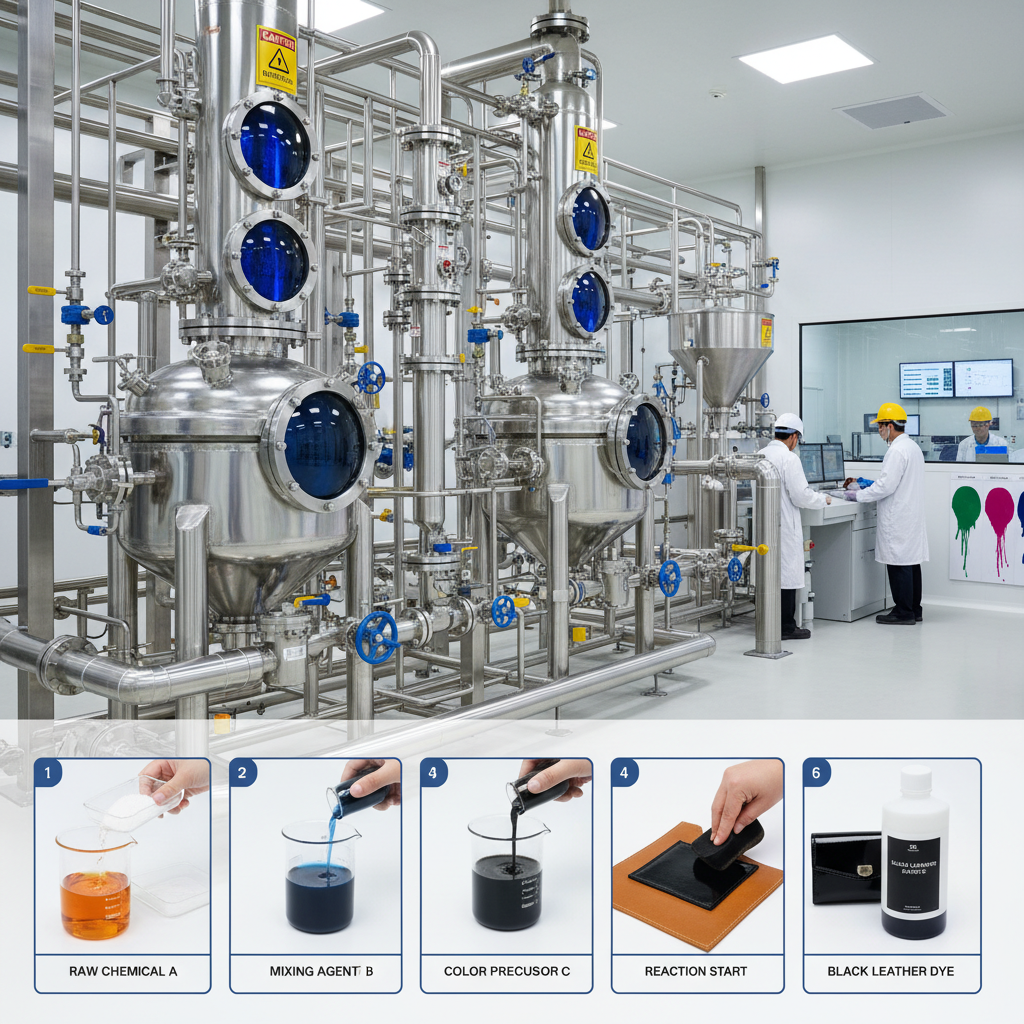
Black leather dyes aren’t one-size-fits-all. They come in several formulations, each suited for different types of leather and desired results. The main categories include aniline dyes, semi-aniline dyes, pigment dyes, and leather stains. Aniline dyes penetrate the leather deeply, offering a natural look but limited colorfastness. Semi-aniline dyes provide a balance of penetration and durability. Pigment dyes sit on the surface, offering excellent coverage and colorfastness, while stains primarily change the shade rather than offering full coloration. Choosing the right type is crucial for achieving your desired aesthetic and ensuring longevity. Dyeingchem provides a wide range of options to suit your specific needs.
Key Highlights: Different dye types offer varying levels of penetration, durability, and colorfastness. Consider the type of leather and the desired aesthetic when making your selection.
Factors to Consider When Choosing a Black Leather Dye
Beyond the type of dye, several other factors impact your final result. The type of leather—whether it's full-grain, top-grain, or corrected-grain—influences how well the dye will penetrate and adhere. The existing finish on the leather also plays a role; some dyes require the removal of the old finish before application. Finally, consider the intended use of the leather item. Items exposed to sunlight or frequent wear will require a more durable and colorfast dye. Proper surface preparation, including cleaning and deglazing, is essential for optimal dye absorption.
Important Considerations:
• Leather Type (Full-grain, Top-grain, etc.)
• Existing Finish
• Intended Use (Exposure to sunlight, wear, etc.)
Black Leather Dye: Comparing Popular Options
The market offers a variety of black leather dyes, each with its pros and cons. Here’s a comparison of some popular choices:
Application Techniques for Black Leather Dye
The application method significantly impacts the final result. Dyes can be applied using a sponge, cloth, spray gun, or brush. For aniline and semi-aniline dyes, multiple thin coats are recommended for even coloration. Pigment dyes often require more coats to achieve full coverage. Always test the dye on an inconspicuous area first to ensure compatibility and desired color. After dyeing, applying a leather sealant or finish will protect the color and enhance durability. Follow the manufacturer’s instructions carefully for optimal results.
Ensuring Durability and Longevity of Your Dyed Leather
To maximize the lifespan of your dyed leather, proper aftercare is essential. Regularly clean the leather with a gentle cleaner specifically designed for leather. Avoid harsh chemicals and abrasive cleaners, as these can strip the dye and damage the leather. Apply a leather conditioner periodically to keep the leather supple and prevent cracking. Protect leather items from prolonged exposure to direct sunlight and extreme temperatures. By following these simple steps, you can ensure your beautifully dyed leather goods remain vibrant and durable for years to come. Dyeingchem offers a range of protective finishes to complement our dyes.
Conclusion: Achieving Professional Results with Black Leather Dye
Choosing the right black leather dye and applying it correctly is essential for achieving beautiful, long-lasting results. By considering the type of leather, desired finish, and proper application techniques, you can confidently tackle any leather dyeing project. Remember to prioritize quality products and follow the manufacturer's instructions for optimal performance.
Frequently Asked Questions (FAQs)
Can I dye synthetic leather?
While many dyes are formulated for genuine leather, some can be used on certain types of synthetic leather, such as polyurethane (PU) and polyvinyl chloride (PVC). However, the results may vary significantly, and the dye may not adhere as well as it would to natural leather. It’s crucial to test the dye on an inconspicuous area first to ensure compatibility and color absorption. Look for dyes specifically labeled for synthetic leather for the best results.
How do I prepare leather for dyeing?
Proper preparation is key to successful dyeing. First, thoroughly clean the leather with a leather cleaner to remove dirt, oils, and residues. Then, deglaze the leather using a deglazing agent to remove any existing finishes and open up the pores for better dye absorption. Finally, lightly sand the surface with fine-grit sandpaper to create a smooth and even texture.
What should I do if the dye is uneven?
Uneven dyeing can occur due to several factors, including improper preparation, uneven application, or variations in leather porosity. If you notice unevenness, try applying another thin coat of dye to the affected areas. Ensure even coverage and avoid over-saturating the leather. If the problem persists, you may need to remove the dye and start the process again from scratch.