Comprehensive Guide to Mercerisation and its Impact on Cotton Fabric Quality
Comprehensive Guide to Mercerisation and its Impact on Cotton Fabric Quality
Understanding Mercerisation: A Deep Dive into Cotton Treatment
Mercerisation is a crucial textile finishing process that significantly enhances the quality and characteristics of cotton fabrics. Developed by John Mercer in 1844, this treatment involves applying sodium hydroxide to cotton fibres, leading to a range of beneficial changes. From increased strength and lustre to improved dye uptake, mercerisation plays a vital role in the production of high-quality textiles. This article will explore the process, benefits, applications, and considerations surrounding mercerisation, offering a comprehensive guide for textile professionals and enthusiasts.
The Mercerisation Process: A Detailed Overview
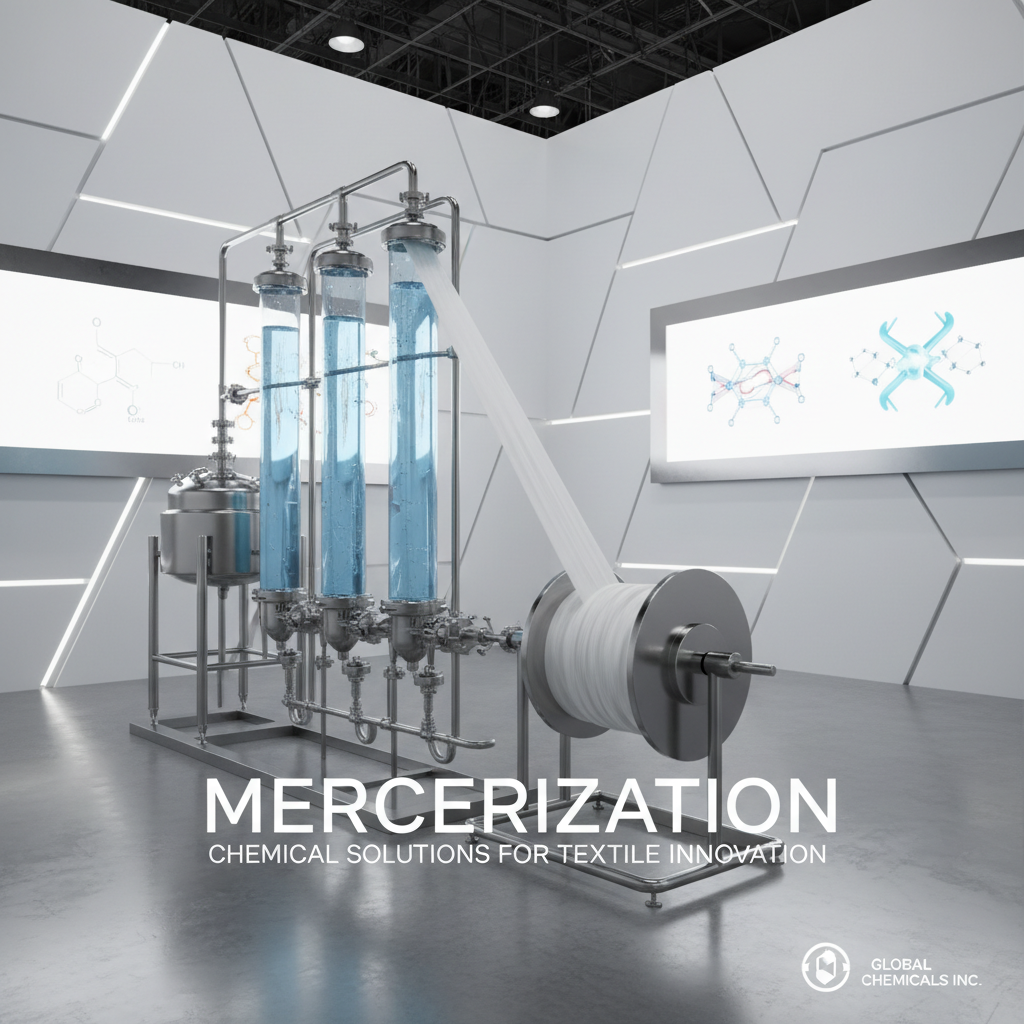
The standard mercerisation process involves treating cotton fibres with a concentrated solution of sodium hydroxide (NaOH), typically between 20-30% by weight, under tension. This tension is crucial to prevent the fibres from shrinking during the process. The fabric is immersed in the caustic soda solution for a specific duration, usually between 30-60 seconds, before being thoroughly washed and neutralized with an acid solution to remove any residual alkali. The process is typically conducted at a controlled temperature to ensure optimal results. There are variations in the process, including slack mercerisation, which doesn’t apply tension, leading to different effects on the fabric. Understanding the nuances of each method is crucial for achieving desired outcomes. Dyeingchem provides expert assistance in optimizing mercerisation processes.
Key Benefits of Mercerisation
Mercerisation imparts a multitude of benefits to cotton fabrics, making them superior in several key aspects. These include:
- Increased Strength: Mercerisation can improve the tensile strength of cotton by up to 30%, making it more durable.
- Enhanced Luster: The process alters the surface of the cotton fibre, resulting in a smoother, more lustrous appearance.
- Improved Dye Affinity: Mercerised cotton exhibits a greater affinity for dyes, leading to richer, more vibrant colours and improved colourfastness.
- Dimensional Stability: Mercerisation reduces shrinkage and improves dimensional stability, ensuring the fabric maintains its shape after washing.
- Increased Absorbency: The process increases the fabric’s ability to absorb moisture, making it more comfortable to wear.
Key Highlights: Mercerisation significantly improves cotton fabric properties, resulting in a higher quality and more desirable textile product.
Mercerised Cotton vs. Non-Mercerised Cotton: A Comparative Analysis
The differences between mercerised and non-mercerised cotton are substantial. Mercerised cotton boasts superior properties in terms of strength, lustre, dye uptake, and dimensional stability. Non-mercerised cotton, while still a versatile material, lacks these enhanced characteristics. The choice between the two depends on the intended application of the fabric. High-end garments, fine fabrics, and textiles requiring vibrant colours typically benefit from mercerisation. For basic applications, non-mercerised cotton may suffice.
Applications of Mercerised Cotton
The enhanced properties of mercerised cotton make it ideal for a wide range of applications, including:
- High-Quality Apparel: Used in premium shirts, dresses, and other garments where lustre, drape, and colour retention are essential.
- Home Textiles: Found in luxurious bed linens, towels, and upholstery fabrics.
- Technical Textiles: Employed in medical textiles and other applications requiring high strength and absorbency.
- Knitting and Weaving: Suitable for both knitting and weaving processes, offering superior performance in the final product.
Considerations and Challenges in Mercerisation
While highly beneficial, mercerisation isn’t without its challenges. The process requires careful control of parameters like NaOH concentration, temperature, and tension. Improperly executed mercerisation can lead to fibre damage or uneven results. Furthermore, the handling of concentrated sodium hydroxide requires strict safety protocols due to its corrosive nature. Dyeingchem offers tailored solutions and chemical expertise to overcome these challenges and ensure a successful mercerisation process.
Conclusion: Maximizing Cotton Potential with Mercerisation
Mercerisation stands as a cornerstone of modern textile processing, enabling the production of high-quality cotton fabrics with superior characteristics. By understanding the process, benefits, and challenges, textile professionals can unlock the full potential of cotton and create innovative, high-performance textiles. Dyeingchem is a reliable partner in optimizing your mercerisation processes and achieving exceptional results.
Frequently Asked Questions (FAQs)
What types of cotton are best suited for mercerisation?
Long-staple cotton varieties, such as Egyptian or Pima cotton, are generally considered the most suitable for mercerisation. These types of cotton have longer fibres, which result in a smoother, more lustrous finish after treatment. While shorter-staple cottons can be mercerised, the results may not be as pronounced. The choice of cotton also depends on the intended application of the fabric and the desired characteristics.
What safety precautions should be taken when working with sodium hydroxide?
Sodium hydroxide is a highly corrosive chemical and requires strict safety precautions. Always wear appropriate personal protective equipment (PPE), including chemical-resistant gloves, goggles, and a lab coat. Work in a well-ventilated area to avoid inhaling fumes. Avoid contact with skin and eyes. In case of contact, immediately flush the affected area with copious amounts of water and seek medical attention. Proper handling and disposal of sodium hydroxide are crucial to prevent accidents and environmental damage.
Can mercerisation be applied to cotton blends?
Mercerisation can be applied to cotton blends, but the results may vary depending on the composition of the blend. The presence of other fibres, such as polyester or rayon, can affect the uptake of sodium hydroxide and the overall effect on the fabric. It's crucial to carefully consider the blend composition and adjust the mercerisation process accordingly. In some cases, pre-treatment or specialized mercerisation techniques may be required to achieve optimal results.