Comprehensive Guide to Textile Printing Chemicals List for Optimal Results
Comprehensive Guide to Textile Printing Chemicals List for Optimal Results
Textile Printing Chemicals List: A Comprehensive Guide
The textile printing industry relies heavily on a diverse range of chemicals to achieve high-quality, durable, and vibrant prints. Selecting the right textile printing chemicals is crucial for optimal performance and desired results. This guide provides a comprehensive overview of essential chemicals, their applications, and considerations for choosing the best products for your specific needs. Understanding these chemicals is fundamental to efficient and successful textile printing operations. We’ll delve into various categories, including pre-treatment chemicals, printing pastes, and post-treatment agents.
Understanding the Essential Categories of Textile Printing Chemicals
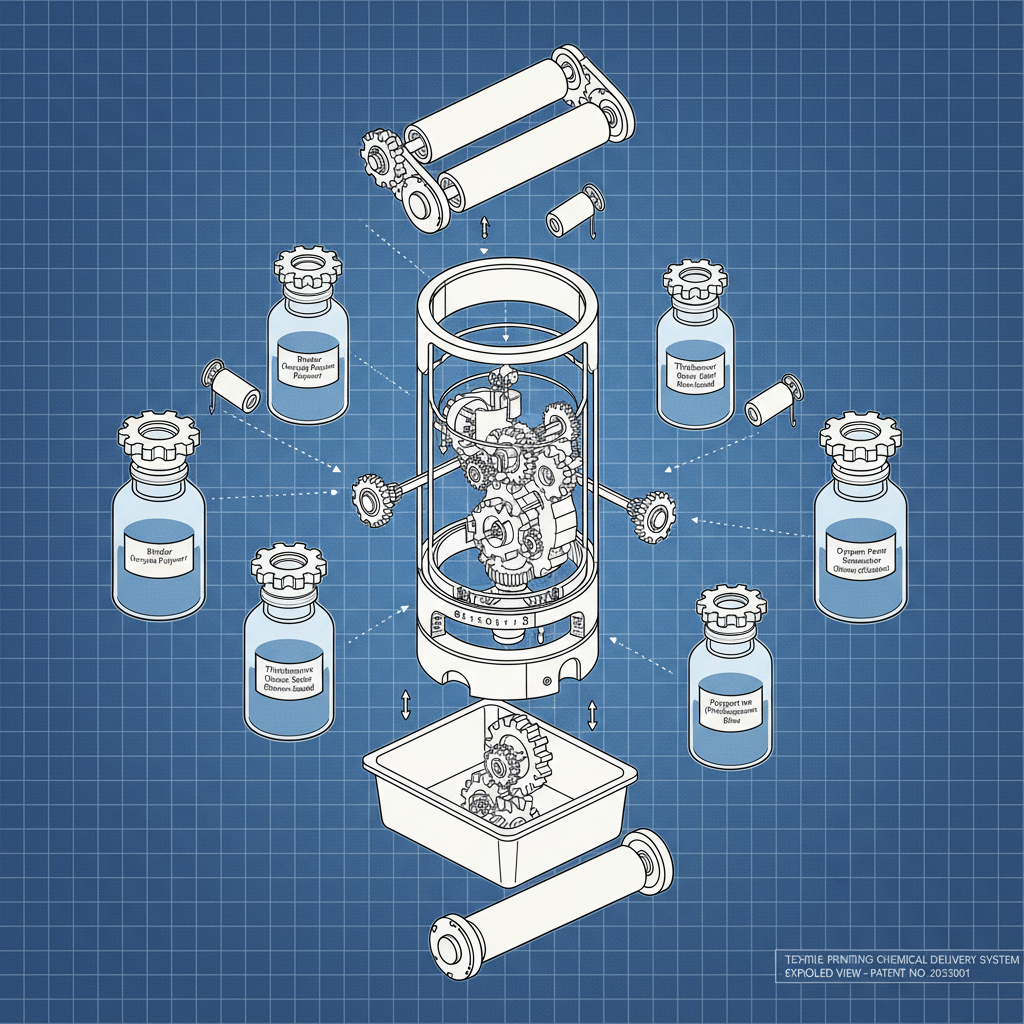
Textile printing chemicals can be broadly categorized into pre-treatment, printing, and post-treatment agents. Pre-treatment chemicals prepare the fabric for printing, enhancing dye absorption and print quality. Printing chemicals form the actual print paste, carrying the color onto the fabric. Post-treatment chemicals fix the dye, improving wash fastness, light fastness, and overall durability. Each category encompasses a wide range of specific products tailored to different fiber types, printing techniques, and desired effects. Selecting the appropriate chemicals for each stage is vital for achieving optimal results. Dyeingchem.com provides a vast selection of high-quality textile printing chemicals.
Key Highlights: Pre-treatment, printing, and post-treatment chemicals each play a critical role in the textile printing process, impacting color vibrancy, wash fastness, and overall print quality.
A Detailed Textile Printing Chemicals List
Here’s a comprehensive list of commonly used textile printing chemicals, categorized for clarity:
Choosing the Right Textile Printing Chemicals: Key Considerations
Selecting the appropriate chemicals requires careful consideration of several factors. Fabric type (cotton, polyester, blends) significantly impacts chemical compatibility. The printing method (screen printing, digital printing, roller printing) dictates the required viscosity and chemical properties of the print paste. Environmental regulations and sustainability goals increasingly influence chemical choices, with a growing demand for eco-friendly alternatives. Finally, cost-effectiveness must be balanced with performance and quality. Dyeingchem.com offers expert advice to help you navigate these considerations and select the best solutions for your specific application.
Comparing Conventional and Eco-Friendly Textile Printing Chemicals
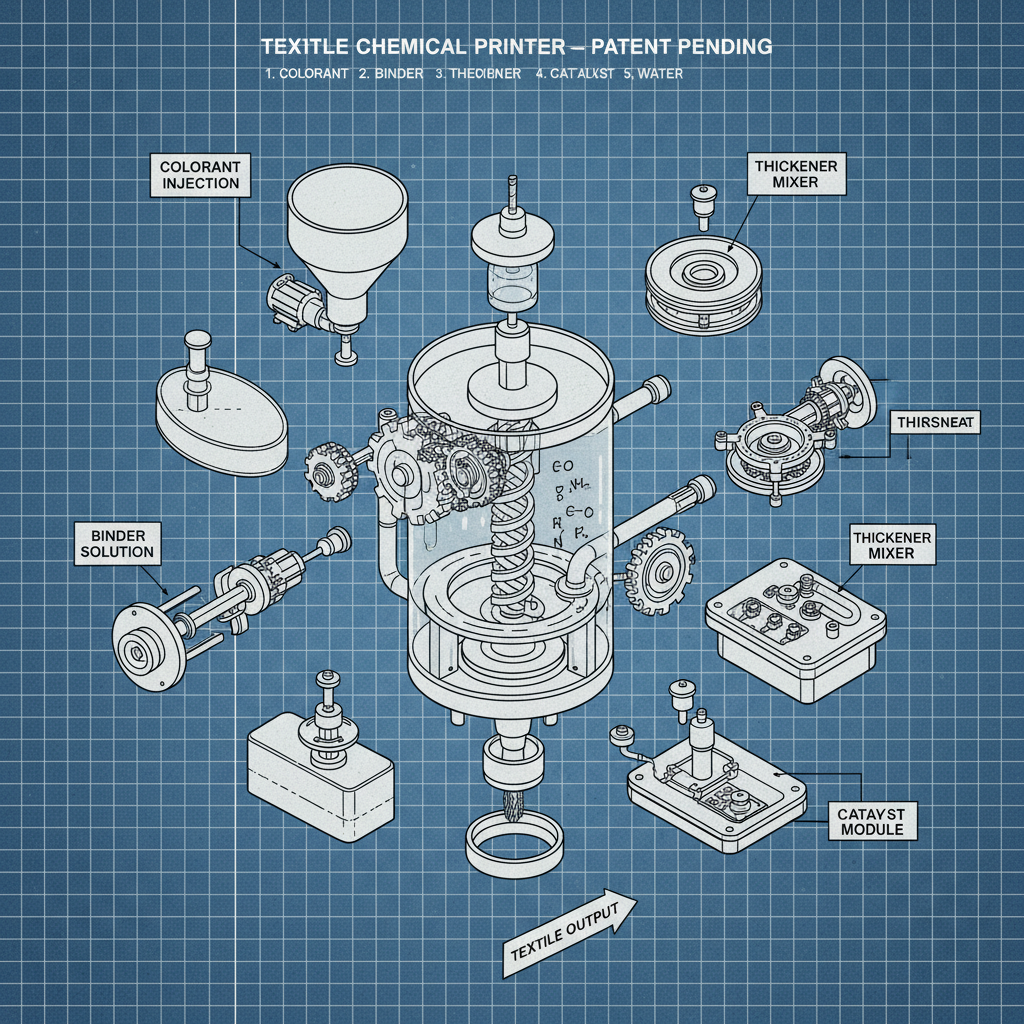
Traditionally, textile printing relied on chemicals containing harmful substances like formaldehyde and APEOs. However, growing environmental awareness has spurred the development of eco-friendly alternatives. These alternatives utilize bio-based materials, reduce VOC emissions, and minimize water usage. While conventional chemicals may offer lower initial costs, eco-friendly options provide long-term benefits in terms of sustainability, brand reputation, and compliance with increasingly stringent regulations. The following chart illustrates key differences:
Conclusion: Optimizing Your Textile Printing with the Right Chemicals
Choosing the right textile printing chemicals is a multifaceted decision. By considering fabric type, printing method, environmental impact, and cost-effectiveness, you can optimize your process for superior results and sustainable practices. Dyeingchem.com provides a comprehensive range of high-quality chemicals and expert support to help you achieve your printing goals.
Frequently Asked Questions (FAQs)
What is the role of a thickener in textile printing?
A thickener is a crucial component of print pastes, responsible for increasing their viscosity. This viscosity prevents the dye from spreading or bleeding during the printing process, ensuring sharp, well-defined prints. Different thickeners are suitable for different printing techniques and fabric types. For example, alginate thickeners are commonly used in reactive dyeing, while acrylic thickeners are preferred for pigment printing. The choice of thickener directly impacts the print resolution and overall quality. Proper thickener concentration is also critical for achieving the desired printing effect.
How do I ensure compatibility between different textile printing chemicals?
Ensuring compatibility is essential to avoid unwanted chemical reactions that could compromise print quality or fabric integrity. Always check the manufacturer's recommendations for each chemical and avoid mixing incompatible substances. As a general rule, it's best to add chemicals in the recommended order and to test a small sample before applying the mixture to a large batch of fabric. Pay close attention to pH levels, as significant differences can cause instability. When in doubt, consult with a chemical supplier or experienced textile printing professional.
What are the benefits of using eco-friendly textile printing chemicals?
Eco-friendly textile printing chemicals offer numerous benefits, including reduced environmental impact, improved worker safety, and enhanced brand reputation. They often utilize renewable resources, minimize harmful emissions, and reduce water consumption. These chemicals contribute to a more sustainable textile industry and align with growing consumer demand for eco-conscious products. Furthermore, many eco-friendly alternatives meet stringent environmental standards and certifications, ensuring compliance with regulations.
What is the importance of a fixing agent in textile printing?
A fixing agent is a post-treatment chemical crucial for improving the wash fastness and rub fastness of printed fabrics. It works by forming a chemical bond between the dye and the fabric fibers, preventing the dye from being washed out or rubbed off during use. The type of fixing agent used depends on the dye class and the fabric type. Properly applied fixing agents significantly enhance the durability and longevity of the printed design.