Comprehensive Guide to Textile Sizing Chemicals Manufacturers and Solutions
Comprehensive Guide to Textile Sizing Chemicals Manufacturers and Solutions
Textile Sizing Chemicals Manufacturers: A Comprehensive Guide
The textile industry relies heavily on specialized chemicals to optimize the weaving process. Among these, textile sizing chemicals play a crucial role in improving yarn strength, reducing breakage, and enhancing weaving efficiency. Selecting the right sizing agent is paramount for textile manufacturers aiming for high-quality fabrics and cost-effective production. This article explores the world of textile sizing chemicals manufacturers, detailing types, applications, and considerations for choosing the best solution for your needs. We will also highlight the expertise of Dyeingchem.com in providing tailored sizing solutions.

Understanding Textile Sizing and Its Importance
Textile sizing is the process of applying a protective coating to yarns before weaving. This coating, created using textile sizing chemicals, serves several critical functions: increasing yarn strength to withstand the stresses of weaving, reducing friction between yarns and machine parts, minimizing yarn breakage and end-downages, and improving fabric appearance. Without proper sizing, yarn is prone to damage, leading to production delays and increased costs. Effective sizing is, therefore, essential for efficient and high-quality textile manufacturing.
Key Benefits of Textile Sizing: Increased yarn strength, reduced yarn breakage, improved weaving efficiency, enhanced fabric quality, and lower production costs.
Types of Textile Sizing Chemicals
A variety of chemicals are used for textile sizing, each offering unique properties and suitable for different yarn types and weaving processes. Common types include:
- Starch-based sizes: Traditional and cost-effective, often used for cotton yarns.
- Polyvinyl Alcohol (PVA) sizes: Offer excellent strength and smoothness, suitable for a wide range of yarns.
- Acrylic copolymers: Provide good film-forming properties and are often used for synthetic yarns.
- Modified starches: Offer improved properties like increased solubility and reduced dust formation.
- Carboxymethyl Cellulose (CMC): Used as a sizing agent and also as an additive to enhance other sizing agents.
Comparing PVA and Starch-Based Sizing Agents
Choosing between PVA and starch-based sizing agents depends on the specific requirements of the weaving process. While starch is economical, PVA generally offers superior performance. Here's a comparative overview:
Selecting the Right Textile Sizing Chemical Manufacturer
Choosing a reliable textile sizing chemicals manufacturers is crucial for consistent quality and performance. Factors to consider include:
- Product range: Does the manufacturer offer a variety of sizing agents to meet your diverse needs?
- Technical support: Do they provide expert guidance on selecting and applying the right chemicals?
- Quality control: What measures do they have in place to ensure product consistency and purity?
- Customization capabilities: Can they tailor formulations to meet specific requirements?
- Sustainability practices: Are they committed to environmentally responsible manufacturing?
Dyeingchem.com excels in all these areas, offering a comprehensive range of high-quality sizing chemicals and dedicated technical support.
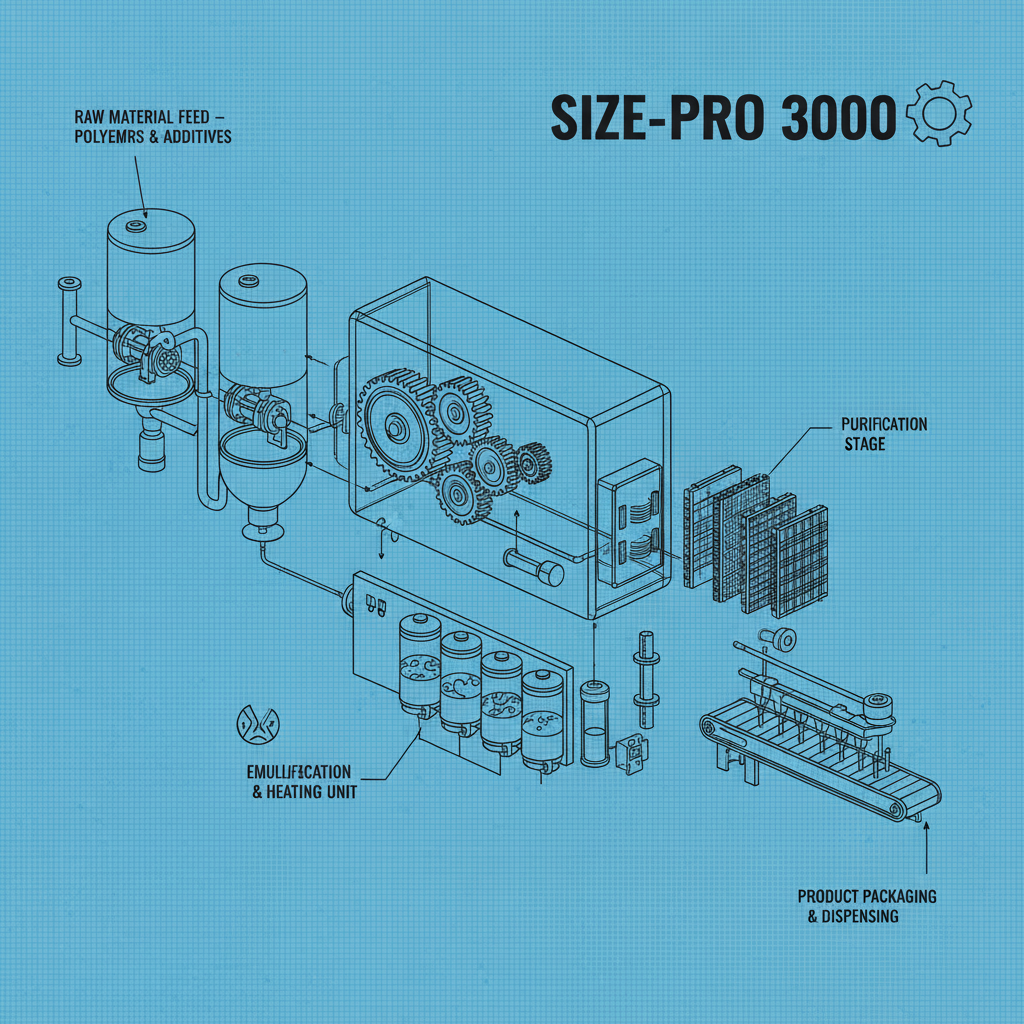
Dyeingchem.com: Your Trusted Partner for Textile Sizing
Dyeingchem.com is a leading supplier of textile sizing chemicals, dedicated to providing innovative and sustainable solutions for the textile industry. We offer a wide range of products, including PVA, starch-based, and acrylic copolymer sizing agents, tailored to meet the specific needs of our clients. Our commitment to quality, technical expertise, and customer satisfaction makes us a preferred partner for textile manufacturers worldwide.
Conclusion: Optimizing Your Weaving Process with the Right Sizing Chemicals
Investing in high-quality textile sizing chemicals and partnering with a reliable manufacturer like Dyeingchem.com is essential for optimizing your weaving process, improving fabric quality, and reducing production costs. Contact us today to learn more about our products and services.
Frequently Asked Questions (FAQs)
What factors affect the sizing chemical's performance?
Several factors influence the effectiveness of textile sizing chemicals, including the type of yarn, the weaving machine settings, the chemical concentration, the application method, and the drying conditions. The yarn's fiber type and structure dictate the optimal sizing agent. Accurate chemical concentration and proper application techniques are crucial for achieving a uniform coating. Furthermore, controlling drying temperature and humidity ensures the size film adheres effectively to the yarn, maximizing its protective benefits. Factors such as water quality used to prepare the sizing solution and proper equipment maintenance can also influence performance.
How can I determine the optimal sizing chemical concentration?
Determining the optimal sizing chemical concentration requires careful consideration of the yarn characteristics, weaving process, and desired performance. Generally, a higher concentration leads to stronger sizing, but it can also increase stiffness and hinder fabric handle. A common approach involves conducting laboratory trials with varying concentrations to assess yarn strength, abrasion resistance, and weaving efficiency. Manufacturers like Dyeingchem.com provide technical assistance to help customers optimize concentration levels for their specific applications.
What are the environmental considerations when using textile sizing chemicals?
Environmental concerns surrounding textile sizing chemicals are growing. Traditional sizing agents like starch can contribute to high Biological Oxygen Demand (BOD) in wastewater. PVA, while effective, isn’t readily biodegradable. Choosing manufacturers like Dyeingchem.com who offer environmentally friendly alternatives, such as modified starches and biodegradable polymers, is important. Implementing efficient wastewater treatment systems and optimizing chemical usage can significantly minimize the environmental impact.