Exploring Black Colour Dye Applications Types and Sustainable Innovations
Exploring Black Colour Dye Applications Types and Sustainable Innovations
Understanding Black Colour Dye: A Comprehensive Guide
Black colour dye is a foundational component across countless industries, from textiles and leather to plastics and even food coloring. Its versatility and ability to create a deep, rich shade make it an indispensable ingredient. This article will delve into the world of black dyes, exploring their types, applications, challenges, and the latest innovations. We'll examine how Dyeingchem provides high-quality black dyes to meet diverse industrial needs. Choosing the right black dye is crucial for achieving desired colorfastness and performance characteristics.
Types of Black Colour Dye
Black dyes aren't a single entity; they are complex mixtures of various colorants. Common types include azo dyes, anthraquinone dyes, and reactive dyes. Azo dyes are known for their cost-effectiveness and vibrant shades but can have limitations in lightfastness. Anthraquinone dyes offer superior lightfastness and are widely used in high-performance applications. Reactive dyes form a chemical bond with the material, resulting in excellent wash fastness, particularly for cellulosic fibers like cotton. Selecting the appropriate type depends on the substrate being dyed, the desired performance characteristics, and budget considerations. Dyeingchem offers a comprehensive range of black dyes to suit various requirements.
Key Highlights: Black dyes consist of complex mixtures of colorants like azo, anthraquinone, and reactive dyes. The choice depends on the substrate, performance needs, and budget.
Applications of Black Colour Dye
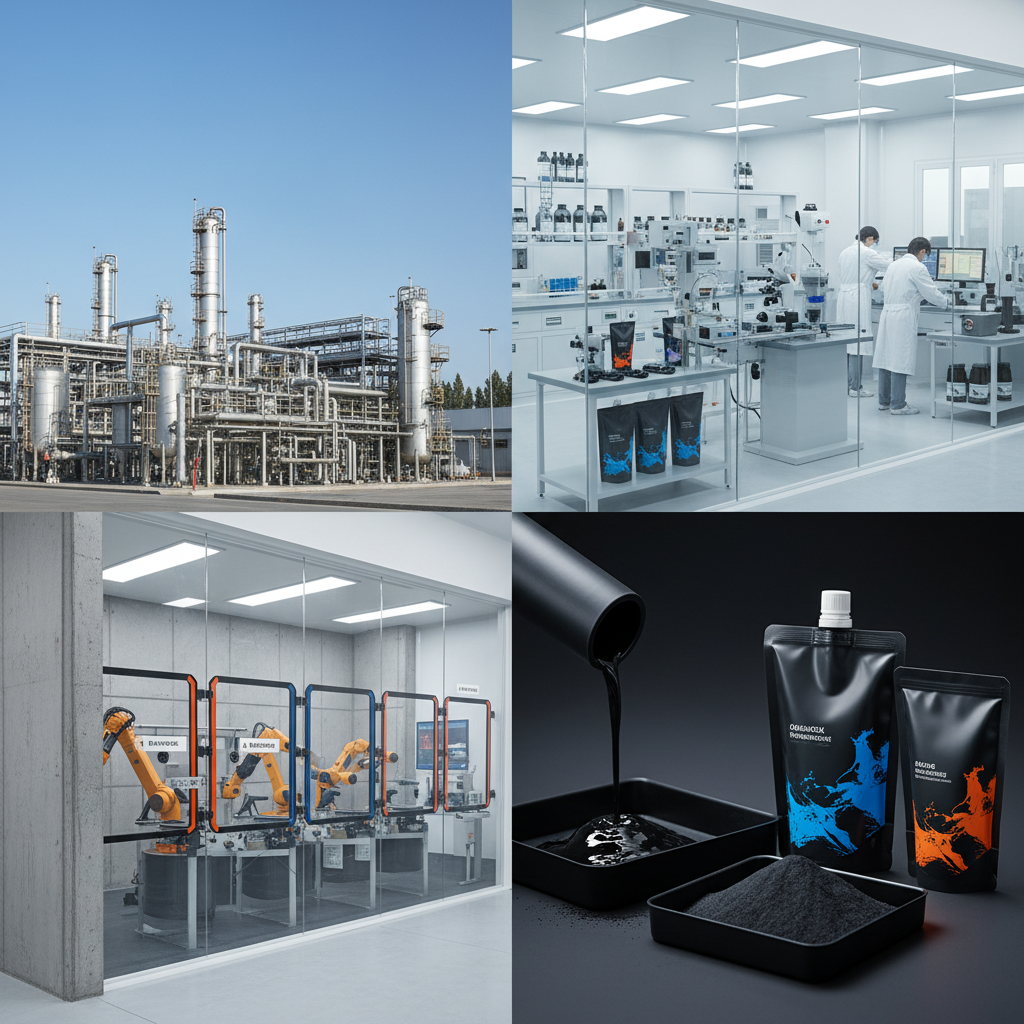
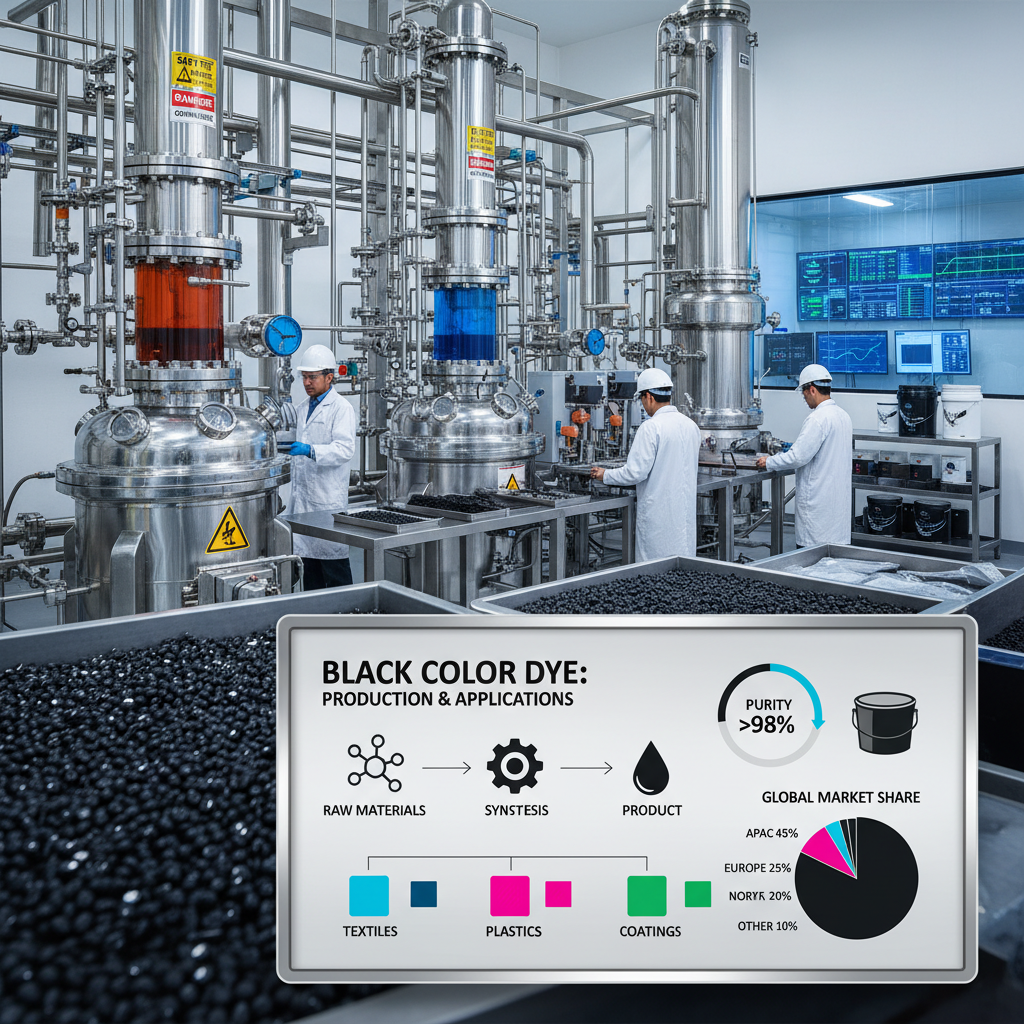
The applications of black dye are remarkably diverse. In the textile industry, it's used for dyeing cotton, polyester, nylon, and blends. Leather industries rely on black dyes for producing shoes, handbags, and upholstery. The plastics sector utilizes black pigments to color various products, including packaging, automotive parts, and consumer goods. Food coloring applications, although regulated, employ black dyes in certain processed foods. Moreover, black dye finds use in inks, paints, and coatings. The versatility of black dye makes it an essential material across numerous manufacturing processes.
Application Sectors:
• Textiles (Cotton, Polyester, Nylon)
• Leather (Shoes, Bags, Upholstery)
• Plastics (Packaging, Automotive, Consumer Goods)
• Inks, Paints, and Coatings
Black Colour Dye: Performance Characteristics Comparison
Different types of black dyes exhibit varying performance characteristics. Lightfastness, wash fastness, and resistance to chemicals are key considerations. Reactive dyes generally excel in wash fastness, while anthraquinone dyes demonstrate superior lightfastness. Azo dyes, although cost-effective, may lack the same level of durability. Understanding these differences is crucial for selecting a dye that meets the specific requirements of the application. Dyeingchem provides detailed technical data sheets to help customers choose the optimal dye.
Challenges and Future Trends in Black Dye Technology
The production and use of black dyes face increasing scrutiny regarding environmental impact. Traditional dyes can contain heavy metals and release harmful chemicals into wastewater. Sustainable alternatives, such as bio-based dyes and innovative dyeing processes, are gaining traction. Researchers are also exploring ways to improve dye fixation rates to minimize waste and reduce water consumption. Dyeingchem is committed to providing eco-friendly dye options and supporting sustainable practices.
Choosing the Right Black Dye: A Guide from Dyeingchem
Selecting the optimal black dye requires careful consideration of the application, performance requirements, and environmental concerns. Dyeingchem offers expert technical support to assist customers in choosing the right dye for their specific needs. We provide comprehensive product information, including technical data sheets, safety data sheets, and application guides. Our commitment to quality and sustainability ensures that our customers receive reliable and environmentally responsible dyeing solutions.
Conclusion: Empowering Industries with Quality Black Dye
Black colour dye remains a vital component in numerous industries. By choosing a reputable supplier like Dyeingchem, you can ensure access to high-quality, sustainable dyes that meet your specific requirements. We are dedicated to innovation, quality, and customer satisfaction, empowering industries to achieve vibrant, durable, and responsible coloration.
Frequently Asked Questions (FAQs)
What are the environmental concerns associated with black dyes?
Traditional black dye production can release harmful chemicals and heavy metals into the environment, particularly in wastewater. These substances can pose risks to aquatic ecosystems and human health. Sustainable alternatives, such as bio-based dyes and improved dye fixation technologies, are being developed to minimize these impacts. Responsible dye manufacturers prioritize wastewater treatment and adhere to strict environmental regulations to reduce their environmental footprint. Choosing eco-friendly dyes, like those offered by Dyeingchem, is a step towards more sustainable practices.
How does the substrate affect the choice of black dye?
The substrate being dyed significantly influences the dye selection process. Different fibers require different dye types for optimal results. For example, reactive dyes are well-suited for cotton, while disperse dyes are commonly used for polyester. The chemical composition and structure of the fiber determine which dye can effectively bond and provide the desired colorfastness. Dyeingchem provides expert guidance to help customers select the appropriate dye based on their substrate.
What is lightfastness and why is it important for black dyes?
Lightfastness refers to a dye's resistance to fading or changing color when exposed to light. It is crucial for black dyes, as fading can significantly diminish the appearance and quality of dyed materials. High lightfastness ensures that the black color remains vibrant and durable over time, even with prolonged exposure to sunlight. Anthraquinone dyes are renowned for their excellent lightfastness, making them ideal for applications requiring long-lasting color. The lightfastness of a dye is typically rated on a scale, and Dyeingchem provides detailed lightfastness data for all its dyes.