Exploring Eco Friendly Dyes for Textiles A Sustainable and Vibrant Solution
Exploring Eco Friendly Dyes for Textiles A Sustainable and Vibrant Solution
Eco Friendly Dyes for Textiles: A Sustainable Solution
The textile industry, while essential, is known for its environmental impact. Traditional dyeing processes often rely on harsh chemicals that pollute waterways and pose health risks. Fortunately, a shift towards eco friendly dyes for textiles is gaining momentum, offering a sustainable alternative. These dyes minimize environmental harm while still delivering vibrant and lasting colors. This article will explore the benefits, types, applications, and future trends of sustainable textile dyes. We’ll also highlight how Dyeingchem contributes to this eco-conscious revolution.
Understanding Eco Friendly Dyes
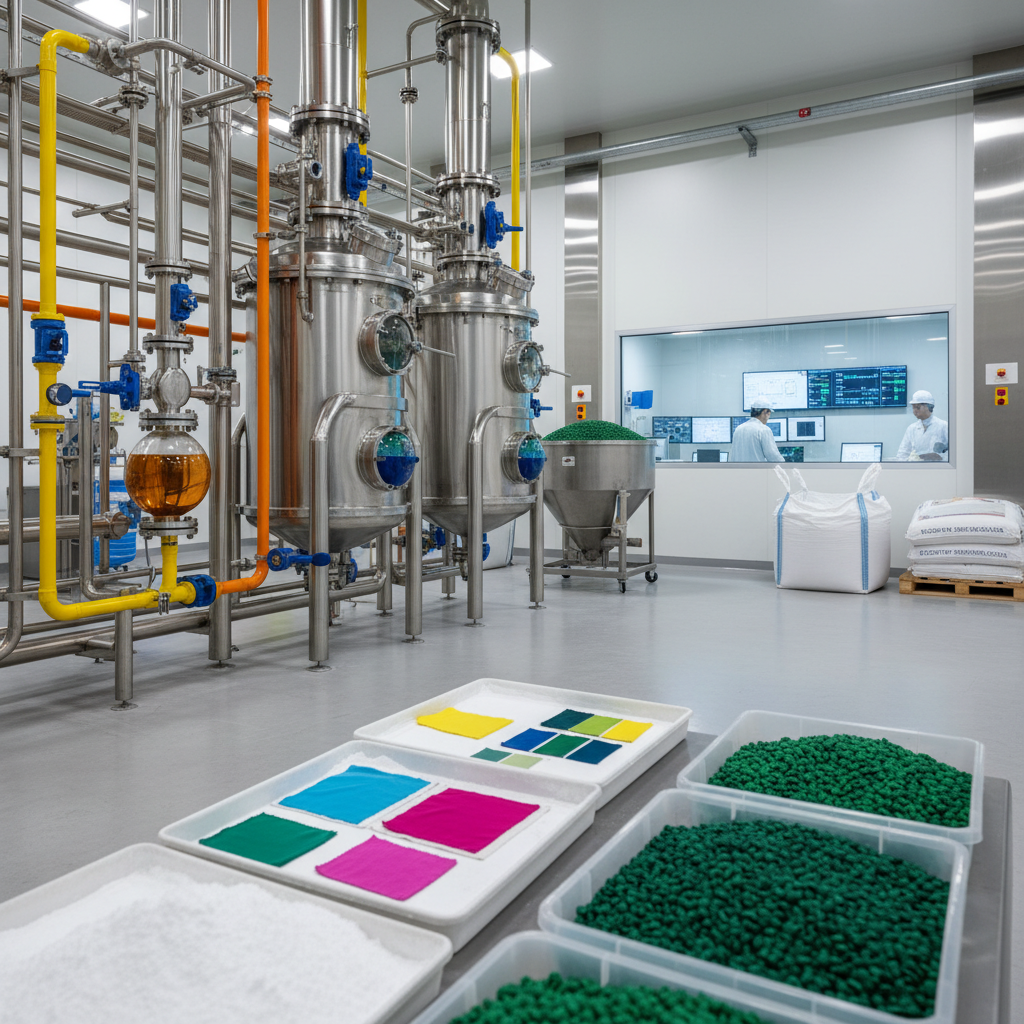
Eco friendly dyes, also known as sustainable dyes, are formulated to minimize their impact on the environment throughout their lifecycle – from production to application and disposal. They typically avoid heavy metals, formaldehyde, and other harmful chemicals commonly found in conventional dyes. These dyes aim for reduced water usage, lower energy consumption, and biodegradable byproducts. Choosing eco friendly dyes for textiles is a crucial step towards a more responsible and circular textile industry. This benefits not only the planet but also consumers who are increasingly seeking ethically produced goods.
Key Benefits: Reduced water pollution, minimized health risks, lower energy consumption, biodegradable byproducts, ethically sourced materials.
Types of Eco Friendly Dyes
Several types of dyes qualify as eco-friendly, each with its own strengths and weaknesses. Some popular options include:
- Natural Dyes: Derived from plants, insects, and minerals, these dyes have been used for centuries. Examples include indigo, madder root, and walnut hulls.
- Reactive Dyes: These dyes form a chemical bond with the textile fiber, resulting in excellent colorfastness. Modern reactive dyes can be formulated to minimize environmental impact.
- Vat Dyes: Known for their excellent wash and lightfastness, vat dyes offer durability and vibrant colors.
- Pigment Dyes: While traditionally less eco-friendly, advancements in pigment dye technology are yielding more sustainable options.
Eco Friendly Dyes for Textiles: A Comparative Analysis
Choosing the right eco friendly dyes for textiles depends on factors like fiber type, desired color, and cost. Here’s a comparison of some common eco-friendly dye options:
Applications of Eco Friendly Dyes
The demand for eco friendly dyes for textiles is driving innovation across various applications, including:
- Fashion Apparel: Sustainable fashion brands are prioritizing eco-friendly dyes to create ethically produced clothing.
- Home Textiles: Bedding, curtains, and upholstery are increasingly being made with sustainable dyes to promote healthier indoor environments.
- Outdoor Gear: Eco-friendly dyes are used in the production of tents, backpacks, and other outdoor equipment.
- Industrial Textiles: Applications in automotive, medical, and other industrial sectors are adopting sustainable dyeing practices.
Dyeingchem: Your Partner in Sustainable Dyeing
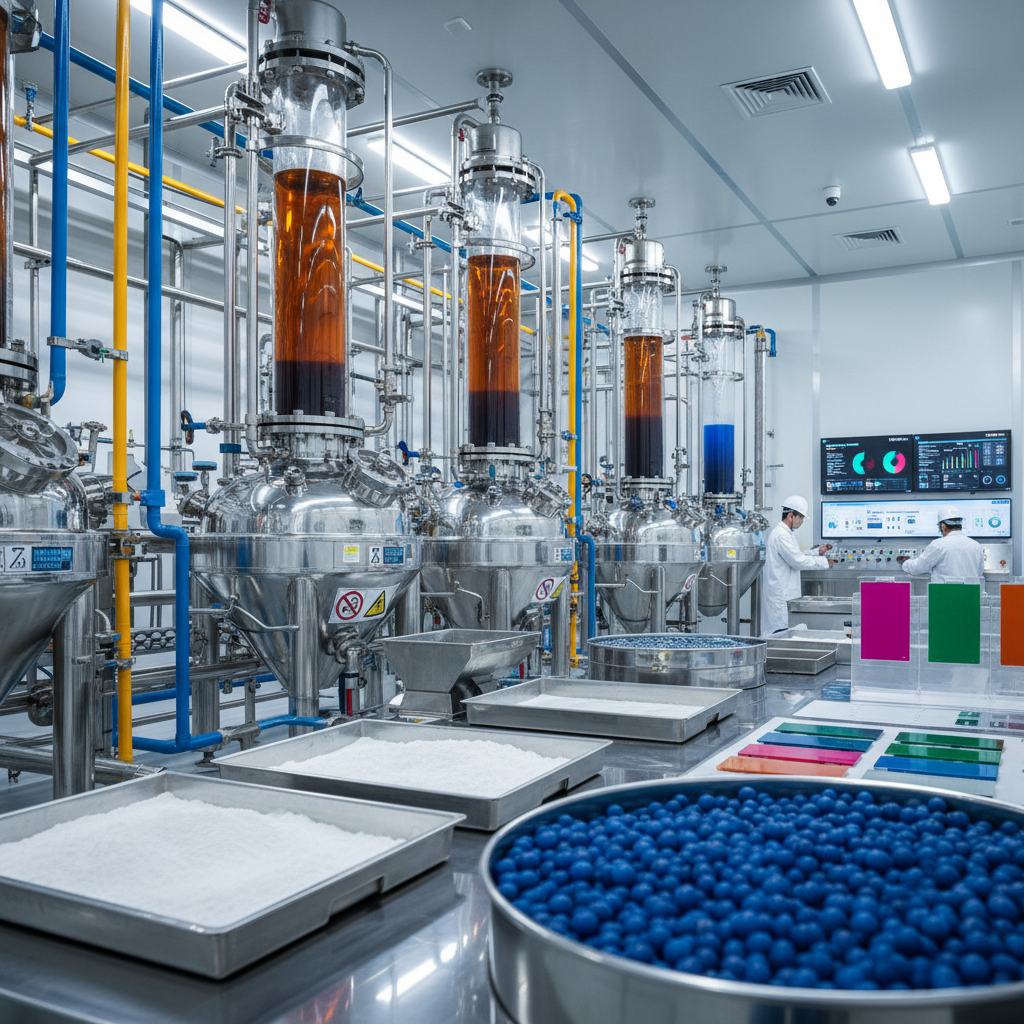
Dyeingchem is committed to providing high-quality, eco-friendly dyes and innovative dyeing solutions. We offer a comprehensive range of sustainable dyes, technical expertise, and customized support to help our clients meet their environmental goals. Our products are meticulously tested to ensure they meet stringent environmental standards and deliver exceptional performance. We are dedicated to helping the textile industry transition to a more sustainable future.
Conclusion: Embracing a Sustainable Future with Eco Friendly Dyes
The transition to eco friendly dyes for textiles is no longer a trend but a necessity. By choosing sustainable dyeing options, businesses can reduce their environmental footprint, protect human health, and meet the growing demand for ethically produced goods. Dyeingchem is proud to be at the forefront of this movement, providing innovative and sustainable solutions for the textile industry.
Frequently Asked Questions (FAQs)
Are eco friendly dyes as vibrant as conventional dyes?
While early eco-friendly dyes sometimes lacked the vibrancy of conventional options, advancements in dye technology have significantly narrowed that gap. Modern eco-friendly dyes, particularly reactive and vat dyes, can achieve comparable levels of color intensity and saturation. Furthermore, the development of innovative natural dye extraction and formulation techniques is continuously improving the color range and vibrancy of natural dyes. The key is choosing a reputable supplier like Dyeingchem who prioritize quality and performance.
Are eco friendly dyes more expensive?
Historically, eco-friendly dyes could be more expensive due to the complexities of sourcing sustainable materials and the smaller production volumes. However, as demand increases and production processes become more efficient, the price difference is decreasing. The long-term benefits of using eco-friendly dyes – such as reduced waste disposal costs and enhanced brand reputation – often outweigh the initial cost difference. Furthermore, Dyeingchem offers competitive pricing and bulk discounts to make sustainable dyeing accessible to businesses of all sizes.
How can I ensure a dye is truly eco-friendly?
Look for certifications like GOTS (Global Organic Textile Standard), OEKO-TEX®, and bluesign®, which verify that dyes meet rigorous environmental and social criteria. Check for transparency from the dye supplier regarding the sourcing of raw materials and the manufacturing process. Inquire about the dye's chemical composition and ensure it is free from harmful substances like Azo dyes and heavy metals. Choosing a reputable supplier like Dyeingchem that prioritizes sustainability and provides detailed product information is also crucial.
What is the future of eco friendly dyes?
The future of eco-friendly dyes is bright, with ongoing research and development focused on innovative solutions. This includes exploring new sources of natural dyes, developing more efficient dyeing processes that minimize water and energy usage, and creating biodegradable synthetic dyes. Biotechnology is also playing a role, with the potential to produce dyes from microorganisms. The trend towards circularity will also drive the development of dyes designed for easy recycling and reuse.