Exploring Pigment Dyes for Textile Printing Applications and Benefits
Exploring Pigment Dyes for Textile Printing Applications and Benefits
Pigment Dyes for Textile Printing: A Comprehensive Guide
The textile printing industry relies heavily on high-quality dyes to achieve vibrant, durable, and aesthetically pleasing results. Pigment dyes have become increasingly popular for textile printing due to their versatility, cost-effectiveness, and environmental advantages. This article will delve into the world of pigment dyes, exploring their characteristics, applications, benefits, and considerations for optimal use. We’ll also cover selecting the right pigment dye for your specific textile printing needs. Discover how Dyeingchem.com provides reliable pigment dye solutions for textile printing.
Understanding Pigment Dyes for Textile Applications
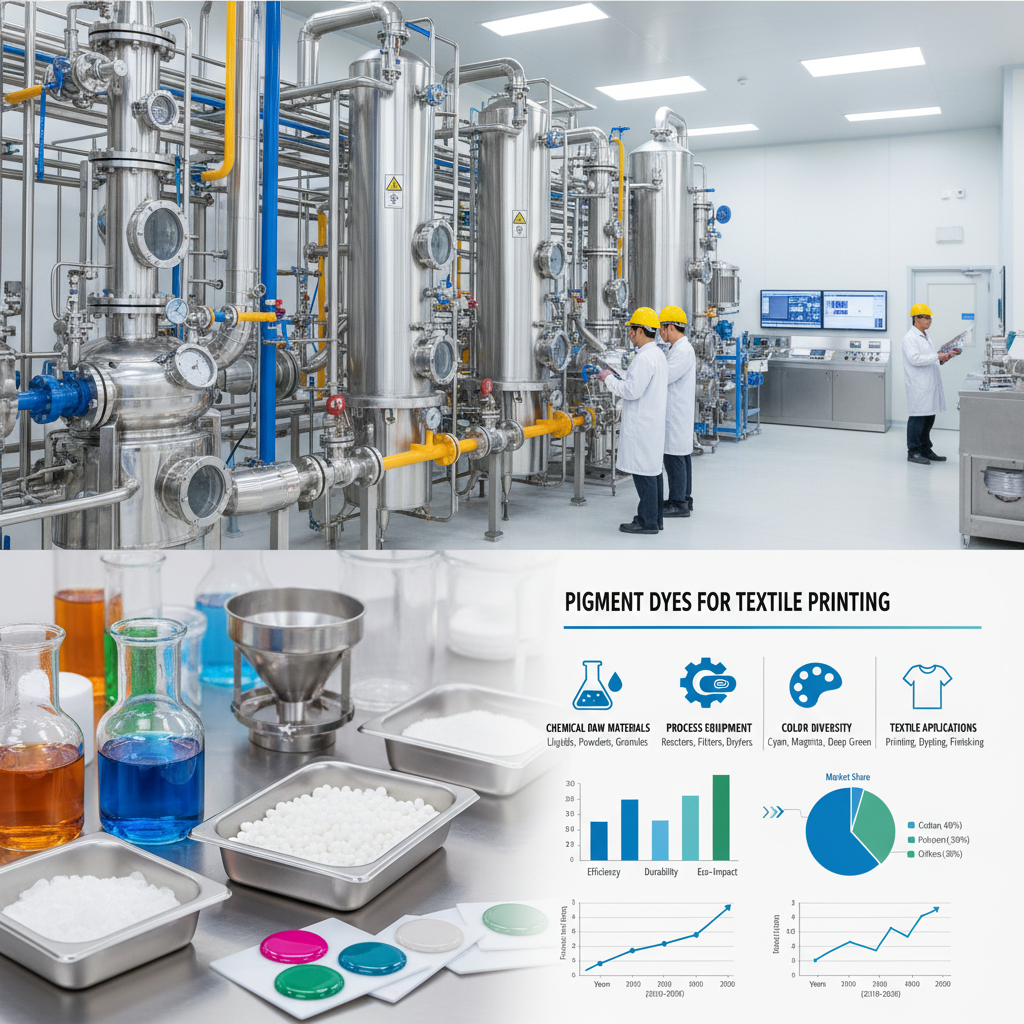
Unlike dye classes that chemically bond with textile fibers, pigment dyes are insoluble colorants. They are applied to the fabric surface alongside a binder, which adheres the pigment particles to the fibers. This process doesn’t alter the fiber structure, making pigment dyes suitable for a wider range of fabrics, including synthetics, natural fibers, and blends. Pigment printing is particularly favored for its simplicity and ability to deliver bright, opaque colors. The choice of binder significantly affects the wash fastness, rub fastness, and overall performance of the printed fabric.
Key Highlights: Pigment dyes are insoluble, requiring a binder for adhesion. Suitable for diverse fabrics including synthetics and naturals. Known for delivering bright, opaque colors.
The Advantages of Using Pigment Dyes
Pigment dyes offer several benefits compared to other dye classes. They boast excellent light fastness, meaning the colors resist fading from sun exposure. They’re also relatively inexpensive, making them an attractive option for budget-conscious manufacturers. Furthermore, pigment dyes generally have a simpler application process than reactive or vat dyes, requiring fewer processing steps and chemicals. This simplicity translates to reduced water consumption and effluent discharge, contributing to a more sustainable textile printing operation.
Benefits of Pigment Dyes:
• Excellent light fastness
• Cost-effective
• Simpler application process
• Reduced environmental impact
Pigment Dyes for Textile Printing: Types and Applications
Pigment dyes come in various forms, each suited for specific applications. Organic pigments provide brighter, more vibrant shades, while inorganic pigments offer superior lightfastness and are often used for darker colors. Common types include Azo pigments, Phthalo pigments, and Quinacridone pigments. These are used across a broad spectrum of textile printing, from fashion apparel and home textiles to industrial fabrics and sportswear.
Considerations When Choosing Pigment Dyes
Selecting the right pigment dye requires careful consideration of several factors. The type of fiber being printed is paramount, as is the desired color and fastness properties. The binder used should be compatible with both the pigment and the fabric. Furthermore, regulatory compliance is crucial; ensure the dyes meet relevant environmental and safety standards. At Dyeingchem.com, we offer comprehensive technical support to help you navigate these considerations and choose the optimal pigment dye solution for your specific needs.
Conclusion: Embracing the Versatility of Pigment Dyes
Pigment dyes offer a compelling combination of versatility, affordability, and environmental benefits for textile printing. From vibrant fashion apparel to durable industrial fabrics, they deliver exceptional performance and reliability. Partnering with a trusted supplier like Dyeingchem.com ensures access to high-quality pigment dyes and expert technical support.
Frequently Asked Questions (FAQs)
What is the difference between pigment and reactive dyes?
The primary difference lies in how they interact with the fabric. Reactive dyes form a chemical bond with the fiber, resulting in excellent wash fastness. Pigment dyes, on the other hand, remain as particles on the fabric surface, held in place by a binder. Reactive dyes require more complex application processes and are typically used on cellulose fibers (cotton, linen). Pigment dyes are more versatile and can be used on a wider range of fabrics, including synthetics. While reactive dyes typically offer superior wash fastness, advancements in binder technology have significantly improved the wash fastness of pigment prints.
What binders are commonly used with pigment dyes?
A variety of binders are used with pigment dyes, each offering different properties. Acrylic binders are widely used due to their good wash fastness and durability. Polyurethane binders provide excellent softness and flexibility. Silicone binders offer improved water repellency. The choice of binder depends on the desired fabric properties and application requirements. The binder plays a critical role in the overall performance of the pigment print.
Are pigment dyes environmentally friendly?
Compared to some other dye classes, pigment dyes are generally considered more environmentally friendly. They typically require less water and fewer chemicals in the printing process. Furthermore, the insoluble nature of pigment dyes minimizes water pollution. However, it’s important to choose pigment dyes that comply with environmental regulations and are free from harmful substances. Responsible sourcing and disposal practices are also essential for minimizing the environmental impact.