Exploring Sulfur Dyes for Textile Applications and Sustainable Practices
Exploring Sulfur Dyes for Textile Applications and Sustainable Practices
Sulfur Dyes for Textile: A Comprehensive Guide
Sulfur dyes represent a significant class of dyes used extensively in the textile industry, particularly for coloring cellulosic fibers like cotton. Known for their cost-effectiveness, good wash fastness, and ability to produce deep shades – especially blacks and navy blues – they are a popular choice for various applications. This article delves into the intricacies of sulfur dyes, covering their properties, application processes, advantages, disadvantages, and future trends. Understanding these dyes is crucial for textile manufacturers aiming for efficient and high-quality coloration.
Understanding the Chemistry of Sulfur Dyes
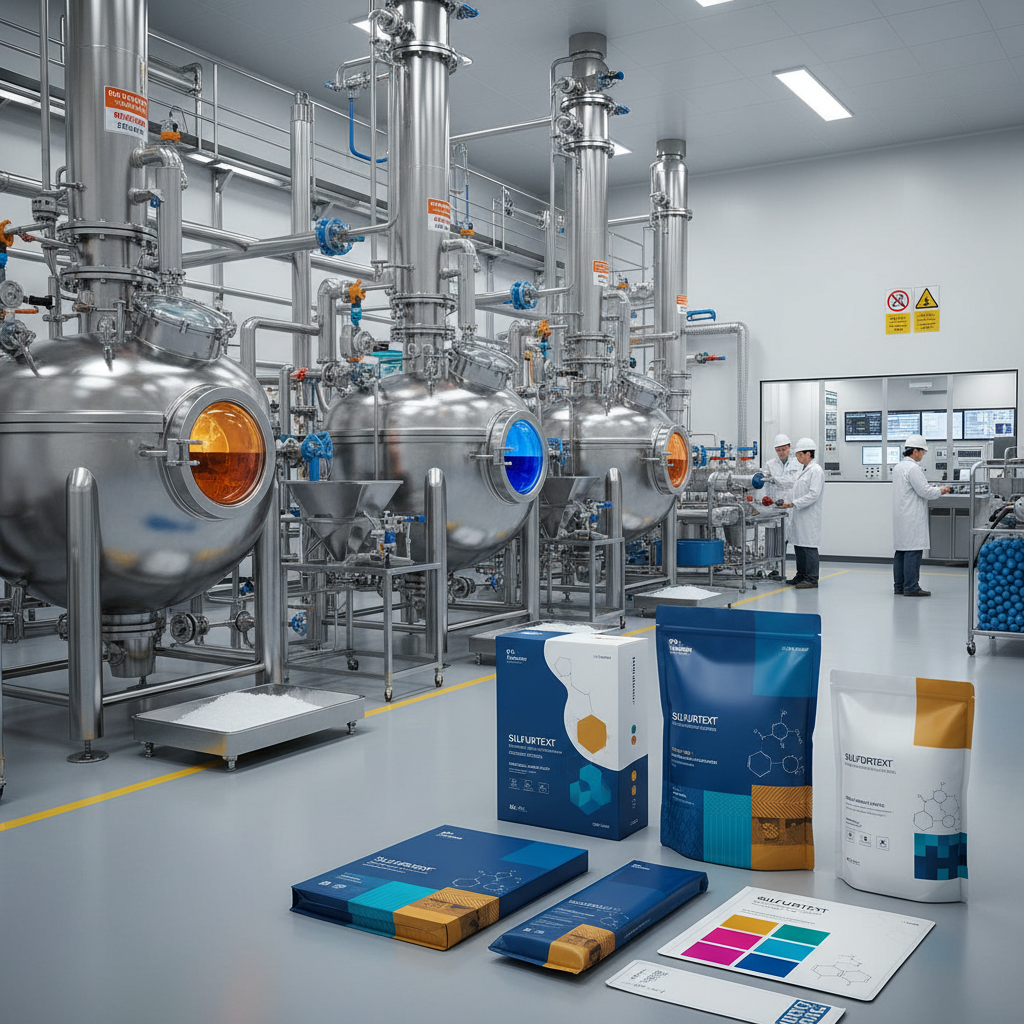
Sulfur dyes aren’t single, well-defined chemical compounds. Instead, they are complex mixtures of organic sulfur compounds produced by the reaction of aromatic amines with sulfur and sodium sulfide. This process results in a polymeric, insoluble substance that needs to be solubilized before application. The exact composition varies depending on the raw materials and manufacturing conditions. The core structure often includes thiazole, thiazone, and other heterocyclic rings containing sulfur linkages. This complex chemistry contributes to their unique properties, particularly their insolubility in water in the original form. The solubilization process involves reduction with sodium sulfide. Dyeingchem.com provides a comprehensive range of these complex chemical compounds.
Key Highlights: Sulfur dyes are complex mixtures of organic sulfur compounds and require reduction with sodium sulfide to become water-soluble for application.
Application Process of Sulfur Dyes
The application of sulfur dyes involves a multi-stage process. First, the insoluble dye is reduced with sodium sulfide in an alkaline medium, typically using sodium carbonate. This creates a soluble leuco form of the dye. The fabric is then immersed in this solution, allowing the dye to penetrate the fibers. Following exhaustion of the dye bath, the fabric is exposed to an oxidizing agent, such as hydrogen peroxide or sodium dichromate, which converts the leuco form back to its insoluble original form within the fiber, resulting in a durable coloration. Finally, the fabric is thoroughly washed to remove any remaining chemicals and excess dye. This process requires precise control of pH, temperature, and chemical concentrations for optimal results. Proper fixation is critical for achieving the desired colorfastness properties.
Key Steps in Application:
• Reduction with sodium sulfide
• Dyeing (exhaustion of dye bath)
• Oxidation (fixation of dye within the fiber)
• Washing
Sulfur Dyes for Textile: Advantages and Disadvantages
Sulfur dyes offer several advantages, most notably their low cost and excellent wash fastness, especially for dark shades. They are well-suited for dyeing heavy cotton fabrics, such as denim and workwear, and produce rich, deep colors. However, they also have drawbacks. The dyeing process generates substantial wastewater containing sulfides and other pollutants, necessitating extensive treatment. Color ranges are limited, mainly focusing on blacks, browns, and navy blues. Furthermore, sulfur dyes tend to cause a loss of strength in the dyed fabric and can exhibit poor light fastness compared to other dye classes.
Choosing the Right Sulfur Dye: Factors to Consider
Selecting the appropriate sulfur dye depends on several factors. Fiber type is crucial; sulfur dyes are primarily effective on cellulosic fibers. The desired shade and depth of color will influence the specific dye composition. Fastness requirements, particularly wash and light fastness, must be considered. Furthermore, environmental regulations and wastewater treatment capabilities play a significant role in the selection process. Dyeingchem.com offers expert consultation to assist in selecting the optimal dye for your specific needs and application.

Future Trends and Sustainable Alternatives
The future of sulfur dyeing is focused on minimizing its environmental impact. Research is underway to develop more sustainable oxidation methods to replace traditional chromate-based processes. Improved wastewater treatment technologies are also being explored to remove sulfides and other pollutants. Furthermore, there's growing interest in bio-based sulfur sources and alternative reducing agents to reduce reliance on fossil fuels. While finding a direct replacement for sulfur dyes remains challenging due to their cost-effectiveness, ongoing innovation aims to make them a more environmentally responsible choice for the textile industry.
Conclusion: Optimizing Sulfur Dye Usage
Sulfur dyes remain a vital component of the textile coloration process, especially where cost-effectiveness and deep shades are paramount. By understanding their chemistry, application, and environmental implications, manufacturers can optimize their usage and adopt more sustainable practices. Exploring innovative technologies and seeking expert advice from suppliers like Dyeingchem.com is crucial for navigating the evolving landscape of textile dyeing.
Frequently Asked Questions (FAQs)
What types of fabrics are best suited for sulfur dyes?
Sulfur dyes exhibit excellent affinity for cellulosic fibers, making them ideal for cotton, viscose rayon, and linen. They are less effective on synthetic fibers like polyester or nylon. The dye's chemical structure interacts effectively with the hydroxyl groups present in cellulose, resulting in strong dye-fiber bonds. While they can be applied to blends, the resulting shade and fastness properties may vary depending on the proportion of cellulosic and synthetic components. Pre-treatment of the fabric, such as scouring and bleaching, is crucial to ensure optimal dye uptake and even coloration.
How can the environmental impact of sulfur dyeing be minimized?
Minimizing the environmental impact of sulfur dyeing requires a multifaceted approach. Utilizing alternative oxidizing agents to replace sodium dichromate, such as hydrogen peroxide, is a significant step. Investing in efficient wastewater treatment systems to remove sulfides, heavy metals, and residual dyes is crucial. Implementing closed-loop water recycling systems can significantly reduce water consumption and effluent discharge. Optimizing dye recipes and application processes to minimize dye wastage also contributes to sustainability. Furthermore, exploring bio-based reducing agents and sulfur sources is an area of ongoing research.
What are the key factors affecting colorfastness in sulfur dyeing?
Several factors influence the colorfastness of sulfur-dyed fabrics. Thorough washing after dyeing is critical to remove unfixed dye molecules. Proper oxidation is essential for ensuring the dye is permanently fixed within the fiber. The pH of the dye bath and wash solutions can also impact colorfastness. The type of oxidizing agent used plays a role; some offer better fastness properties than others. Fabric pretreatment, including scouring and bleaching, influences dye penetration and fixation. Finally, the quality of the dye itself and adherence to recommended application parameters are paramount.