Exploring Textile Additives for Superior Fabric Performance and Innovation
Exploring Textile Additives for Superior Fabric Performance and Innovation
Understanding Textile Additives for Enhanced Fabric Performance
The textile industry constantly seeks innovative solutions to improve fabric properties, from durability and water resistance to softness and colorfastness. Textile additives play a crucial role in achieving these enhancements. These specialized chemicals are incorporated into fabrics during various stages of production to impart desired characteristics. This article will explore the diverse world of textile additives, their types, applications, and the benefits they bring to both manufacturers and consumers. Choosing the right additives can significantly enhance the quality and value of textile products.
What are Textile Additives?
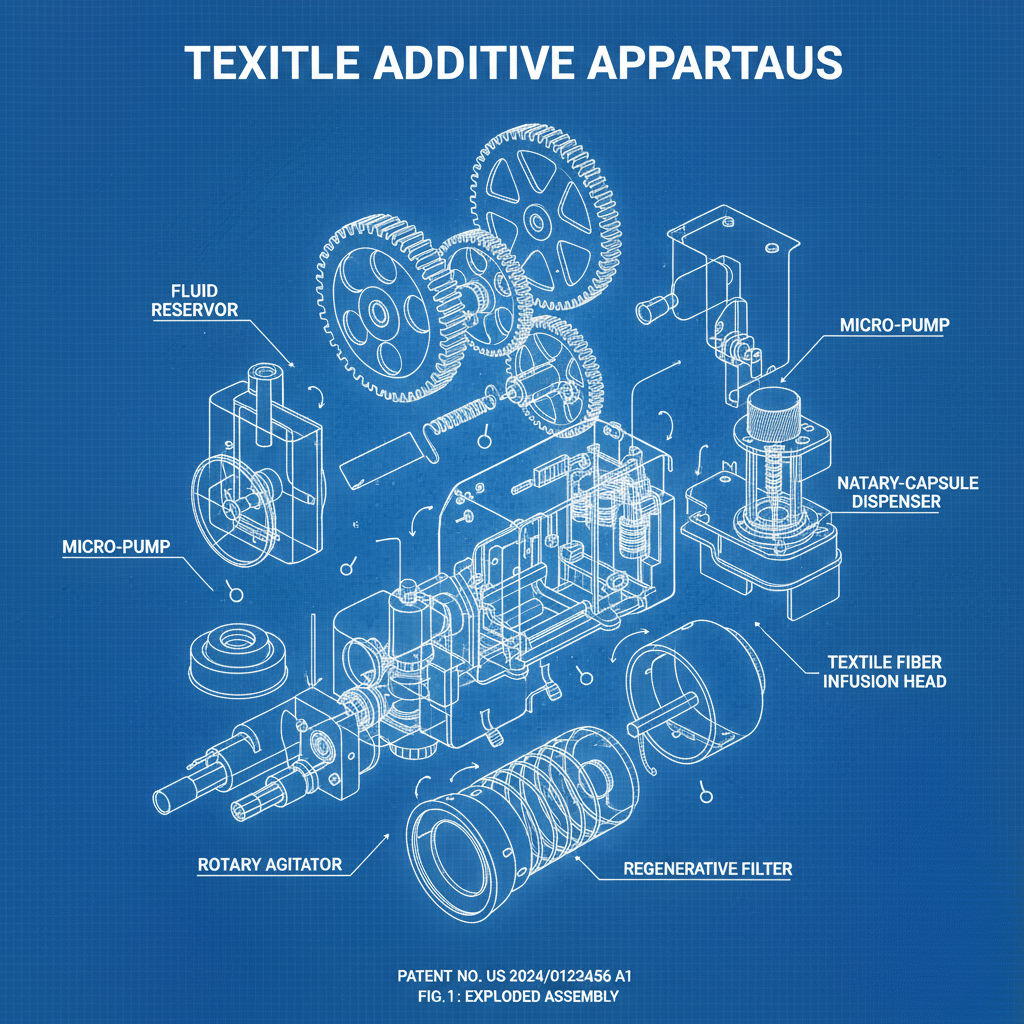
Textile additives are substances added to textiles to improve their performance, appearance, or processing characteristics. They are typically used in small amounts but have a significant impact on the final product. These additives can be applied during various stages, including fiber production, yarn manufacturing, fabric construction, and finishing. The selection of the appropriate additive depends on the desired effect, the type of fiber, and the intended application of the textile. Dyeingchem offers a comprehensive range of these essential compounds.
Key Highlights: Textile additives are specialized chemicals that enhance fabric properties, applied during various stages of textile production. They are crucial for improving performance, appearance and processing.
Common Types of Textile Additives
The world of textile additives is diverse. Some of the most common types include: softening agents, water repellents, flame retardants, anti-microbial agents, UV absorbers, and wrinkle-resistant finishes. Softening agents improve the hand feel of fabrics, while water repellents prevent liquid penetration. Flame retardants enhance safety by reducing flammability, and anti-microbial agents inhibit the growth of bacteria and fungi. UV absorbers protect fabrics from sun damage, and wrinkle-resistant finishes minimize creasing. Understanding the specific properties of each additive is essential for achieving the desired results.
Additive Category Benefits:
• Softening Agents: Improve fabric hand feel.
• Water Repellents: Prevent liquid penetration.
• Flame Retardants: Enhance safety by reducing flammability.
• UV Absorbers: Protect from sun damage.
Textile Additives: A Comparative Look
Choosing the right textile additive depends on the desired outcome and the specific fabric being treated. Different additives offer varying levels of performance and cost. For example, silicone-based softeners generally provide a luxurious feel but may not be as durable as some polymeric softeners. Similarly, fluorocarbon-based water repellents offer excellent water resistance but are facing scrutiny due to environmental concerns, leading to increased adoption of alternative technologies. Understanding these trade-offs is crucial for making informed decisions.
Applications of Textile Additives Across Industries
Textile additives find applications in a wide range of industries, including apparel, home textiles, technical textiles, and industrial fabrics. In apparel, additives enhance comfort, aesthetics, and performance. Home textiles benefit from stain resistance, wrinkle resistance, and antimicrobial properties. Technical textiles utilize additives for specialized functionalities, such as UV protection for outdoor gear and flame retardancy for protective clothing. Dyeingchem's products cater to these diverse needs.
Regulations and Sustainability in Textile Additives
The use of textile additives is subject to increasing regulatory scrutiny, particularly concerning environmental impact and human health. Regulations such as REACH (Registration, Evaluation, Authorisation and Restriction of Chemicals) in Europe and similar regulations in other regions restrict the use of certain chemicals and require manufacturers to demonstrate the safety of their products. Sustainability is also a growing concern, driving demand for bio-based and environmentally friendly additives. Dyeingchem is committed to providing sustainable and compliant solutions.
Conclusion: The Future of Textile Enhancement
Textile additives are indispensable components in modern textile manufacturing, enabling improvements in performance, functionality, and sustainability. As technology advances and regulations evolve, the development of innovative and environmentally responsible additives will continue to be a key focus for the industry. By leveraging these advancements, manufacturers can create high-quality textile products that meet the demands of today's consumers while minimizing environmental impact.
Frequently Asked Questions (FAQs)
What are the environmental concerns associated with some textile additives?
Certain textile additives, particularly some fluorocarbon-based water repellents and certain flame retardants, have raised environmental concerns due to their persistence in the environment and potential for bioaccumulation. These substances can contaminate water sources and pose risks to wildlife and human health. Consequently, there's a growing trend toward developing and using more sustainable alternatives, such as bio-based additives and technologies that minimize environmental impact. Regulatory bodies are also increasing scrutiny and restricting the use of harmful chemicals.
How do I choose the right textile additive for my application?
Choosing the right additive involves considering several factors. First, define the desired properties you want to impart to the fabric (e.g., softness, water repellency, flame retardancy). Next, identify the type of fiber you're working with, as different additives are compatible with different fibers. Consider the application of the fabric – will it be used for apparel, home textiles, or industrial purposes? Finally, assess the environmental and regulatory requirements. Consulting with a textile chemical supplier like Dyeingchem can provide valuable guidance.
What is the difference between pre-treatment and finishing additives?
Pre-treatment additives are applied to fabrics before dyeing or finishing processes. These additives prepare the fabric for subsequent treatments by removing impurities, improving absorbency, and enhancing dye uptake. Examples include scouring agents, bleaching agents, and wetting agents. Finishing additives, on the other hand, are applied after dyeing and other treatments to impart specific properties such as softness, water repellency, or wrinkle resistance. They are the final step in modifying the fabric's characteristics.
Are bio-based textile additives a viable alternative to traditional chemicals?
Yes, bio-based textile additives are increasingly becoming a viable and sustainable alternative to traditional chemicals. These additives are derived from renewable resources, such as plants and microorganisms, and often have a lower environmental impact. While they may not always offer the same level of performance as traditional chemicals, advancements in biotechnology are continuously improving their effectiveness. The demand for eco-friendly products is driving the adoption of bio-based additives across the textile industry.