Exploring the Versatility and Benefits of Black Synthetic Dye Applications
Exploring the Versatility and Benefits of Black Synthetic Dye Applications
Understanding Black Synthetic Dye: Applications and Benefits
Black synthetic dyes are integral components in numerous industries, from textiles and leather to plastics and printing. Offering a consistent, deep black coloration, these dyes provide a cost-effective and reliable alternative to natural black dyes. This article delves into the world of black synthetic dyes, exploring their types, applications, advantages, and considerations for use. We’ll discuss factors influencing dye selection and highlight the importance of quality and environmental responsibility. Choosing the right dye is essential for achieving the desired color fastness and overall product quality.
Types of Black Synthetic Dyes
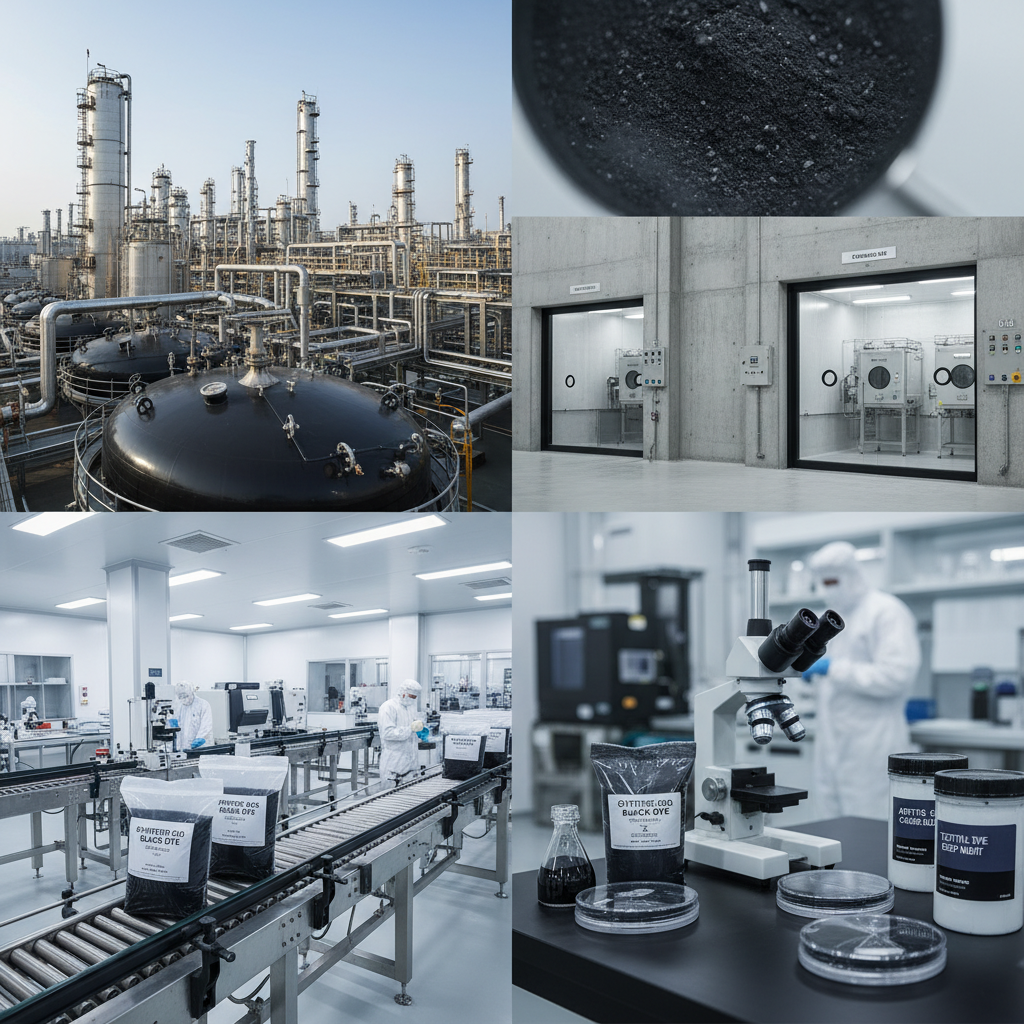
Several types of black synthetic dyes are commonly used. These can be broadly categorized based on their chemical structure and application method. Some of the most prevalent include: Azoic Dyes, known for their excellent wash and light fastness, especially on cellulosic fibers. Direct Dyes, simpler to apply and cost-effective, suitable for paper and some textiles. Acid Dyes, primarily used for protein fibers like wool and silk. Reactive Dyes, forming a covalent bond with the fiber, resulting in exceptional colorfastness. Disperse Dyes, designed for synthetic fibers like polyester, offering good lightfastness and wash fastness. The specific choice depends on the material being dyed and the desired properties of the finished product. Dyeingchem.com offers a comprehensive range of these dye types.
Key Highlights: Selecting the appropriate black synthetic dye is crucial for achieving desired colorfastness, vibrancy, and application efficiency.
Applications of Black Synthetic Dye
The versatility of black synthetic dyes allows for widespread application across various industries. The textile industry utilizes these dyes for clothing, home furnishings, and industrial fabrics. The leather industry relies on them for coloring shoes, bags, and upholstery. Plastics benefit from the consistent coloration provided by these dyes in producing molded products. Printing inks utilize black dyes for text, graphics, and packaging. Furthermore, specialized applications include coloring paper, wood stains, and even certain cosmetic formulations. The demand for high-quality black dyes continues to grow with evolving consumer preferences and industry needs.
Application Areas:
• Textiles (clothing, home furnishings)
• Leather (shoes, bags, upholstery)
• Plastics (molded products)
• Printing Inks (text, graphics, packaging)
Black Synthetic Dye: Comparing Dye Classes
Choosing the right type of black synthetic dye requires understanding the strengths and weaknesses of each class. Factors such as fiber type, desired fastness properties, application method, and cost all play a role. Here's a comparison:
Environmental Considerations & Sustainable Dyeing
The dyeing process can have environmental impacts, particularly regarding wastewater discharge. Choosing dyes with low heavy metal content and utilizing efficient dyeing techniques are crucial for minimizing these impacts. Many manufacturers, including Dyeingchem.com, are committed to producing eco-friendly dyes and promoting sustainable practices. Consider factors like dye fixation rate, water consumption, and energy usage when selecting dyes and implementing dyeing processes. Responsible sourcing and waste management are also essential aspects of sustainable dyeing.

Selecting a Black Synthetic Dye Supplier
Partnering with a reputable supplier is key to ensuring the quality and consistency of your black synthetic dyes. Look for suppliers who offer a wide range of dye types, provide technical support, and adhere to strict quality control standards. Dyeingchem.com offers high-quality black synthetic dyes, along with expert guidance to help you select the best option for your specific application. Consider factors such as purity, color strength, and solubility when evaluating potential suppliers. Reliable supply chain management and adherence to safety regulations are also essential considerations.
Conclusion: Optimizing Color with Black Synthetic Dyes
Understanding the nuances of black synthetic dyes is paramount for achieving optimal coloration and performance in various applications. By carefully considering dye type, application method, and environmental impact, businesses can make informed decisions that lead to superior product quality and sustainable practices.
Frequently Asked Questions (FAQs)
What factors affect the lightfastness of black synthetic dyes?
Lightfastness is influenced by the dye's chemical structure, the fiber type, and the presence of UV stabilizers. Azoic and reactive dyes generally exhibit excellent lightfastness. The intensity and duration of light exposure also play a significant role. Using UV absorbers in the dyeing process can enhance lightfastness, particularly for dyes that are more susceptible to fading. Proper storage of dyed materials away from direct sunlight is also crucial.
Are there any safety precautions to take when handling black synthetic dyes?
Yes, always wear appropriate personal protective equipment (PPE) such as gloves, safety glasses, and a respirator when handling black synthetic dyes. Avoid inhaling dust or vapors, and ensure adequate ventilation in the work area. Refer to the Safety Data Sheet (SDS) for specific handling and storage instructions. Some dyes may cause skin irritation or allergic reactions, so proper handling is essential.
How do I choose the right dye for a specific fabric?
Consider the fabric's fiber content (e.g., cotton, polyester, silk). Different dye classes are designed for specific fibers. Also, consider the desired wash fastness and lightfastness properties. Reactive dyes are excellent for cotton, while disperse dyes are ideal for polyester. Consult with a dye specialist or refer to the dye manufacturer's recommendations for guidance.
What is the impact of water hardness on the dyeing process?
Water hardness, caused by the presence of calcium and magnesium ions, can affect dye uptake and color consistency. Hard water can interfere with dye-fiber interaction and lead to uneven dyeing. Using a water softener or adjusting the pH of the water can mitigate these effects. It’s best to use deionized or distilled water whenever possible for optimal dyeing results.