Exploring the World of Textile Specialty Chemicals and Their Applications
Exploring the World of Textile Specialty Chemicals and Their Applications
Understanding Textile Specialty Chemicals
The textile industry relies heavily on specialized chemical formulations to enhance fabric properties, improve processing efficiency, and achieve desired aesthetic effects. Textile specialty chemicals encompass a diverse range of products, from pre-treatment agents to finishing chemicals, each playing a crucial role in the manufacturing process. This article will delve into the world of these essential compounds, exploring their types, applications, and the benefits they bring to the textile industry. Understanding the nuances of these chemicals is vital for producing high-quality textiles that meet evolving consumer demands.

Types of Textile Specialty Chemicals
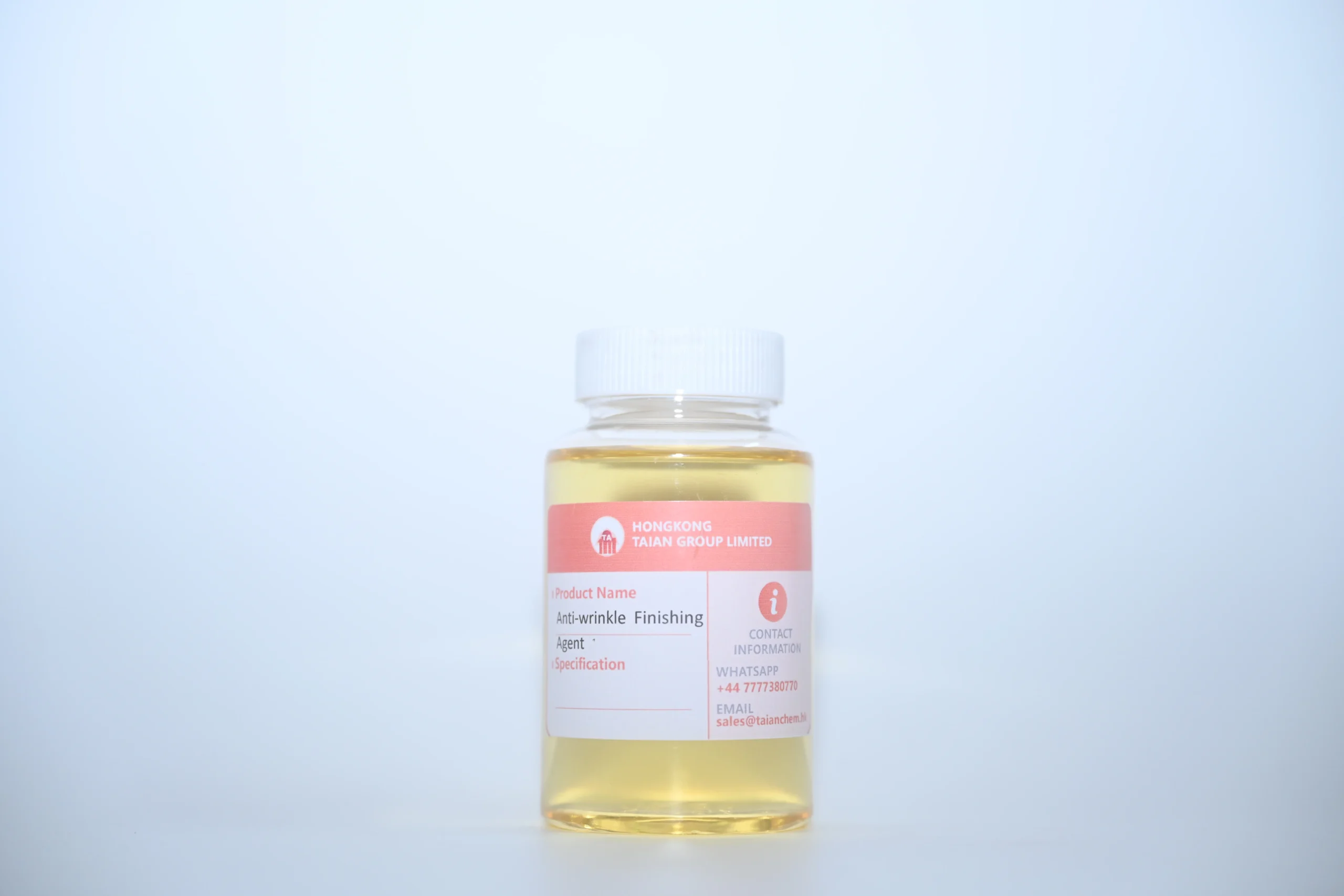
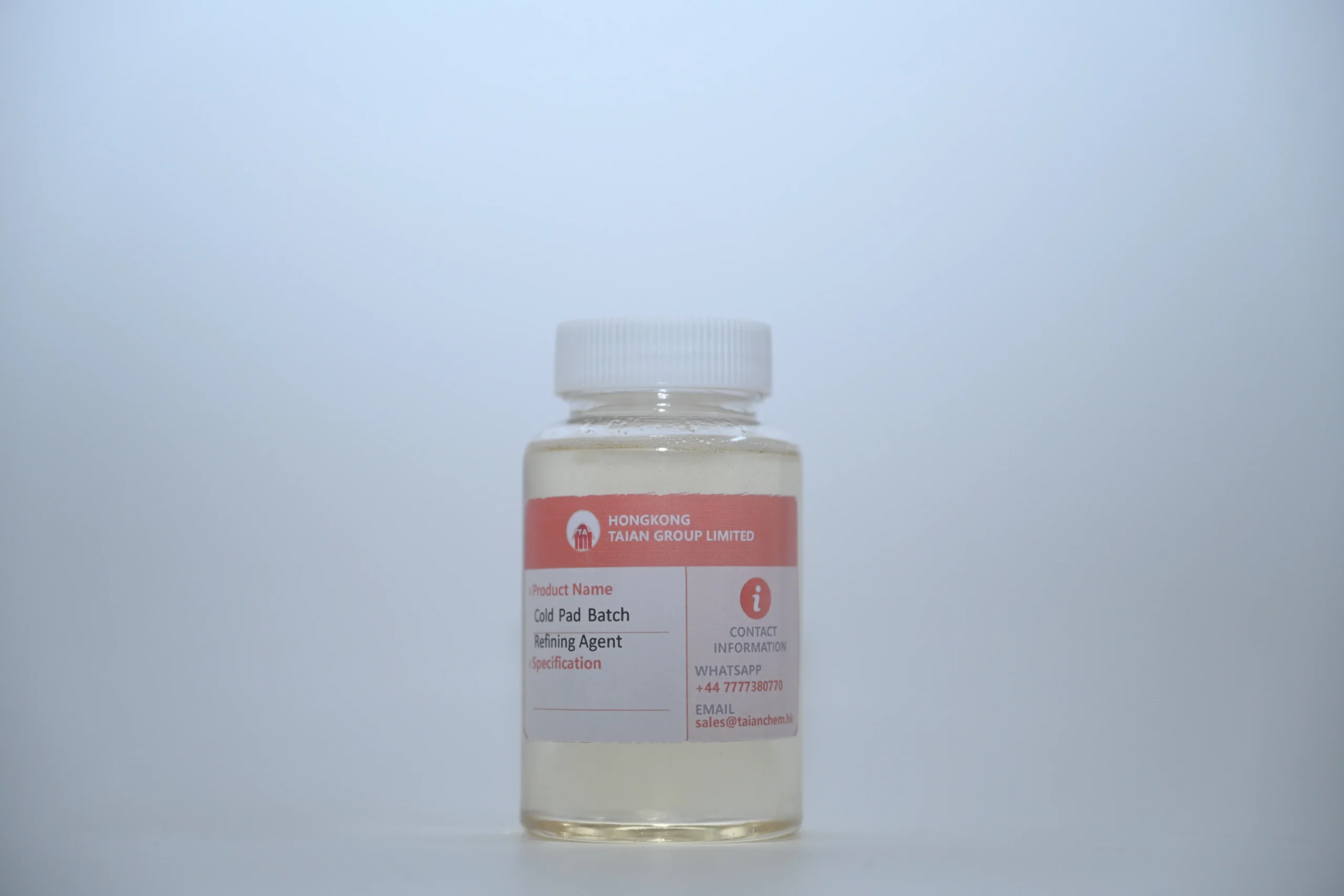
The landscape of textile specialty chemicals is broad, categorized by their function in the textile process. These can be broadly classified into pre-treatment chemicals, dyeing auxiliaries, printing chemicals, and finishing agents. Pre-treatment chemicals prepare the fabric for subsequent processes, including scouring agents to remove impurities, bleaching agents for whitening, and mercerizing agents to improve strength and dye uptake. Dyeing auxiliaries, such as leveling agents, dispersing agents, and fixing agents, ensure uniform dye application and colorfastness. Printing chemicals facilitate pattern transfer onto fabrics. Finally, finishing agents impart specific properties like wrinkle resistance, water repellency, or softness. Dyeingchem offers a comprehensive portfolio of these chemicals.
Key Highlights: Textile specialty chemicals are crucial for enhancing fabric properties, improving processing efficiency, and achieving desired aesthetic effects. They are categorized by their function in the textile process, offering solutions for every stage of manufacturing.
Key Applications of Textile Specialty Chemicals
These chemicals find application across various textile types and end-uses. In apparel, they are used to enhance comfort, durability, and aesthetics. For technical textiles, specialized chemicals impart functionalities like flame retardancy, UV protection, and antimicrobial properties. Home textiles benefit from chemicals that improve softness, wrinkle resistance, and stain repellency. The automotive industry utilizes textiles with enhanced durability and colorfastness, achieved through specific chemical treatments. Moreover, chemicals play a key role in sustainable textile production, enabling water and energy savings, and reducing environmental impact.
Application Benefits:
• Enhanced comfort and durability in apparel.
• Specialized functionalities in technical textiles (flame retardancy, UV protection).
• Improved softness and stain resistance in home textiles.
• Water and energy savings in textile production.
Textile Specialty Chemicals: Performance Comparison
Choosing the right chemical for a specific application requires careful consideration of performance characteristics. Different chemicals offer varying degrees of effectiveness in terms of colorfastness, durability, and environmental impact. For example, reactive dyes generally exhibit excellent colorfastness but require more water during the dyeing process compared to direct dyes. Silicone softeners provide superior softness but may reduce fabric breathability compared to polyethylene emulsions. The selection process should also consider cost-effectiveness and compliance with relevant industry regulations. Dyeingchem provides detailed technical data sheets to facilitate informed decision-making.
Sustainable Solutions in Textile Specialty Chemicals
The growing demand for sustainable textiles is driving innovation in chemical formulations. Manufacturers are increasingly seeking chemicals with lower environmental footprints, reduced water consumption, and improved biodegradability. Bio-based chemicals, derived from renewable resources, are gaining popularity as alternatives to traditional petrochemical-based products. Enzyme-based technologies offer environmentally friendly solutions for pre-treatment and finishing processes. Dyeingchem is committed to developing and supplying sustainable chemical solutions for the textile industry.

Product Specifications and Quality Control
Ensuring consistent quality is paramount when dealing with textile specialty chemicals. Dyeingchem implements rigorous quality control measures throughout the manufacturing process, from raw material sourcing to final product testing. Each batch undergoes thorough analysis to verify purity, concentration, and performance characteristics. Detailed product specifications are provided to customers, ensuring transparency and traceability. We adhere to international quality standards and offer comprehensive technical support to assist customers in optimizing chemical usage.
Conclusion: Partnering for Textile Innovation
Textile specialty chemicals are indispensable components of modern textile manufacturing. From enhancing fabric properties to promoting sustainability, these chemicals play a vital role in meeting evolving industry demands. Dyeingchem is dedicated to providing high-quality, innovative chemical solutions and expert technical support to our partners. We strive to be at the forefront of textile chemistry, empowering our customers to achieve excellence in their operations.
Frequently Asked Questions (FAQs)
What is the role of a leveling agent in textile dyeing?
Leveling agents are crucial for achieving uniform dye distribution on textiles. They work by controlling the rate of dye absorption, preventing uneven dyeing and ensuring consistent color throughout the fabric. These chemicals promote dye migration, allowing the dye to evenly penetrate the fibers. Without a leveling agent, you can experience issues like shade variations, streaking, or blotchy results. The correct choice of leveling agent depends on the dye type and the fiber being dyed.
How can I reduce the environmental impact of textile chemicals?
Several strategies can be employed to reduce the environmental impact of textile chemicals. Switching to bio-based chemicals derived from renewable resources is a great starting point. Optimizing chemical usage through precise dosing and efficient application techniques minimizes waste. Investing in advanced effluent treatment technologies removes harmful substances from wastewater. Furthermore, selecting chemicals with low toxicity and high biodegradability contributes to a more sustainable process. Dyeingchem offers a range of eco-friendly chemical solutions designed to minimize environmental impact.
What is the importance of pH control in textile chemical applications?
pH control is critical in many textile chemical applications as it significantly affects the chemical reactions and the effectiveness of the treatments. The pH level influences the solubility of dyes, the stability of enzymes, and the ionization of functional groups on fibers. Maintaining the optimal pH ensures proper dye uptake, efficient chemical reactions, and desired fabric properties. Deviations from the ideal pH range can lead to poor results, color variations, or even damage to the fabric.
How do I store textile specialty chemicals safely and effectively?
Proper storage is crucial for maintaining the quality and safety of textile specialty chemicals. Store chemicals in a cool, dry, well-ventilated area away from direct sunlight and heat sources. Keep containers tightly closed to prevent evaporation or contamination. Segregate incompatible chemicals to avoid hazardous reactions. Always refer to the Safety Data Sheet (SDS) for specific storage recommendations for each chemical. Ensure proper labeling and handling procedures are followed to protect personnel and the environment.