High-Efficiency Penetrants for Textile Pre-Treatment
High-Efficiency Penetrants for Textile Pre-Treatment
Efficient wetting is crucial in textile pre-treatment, ensuring fabrics are properly prepared for scouring, bleaching, mercerizing, and dyeing. Our penetrant wetting agent series includes high-efficiency, alkali-resistant, rapid-wetting, and heat-stable formulations that enhance liquid penetration and improve uniformity across all fabric types. Using penetrant wetting agent, textile mills achieve cleaner, more consistent results while reducing chemical and energy consumption.
In addition to improving liquid absorption, penetrant wetting agent helps stabilize chemical activity during high-temperature refining and ensures that fibers of varying density and composition are treated uniformly. For example, a denim mill applying penetrant wetting agent in continuous mercerizing achieved 20% faster processing and improved yarn surface smoothness, demonstrating the tangible operational benefits of high-quality wetting agents.
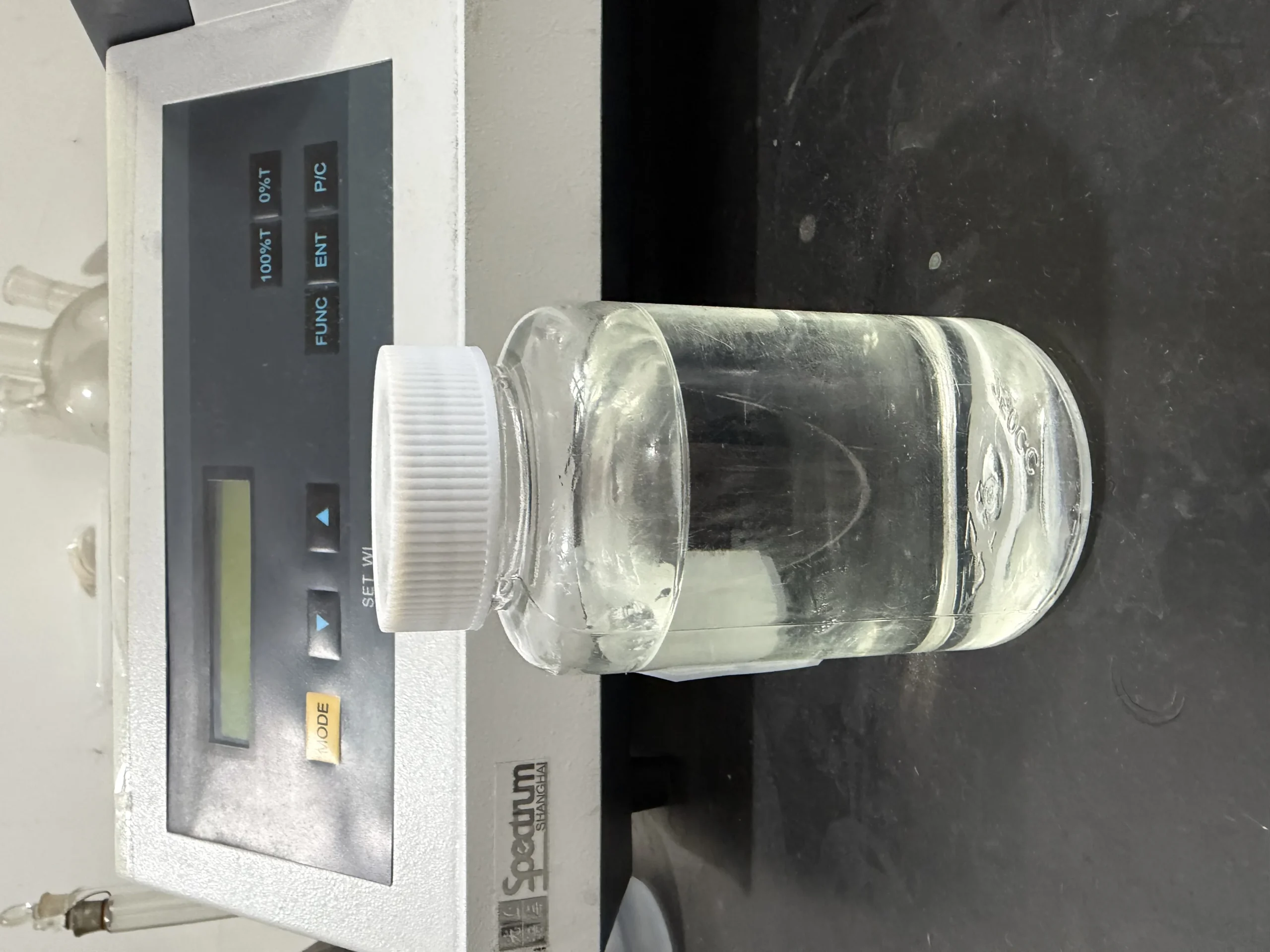
Optimizing Fabric Processing with Textile Wetting Agent
Textile wetting agent ensures that scouring, bleaching, and dyeing solutions penetrate fabrics quickly and evenly. This reduces processing time and improves chemical efficiency, which is critical in high-volume textile production. Mills incorporating textile wetting agent report fewer defects, more uniform bleaching results, and better dye uptake in subsequent processes.
Practical application of textile wetting agent in cotton and cotton-blend fabrics has shown significant energy savings. In one case, a cotton shirting factory used textile wetting agent during low-temperature scouring at 50°C and reduced steam consumption by 15%, while maintaining optimal fabric whiteness. This demonstrates how textile wetting agent supports both quality improvement and sustainable production practices.
Enhancing Dyeing Performance with Wetting Agent in Dyeing
Wetting agent in dyeing is essential for achieving uniform color and high-quality finished textiles. By promoting even wetting, wetting agent in dyeing enhances dye penetration, leading to deeper, more consistent shades. Mills using wetting agent in dyeing report improved color reproducibility across multiple production batches and reduced occurrences of patchiness or streaks.
For instance, a reactive-dyed cotton mill implementing wetting agent in dyeing during pre-wetting reduced dye wastage by 12% and achieved a 25% faster cycle time. These results highlight how wetting agent in dyeing not only improves visual quality but also increases production efficiency and reduces operational costs.
Our penetrant series is suitable for a wide variety of fabrics, including cotton, cotton blends, polyester-cotton fabrics, knits, wovens, and denim. Penetrant wetting agent ensures rapid liquid absorption, improved chemical distribution, and even treatment across all fibers.
A European mill applying textile wetting agent in both batch and continuous bleaching lines reported 18% reduction in water usage and 22% reduction in chemical consumption, demonstrating the dual benefit of enhanced fabric quality and sustainable operations. By creating a uniform substrate for dyeing and finishing, textile wetting agent helps ensure superior end-product appearance and consistency.
Using wetting agent in dyeing allows mills to achieve faster liquid penetration, reduce processing times, and improve overall washing and chemical efficiency. These agents reduce surface tension, promoting uniform treatment in jet machines, continuous ranges, or batch systems. Wetting agent in dyeing is effective across a wide pH range and high temperatures, making it suitable for demanding textile operations.
In practice, mills using penetrant wetting agent in high-temperature scouring and mercerizing lines report better chemical penetration and faster absorption of bleaching agents, leading to improved fabric whiteness and reduced reprocessing rates. This also lowers energy use and minimizes fiber degradation, resulting in higher-quality output and consistent performance across multiple production batches.
Case Study: Sustainable and High-Efficiency Pre-Treatment
A denim manufacturer in Southeast Asia integrated textile wetting agent into their continuous mercerizing and bleaching lines. Using a 0.5% dosage of textile wetting agent at 60°C, they achieved complete penetration and uniform fiber treatment. The mill recorded a 20% reduction in water consumption, a 15% reduction in chemical usage, and a 25% faster overall process time. In addition, fabric strength and surface smoothness were preserved, resulting in higher-quality denim with better dye uptake.
Another cotton knit mill applying wetting agent in dyeing in their reactive dyeing line reported deeper color shades, less streaking, and improved reproducibility. These results confirm that modern wetting agents not only improve fabric quality but also reduce energy consumption and production costs.
The demand for high-performance penetrant wetting agent continues to grow globally due to increasing textile production and stricter quality standards. Markets in Asia, Europe, and the Americas are adopting advanced wetting solutions to improve energy efficiency, reduce chemical consumption, and meet sustainability targets. Mills are increasingly looking for textile wetting agent products that provide consistent performance across diverse equipment and fabric types, which drives innovation in alkali-resistant, rapid-wetting, and heat-stable formulations.
The growth in eco-friendly textile production has also elevated interest in wetting agent in dyeing, as mills seek bio-based and biodegradable auxiliaries that reduce environmental impact without compromising quality. This trend highlights the importance of reliable wetting agents that support sustainable, high-efficiency textile pre-treatment operations worldwide.Supply Chain Advantages of Modern Wetting Agents
Partnering with reliable suppliers for penetrant wetting agent and textile wetting agent ensures uninterrupted production and consistent product quality. Bulk supply options, technical support, and customized formulations allow mills to scale operations while maintaining reproducibility.
Mills sourcing wetting agent in dyeing from experienced manufacturers benefit from expert guidance on dosage, pH adjustment, and process optimization, reducing waste and operational costs. A strong supply chain also ensures rapid delivery and availability of wetting agents for diverse global textile markets, enhancing competitiveness and reliability for textile producers.
Advanced textile wetting agent formulations are now being developed for smart fabrics, high-density textiles, and specialized blends. Innovations focus on enhancing rapid penetration, maintaining heat and alkali stability, and ensuring compatibility with enzymatic pre-treatments. Using penetrant wetting agent in combination with other auxiliaries enables mills to achieve uniform treatment, reduce process steps, and improve energy efficiency, opening new possibilities for high-value textile products.
Furthermore, the application of wetting agent in dyeing in combination with low-liquor ratio dyeing systems and sustainable chemical processes demonstrates the potential to achieve both high-quality output and resource efficiency. Early adopters of these innovations report not only improved fabric quality but also measurable reductions in water, energy, and chemical consumption.
FAQs About Textile Wetting Agents
What is the function of penetrant wetting agent in textile processing?
Penetrant wetting agent improves liquid absorption into fibers, accelerates chemical penetration, and enhances uniformity in scouring, bleaching, and mercerizing processes.
Which fabrics benefit from textile wetting agent?
Textile wetting agent is effective on cotton, cotton blends, polyester-cotton fabrics, knits, wovens, and denim, providing consistent wetting and treatment.
How does wetting agent in dyeing improve color uniformity?
Wetting agent in dyeing ensures even chemical distribution and dye penetration, resulting in deeper, more consistent color shades and reduced defects.
Can these wetting agents be used in high-temperature processes?
Yes, penetrant wetting agent and textile wetting agent are heat-resistant and suitable for high-temperature refining, scouring, bleaching, and dyeing operations.
How do wetting agents contribute to sustainability in textile mills?
Using wetting agent in dyeing and textile wetting agent reduces water and chemical usage, shortens processing time, and enhances energy efficiency, supporting environmentally sustainable production.