Optimizing the Dyeing of Polyester Fabric with Disperse Dye for Vibrant Results
Optimizing the Dyeing of Polyester Fabric with Disperse Dye for Vibrant Results
Dyeing of Polyester Fabric with Disperse Dye: A Comprehensive Guide
The dyeing of polyester fabric with disperse dyes is a crucial process in the textile industry, offering vibrant colors and excellent wash fastness. This article provides an in-depth look at the process, key considerations, troubleshooting, and the importance of selecting high-quality disperse dyes for optimal results. Understanding the intricacies of this method ensures a successful and efficient dyeing operation, delivering fabrics with the desired aesthetic and performance characteristics.
Understanding Disperse Dyes and Polyester
Disperse dyes are non-ionic dyes with low water solubility, specifically designed for dyeing hydrophobic fibers like polyester. These dyes are applied in the form of a fine dispersion, allowing them to penetrate the fiber structure during the dyeing process. Polyester's chemical structure requires a higher temperature to allow dye molecules to enter, making heat a critical factor. The dyeing process relies on solid solution formation, where the dye molecules dissolve within the polyester polymer. The effectiveness of this process relies heavily on the dye's particle size, dispersion stability, and the dyeing conditions applied. Our range of disperse dyes are formulated to ensure consistent and reliable results.
Key Factors for Successful Dyeing: Precise temperature control, adequate agitation, appropriate dye concentration, and optimal pH levels are crucial for achieving uniform and vibrant coloration.
The Dyeing Process: A Step-by-Step Guide
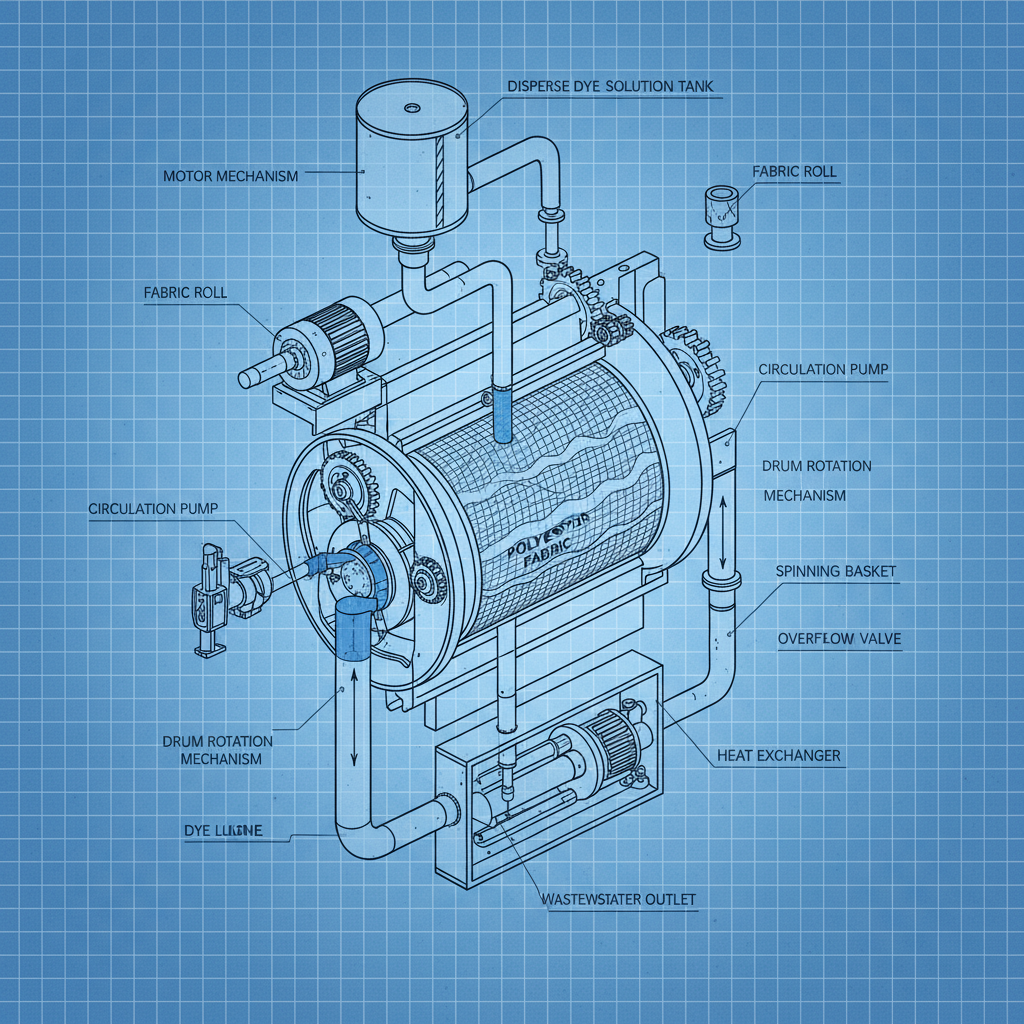
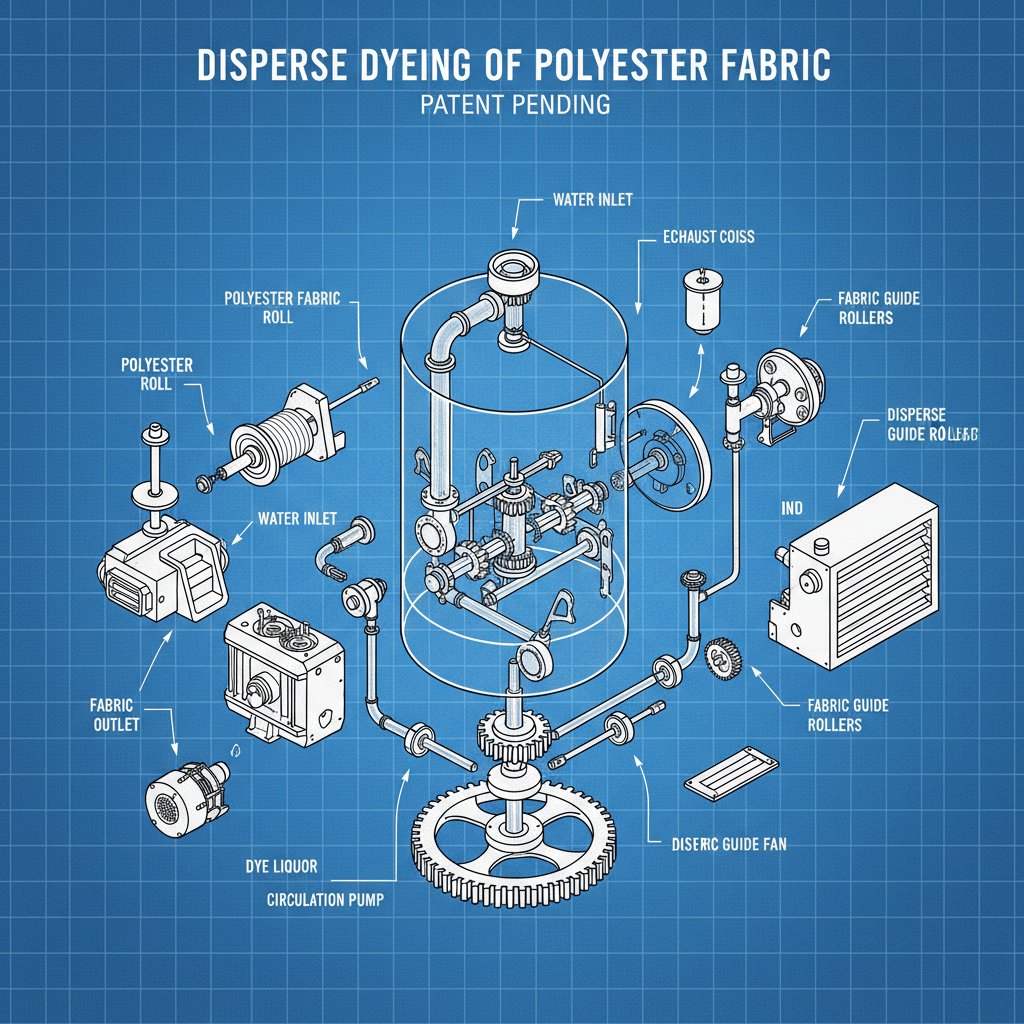
The dyeing of polyester with disperse dyes typically involves several key stages. First, the polyester fabric is prepared, often involving desizing and scouring to remove impurities. Next, the dye dispersion is prepared, ensuring uniform particle size and stability. The fabric is then immersed in the dye bath, which contains the dye dispersion, water, and auxiliary chemicals (dispersing agents, leveling agents, and pH buffers). The temperature is gradually raised to 130-140°C, and the dyeing process continues for a specified time, typically 60-90 minutes. Finally, the fabric is rinsed thoroughly to remove any residual dye and auxiliary chemicals, followed by drying.
Key Parameters Influencing Dye Uptake
Several parameters significantly impact dye uptake and color fastness. Temperature is paramount; insufficient heat hinders dye diffusion, while excessive heat can cause dye degradation. The liquor ratio (the ratio of dye bath volume to fabric weight) influences dye concentration and leveling. Agitation ensures uniform dye distribution and enhances dye penetration. The presence of dispersing agents is crucial to maintain dye particle suspension and prevent aggregation. Finally, pH control plays a role in dye solubility and fiber interaction.
Critical Dyeing Parameters:
• Temperature: 130-140°C
• Liquor Ratio: 1:10 to 1:20
• Dye Concentration: Based on desired shade and dye strength
• pH: Typically acidic (pH 5-6)
Comparing Dyeing Methods: High Temperature vs. Carrier Dyeing
Two primary methods are used for dyeing polyester with disperse dyes: high-temperature dyeing and carrier dyeing. High-temperature dyeing, as described previously, utilizes elevated temperatures to enhance dye diffusion. Carrier dyeing, on the other hand, employs organic carriers (e.g., diphenyl ether) to swell the polyester fibers, facilitating dye penetration at lower temperatures. While carrier dyeing can be beneficial for certain fabrics, it presents environmental concerns due to the potential for carrier residues. Here's a comparison:
Troubleshooting Common Dyeing Issues
Several issues can arise during polyester dyeing. Uneven dyeing can be caused by insufficient agitation, inadequate dye dispersion, or variations in fabric density. Poor color fastness might result from insufficient dyeing time, low dye concentration, or improper rinsing. Shade variations can be addressed by carefully controlling dyeing parameters and ensuring accurate dye formulation. We provide technical support to help you resolve such issues effectively.
Conclusion: Achieving Optimal Results in Polyester Dyeing
Mastering the Art of Polyester Dyeing
Successful dyeing of polyester fabric with disperse dyes requires a thorough understanding of the process, meticulous control of dyeing parameters, and the use of high-quality disperse dyes. By implementing best practices and addressing potential issues proactively, you can achieve consistent, vibrant, and fast-colored polyester fabrics.
Frequently Asked Questions (FAQs)
What type of water is best suited for dyeing polyester with disperse dyes?
Demineralized water is highly recommended for dyeing polyester with disperse dyes. The presence of minerals in hard water can interfere with dye uptake and cause shade variations. Demineralized water ensures consistent dyeing results by providing a pure and stable medium. It also prevents the formation of insoluble salts that can deposit on the fabric, affecting its final appearance and feel. Using demineralized water is a crucial step in achieving optimal dyeing performance and maintaining fabric quality.
How do I prevent dye migration during the drying process?
Dye migration, where the dye moves from the dyed fabric to other areas or fabrics, can be prevented by ensuring thorough rinsing after dyeing. Residual dye in the fabric can migrate during drying, especially at higher temperatures. Using a suitable leveling agent during dyeing can also help reduce migration. Additionally, controlling the drying temperature and avoiding over-drying can minimize the risk. Employing a proper finishing treatment can also fix the dye and prevent its movement.
What is the role of dispersing agents in disperse dye dyeing?
Dispersing agents are crucial for maintaining the stability of disperse dye suspensions in the dye bath. Disperse dyes have very low water solubility, and these agents prevent the dye particles from aggregating and settling. By keeping the dye particles finely dispersed, they ensure uniform dye distribution and penetration into the polyester fibers. This leads to even dyeing and maximizes dye uptake, resulting in vibrant and consistent coloration. Choosing the right dispersing agent is vital for optimal dyeing results.
How often should I calibrate my dyeing machinery?
Regular calibration of dyeing machinery is essential for maintaining consistent and accurate dyeing results. Temperature controllers, pH meters, and timers should be calibrated at least every six months, or more frequently if the machinery is used extensively. Calibration ensures that the dyeing process is carried out under the correct conditions, preventing shade variations and ensuring consistent quality. Maintaining accurate calibration is a proactive step towards optimizing dyeing performance and reducing waste.