Restore Your Car’s Interior with Steering Wheel Black Leather Dye
Restore Your Car’s Interior with Steering Wheel Black Leather Dye
Restoring Leather's Richness: A Guide to Steering Wheel Black Leather Dye
A faded or worn steering wheel can detract from your vehicle’s interior. Fortunately, revitalizing your leather steering wheel is often simpler – and more affordable – than replacement. Using a high-quality steering wheel black leather dye is a fantastic way to restore its color and protect the leather. This article delves into the process, benefits, and considerations for successfully dyeing your steering wheel leather. Whether you're a DIY enthusiast or simply looking to improve your car's aesthetic, this guide will provide you with the knowledge you need to achieve professional results.
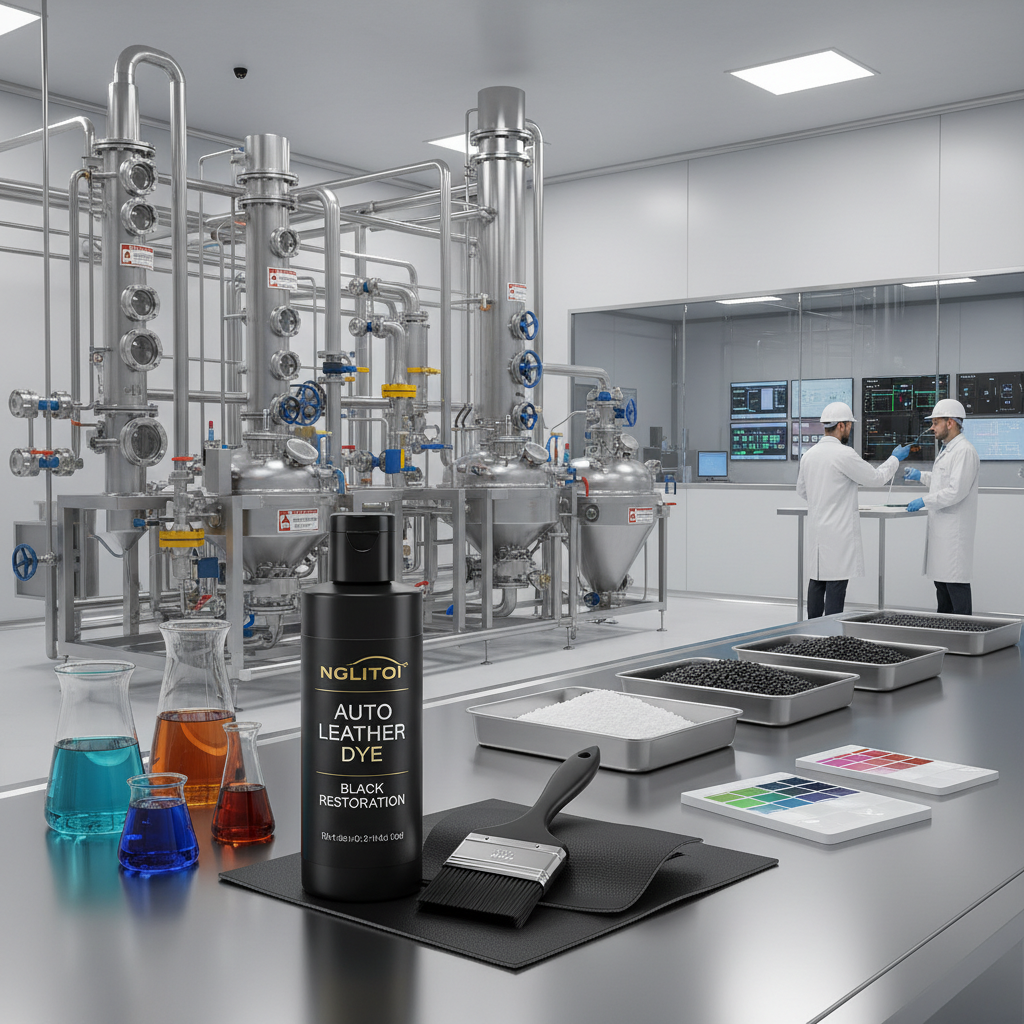
Why Choose to Dye Your Leather Steering Wheel?
Dyeing your steering wheel offers several advantages over other restoration methods. Firstly, it’s a cost-effective solution compared to replacing the entire steering wheel or having it reupholstered. Secondly, it restores the original color and hides wear and tear, making your vehicle's interior look newer. Furthermore, high-quality leather dyes penetrate the leather, providing a durable and long-lasting finish. It also provides a protective layer against future UV damage and staining. Choosing the right black leather dye is crucial for achieving a professional and lasting result.
Key Benefits: Cost-effective, restores color, hides wear, durable finish, UV protection.
Choosing the Right Steering Wheel Black Leather Dye
Selecting the appropriate dye is paramount. Avoid using shoe polish or other non-specialized products, as these can damage the leather and result in an uneven finish. Look for dyes specifically formulated for leather and those that offer good penetration and flexibility. Consider the type of leather – different leather types (aniline, semi-aniline, pigmented) may require different dyes. Dyeingchem’s leather dyes are formulated to provide excellent color fastness, durability, and a smooth, even finish. They also offer a range of black shades to perfectly match your desired look.
Dye Selection Criteria:
• Specifically formulated for leather
• Good penetration and flexibility
• Compatible with your leather type
• Durable and colorfast
Steering Wheel Black Leather Dye: A Comparison of Dye Types
Different leather dyes offer varying degrees of penetration, durability, and ease of application. Here's a comparison of some common types:
The Dyeing Process: Step-by-Step Guide
Before you begin, gather your supplies: leather cleaner, deglazer, steering wheel black leather dye, applicators (sponges, brushes), masking tape, and leather conditioner. First, thoroughly clean the steering wheel with a leather cleaner. Next, apply a leather deglazer to remove any existing finishes. Apply the dye in thin, even coats, allowing each coat to dry completely before applying the next. Finally, apply a leather conditioner to restore moisture and protect the dyed leather.

Maintaining Your Dyed Steering Wheel
To keep your steering wheel looking its best, regular maintenance is key. Avoid harsh chemicals and abrasive cleaners. Clean the steering wheel regularly with a mild leather cleaner and apply a leather conditioner every few months to prevent drying and cracking. Protect the steering wheel from prolonged sun exposure, which can fade the dye over time. With proper care, your beautifully dyed steering wheel will continue to enhance your driving experience for years to come.
Conclusion: Revitalize Your Interior with Confidence
Dyeing your steering wheel is a rewarding DIY project that can dramatically improve the look and feel of your vehicle’s interior. By choosing the right leather dye and following the steps outlined in this guide, you can achieve professional results and enjoy a revitalized steering wheel for years to come. Don't hesitate to invest in quality products and take the time to do the job right – your car (and your hands!) will thank you.
Frequently Asked Questions (FAQs)
How long does the dyeing process take?
The entire process, from cleaning to conditioning, can take anywhere from 4 to 8 hours, primarily due to the drying time required between coats of dye. It’s best to allocate a full day to complete the job properly. Rushing the drying process can result in an uneven finish or cracking of the dye. Ensure good ventilation during the process. Consider doing it over a weekend when you don’t need the vehicle immediately.
Will the dye rub off on my hands?
If the dye has been applied correctly and allowed to fully cure, it should not rub off on your hands. However, for the first few days after dyeing, it’s best to avoid excessive handling of the steering wheel. A final coat of leather conditioner helps to seal the dye and prevent any transfer. If you experience any dye transfer, it’s likely that the dye wasn't fully cured or that too much dye was applied.
Can I dye a steering wheel with existing damage like cracks or tears?
While dyeing can improve the appearance of minor scuffs and fading, it won’t repair significant damage like deep cracks or tears. These areas may still be visible after dyeing. For substantial damage, consider professional leather repair before dyeing. Dyeing alone might highlight the existing imperfections rather than concealing them. Applying a leather filler designed for repairs is recommended prior to dyeing.
What safety precautions should I take when dyeing leather?
Always work in a well-ventilated area and wear gloves and a mask to protect your skin and lungs from the dye fumes. Avoid getting dye on any surfaces other than the steering wheel, as it can be difficult to remove. If dye does get on other surfaces, clean it up immediately with a suitable solvent. Follow the safety instructions provided on the dye packaging.