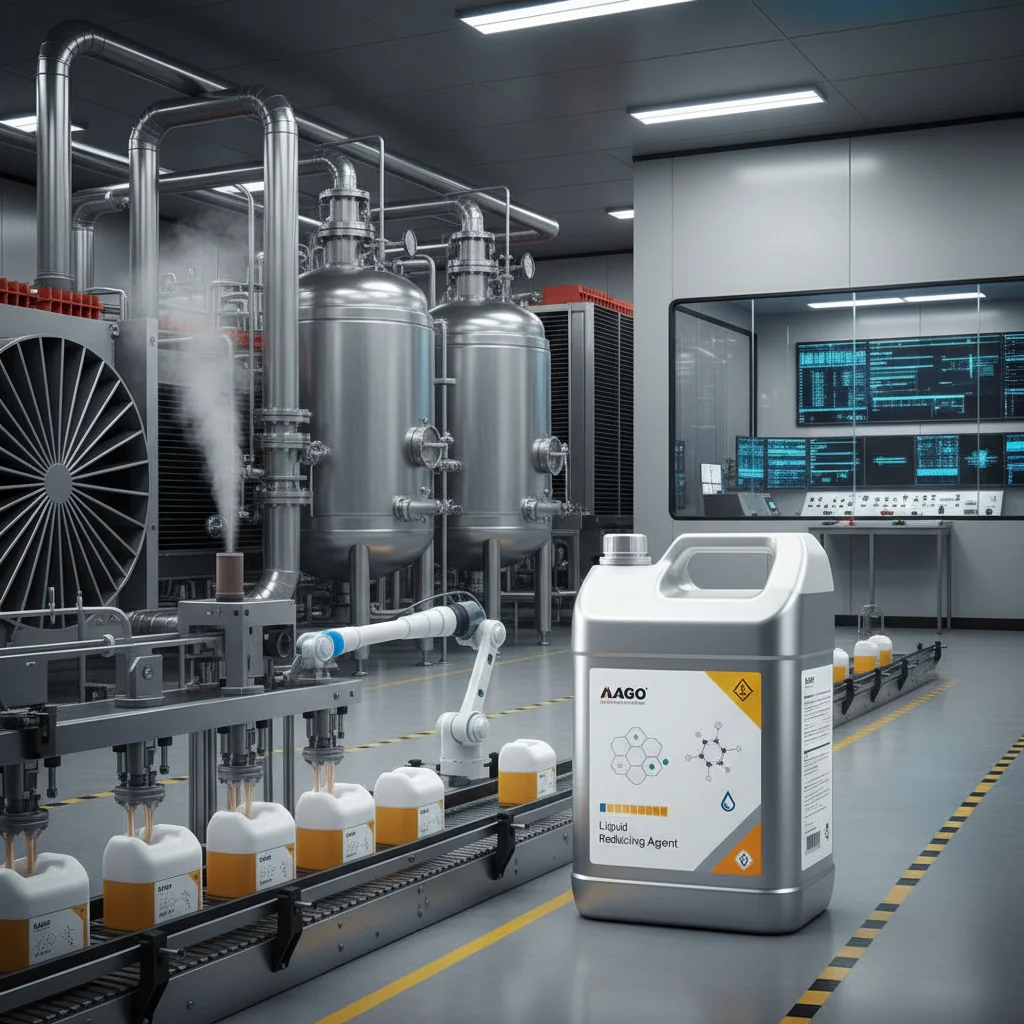
Revolutionizing Cleaning The Extensive Use of Enzymes in Detergent Industry
Revolutionizing Cleaning The Extensive Use of Enzymes in Detergent Industry
Use of Enzymes in Detergent Industry
The detergent industry has undergone a significant transformation with the integration of enzymes. These biological catalysts are revolutionizing cleaning processes, offering enhanced performance, reduced environmental impact, and cost-effectiveness. Enzymes work by breaking down stubborn stains into smaller, water-soluble molecules, leading to superior cleaning results. Dyeingchem is a leading supplier of high-quality enzymes for the detergent industry, catering to diverse formulation needs. The application of enzymes in detergents is not merely a trend; it's a crucial step towards sustainable and efficient cleaning solutions.
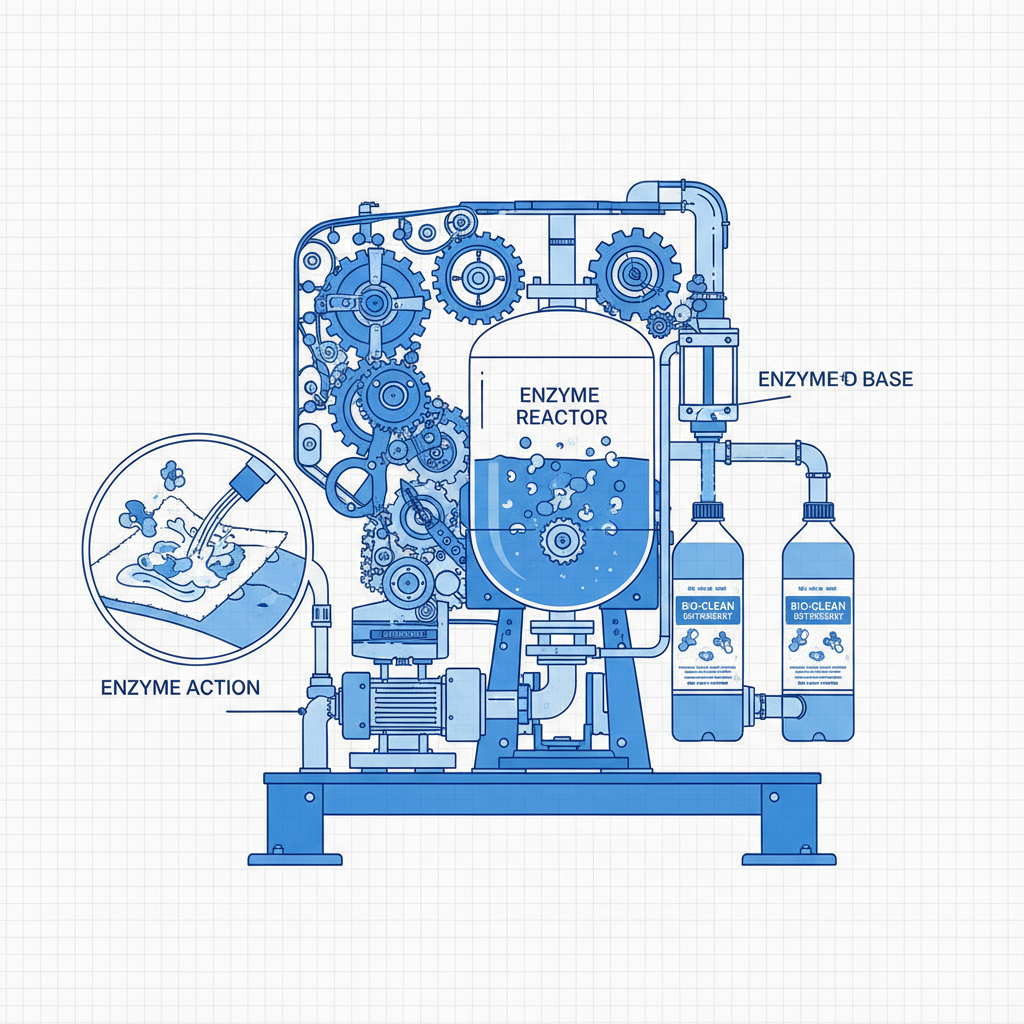
The Core Benefits of Using Enzymes in Detergents
Enzymes offer a range of advantages over traditional detergent ingredients. They are highly specific, targeting particular types of stains without damaging fabrics. This targeted action ensures effective cleaning while preserving the integrity of textiles. Furthermore, enzymes are biodegradable, reducing the environmental burden associated with detergent waste. They are effective at lower temperatures, conserving energy during washing cycles and extending the life of garments. Our enzymes are formulated to deliver optimal performance in a wide array of detergent formulations.
Key Advantages: Highly specific stain removal, Biodegradable and environmentally friendly, Effective at lower temperatures, Fabric protection.
Types of Enzymes Commonly Used in Detergents
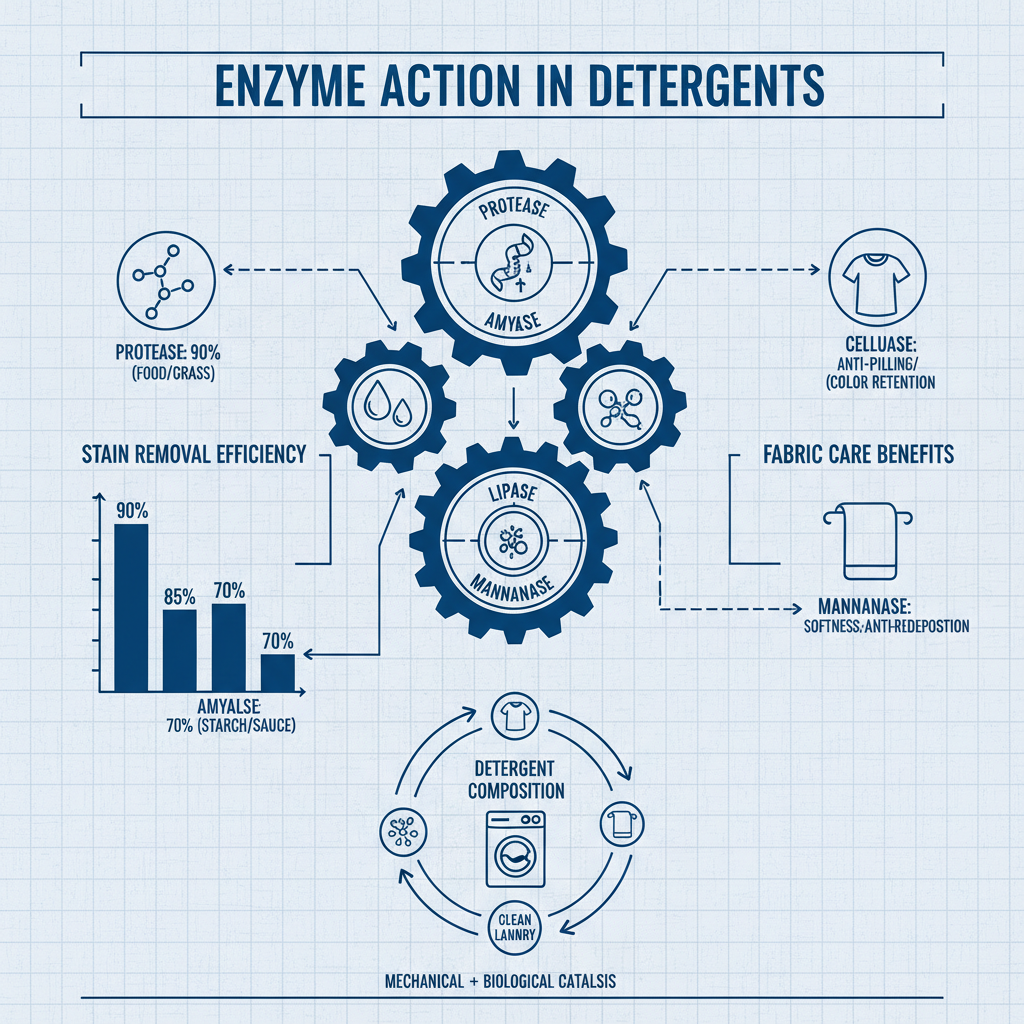
Several types of enzymes find application in detergent formulations, each targeting specific stains. Proteases break down protein-based stains like blood and grass, amylases tackle starch-based stains from food and sauces, lipases dissolve fats and oils, and cellulases improve fabric softness and remove pills. The combination of these enzymes provides a comprehensive cleaning solution. Dyeingchem offers a complete portfolio of these enzymes, meticulously developed for superior performance.
Enzyme Breakdown:
• Proteases: Protein-based stains
• Amylases: Starch-based stains
• Lipases: Fats and oils
• Cellulases: Fabric softening & pill removal
Enzymes vs. Traditional Cleaning Agents: A Comparative Analysis
Compared to traditional cleaning agents like phosphates and surfactants, enzymes offer a more sustainable and environmentally friendly alternative. Phosphates contribute to water pollution, while some surfactants can be harsh on fabrics and skin. Enzymes, being biodegradable and highly specific, minimize these negative impacts. Furthermore, enzymes often deliver superior cleaning performance, particularly on complex stains. Our team can help you select the right enzymes for your specific application.
Future Trends and Innovations in Enzyme Technology for Detergents
The future of detergent enzymes lies in continuous innovation. Research is focused on developing more stable and efficient enzymes that can perform under a wider range of conditions. Genetic engineering and protein engineering are being utilized to create enzymes with enhanced activity and specificity. There is also a growing interest in exploring novel enzymes derived from extremophiles – organisms that thrive in harsh environments – to tackle particularly challenging stains. Dyeingchem is actively involved in these advancements, bringing cutting-edge enzyme solutions to the market.
Conclusion: Embracing Enzymes for a Sustainable Future in Detergency
Embrace Enzymes for Superior Cleaning and Sustainability
The integration of enzymes into detergent formulations represents a pivotal step toward a more sustainable and effective cleaning industry. With their biodegradability, specificity, and performance advantages, enzymes offer a compelling alternative to traditional cleaning agents. Dyeingchem is dedicated to providing innovative enzyme solutions to meet the evolving needs of the detergent market. By embracing enzyme technology, we can collectively create a cleaner, healthier, and more sustainable future.
Frequently Asked Questions (FAQs)
What factors affect the stability of enzymes in detergents?
Several factors can influence enzyme stability, including temperature, pH, the presence of metal ions, and the concentration of other detergent ingredients. Enzymes have optimal pH and temperature ranges, and deviations from these can lead to denaturation and loss of activity. Formulation adjustments, such as the addition of stabilizers and buffering agents, can help to protect enzymes from degradation. Proper storage conditions are also crucial. At Dyeingchem we take all these factors into consideration.
Are enzymes safe for all types of fabrics?
Generally, enzymes are safe for most commonly used fabrics like cotton, polyester, and nylon. However, some delicate fabrics, such as silk and wool, may be susceptible to damage from certain enzymes, particularly proteases. Always check the garment care label before using enzyme-containing detergents. Using detergents specifically formulated for delicate fabrics is recommended. We offer enzyme blends that are tailored for various fabric types.
How does enzyme concentration affect detergent performance?
Enzyme concentration directly impacts detergent performance. Higher concentrations generally lead to more effective stain removal, especially for heavily soiled items. However, there is an optimal concentration beyond which further increases provide diminishing returns. Finding the right balance is crucial for maximizing cleaning power while minimizing cost. Our team can assist you in determining the ideal enzyme dosage for your specific formulations.
What is the environmental impact of producing enzymes for detergents?
The production of enzymes is relatively environmentally friendly compared to the manufacturing of many traditional chemical ingredients. Enzymes are produced through fermentation processes using renewable resources. While energy and water are required, the overall environmental footprint is significantly lower. Continuous advancements in fermentation technology are further reducing the environmental impact of enzyme production.