Sulfur Black: The Durable Choice for Deep, Rich Color
Sulfur Black: The Durable Choice for Deep, Rich Color
In the world of textile dyes, achieving a deep, durable, and cost-effective black is essential. That's where sulfur black stands out. Today, we're explaining the process, benefits, and key types of sulfur dyes, focusing on the dyeing of cotton with sulphur dyes and the popular sulfur black 1 to help you understand this vital class of textile colorants.
The Workhorse Dye: Understanding sulfur black
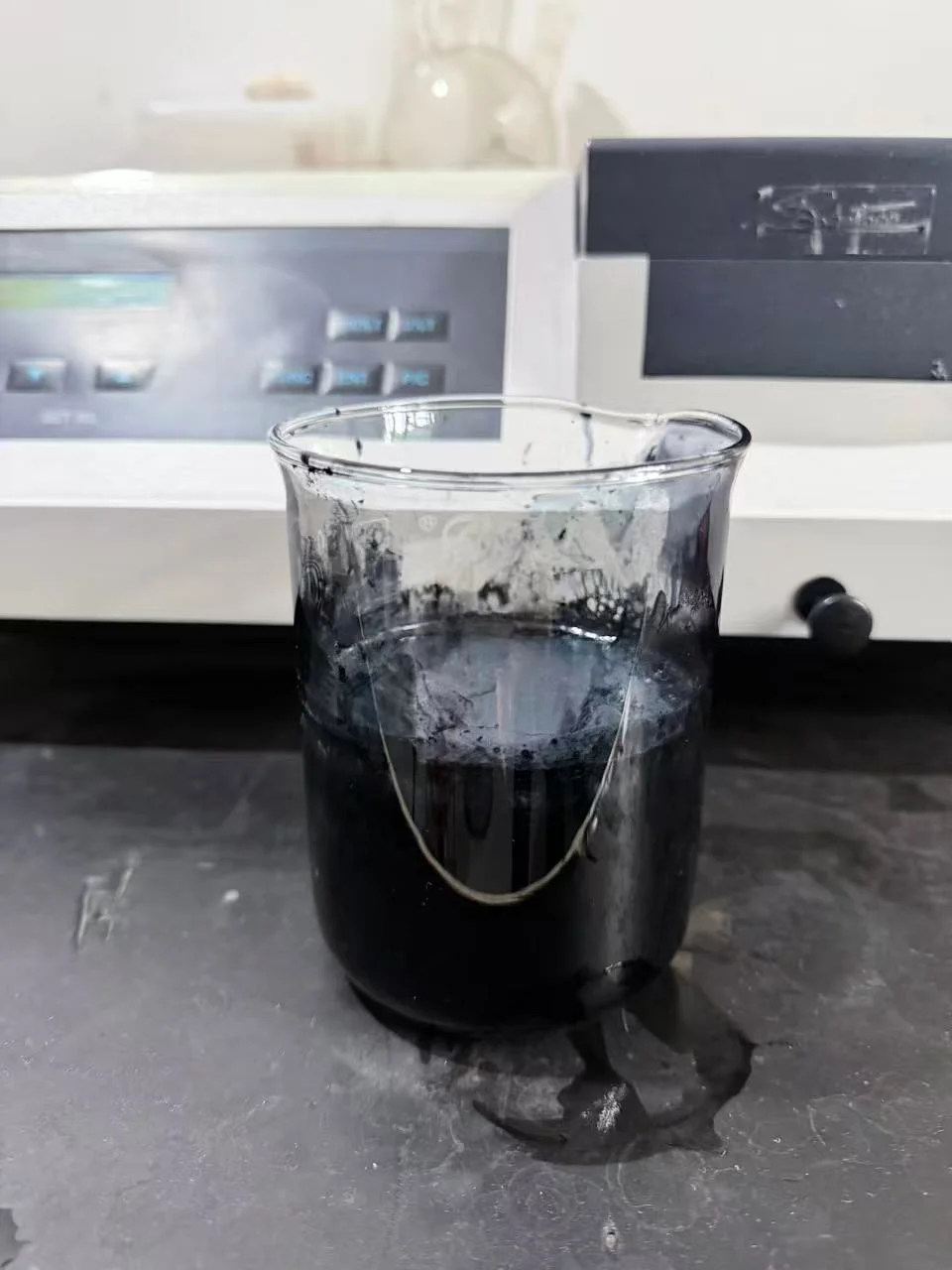
sulfur black is a class of synthetic dyes primarily used to color cellulosic fibers like cotton, rayon, and hemp. It is the most important member of the sulfur dye family and is renowned for producing deep, economical black shades with very good to excellent wash and light fastness. The term sulfur black itself can refer to the general category or to specific commercial products. The dye is not soluble in water in its oxidized form. Instead, it is applied to fabric through a unique vat dyeing process involving chemical reduction and oxidation. This process makes the color an integral part of the fiber, resulting in exceptional durability. sulfur black is prized in the industry for its cost-effectiveness, producing rich, intense blacks at a lower cost than many other dye classes. It is a staple for denim, workwear, uniforms, and other textiles where a deep, lasting black is required without a high price tag. Understanding the fundamentals of sulfur black is key to utilizing its strengths in textile manufacturing.
Inside the Process: The dyeing of cotton with sulphur dyes
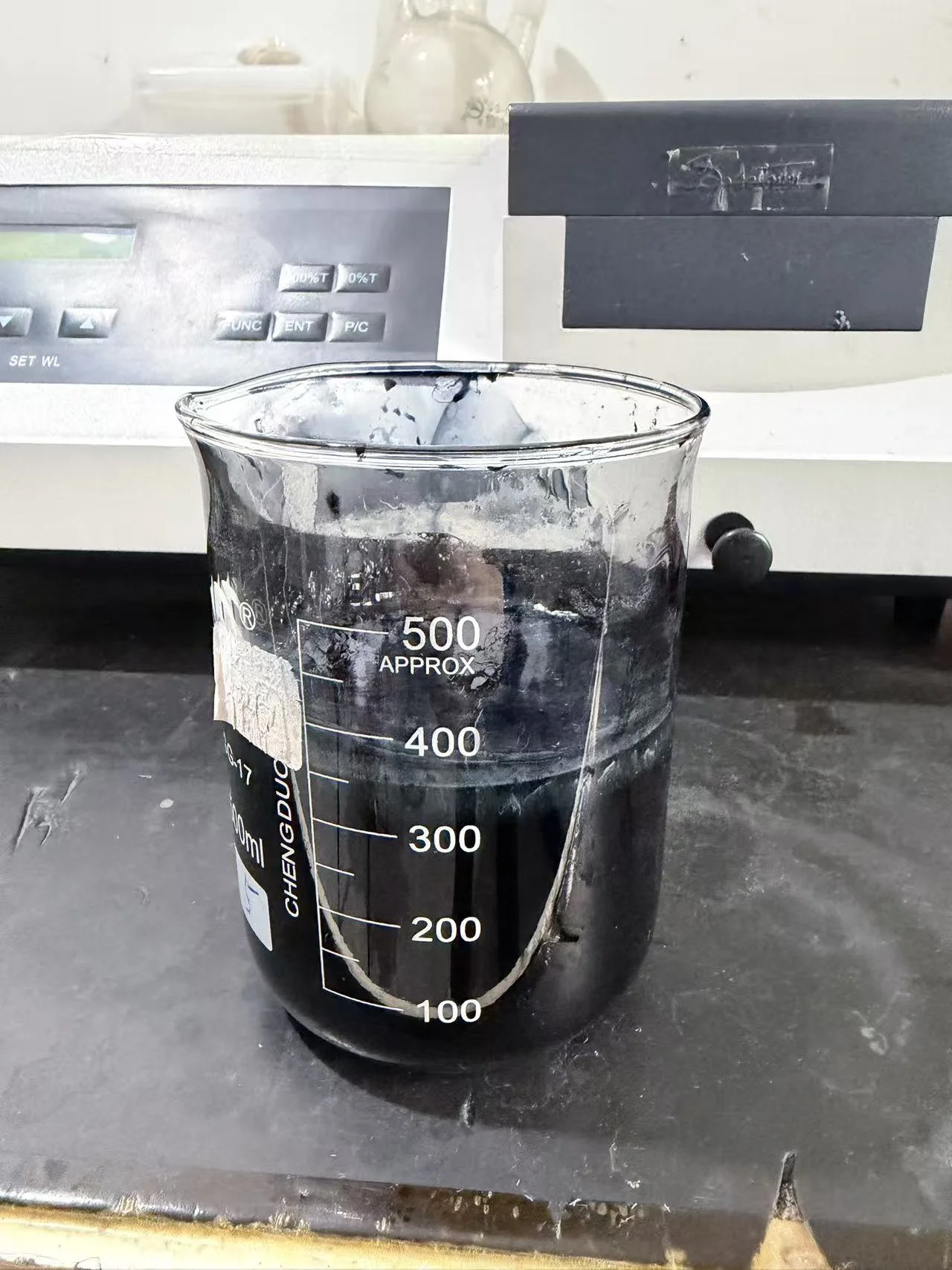
The dyeing of cotton with sulphur dyes is a specialized chemical process. It doesn't simply coat the fiber; it builds the color inside it. The process, known as vat dyeing, has four main stages. First, Reduction: The insoluble sulfur black dye powder is reduced in a bath with a reducing agent (like sodium sulfide) and an alkali (like sodium hydroxide). This chemical reaction converts the dye into its "leuco" form, which is water-soluble and has an affinity for cotton. Second, Absorption: The cotton fabric is immersed in this reduced dye bath. The soluble leuco compound is absorbed by the cotton fibers. Third, Oxidation: After dyeing, the fabric is exposed to air or treated with an oxidizing agent (like hydrogen peroxide or sodium bromate). This re-oxidizes the leuco compound back to its original insoluble form, trapping the pigment molecules insidethe cotton fibers. Finally, Soaping & Finishing: The fabric is thoroughly washed and soaped to remove any unfixed surface dye, which improves rub fastness and reveals the final, true shade. The dyeing of cotton with sulphur dyes is valued because this locked-in pigment provides superior wash fastness. However, it requires careful control of chemical concentrations, temperature, and time to ensure level, consistent dyeing and to minimize fabric tendering (weakening).
The Classic Formula: A Focus on sulfur black 1
Among the various sulfur blacks, sulfur black 1 (Colour Index number: 53185) is arguably the most important and widely used individual dye. It is the standard, classic sulfur black dye. When people refer to a basic, high-quality sulfur black, they are often talking about sulfur black 1. Its popularity stems from its excellent all-around properties: it delivers a very deep, neutral black shade with outstanding build-up (the ability to achieve deep shades even at low concentrations) and good fastness properties. sulfur black 1 is the benchmark against which other sulfur blacks are often compared. Dyers appreciate its reliability and consistent performance in the classic dyeing of cotton with sulphur dyes process. While it provides excellent fastness to washing and light, a known characteristic of sulfur black 1 and similar dyes is the potential for "tendering." If not thoroughly rinsed and anti-chlor treated, residual chemicals can, over time and in the presence of moisture, slowly form sulfuric acid, weakening the cotton fibers. Proper oxidation and washing cycles are therefore critical when using sulfur black 1. Its central role in producing affordable, durable black cotton textiles makes it a fundamental product in any textile dyehouse's inventory.
The Broader Category: Applications of sulphur dyes in Textiles
sulfur black is the star, but the family of sulphur dyes in the textile industry is broader. sulphur dyes in general are used to produce a range of colors, including blues, browns, greens, and yellows, though black and dark shades dominate. The application of sulphur dyes in dyeing follows the same reduction-oxidation principle. Their use extends beyond just cotton; they are also effective on other cellulose fibers and their blends. The key advantages of using sulphur dyes in manufacturing are Cost: They are among the most economical dyes for cellulose. Fastness: They offer very good wash fastness and good light fastness, especially for dark shades. Simplicity: The dyeing process, while chemical, is well-established and manageable for bulk production. You'll find sulphur dyes in a vast array of everyday products: denim jeans (especially for deep indigo and black finishes), canvas goods, corduroy, work uniforms, household textiles, and accessories. Their versatility and performance make sulphur dyes in textile production an indispensable tool for creating affordable, long-lasting colored fabrics for the mass market.
Sourcing consistent, high-quality dyes is critical for predictable results in textile manufacturing. We specialize in providing premium dye products for the industry, with a deep focus on sulfur dyes. Our product range includes top-grade sulfur black and specifically sulfur black 1, engineered for reliability and performance in the dyeing of cotton with sulphur dyes. We understand the chemistry and the practical demands of the dye house. Our dyes are formulated for optimal reduction, absorption, and oxidation, ensuring you achieve the deep, rich blacks and dark shades demanded by the market with excellent fastness properties. We support our products with technical data and application guidance to help optimize your dyeing process, manage chemical usage, and achieve the best possible results on your cotton fabrics. Whether you are dyeing denim, twill, or canvas, our sulfur black products provide the cost-effective, durable coloration that keeps production efficient and quality high.
Ready to source the reliable, high-performance dyes your production line needs? Don't compromise on color depth, fastness, or cost. Our sulfur black dyes, including the industry-standard sulfur black 1, are formulated for excellence in the dyeing of cotton with sulphur dyes. Visit our website to explore our full range of sulfur dyes and textile chemicals. Download technical data sheets, safety information, and application notes for our sulfur black products. Contact our technical sales team for a customized quote, to request samples for testing in your facility, or to consult on optimizing your dyeing process for better yield and fastness. Choose a partner that understands color at a chemical level. Ensure your black fabrics are truly black, wash after wash. Click to connect with us and discover how our sulfur black dyes can enhance your product quality and efficiency.
Sulfur Black FAQs
What are the main advantages of using sulfur black dye?
The main advantages are cost-effectiveness (it is one of the cheapest ways to dye cotton black), excellent wash fastness (the color locks inside the fiber), and good build-up (achieving very deep shades). It produces a rich, dense black that is ideal for workwear, denim, and other durable textiles.
What is "tendering" in the dyeing of cotton with sulphur dyes?
Tendering is the potential weakening or degradation of cotton fibers after dyeing with sulfur dyes. It can happen if residual reducing agents or sulfur compounds are not completely removed and oxidized after dyeing. Over time, especially in humid conditions, these residues can form acids that attack the cellulose. Proper rinsing, oxidation, and anti-chlor treatments are essential to prevent tendering.
Is sulfur black 1 suitable for all types of cotton fabric?
sulfur black 1 is suitable for most cotton fabrics, especially those where a deep, durable black is needed, like twills, denims, and canvases. However, on very fine or delicate cotton fabrics, the dyeing process (alkaline, high-temperature) and potential for tendering require extra careful control. Always conduct a pretest on new fabric types.
Can sulfur dyes be used on polyester or wool?
No, sulfur dyes are specifically designed for cellulosic fibers like cotton, rayon, and hemp. They have little to no affinity for synthetic fibers like polyester or protein fibers like wool. For blends (e.g., cotton/polyester), sulfur dyes will only color the cotton portion, often requiring a second dye class for the polyester.
How do I ensure consistent results when using sulfur black?
Consistency relies on precise process control: use standardized, high-quality dye batches; accurately measure and maintain concentrations of reducing agents and alkali; control dyeing temperature and time precisely; and ensure complete and consistent oxidation and washing steps. Partnering with a reliable dye supplier who provides consistent product and technical support is the first step.