Textile Dyeing Chemicals – Expert Insights and Product Guide
Textile Dyeing Chemicals – Expert Insights and Product Guide
Textile Dyeing Chemicals: Essential Insights from an Industry Veteran
Having spent well over a decade working hands-on in the textile industry, I’ve seen firsthand how crucial textile dyeing chemicals are to achieving vibrant, lasting colors on fabrics. Oddly enough, while many focus solely on machines or fabric types, the chemical formulations often make or break a dyeing process’s success. Let me walk you through some of the nitty-gritty—no jargon, just the kind of understanding you get when you’ve been scratching your head over stubborn color fastness or batch variations in a dye house.
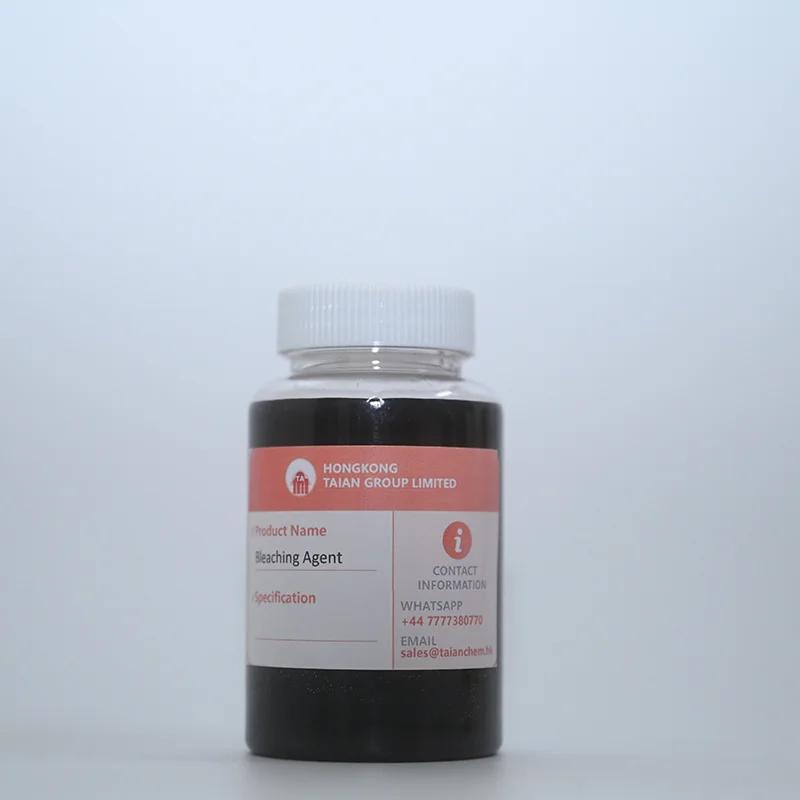
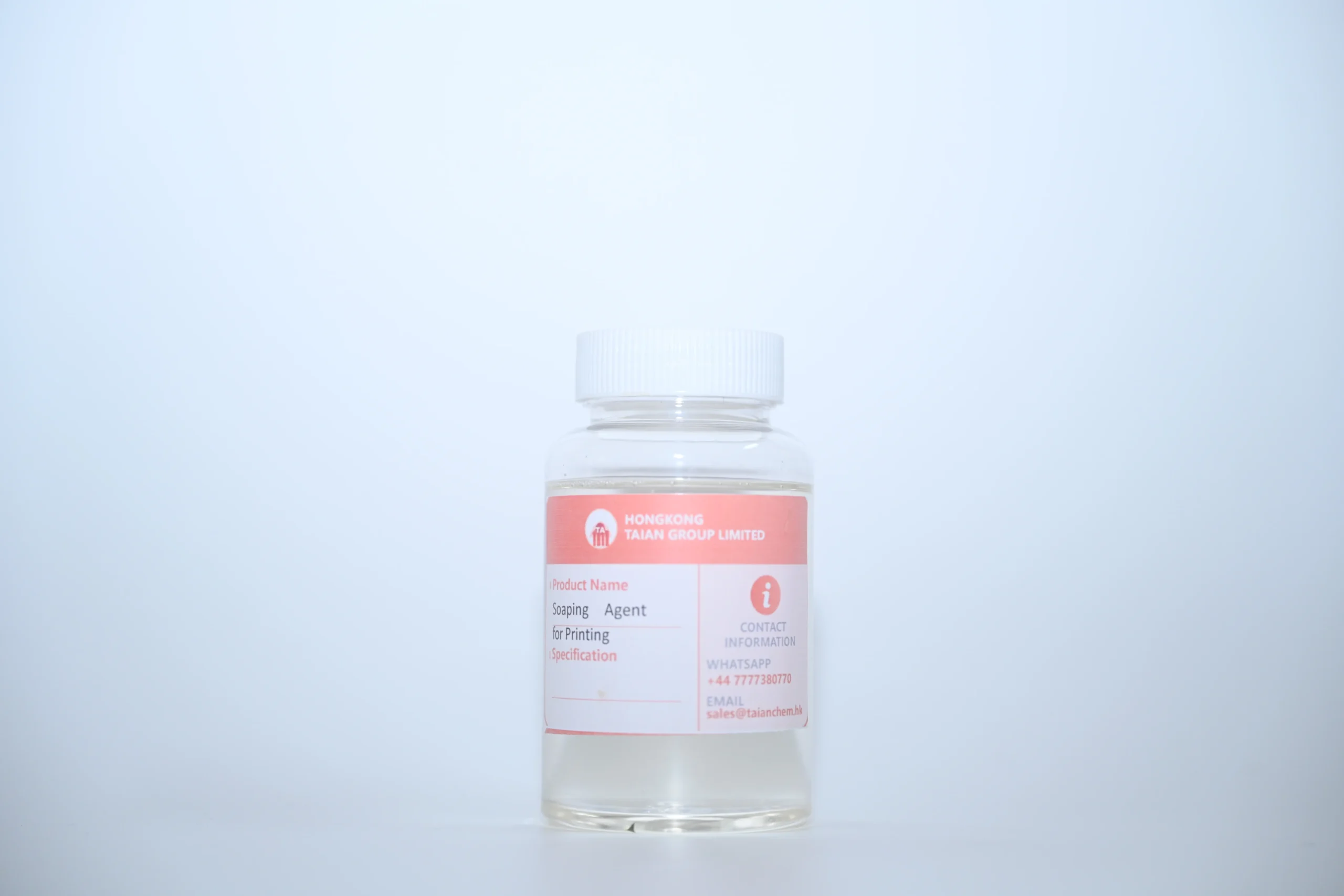
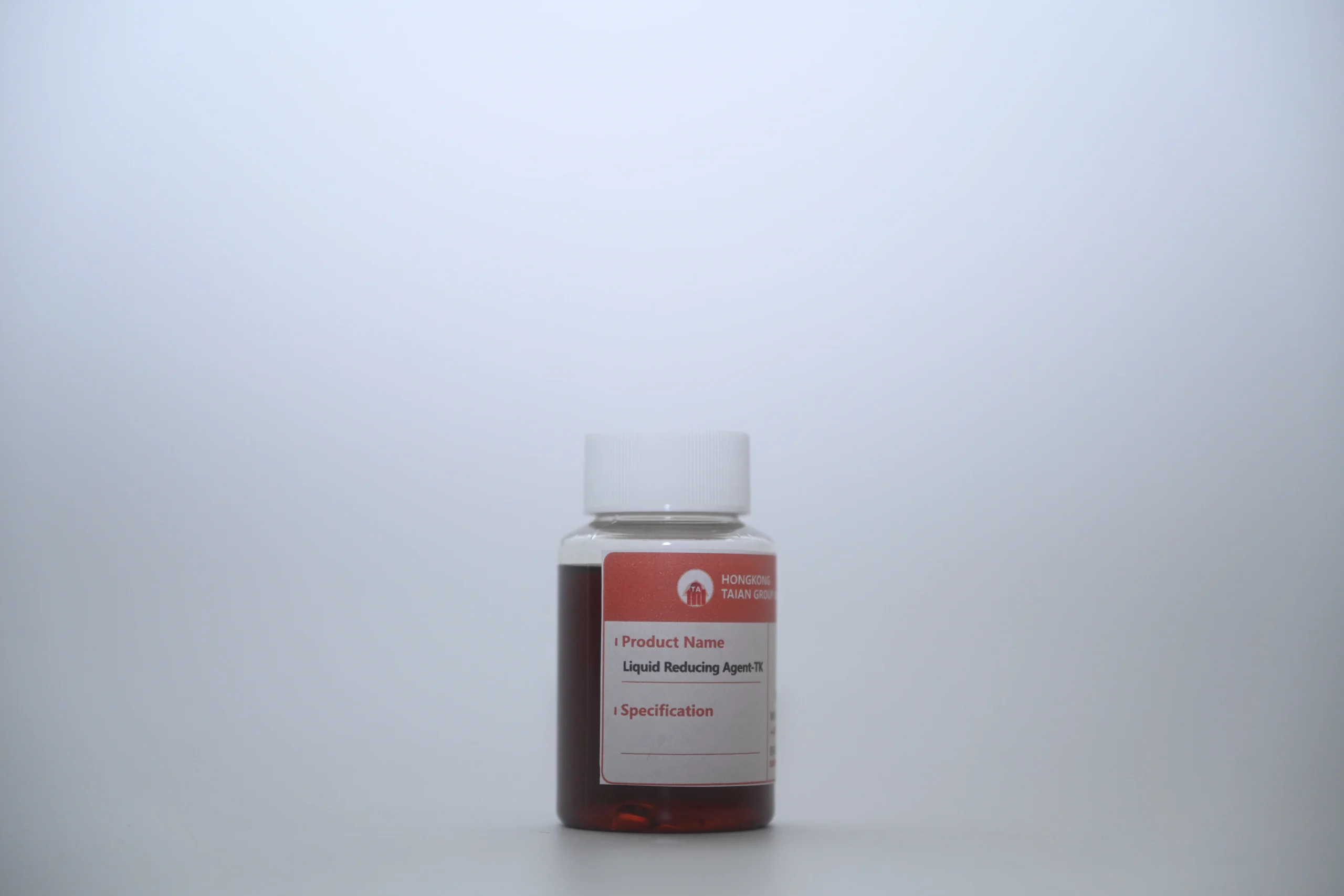
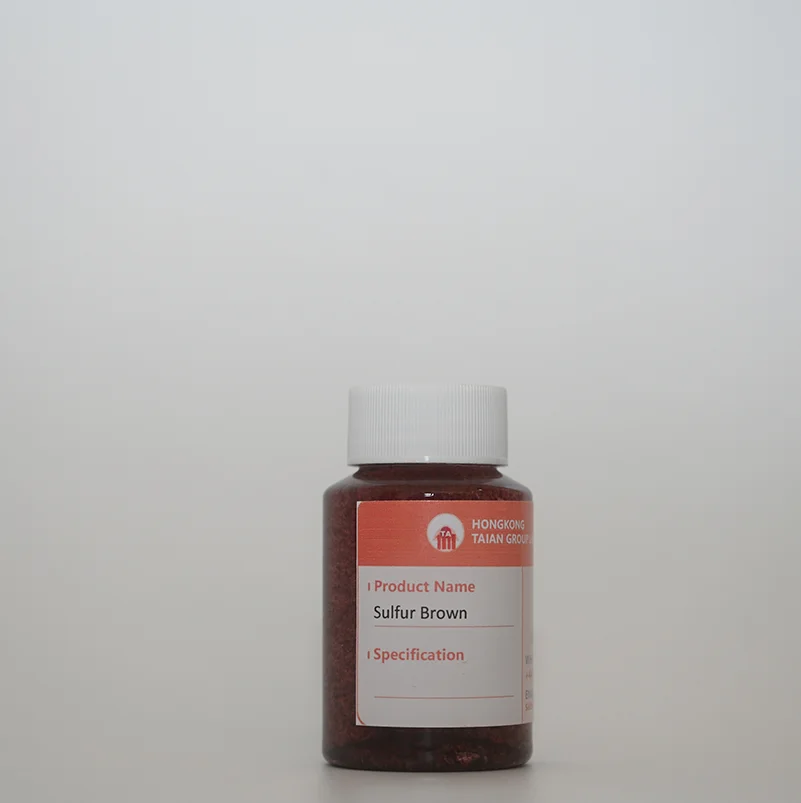
First off, these chemicals aren’t just simple additives. They’re a carefully balanced cocktail designed for compatibility with different fibers, temperature ranges, and dye classes. Reactive dyes for cotton, disperse dyes for polyester... each demands a specific set of auxiliaries, leveling agents, and fixing agents to ensure colors don’t fade or bleed during washing. Over the years, I noticed how newer formulations emphasize eco-friendliness without compromising performance. This balance is critical because many textile operations now face increasingly strict wastewater treatment regulations.
| Chemical Type | Use Case | Common Fiber Types | Key Properties |
|---|---|---|---|
| Levelling Agents | Ensures uniform dye uptake | Cotton, Wool | Improves color evenness |
| Fixing Agents | Enhance color fastness | Polyester, Nylon | Reduces bleeding & fading |
| Softeners | Improves fabric hand feel | Blend fabrics | Leaves fabric soft & flexible |
You know, testing these chemicals always felt a bit like a science experiment mixed with art. Even after running standardized trials, real batch dyeing sometimes throws curveballs—water hardness, slight temperature fluctuations, fabric quality. Many engineers in my network swear by bespoke chemical blends tailored to their unique process parameters. “Off-the-shelf” chemistry isn’t always enough for consistently brilliant results.
This reminds me of a client I worked with a few years back — a mid-sized textile producer struggling with uneven coloring on their cotton knits. After switching to a levelling agent specifically recommended for knit construction and upgrading their textile dyeing chemicals supplier, the difference was night and day. It wasn’t just the quality, but also the vendor’s technical support that helped optimize their recipe and process parameters. Because frankly, in this industry, a company that stands behind their product and knows the practical challenges is a rare find.
| Supplier | Product Range | Technical Support | Eco-friendliness | Pricing |
|---|---|---|---|---|
| DyeChem Co. | Comprehensive, tailored blends | High – on-site trials & optimization | Certified low-impact formulas | Competitive, value-oriented |
| ChemTex Ltd. | Standard chemicals, broad coverage | Moderate, remote support | Partial eco-compliance | Moderate pricing |
| ColorPro Solutions | Focused on high-performance dyes | Low, minimal field support | Limited eco certifications | Premium priced |
When choosing dyeing chemicals, it’s also a good idea to consider the supplier’s capacity for customization. Frankly, no two textile mills or dye houses are alike — water chemistry alone can shift your dye uptake. That means even with the best chemicals, an experienced vendor willing to tweak formulations can save you heaps of time and quality headaches.
In real terms, investing a bit more initially for trusted, field-tested products with solid supplier backing usually pays off through less rework, lower waste, and happier end customers. It feels like a small detail, but in textile production, consistent color quality is a silent brand ambassador.
So if you’re searching for reliable, effective, and sustainable textile dyeing chemicals, keep in mind the balance between product quality, service support, and environmental responsibility. Oddly enough, suppliers that understand the real challenges of dye houses tend to go further — and that’s something I’ve learned the hard way.
Takeaway: The best dyeing starts with the right chemistry — tailored, trusted, and backed by real expertise.
- Environmental impact of textile chemical agents - Textile World, 2022
- Advances in dyeing auxiliaries - J. Textile Science, 2021
- Custom blends and their industrial benefits - Dyeing Journal, 2023