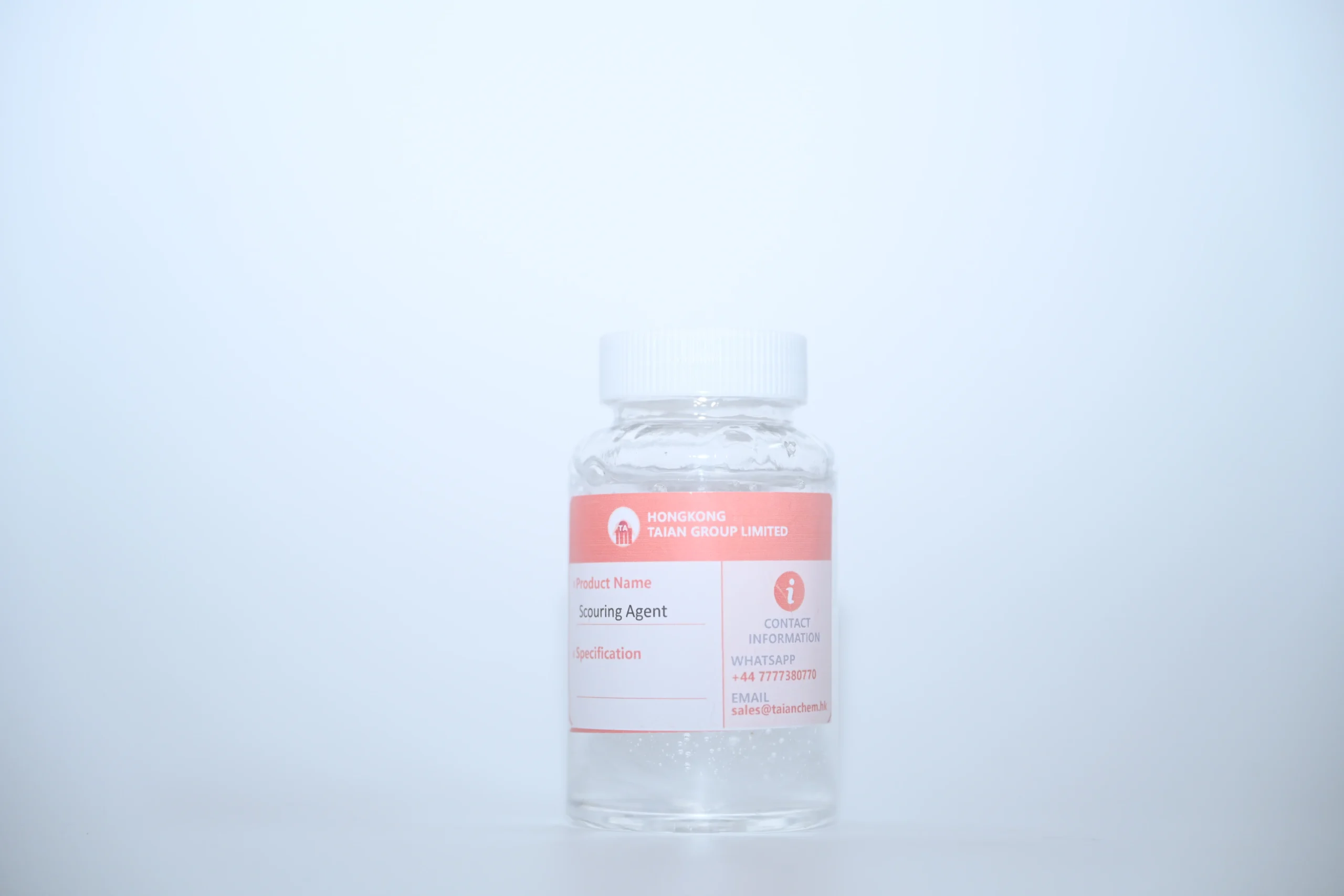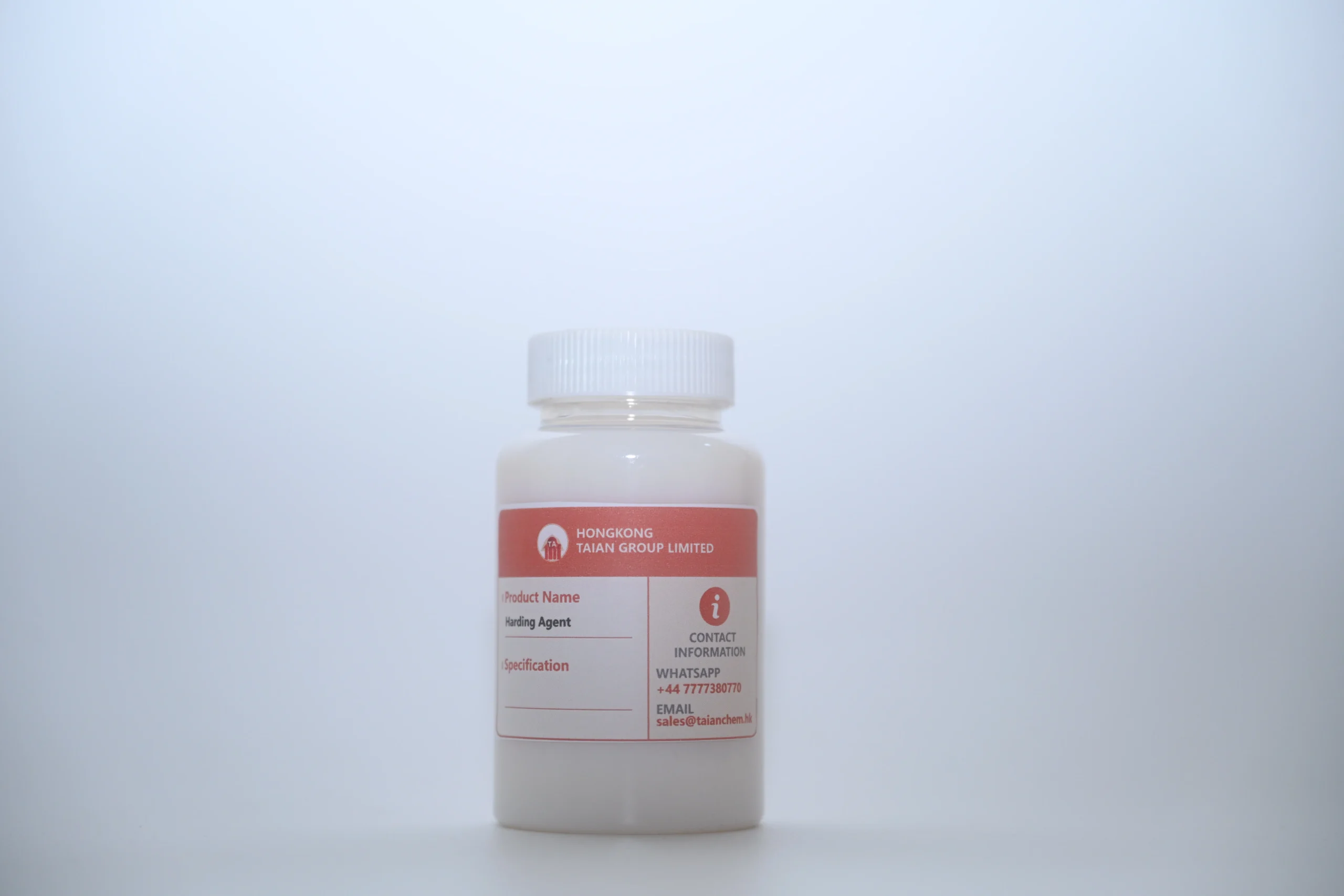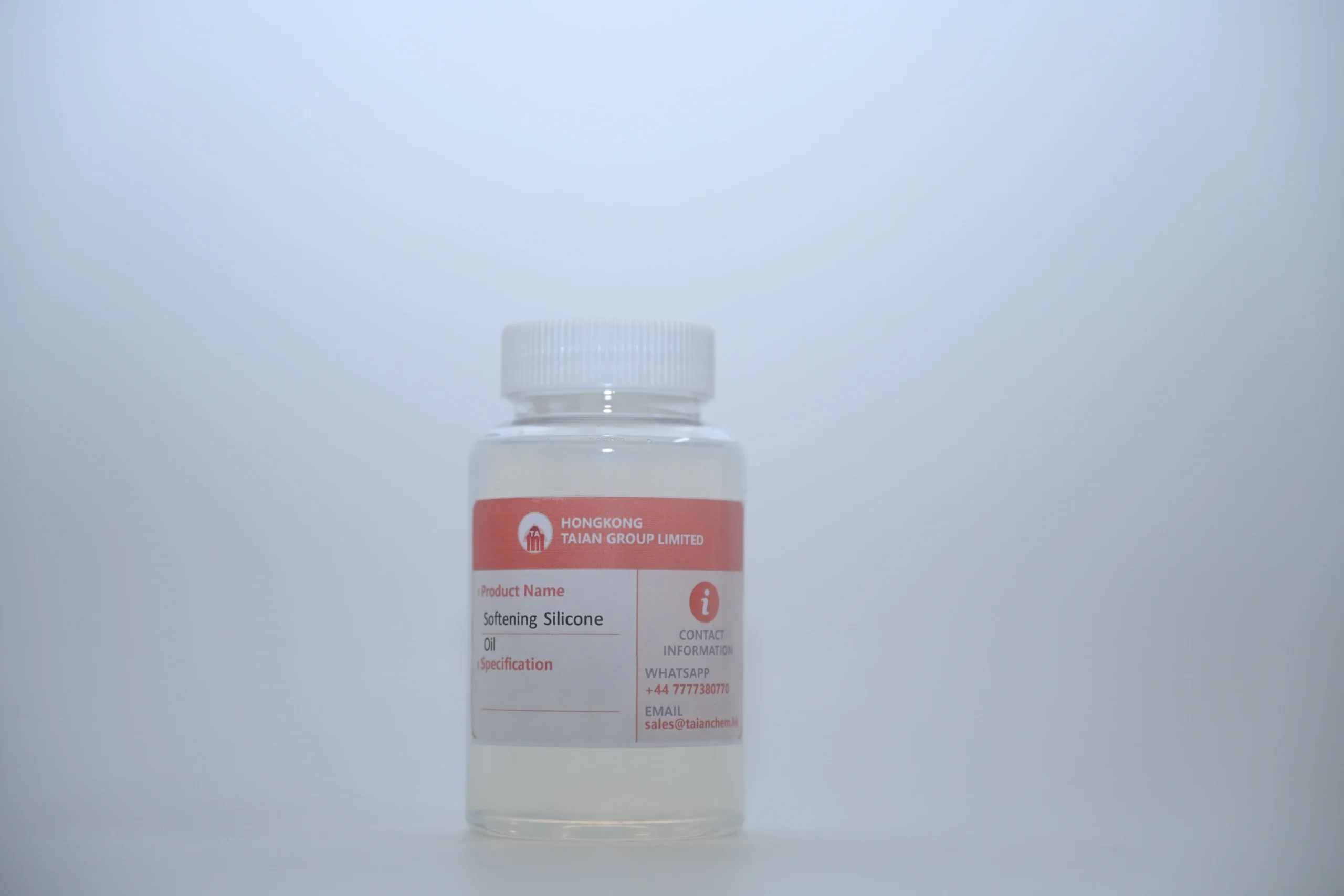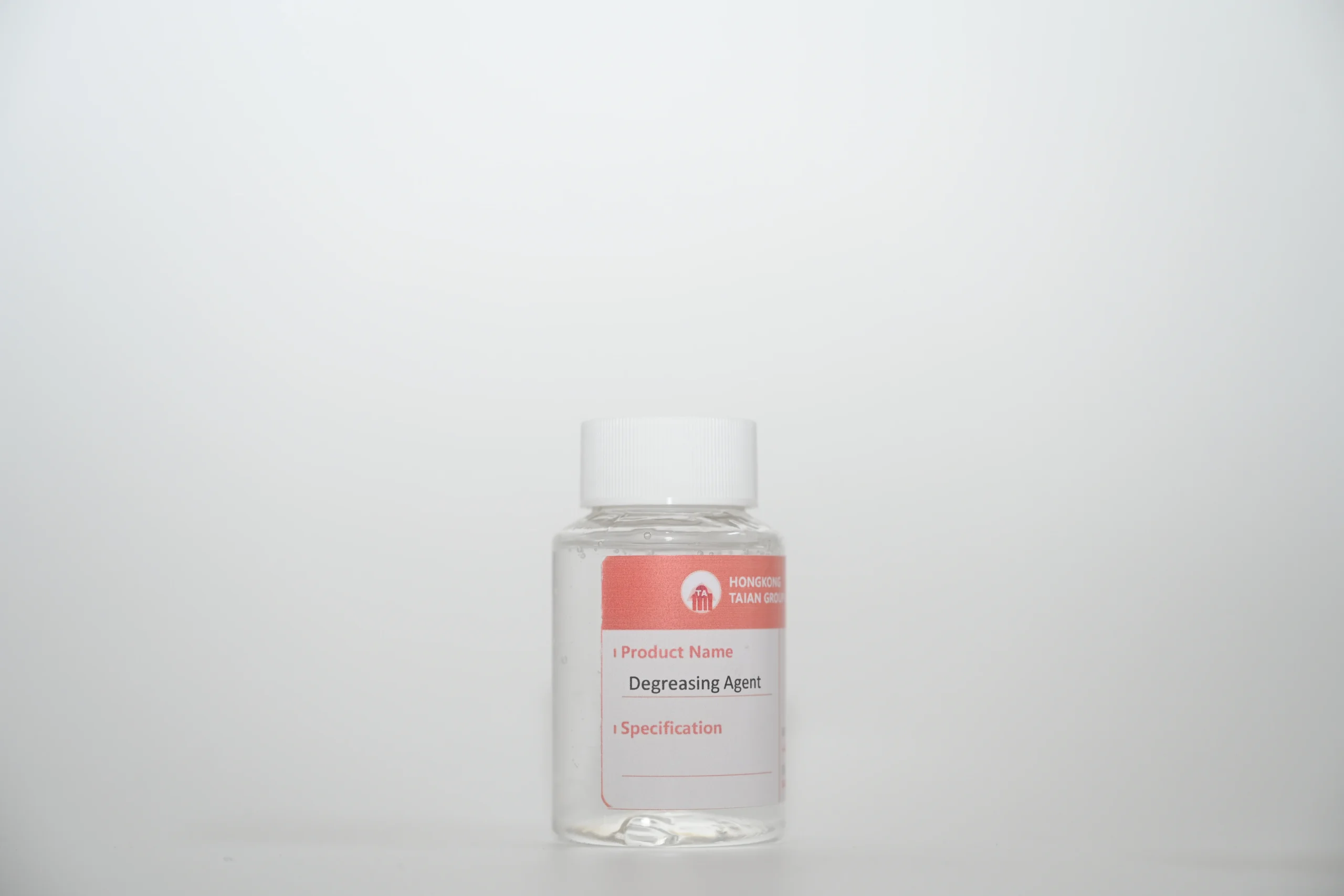
Textile Washing Chemicals – Trusted Solutions for Fabric Care
Textile Washing Chemicals – Trusted Solutions for Fabric Care
Understanding Textile Washing Chemicals for Optimal Fabric Care
Having been around industrial equipment and textile treatment for quite some time, I’ve developed an appreciation — maybe even a bit of a soft spot — for the unsung heroes: textile washing chemicals. These products may not make headlines, but they quietly determine the quality, efficiency, and even sustainability of textile processing.
In real terms, textile washing chemicals are the first step in any dyeing or finishing line. They play a key role in removing oils, sizing agents, and impurities, ensuring fabrics respond well to color and finish treatments later on. Textile washing chemicals are more than just detergents; they’re carefully formulated solutions that balance cleaning power with fiber integrity.
Oddly enough, many newcomers underestimate how tailored these chemicals are. It’s not a one-size-fits-all. Depending on the fibers—cotton, polyester, blends—the chemical profile shifts to optimize cleaning without damage. I've seen operators frustrated when generic cleaning agents eat into delicate fibers or leave residue that affects dye uptake. There's a reason why specialized textile washing chemicals exist—they're demanding but rewarding when you get them right.
Key Product Specifications For Textile Washing Chemicals
| Specification | Typical Range / Detail |
|---|---|
| pH Level | 7.5 – 10 (mildly alkaline) |
| Active Surfactant Content | 10–15% |
| Water Hardness Tolerance | Up to 300 ppm as CaCO₃ |
| Foam Control | Low Foam Formulation |
| Biodegradability | >90% in 28 days (OECD 301B) |
From an industry standpoint, these specs aren’t just numbers. The mildly alkaline pH, for example, is mild enough to protect cellulose fibers yet effective in breaking down fatty contaminants. The low foam formulation helps in pneumatic jet washers where excess foam can lead to processing inefficiencies. The biodegradability is something customers increasingly demand — frankly, we’re now expected to care beyond the mill.
Comparing Top Vendors of Textile Washing Chemicals
| Vendor | Chemical Grade & Customization | Technical Support | Sustainability Focus |
|---|---|---|---|
| DyeingChem Co. | Highly customizable formulas tailored for fiber types | 24/7 on-site and remote consultancy | Strong, with biodegradable options |
| TextChem Global | Standardized bulk products, limited customization | Business hours support, online resources | Moderate, ongoing improvements |
| FiberWash Solutions | Focus on eco-friendly chemicals; some customization | Dedicated technical team, reactive support | High priority, certifications emphasized |
Thinking about these vendors, I recall a mid-sized mill I worked with that switched to DyeingChem’s washing agents. They reported not only cleaner fabric surfaces but also a 15% reduction in processing downtime. Operators said the chemicals were “just smoother to handle,” which says a lot about formulation quality and supplier support.
Of course, each fabric mill has its nuances, and I suppose the best practice is to run pilot tests before full rollout. But vendors who combine deep chemical expertise with true service win out in the long run. It's about more than just price per liter — it’s reliability, sustainability, and adapting to a customer’s unique challenges.
It feels like the textile washing chemical market is slowly but surely evolving toward more sustainable and multifunctional formulas. And, honestly, in my view, that can only be a good thing. The pressures from stricter wastewater regulations and customer demands will keep pushing this way.
For anyone in the textile processing circuit, knowing your chemical profiles and vendors is as vital as machinery maintenance. Without proper preparation, dye uptake can be uneven, fabric damage can spike, and overall quality takes a hit — all quietly blamed on something else.
So, if you’re exploring or revamping your textile washing stage, take a close look at the chemical supplier. And please, do leverage textile washing chemicals crafted with both process needs and environmental responsibility in mind. It’s a small piece of the puzzle that can make a world of difference.
In the end, the fabric cleaning step isn’t glamorous—but it sure is foundational.
References
- OECD Guidelines for Testing of Chemicals, 301B for biodegradability
- Industry case study: Efficiency gains using customized washing chemicals, Textile World Magazine, 2023
- Environmental impact overview, Global Textile Chemistry Review, 2022