The Vital Pretreatment Process in Textile Manufacturing for Optimal Results
The Vital Pretreatment Process in Textile Manufacturing for Optimal Results
Understanding the Pretreatment Process in Textile Manufacturing
The pretreatment process in textile manufacturing is a crucial, often overlooked, step that significantly impacts the quality of the final product. It prepares the fabric for dyeing, printing, and finishing by removing impurities and enhancing its receptivity to chemical treatments. This stage lays the foundation for vibrant colors, durable finishes, and optimal fabric performance. Without proper pretreatment, dyes may not adhere effectively, leading to uneven coloration and reduced fabric lifespan. Dyeingchem provides a comprehensive range of chemicals for optimizing each step of this vital process.
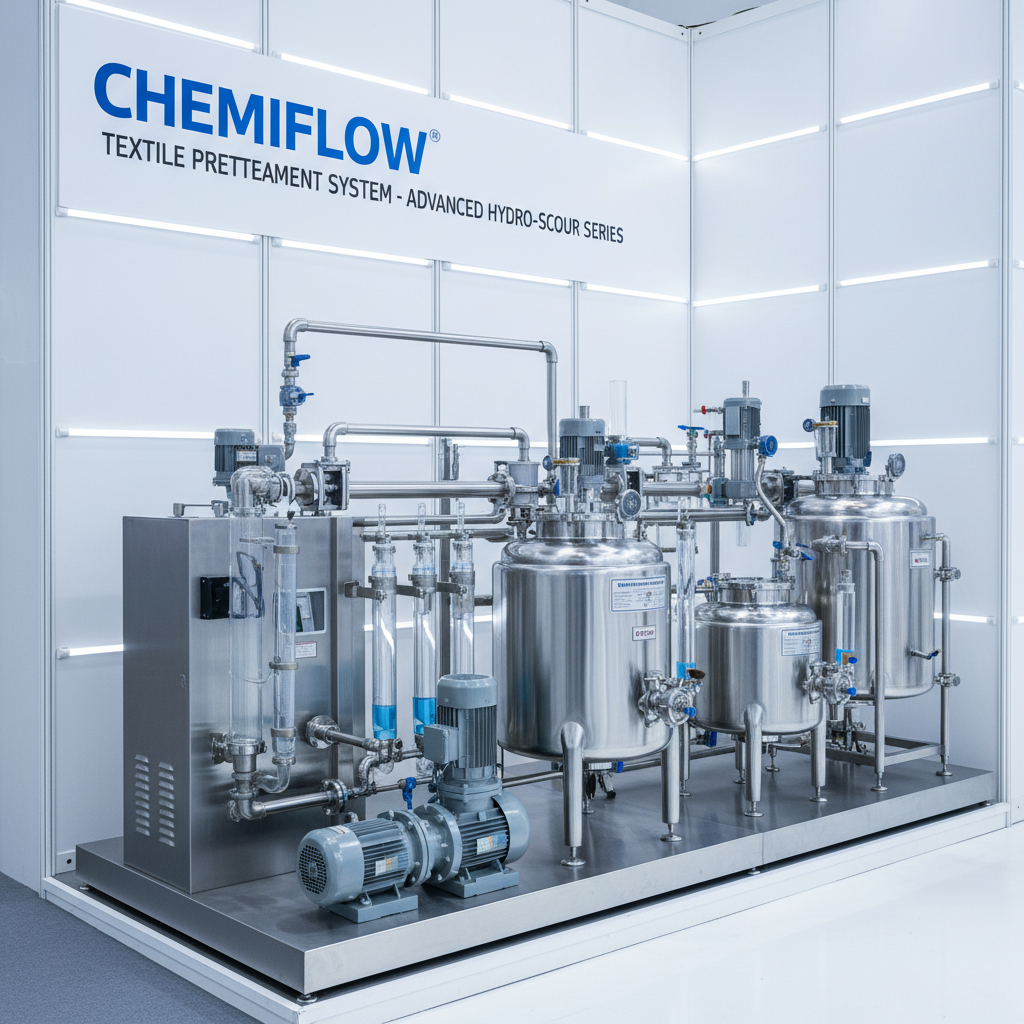
The Importance of Pretreatment in Textile Processing
Before dyeing or printing, textiles contain natural and acquired impurities. Natural impurities include waxes, pectins, proteins, and oils originating from the fiber itself. Acquired impurities come from processing during yarn and fabric manufacturing, like sizing agents, oils, and dirt. These impurities hinder dye absorption and can cause unevenness, spotting, and poor color fastness. The pretreatment process in textile aims to remove these substances, ensuring a clean surface for optimal chemical interactions. Proper pretreatment also improves the fabric’s handle, luster, and overall quality, ultimately enhancing the finished product’s market value. Investing in this stage is an investment in superior textile goods.
Key Benefits: Improved dye uptake, enhanced color fastness, better fabric handle, increased product quality, and reduced waste.
Key Stages in the Pretreatment Process
The pretreatment process in textile typically involves several distinct stages, each serving a specific purpose. These include desizing, scouring, bleaching, and mercerization. Desizing removes sizing agents applied during weaving. Scouring eliminates natural waxes, oils, and pectins. Bleaching whitens the fabric by removing natural color pigments. Mercerization improves luster, strength, and dye affinity. The specific sequence and intensity of each stage depend on the fiber type and desired end-use of the fabric. Optimizing each step ensures the fabric is perfectly prepared for subsequent processing.
Essential Pretreatment Stages:
• Desizing: Removal of sizing agents
• Scouring: Removal of natural impurities
• Bleaching: Whitening of the fabric
• Mercerization: Improving luster and strength
Comparing Traditional vs. Modern Pretreatment Methods
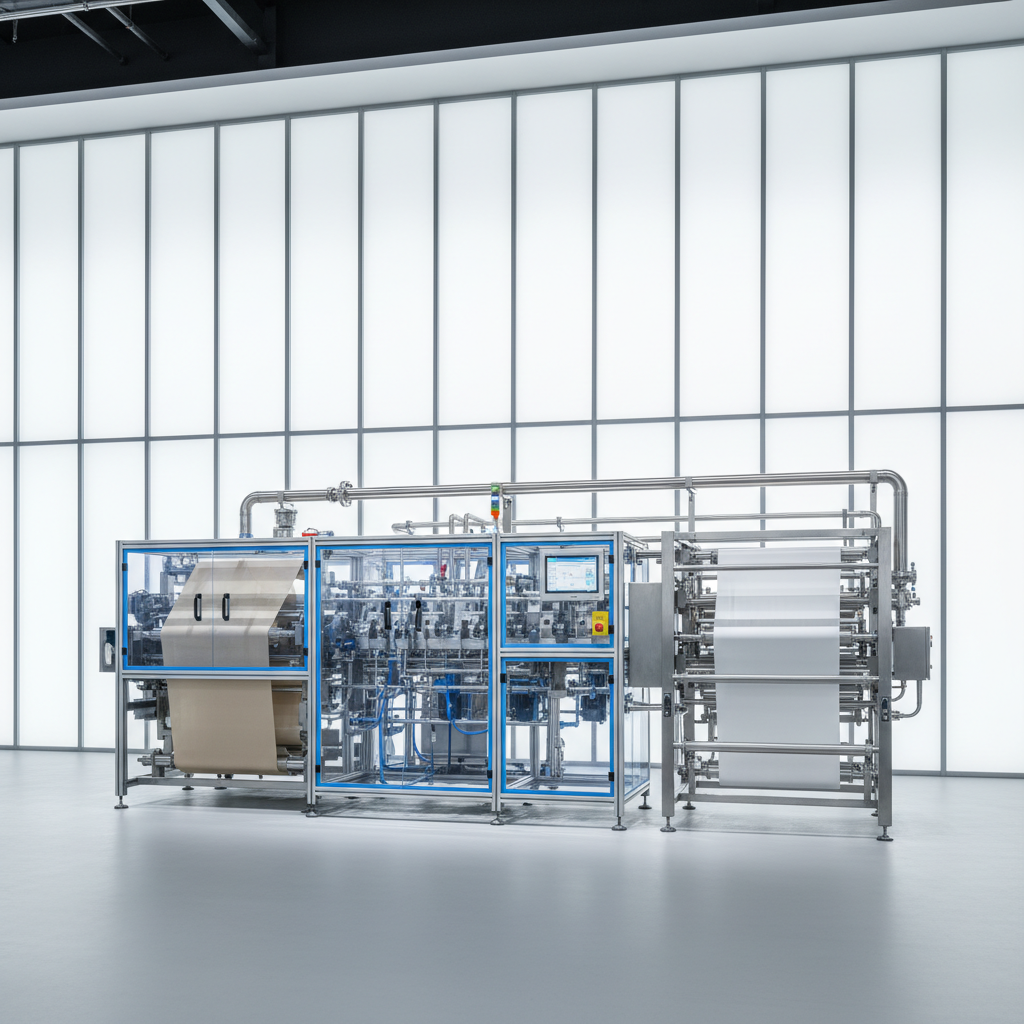
Historically, the pretreatment process in textile relied heavily on harsh chemicals and high temperatures, leading to significant environmental concerns. Modern methods prioritize sustainability and efficiency. Enzymatic desizing, for example, replaces harsh chemicals with environmentally friendly enzymes. Continuous scouring and bleaching systems reduce water and energy consumption. These advancements not only minimize environmental impact but also improve fabric quality and reduce production costs. The move towards eco-friendly pretreatment is driven by increasing consumer demand for sustainable textiles.
Chemicals Used in the Pretreatment Process
Various chemicals play crucial roles in the pretreatment process in textile. These include wetting agents, detergents, sequestering agents, enzymes (for desizing and biopolishing), oxidizing agents (for bleaching), and mercerizing agents (like caustic soda). Selecting high-quality chemicals is vital for achieving optimal results and minimizing fabric damage. Dyeingchem provides a wide range of specialized textile chemicals designed to enhance each pretreatment stage. Proper chemical dosage and control are essential for effective and environmentally responsible pretreatment.
Conclusion: The Foundation of Quality Textiles
The pretreatment process in textile is not merely a preparatory step; it’s the cornerstone of high-quality textile production. By removing impurities and preparing fabrics for subsequent processes, pretreatment ensures optimal dye uptake, color fastness, and overall fabric performance. Embracing modern, sustainable pretreatment methods and utilizing high-quality chemicals, as offered by Dyeingchem, is crucial for manufacturers seeking to deliver superior textile products and minimize their environmental impact.
Frequently Asked Questions (FAQs)
What are the consequences of skipping or inadequately performing the pretreatment process?
Skipping or performing inadequate pretreatment can lead to a multitude of issues. Dyeing may be uneven, resulting in blotchy or faded colors. Poor dye fixation can cause bleeding and reduced wash fastness, meaning the color will fade or transfer during laundering. The fabric may also exhibit poor handle, reduced strength, and an increased susceptibility to damage. Ultimately, inadequate pretreatment leads to lower product quality, increased waste, and potential customer dissatisfaction. The initial cost savings of skipping pretreatment are often far outweighed by the long-term consequences.
How does the fiber type influence the pretreatment process?
The fiber type significantly dictates the pretreatment process. For example, cotton requires more intensive scouring to remove natural waxes and pectins than polyester. Wool requires gentler treatment to avoid damaging the delicate fibers. Synthetic fibers may require specific pretreatment steps to enhance dye affinity. Understanding the chemical and physical properties of each fiber is crucial for selecting the appropriate pretreatment chemicals and optimizing process parameters. A pretreatment optimized for cotton will not be effective for silk, and vice-versa.
What are the key considerations for ensuring environmentally friendly pretreatment?
Minimizing the environmental impact of pretreatment involves several key considerations. Using biodegradable and non-toxic chemicals is paramount. Reducing water and energy consumption through optimized processes and equipment is crucial. Implementing wastewater treatment systems to remove pollutants before discharge is essential. Exploring enzymatic treatments as alternatives to harsh chemicals offers a sustainable solution. Adopting closed-loop systems that recycle water and chemicals further minimizes environmental footprint. Prioritizing sustainability is not only environmentally responsible but also enhances brand reputation.
How can I assess the effectiveness of the pretreatment process?
Several methods can be used to assess the effectiveness of the pretreatment process. The wettability test measures the fabric's ability to absorb water, indicating the removal of hydrophobic impurities. The stain test checks for residual sizing agents or oils. The whiteness test measures the fabric's reflectance, assessing the effectiveness of bleaching. Microscopic examination can reveal any remaining impurities. Finally, evaluating dye uptake and color fastness after dyeing provides a comprehensive assessment of the pretreatment's success. Regular monitoring and analysis are essential for maintaining optimal pretreatment performance.