Understanding Industrial Dye Applications Types and Sourcing Considerations
Understanding Industrial Dye Applications Types and Sourcing Considerations
Understanding Industrial Dye: Applications, Types, and Sourcing
Industrial dyes are crucial components in a vast array of manufacturing processes, providing color to textiles, plastics, paper, leather, and countless other materials. Choosing the right dye is vital for achieving desired aesthetics, ensuring colorfastness, and meeting industry-specific requirements. This article will explore the diverse world of industrial dyes, covering their different types, applications, and key considerations when sourcing from a reliable supplier like Dyeingchem. Understanding these factors will enable informed decisions and optimized production outcomes.
Types of Industrial Dyes
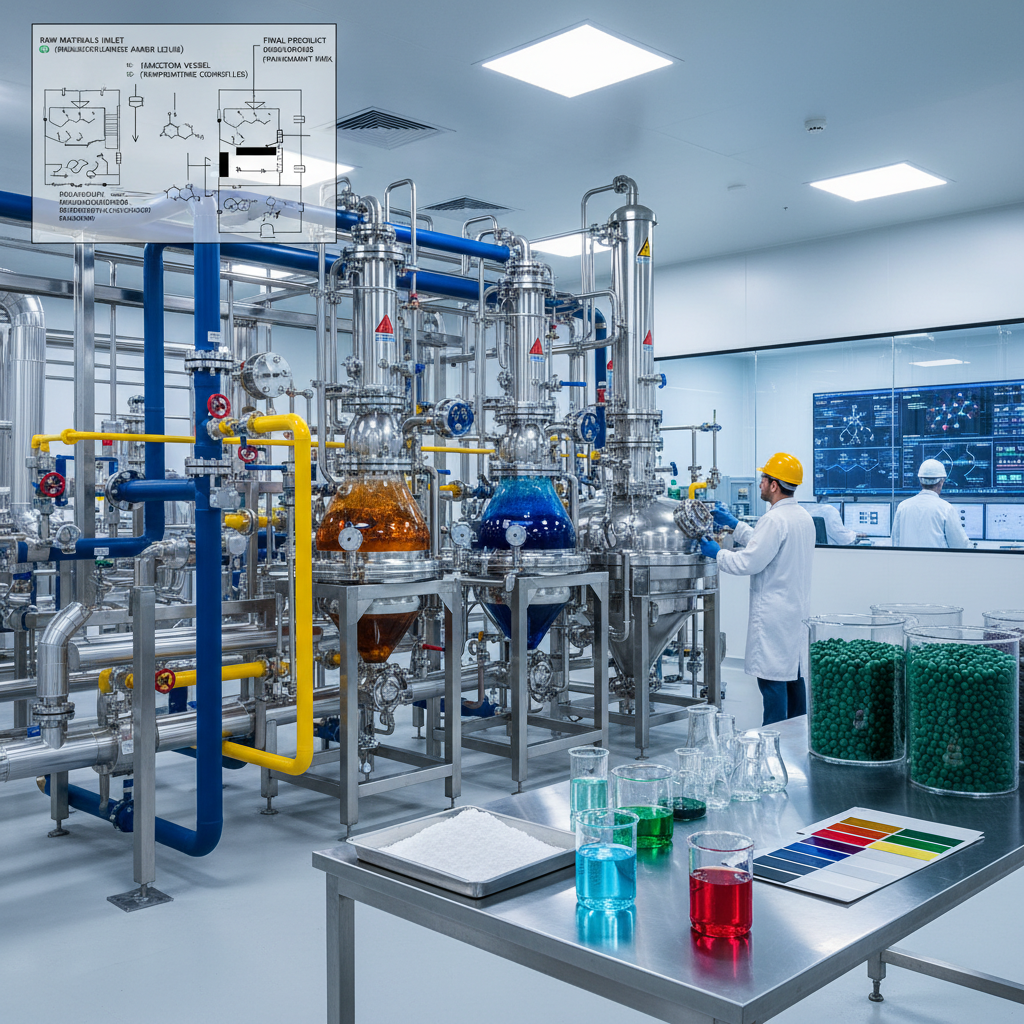
The classification of industrial dyes is extensive, but they generally fall into several major categories. These include azo dyes (renowned for their bright colors and cost-effectiveness), anthraquinone dyes (known for excellent lightfastness and color stability), reactive dyes (widely used for cotton and other cellulose fibers, forming a chemical bond with the fiber), and vat dyes (providing exceptional wash and lightfastness for durable textiles). Other important types include disperse dyes (for synthetic fibers like polyester), acid dyes (for protein fibers like wool and silk), and direct dyes (simpler application, but generally lower fastness properties). The choice of dye type depends heavily on the material being dyed, the desired performance characteristics, and cost considerations.
Key Takeaway: The best dye choice depends on the fiber type, desired fastness properties, and budget. A specialized supplier can provide tailored recommendations.
Applications of Industrial Dyes Across Industries
The applications of industrial dyes are incredibly diverse. The textile industry is the largest consumer, utilizing dyes for clothing, home furnishings, and industrial fabrics. The plastics industry relies on dyes to color a wide range of products, from packaging to automotive components. Paper and pulp manufacturers use dyes to achieve specific paper shades and enhance aesthetic appeal. Leather dyeing is another significant application, requiring specialized dyes that penetrate and color the hide. Even niche industries like cosmetics, inks, and detergents utilize industrial dyes for their coloring needs. The specific requirements (e.g., lightfastness, washfastness, toxicity) vary significantly depending on the end application.
Diverse Applications:
• Textile Industry
• Plastics Manufacturing
• Paper & Pulp Production
• Leather Processing
Choosing the Right Industrial Dye: Key Considerations
Selecting the appropriate industrial dye involves more than just color matching. Critical factors include lightfastness (resistance to fading from sunlight), washfastness (resistance to color bleeding during washing), sublimation fastness (important for heat transfer applications), and overall chemical stability. The dye’s compatibility with the substrate being colored is also crucial. Furthermore, environmental regulations and safety concerns are paramount. Many dyes contain heavy metals or other potentially harmful substances, and it’s essential to choose dyes that comply with relevant standards (e.g., REACH, Oeko-Tex). Cost-effectiveness is also a factor, but shouldn’t compromise quality or safety.
Sourcing Industrial Dyes: The Importance of a Reliable Supplier
The quality and consistency of industrial dyes are paramount. Sourcing from a reputable supplier is therefore critical. Dyeingchem offers a comprehensive range of high-quality dyes, backed by rigorous quality control procedures and technical support. A reliable supplier can provide accurate product specifications, certifications of compliance, and consistent dye batches. They can also assist with dye selection, troubleshooting, and optimizing dyeing processes. Building a strong relationship with a trusted supplier ensures a steady supply of reliable dyes, minimizing production disruptions and maintaining product quality.
Future Trends in Industrial Dye Technology
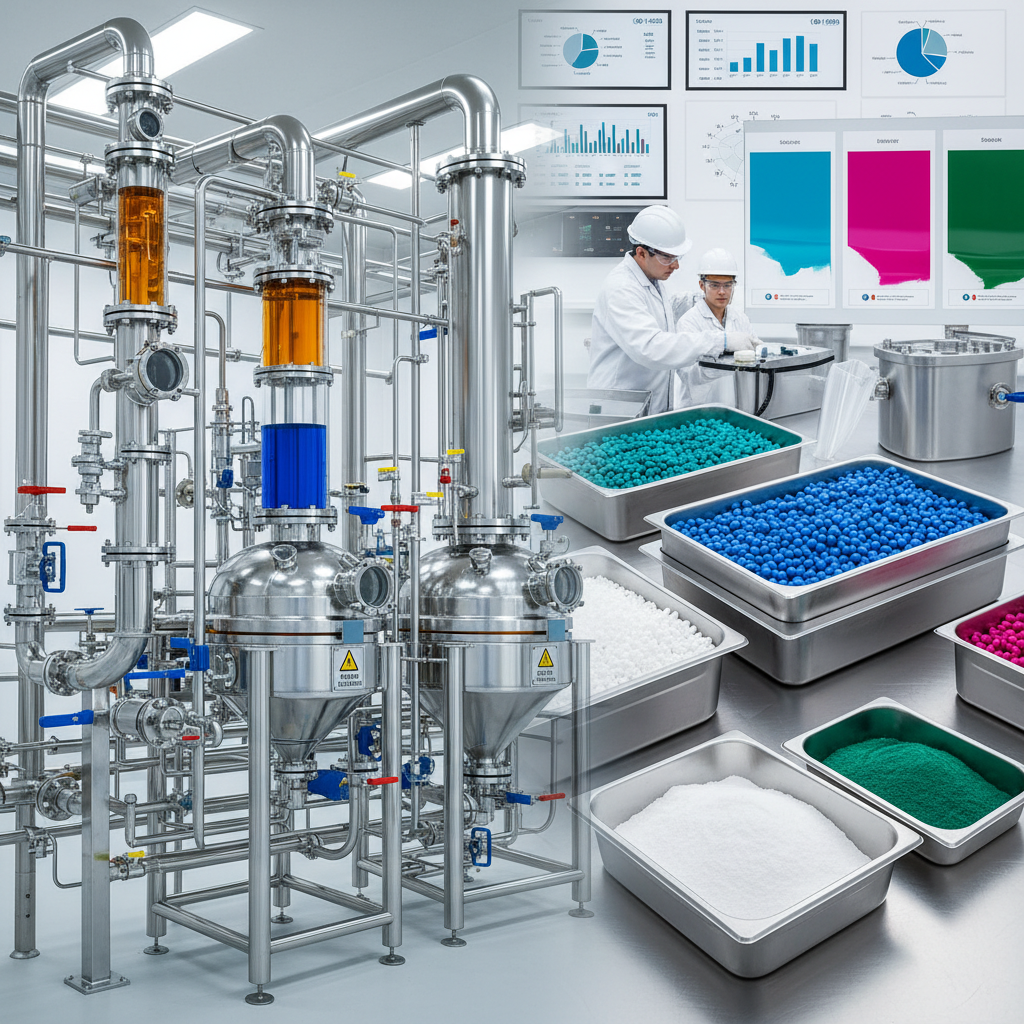
The industrial dye industry is continuously evolving, driven by sustainability concerns and technological advancements. There's a growing demand for eco-friendly dyes derived from renewable resources and with reduced environmental impact. Developments in biotechnology are leading to the production of novel dyes with enhanced performance characteristics. Digital printing technologies are also influencing dye formulations, requiring dyes with specific properties for optimal print quality. Expect to see increased emphasis on waterless dyeing technologies and dyes that require less energy to apply. The future of the industry is focused on innovation, sustainability, and efficiency.
Conclusion: Choosing the Right Dye for Success
Selecting the right industrial dye is a critical decision that impacts product quality, cost-effectiveness, and environmental responsibility. By understanding the different types of dyes, their applications, and key considerations, you can make informed choices and optimize your production processes. Partnering with a reliable supplier like Dyeingchem provides access to high-quality dyes, expert technical support, and a commitment to sustainable practices.
Frequently Asked Questions (FAQs)
What factors affect the cost of industrial dyes?
The cost of industrial dyes is influenced by several factors, including the dye's chemical composition, purity, manufacturing process, and demand. Complex dye structures and specialized manufacturing techniques generally result in higher costs. Market conditions, such as raw material prices and supply chain disruptions, also play a significant role. Quantity purchased and supplier relationships can also impact pricing. Furthermore, dyes that meet stringent environmental and safety standards may command a premium.
How can I ensure the dye I choose is environmentally friendly?
To ensure environmental friendliness, look for dyes that are certified by recognized organizations like Oeko-Tex Standard 100 or comply with REACH regulations. These certifications indicate that the dye has been tested for harmful substances and meets specific environmental standards. Consider dyes derived from renewable resources or those with lower water and energy consumption during application. Inquire about the dye manufacturer's environmental policies and waste management practices. Selecting a supplier committed to sustainability is also crucial.
What is the difference between reactive dyes and direct dyes?
Reactive dyes form a covalent bond with the fiber, resulting in excellent washfastness and color brilliance, particularly on cellulose fibers like cotton. Direct dyes, on the other hand, rely on physical adsorption to the fiber and typically have lower washfastness. Reactive dyes require a fixation process with alkali, while direct dyes are simpler to apply. Generally, reactive dyes are more expensive but offer superior performance, making them ideal for applications demanding high color durability.
How should I store industrial dyes to maintain their quality?
Proper storage is essential to preserve the quality of industrial dyes. Store dyes in a cool, dry, and well-ventilated area, away from direct sunlight and heat sources. Keep containers tightly closed to prevent moisture absorption and contamination. Follow the manufacturer's specific storage recommendations, as some dyes may require specific temperature or humidity control. Avoid storing dyes near incompatible chemicals or materials. Implementing a first-in, first-out (FIFO) inventory system helps ensure that older dyes are used before newer ones.