Understanding the Different Types of Enzymes in Laundry Detergent
Understanding the Different Types of Enzymes in Laundry Detergent
Understanding the Types of Enzymes in Laundry Detergent
Laundry detergents have evolved significantly, moving beyond simple soaps to complex formulations containing enzymes. These enzymes are biological catalysts that break down stubborn stains, improving cleaning performance, especially at lower temperatures. Choosing a detergent with the right enzyme blend is crucial for tackling different types of messes. This article will explore the common enzymes used in laundry detergents, their functions, and how they contribute to effective stain removal. We'll delve into their specific targets and the benefits of utilizing enzymatic detergents for various fabrics and stains.
Proteases: Targeting Protein-Based Stains
Proteases are arguably the most common enzymes found in laundry detergents. Their primary function is to break down proteins, making them incredibly effective against stains like blood, grass, egg, and sweat. These enzymes work by cleaving the peptide bonds within protein molecules, reducing their size and making them water-soluble for easier removal. Different types of proteases exist, each with varying levels of activity and stability. Alkaline proteases, which thrive in the high pH environment of most detergents, are the most widely used. The effectiveness of proteases is often measured in KPU (Kilo Proteolytic Units), indicating their enzymatic activity.
Amylases: Breaking Down Starchy Residues
Amylases target starch-based stains, such as gravy, potatoes, pasta sauce, and chocolate. These enzymes hydrolyze starch into smaller sugar molecules (like maltose and glucose) which are readily dissolved in water. Amylase activity is vital for ensuring effective cleaning on food-stained clothes. There are different types of amylases, including alpha-amylases and beta-amylases, each possessing slightly different mechanisms of action and optimal pH levels. The use of amylases significantly reduces the need for harsh scrubbing or pre-treating starchy messes.
Lipases: Combating Fatty and Oily Stains
Lipases are designed to break down fats, oils, and greases. They are particularly effective against stains like cooking oil, butter, cosmetics, and body oils. Lipases work by hydrolyzing triglycerides into glycerol and fatty acids, making them easier to wash away. These enzymes are often combined with surfactants to emulsify the fats and prevent re-deposition onto fabrics. Lipase effectiveness is often boosted by co-surfactants in the detergent formulation. They are incredibly useful for tackling stubborn grease stains that other enzymes may struggle with.
Cellulases: Enhancing Fabric Appearance & Removing Pills
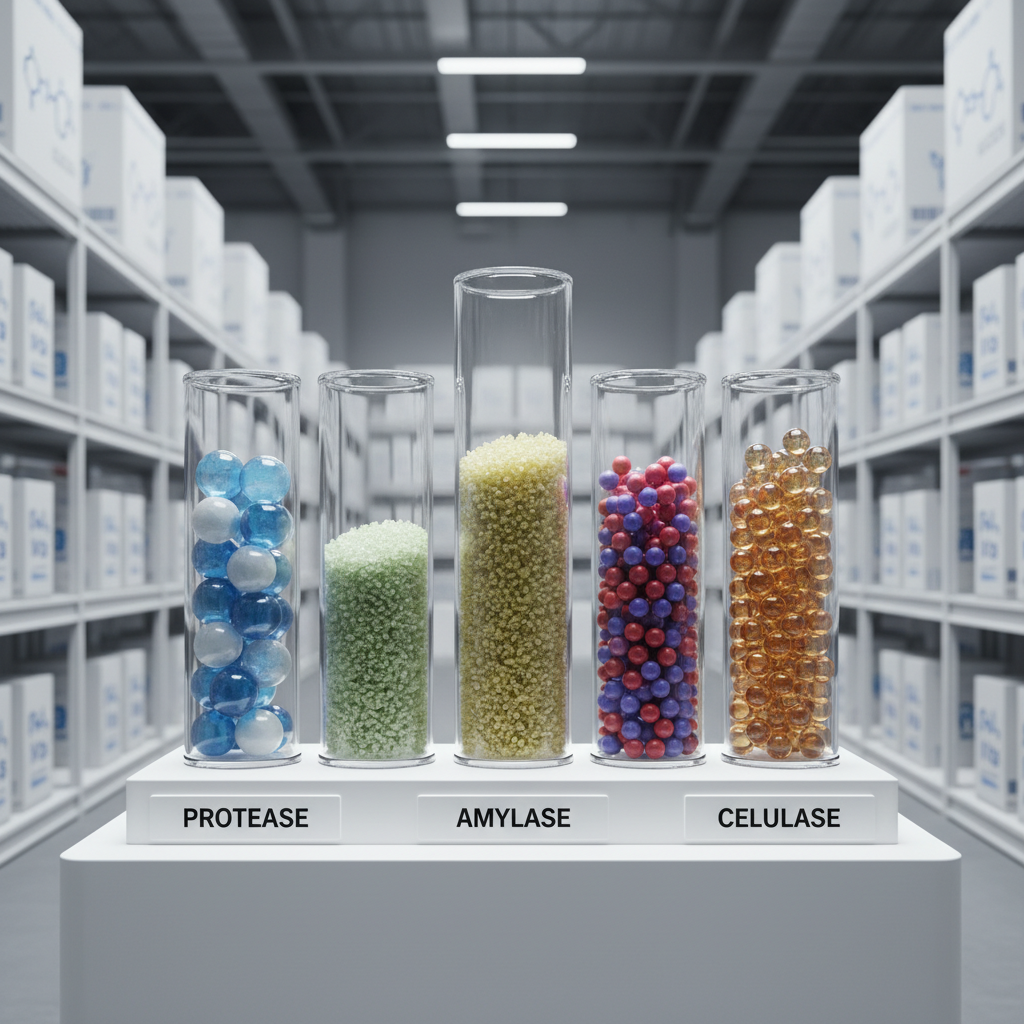
Unlike the other enzymes mentioned, cellulases don't target stains directly. Instead, they act on cellulose fibers in cotton and other plant-based fabrics. Cellulases work by breaking down small cellulose chains on the fabric surface, removing fuzz and pills, and restoring color brightness. They also improve fabric softness and reduce static cling. While effective on cotton, cellulases should be used cautiously on synthetic blends as they can potentially damage the synthetic fibers. Here's a comparison of the main enzymes used in laundry detergents:
Mannanases: Tackling Food and Beverage Stains
Mannanases are enzymes that specifically break down mannan-based stains, which are found in foods like ice cream, sauces, and some beverages. These stains can be particularly difficult to remove with traditional detergents. Mannanases work by hydrolyzing the mannan polymers, making them more soluble and easier to rinse away. They are often included in detergents targeting food stains alongside amylases and proteases for a comprehensive cleaning action.
Conclusion: The Power of Enzymatic Detergents
Utilizing laundry detergents containing a blend of these enzymes offers significant benefits in stain removal and fabric care. By targeting specific stain types, these biological catalysts provide effective cleaning at lower temperatures, reducing energy consumption and preserving fabric integrity. Choosing the right detergent with the appropriate enzyme composition is key to achieving optimal cleaning results.
Frequently Asked Questions (FAQs)
Will enzymatic detergents damage delicate fabrics?
Generally, enzymatic detergents are safe for most fabrics, including delicates. However, it's always a good idea to check the care label of your garments. Avoid using detergents with high levels of cellulase on synthetic fabrics like rayon or modal, as these enzymes can break down the fibers. When washing delicates, consider using a detergent specifically formulated for delicate fabrics, which will contain milder enzyme concentrations. Low-temperature washing is also recommended to minimize enzyme activity and protect delicate fibers.
How effective are enzymatic detergents at removing old, set-in stains?
Enzymatic detergents can be surprisingly effective against old, set-in stains, but success isn't guaranteed. The longer a stain sits, the more it bonds with the fabric fibers. Pre-treating the stain with an enzyme-based stain remover can significantly improve the chances of successful removal. Soaking the garment in water with a detergent containing enzymes before washing can also help loosen the stain. Multiple wash cycles may be necessary for particularly stubborn stains.
Do enzymatic detergents work well in hard water?
Hard water can reduce the effectiveness of detergents, including enzymatic ones, by binding to the enzymes and reducing their activity. Using a water softener or adding a water conditioning agent to your wash can help counteract this effect. You may also need to use a slightly larger amount of detergent in hard water to achieve optimal cleaning results. Detergents formulated with specific chelating agents can also help improve performance in hard water conditions.
What is the optimal temperature for enzymatic detergent effectiveness?
Enzymes are most effective within a specific temperature range, typically between 30°C and 60°C (86°F and 140°F). Higher temperatures can denature the enzymes, reducing their activity. Many modern enzymatic detergents are formulated to work effectively at lower temperatures, saving energy and protecting delicate fabrics. Always check the detergent packaging for recommended washing temperatures.