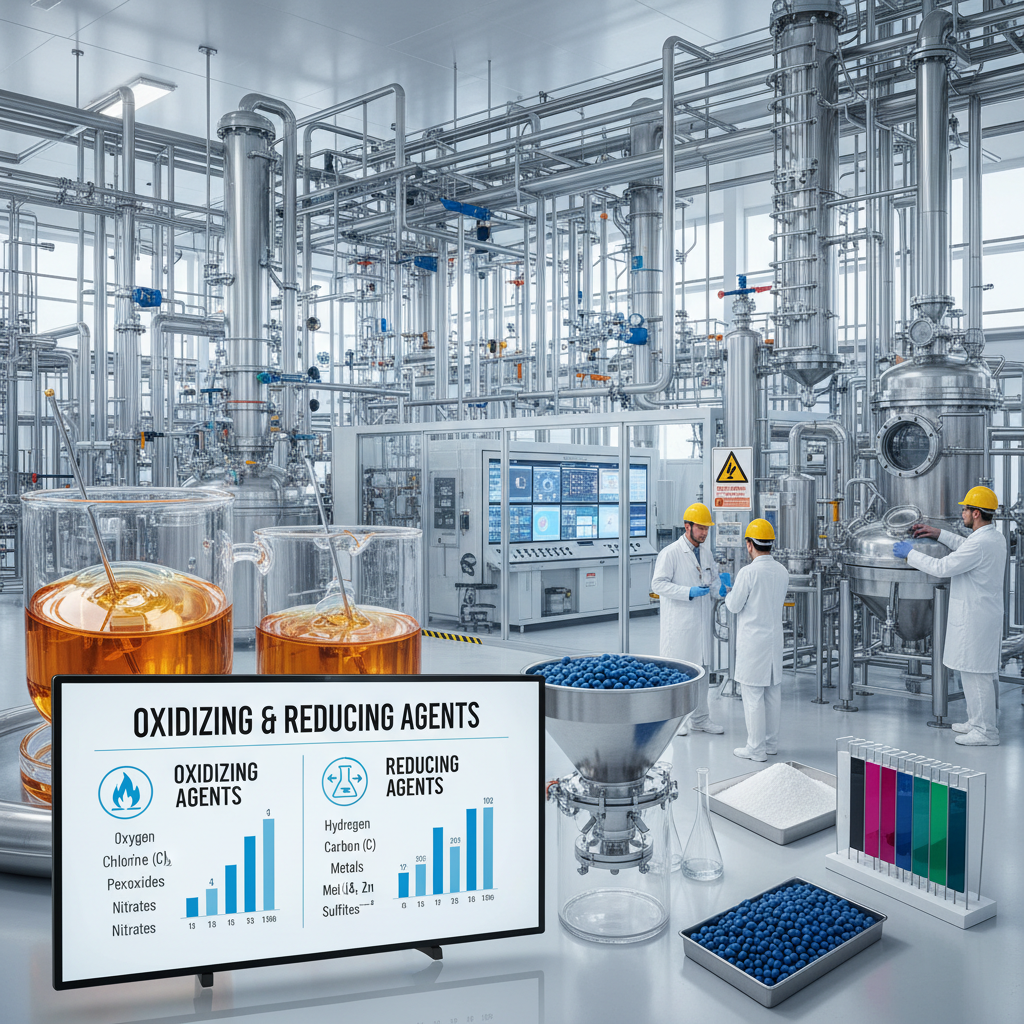
Oxidizing and reducing agents are fundamental to a vast array of chemical processes, particularly crucial within the textile industry. These agents facilitate vital transformations in dyeing, printing, and finishing, ultimately dictating the quality, colorfastness, and overall performance of textile materials. Understanding and effectively utilizing find oxidizing and reducing agents is paramount for optimizing production efficiency, minimizing environmental impact, and achieving desired product characteristics.
Globally, the demand for textiles continues to grow, driven by population increase and evolving fashion trends. This escalating demand places a significant strain on resources and intensifies the need for sustainable chemical solutions. Properly managed oxidation and reduction reactions are integral to achieving these sustainable goals, reducing waste, and ensuring environmentally responsible manufacturing practices. The effective application of find oxidizing and reducing agents is no longer simply a matter of technical expertise; it's a necessity for responsible industrial operation.
The advancements in textile chemistry and engineering rely heavily on the precise control of redox reactions. From the bleaching of fabrics to the development of innovative dyeing techniques, find oxidizing and reducing agents are central to creating the diverse range of textile products available today. Innovation in this field translates directly into improved consumer goods and advancements in specialized textile applications, impacting industries from apparel to healthcare.
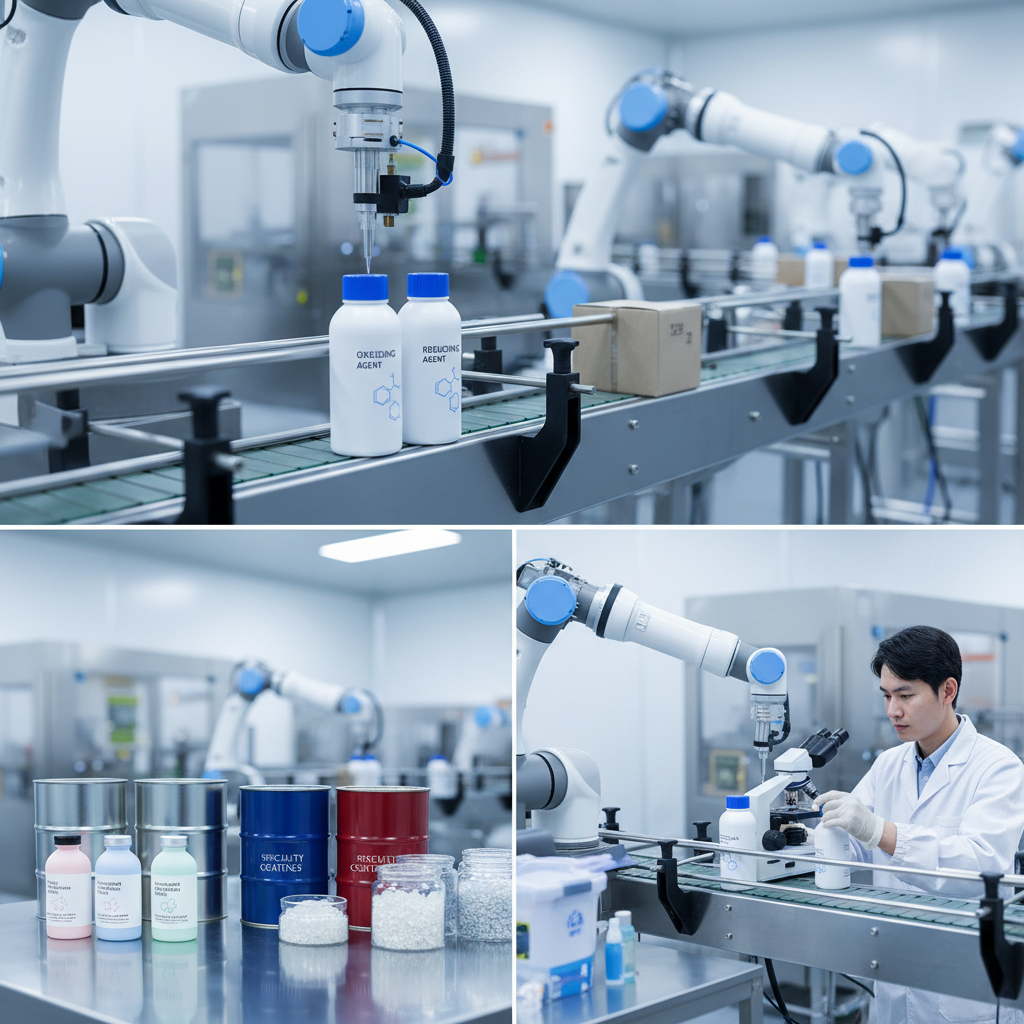
The Core Principles of find oxidizing and reducing agents
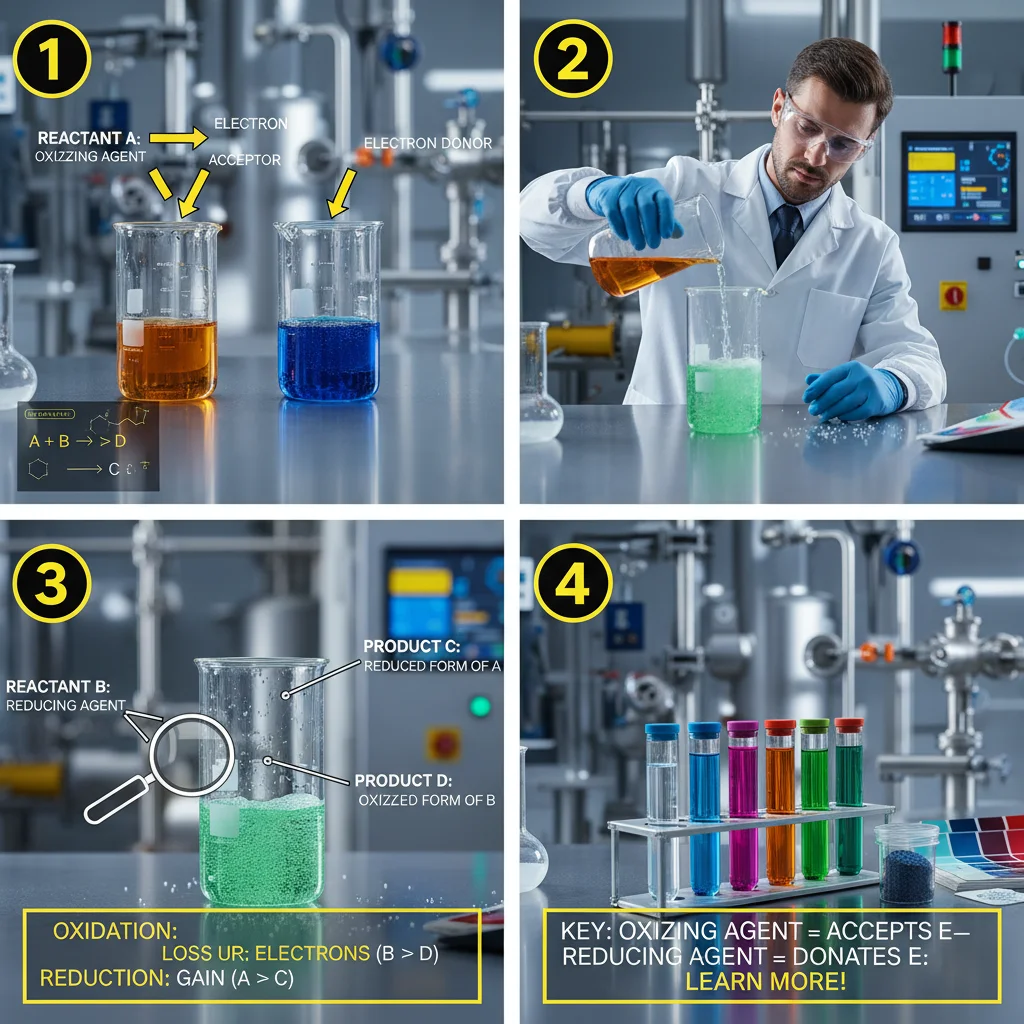
At their core, find oxidizing and reducing agents dictate electron transfer in chemical reactions. Oxidizing agents accept electrons, while reducing agents donate them. This fundamental interplay is the basis of countless processes in textile treatment, from color development to fiber modification. The precise control of these reactions is vital for achieving predictable and desirable results.
Selecting the appropriate find oxidizing and reducing agents depends heavily on the specific textile material, the desired outcome, and environmental considerations. Factors such as pH, temperature, and concentration significantly impact reaction rates and selectivity, making careful process optimization essential.
The Global Significance of find oxidizing and reducing agents
The textile industry is a major global economic force, with a substantial environmental footprint. The effective and sustainable use of find oxidizing and reducing agents is crucial for mitigating this impact. Regions with significant textile production, such as China, India, Bangladesh, and Vietnam, are increasingly focused on adopting cleaner production technologies and minimizing chemical waste.
International regulations and consumer demand are driving a shift towards more eco-friendly textile processing. Organizations like the Zero Discharge of Hazardous Chemicals (ZDHC) program are setting standards for responsible chemical management, influencing the types of find oxidizing and reducing agents used and the methods employed for their application.
The demand for high-performance textiles, particularly in specialized applications like sportswear and protective clothing, further emphasizes the need for advanced and carefully controlled oxidation and reduction processes. This requires ongoing research and development in find oxidizing and reducing agents technology.
Defining find oxidizing and reducing agents: A Chemical Perspective
In chemical terms, find oxidizing and reducing agents are substances that cause oxidation and reduction to occur, respectively. Oxidation is the loss of electrons, while reduction is the gain of electrons. These processes always occur together, forming what is known as a redox reaction. Common oxidizing agents in textile processing include hydrogen peroxide and sodium hypochlorite.
Reducing agents commonly used in textile applications include sodium hydrosulfite (sodium dithionite) and formaldehyde. The choice of agent depends on the specific textile fiber, dye class, and desired effect. The strength and reactivity of these agents must be carefully controlled to prevent damage to the fabric and ensure optimal results.
Understanding the oxidation-reduction potential (ORP) is critical for selecting the appropriate find oxidizing and reducing agents. ORP measures the tendency of a chemical species to gain electrons and provides a valuable metric for predicting reaction outcomes and optimizing process parameters.
Key Factors Influencing find oxidizing and reducing agents Performance
The efficacy of find oxidizing and reducing agents is profoundly influenced by several factors. The pH of the solution plays a critical role, as it affects the stability and reactivity of both the oxidizing and reducing agents. Temperature also significantly impacts reaction rates, with higher temperatures generally accelerating reactions but potentially leading to undesirable side effects.
The concentration of the agent is directly proportional to its effect, but exceeding optimal levels can cause damage to the textile material. The presence of other chemicals, such as stabilizers and catalysts, can also modulate the performance of find oxidizing and reducing agents, enhancing their efficiency or altering their selectivity.
Performance Metrics of Common find oxidizing and reducing agents
Global Applications of find oxidizing and reducing agents in Textile Processing
find oxidizing and reducing agents are integral to numerous textile processes worldwide. In denim washing, for example, reducing agents like sodium hydrosulfite are used to create the characteristic faded look. Dyeing processes rely on both oxidizing and reducing agents to fix dyes to the fabric and achieve the desired color intensity and fastness.
In remote industrial zones of Bangladesh, efficient bleaching processes utilizing stabilized hydrogen peroxide are crucial for preparing fabrics for dyeing, directly impacting production speed and quality. Similarly, in high-tech textile mills in Germany, precise oxidation-reduction reactions are used to create specialized coatings and finishes, enhancing fabric performance and functionality.
Advantages and Long-Term Value of Optimized find oxidizing and reducing agents Usage
Optimizing the use of find oxidizing and reducing agents leads to significant cost savings through reduced chemical consumption and minimized waste. Sustainable practices, such as utilizing less harmful agents and implementing closed-loop systems for chemical recovery, enhance a company's environmental responsibility and brand reputation.
Long-term value is derived not only from economic benefits but also from improved product quality, increased process reliability, and enhanced worker safety. Investing in advanced monitoring and control systems for redox reactions promotes consistent results and minimizes the risk of costly errors.
Future Trends and Innovations in find oxidizing and reducing agents Technology
The future of find oxidizing and reducing agents lies in the development of more sustainable and environmentally friendly alternatives. Research into enzymatic oxidation and reduction processes offers a promising pathway towards cleaner textile production, minimizing the use of harsh chemicals and reducing water consumption.
Digitalization and automation are also playing an increasingly important role, enabling precise control and monitoring of redox reactions. Real-time data analysis and predictive modeling can optimize chemical usage, improve process efficiency, and reduce environmental impact.
The exploration of novel materials, such as bio-based oxidizing and reducing agents derived from renewable resources, represents a significant innovation. These materials offer the potential to create a truly circular economy within the textile industry.
Summary of find oxidizing and reducing agents Selection Criteria
| Agent Type |
Fiber Compatibility |
Environmental Impact |
Cost Effectiveness |
| Hydrogen Peroxide |
Excellent for cotton and linen |
Relatively low, decomposes into water |
Moderate |
| Sodium Hydrosulfite |
Suitable for cellulosic fibers |
Generates sulfurous waste, requires careful management |
Low |
| Sodium Hypochlorite |
Effective for cotton and blends |
Can generate chlorinated byproducts, environmental concerns |
High |
| Peracetic Acid |
Effective on a wide range of fibers |
Biodegradable, lower environmental impact |
Moderate to High |
| Enzymatic Systems |
Fiber-specific, highly selective |
Very low, environmentally friendly |
Moderate to High (depending on enzyme cost) |
| Formic Acid |
Used in various finishing processes |
Biodegradable but corrosive |
Low |
FAQS
Handling find oxidizing and reducing agents requires strict adherence to safety protocols. Many of these chemicals are corrosive, flammable, or toxic. Personal protective equipment (PPE), including gloves, goggles, and respirators, is essential. Proper ventilation and storage procedures are also crucial to prevent accidents and ensure worker safety. Understanding the Material Safety Data Sheet (MSDS) for each agent is paramount.
Minimizing environmental impact involves several strategies. Selecting eco-friendly alternatives, optimizing chemical dosage to reduce waste, and implementing closed-loop systems for chemical recovery and reuse are key steps. Proper wastewater treatment is also essential to remove residual chemicals before discharge. Compliance with environmental regulations and certifications, such as ZDHC, is highly recommended.
Determining optimal concentration often requires laboratory testing and process optimization. Start with the manufacturer’s recommended dosage and then conduct trials with varying concentrations, monitoring key performance indicators such as colorfastness, fabric strength, and processing time. Analytical techniques like titration can be used to accurately measure the concentration of the agent in the solution.
pH significantly influences the efficiency of find oxidizing and reducing agents. Many agents have optimal pH ranges for maximum reactivity. Outside these ranges, the agent may become unstable, less effective, or even decompose. Maintaining the correct pH through buffering solutions is often necessary to ensure consistent and predictable results.
Yes, several sustainable alternatives are emerging. Enzymatic oxidation and reduction processes, utilizing enzymes instead of harsh chemicals, offer a promising pathway. Bio-based oxidizing and reducing agents derived from renewable resources are also gaining traction. Furthermore, technologies like ozone bleaching are considered more environmentally friendly options.
Temperature is a critical parameter in controlling find oxidizing and reducing agents reactions. Generally, increasing the temperature accelerates the reaction rate, but it can also lead to unwanted side reactions or degradation of the agent or the textile material. Careful temperature control is essential to ensure optimal performance and prevent damage. Cooling systems may be necessary for highly exothermic reactions.
Conclusion
In conclusion, find oxidizing and reducing agents are indispensable components of modern textile processing, playing a critical role in achieving desired fabric properties and meeting the growing demands of the global market. Their effective and sustainable utilization is paramount for minimizing environmental impact, ensuring worker safety, and optimizing production efficiency. A thorough understanding of the chemical principles, influencing factors, and emerging trends in this field is vital for success.
Looking ahead, the future of find oxidizing and reducing agents lies in innovation – in the development of greener alternatives, the implementation of advanced control systems, and the embrace of circular economy principles. By prioritizing sustainability and embracing new technologies, the textile industry can unlock the full potential of these essential chemicals while safeguarding our planet for future generations. Visit our website to find oxidizing and reducing agents.