
Look, I’ve been running around construction sites for fifteen years now, getting dust in my teeth and smelling concrete all day. And lately, things are… different. Everyone's chasing this "smart construction" buzzword, right? Pre-fab this, digital twin that. Honestly, it’s a lot of hype, but underneath it, there's a real push for efficiency. Everyone's squeezing pennies, and anything that can save time and labor is gold. That’s where high-performance concrete admixtures come in. Not exactly glamorous, I know, but trust me, they’re the quiet heroes of every modern build.
You wouldn’t believe the number of times I’ve seen projects get bogged down because someone skimped on the mix design. It's always the same story: they think they can save a few bucks on the admixtures, and then the concrete doesn’t set right, cracks appear, and suddenly, you’re looking at delays and expensive repairs. I encountered this at a factory in Foshan last time, they were trying to use a cheaper plasticizer. A complete disaster.
And the details... oh, the details. People think designing an admixture is just throwing some chemicals into a bucket. It's not. It’s a delicate balance. You've got your plasticizers to improve workability, your water reducers for strength, air-entraining agents for freeze-thaw resistance… it's like a chemistry set gone wild. One tiny miscalculation, and you’ve got a mess on your hands.

The Current Landscape of textile auxiliaries manufacturer

Honestly, the biggest trend right now is sustainability. Everyone’s looking for “greener” admixtures – lower VOCs, recycled content, that kind of thing. It’s good, don’t get me wrong. But it’s also a minefield. Some of these “eco-friendly” options just don’t perform the same way. They might work fine in a lab, but out on a real job site, with real weather and real stress… it’s a different story. There’s also a lot of focus on self-consolidating concrete, especially for complex shapes. You need admixtures that can give you that flowability without sacrificing strength.
The market's also getting crowded. A ton of smaller manufacturers are popping up, all promising the moon. You gotta be careful who you trust. Reputation is everything in this business.
FAQs
Honestly, it’s not reading the fine print. People just see “water reducer” or “plasticizer” and assume it’ll fix all their problems. You gotta understand the specific formulation, the compatibility with your aggregates, the recommended dosage… It's not a one-size-fits-all situation. Too many folks treat it like a magic bullet. It isn’t. It’s a tool, and you need to know how to use it correctly, or you'll end up with a mess. And a lot of extra work.
Slump tests are a good start, but they only tell you part of the story. You need to look at the overall workability of the mix – how easily it flows, how well it consolidates. You also want to check the air content, especially in cold weather. And, of course, you need to do strength testing to make sure you're meeting your specifications. But honestly, the best way to tell if an admixture is working is just to *watch* the crew pour it. If they're struggling, something's not right.
That’s a tough one. Some of them are great, but many still don't perform as well as their conventional counterparts. The technology is improving, but it's not quite there yet. You have to be realistic about your expectations. If you're willing to sacrifice a little bit of performance for sustainability, then it might be a good option. But if you need maximum strength and durability, you might be better off sticking with traditional admixtures. It's a trade-off.
Generally, most liquid admixtures are good for at least a year, as long as they’re stored properly – cool, dry place, out of direct sunlight. But it's always a good idea to check the manufacturer's recommendations. And if you notice any signs of settling, thickening, or discoloration, don't use it. It’s better to be safe than sorry. I've seen stuff that's been sitting around for too long just turn into sludge.
This is where things get tricky. You *can* mix some admixtures together, but you need to be very careful. Some combinations can cause a rapid reaction that sets the concrete before you can even pour it. Others might neutralize each other, rendering them ineffective. Always check the compatibility charts provided by the manufacturers. And when in doubt, don’t risk it. It’s better to add them separately.
First, stop and think. Don’t just start adding more admixture hoping it will fix the problem. Try to identify the root cause. Is the mix too wet or too dry? Is the temperature too high or too low? Are you using the correct dosage? Then, consult the manufacturer's technical support team. They can usually provide valuable guidance. And if all else fails, pour a small test batch to see if it works.
Conclusion
So, there you have it. Concrete admixtures aren’t glamorous, but they’re essential for building strong, durable structures. They’re constantly evolving, with new technologies and formulations emerging all the time. The key is to understand the science behind them, to choose the right admixture for the job, and to use it correctly. It’s about more than just following instructions; it’s about having a feel for the material and knowing what to expect.
Ultimately, whether this thing works or not, the worker will know the moment he tightens the screw. And if he's cursing under his breath, you know you've done something wrong. Don't make him curse. Visit our website to get a quote: textile auxiliaries manufacturer.
Related Posts
-
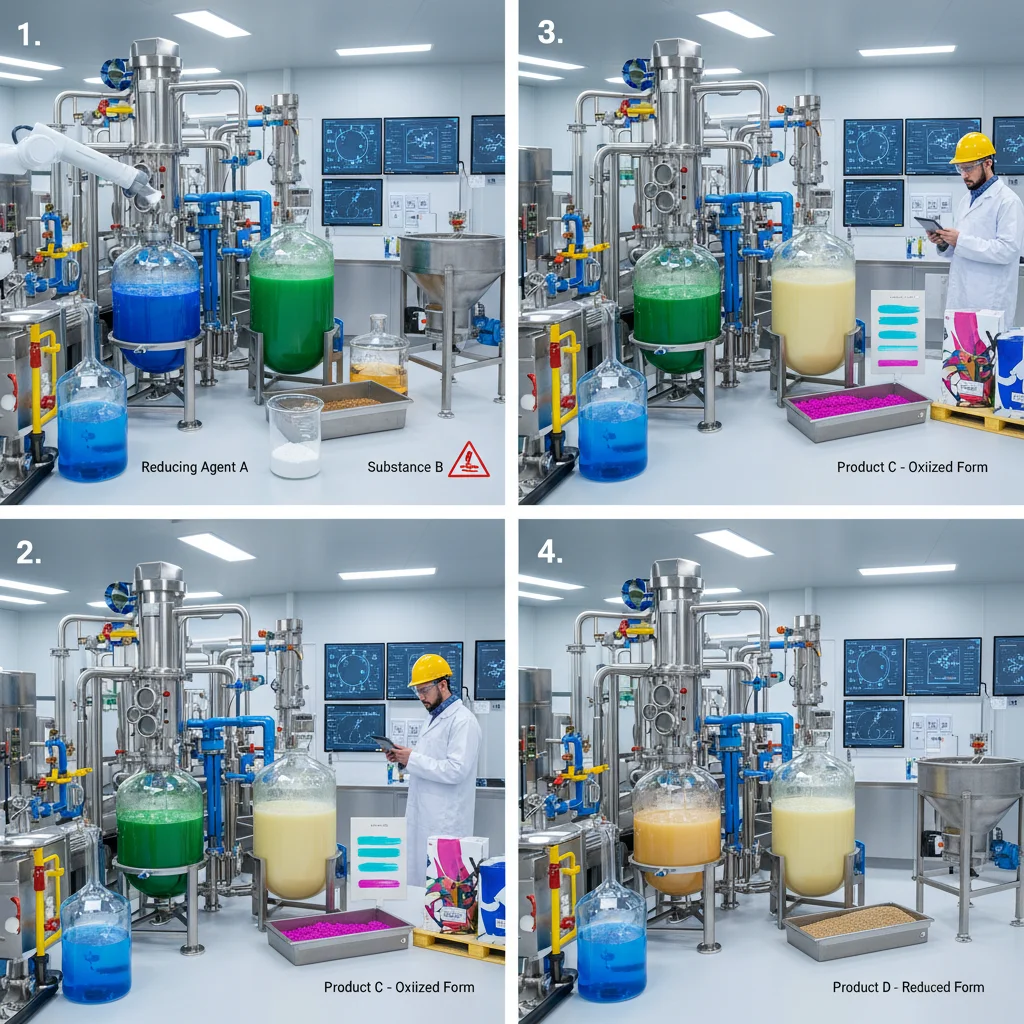
How a reducing agent undergoes oxidation or reduction in Textiles
-
Understanding The Significance Of Both Oxidising And Reducing Agent In Modern Applications
-
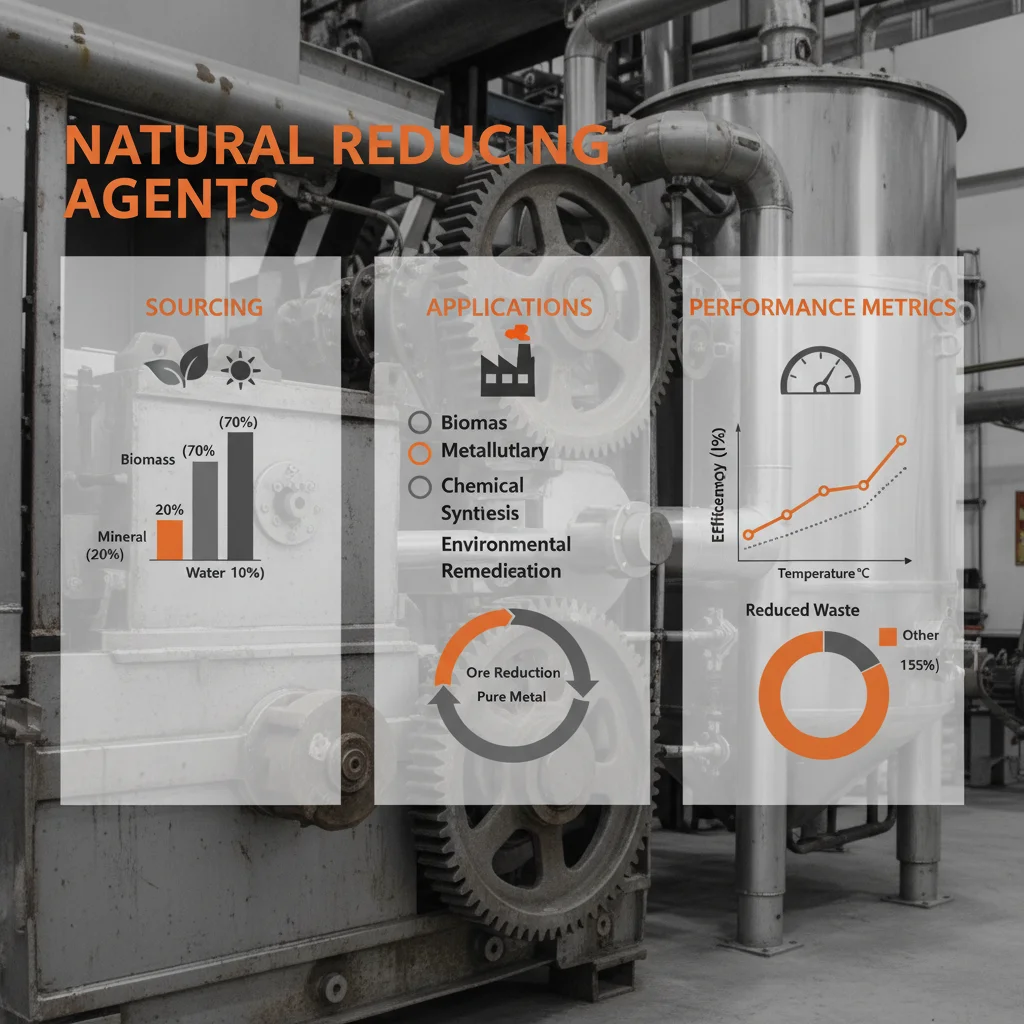
Exploring the Potential of Natural Reducing Agents for Sustainable Solutions
-
Exploring the Crucial Role of Chemical Reducing Agents in Modern Industries