
Natural reducing agents are increasingly vital across a diverse range of industries, from environmental remediation and wastewater treatment to food preservation and even innovative materials science. The ability to utilize naturally occurring substances to facilitate reduction reactions—the gain of electrons—offers a sustainable and often cost-effective alternative to traditional chemical processes. Understanding the principles and applications of these agents is paramount for fostering environmentally responsible practices and technological advancements.
The global demand for sustainable solutions is driving significant interest in natural reducing agents. According to the United Nations Environment Programme (UNEP), there's a critical need to reduce reliance on hazardous chemicals in industrial processes. Furthermore, the World Bank emphasizes the importance of environmentally sound technologies for developing nations. These factors highlight the increasing relevance of harnessing the power of natural reducing agents, offering benefits such as reduced toxicity and improved biodegradability.
The application of natural reducing agent principles spans numerous sectors, presenting a compelling case for widespread adoption. From tackling pollution to developing eco-friendly packaging, these agents represent a crucial pathway toward a more sustainable future. A deeper understanding of their properties and potential applications is essential for researchers, engineers, and policymakers alike.
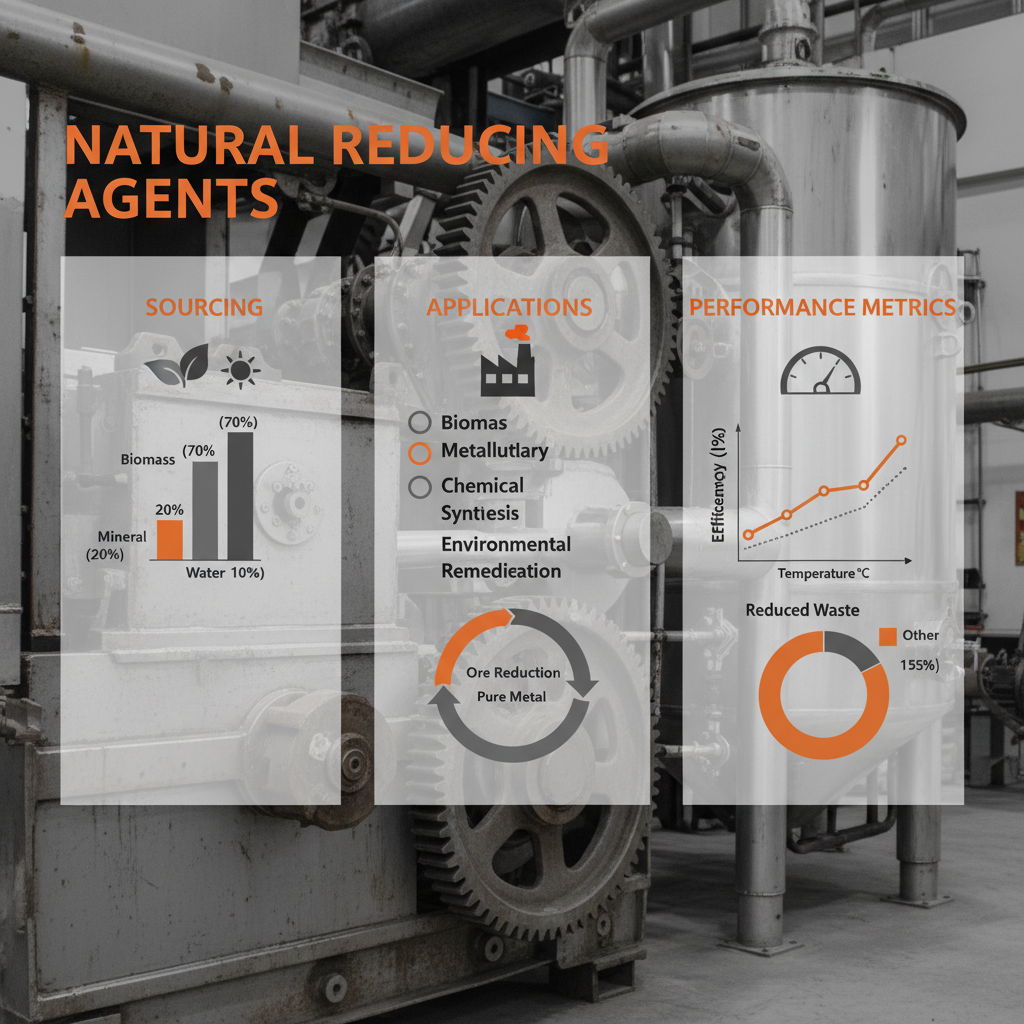
Introduction to natural reducing agent
The field of natural reducing agents is rapidly evolving, driven by the increasing need for sustainable and environmentally friendly technologies. These agents, derived from natural sources like plants, microorganisms, and minerals, are gaining prominence as alternatives to synthetic reducing compounds.
Their widespread applicability ranges from water purification—utilizing plant extracts to remove heavy metals—to food preservation—employing natural antioxidants to prevent oxidation. The versatility of natural reducing agent makes them increasingly attractive across various industries.
FAQS
Natural reducing agents offer several key advantages, including reduced toxicity, enhanced biodegradability, and often lower costs due to accessibility from renewable sources. They minimize environmental impact, aligning with sustainability goals and potentially lowering remediation costs associated with hazardous chemicals. Their natural origin also often leads to increased public acceptance and trust.
While some challenges related to scalability exist, natural reducing agents are increasingly being implemented in large-scale industrial applications. Advances in extraction and purification technologies, coupled with innovative sourcing strategies, are enabling wider adoption. Industries like wastewater treatment, food processing, and nanoparticle synthesis are successfully utilizing these agents at significant scales.
The effectiveness of natural reducing agents is highly sensitive to environmental conditions. pH significantly impacts the redox potential and solubility of the active compounds. Temperature influences reaction rates and can affect the stability of the agent. Understanding and controlling these factors are crucial for optimizing performance in specific applications. Careful monitoring and adjustment are often necessary.
Promising research areas include the discovery of novel agents from underexplored plant species and microorganisms, the development of bio-based catalysts for enhanced efficiency, and the application of nanotechnology to improve stability and delivery. Furthermore, integration with machine learning for process optimization and predictive modeling is showing significant potential.
Regulations vary by industry and region. In the food industry, natural reducing agents used as antioxidants or preservatives must comply with food safety standards and labeling requirements. In pharmaceuticals, rigorous testing and approval processes are necessary to ensure efficacy and safety. Adherence to relevant regulatory guidelines is crucial for legal and responsible use.
The lifespan of a natural reducing agent varies depending on its composition and storage conditions. Many are susceptible to oxidation and degradation over time. Maximizing shelf life involves proper storage in airtight containers, protection from light and heat, and potentially the addition of stabilizers or encapsulation techniques. Regular quality control testing is also recommended.
Conclusion
In conclusion, natural reducing agents represent a vital pathway towards sustainable and environmentally responsible practices across a broad spectrum of industries. Their biodegradability, lower toxicity, and often cost-effectiveness make them attractive alternatives to traditional chemical reducing agents. The ongoing research and development efforts focused on enhancing their performance and scalability promise even wider adoption in the future.
Investing in the exploration and implementation of natural reducing agent technologies is not merely an environmental imperative but also a strategic advantage for businesses and policymakers alike. By embracing these innovative solutions, we can contribute to a healthier planet, a more sustainable economy, and a brighter future. Visit our website at www.dyeingchem.com to learn more.
Related Posts
-

Exploring the Versatile Applications of Inorganic Reducing Agents in Industry and Beyond
-
Navigating Dye Auxiliaries Selection and Application in Modern Textile Processes
-

Optimizing Textile Processes by Finding Oxidation and Reduction Agents for Enhanced Quality
-

Understanding Reducing Agents Their Applications and Future Trends