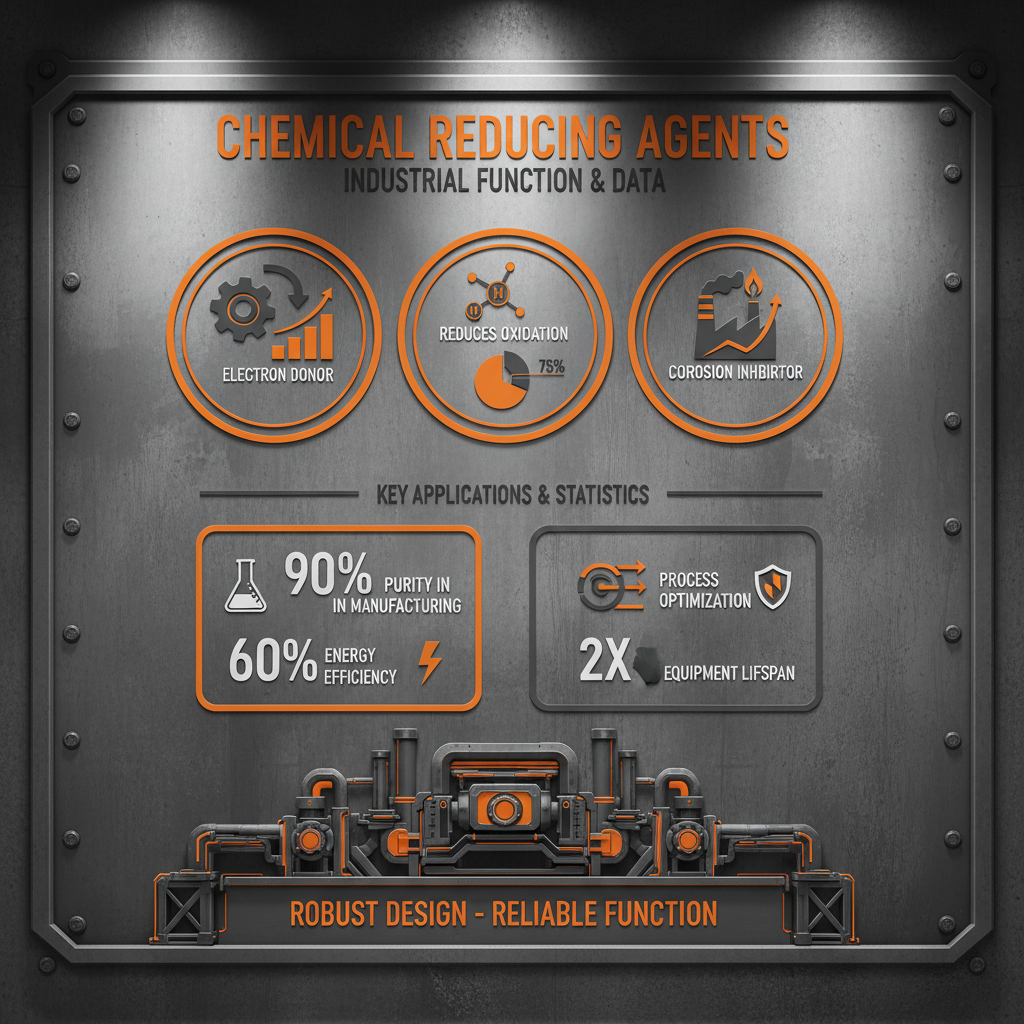
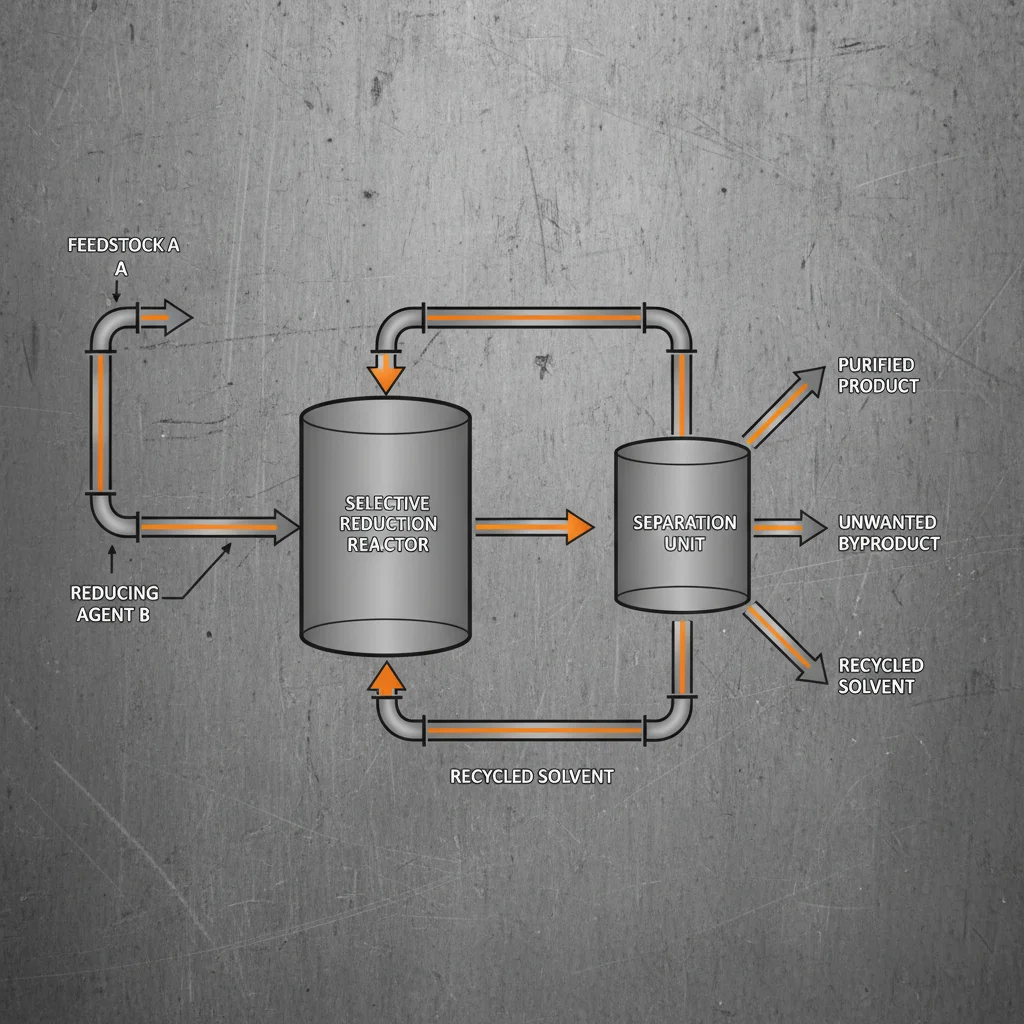
Chemical reducing agents are substances that donate electrons to another chemical species in a redox (reduction-oxidation) reaction. These agents are fundamentally important across a vast spectrum of industries and scientific disciplines, from industrial manufacturing and environmental remediation to biological processes and analytical chemistry. Understanding their properties and applications is crucial for innovation and problem-solving in a world increasingly focused on sustainable technologies and efficient resource management. The careful selection and implementation of a chemical reducing agent can dramatically impact process efficiency, product quality, and environmental footprint.
The global relevance of chemical reducing agents stems from their ubiquitous role in essential processes. According to the UN Environment Programme, industries relying on redox reactions – including chemical manufacturing, wastewater treatment, and metal processing – contribute significantly to global pollution. Effective use of reducing agents is vital for mitigating these environmental impacts. Furthermore, advancements in energy storage, particularly in battery technology, heavily depend on the development of new and efficient reducing agents. The World Bank reports increasing investment in green technologies, driving demand for sustainable chemical solutions, including environmentally friendly reducing agents.
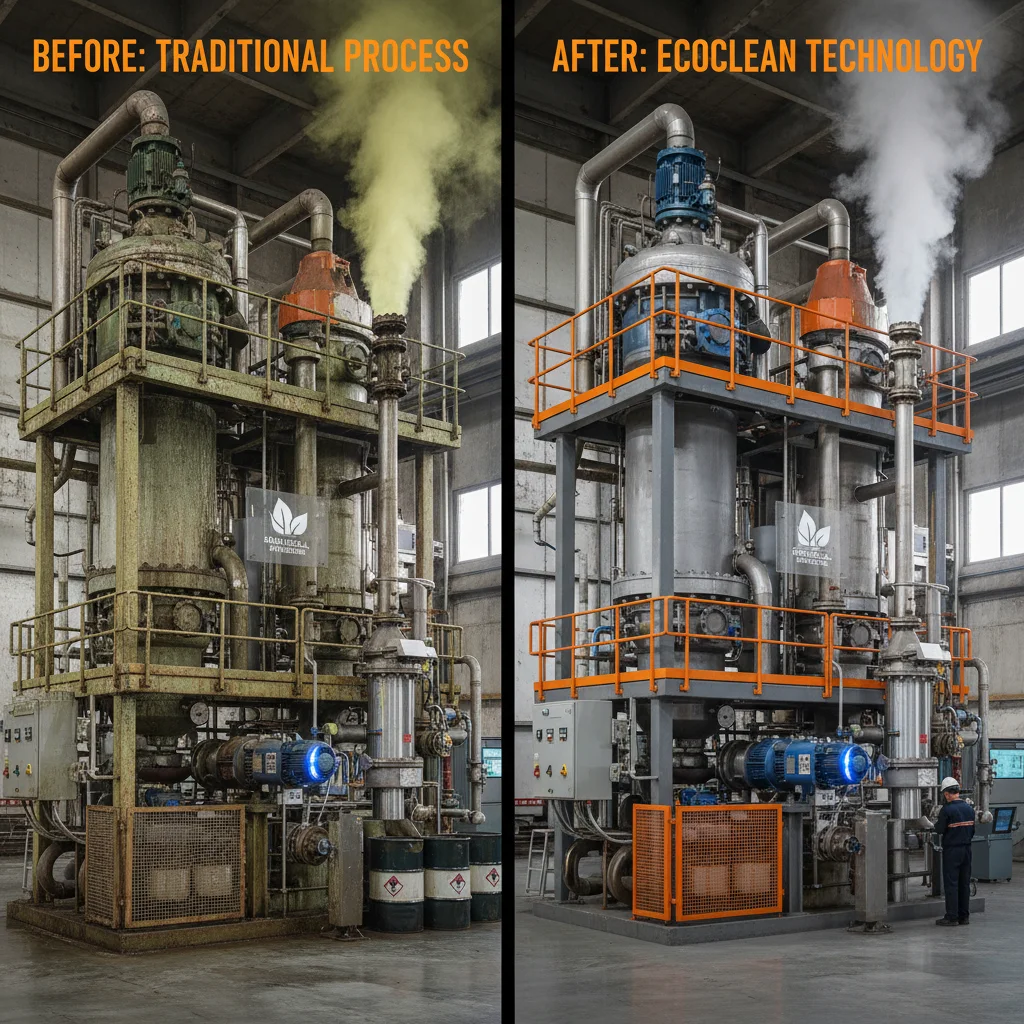
The challenge lies in balancing reactivity with selectivity and sustainability. Traditional reducing agents often pose environmental concerns due to toxicity or byproduct generation. Addressing this requires the development of innovative, eco-friendly alternatives and optimized reaction conditions, making the study and application of chemical reducing agents a critical area of ongoing research and development.

Introduction to Chemical Reducing Agents
The fundamental principle behind a chemical reducing agent’s effectiveness lies in its ability to readily donate electrons. This electron donation facilitates the reduction of another species, while the reducing agent itself undergoes oxidation. The strength of a reducing agent is quantified by its reduction potential – a more negative reduction potential indicates a stronger reducing agent. This property dictates the agent’s capacity to drive redox reactions and influence the efficiency of various chemical processes.
The selection of an appropriate chemical reducing agent is paramount, considering factors like reaction conditions, desired selectivity, cost, and environmental impact. Different reducing agents exhibit varying strengths, selectivities, and compatibilities with different reaction environments. For example, sodium borohydride is often favored for selective reductions in organic chemistry, while iron powder is commonly used in large-scale industrial processes. Understanding these nuances is critical for optimizing performance and minimizing unwanted side reactions.
Defining Chemical Reducing Agents
At its core, a chemical reducing agent is a substance that loses electrons to another substance in a chemical reaction. This electron transfer is what defines the "reducing" aspect, causing the other substance to be reduced. Common examples include metals like zinc and iron, hydrides such as sodium borohydride (NaBH4) and lithium aluminum hydride (LiAlH4), and certain organic compounds like ascorbic acid (Vitamin C). These agents aren't simply about electron donation; they're integral to a vast range of industrial and biological processes.
The connection to modern industry is profound. From metal extraction and refining, where reducing agents like carbon monoxide are used to convert metal oxides into pure metals, to the production of plastics and pharmaceuticals, redox reactions driven by these agents are essential. Furthermore, they are critical in wastewater treatment for removing pollutants and in the energy sector for battery technologies and fuel cell development. The humanitarian need arises in applications like water purification and emergency medical care, where reducing agents can facilitate the production of safe drinking water and provide critical medical interventions.
The effectiveness of a chemical reducing agent is determined by its ability to readily give up electrons. The ease with which this occurs is measured by its reduction potential; the lower the potential, the stronger the reducing agent. This property allows for the precise control of chemical reactions, essential for producing high-quality products and mitigating unwanted side effects.
Core Properties of Chemical Reducing Agents
One crucial property is Reduction Potential: As previously mentioned, this measures the tendency of a chemical species to gain electrons and become reduced. A more negative reduction potential indicates a stronger reducing agent. This property dictates the agent's capacity to drive redox reactions and influence process efficiency. It’s a key factor in selecting the appropriate agent for a specific application.
Selectivity is another vital aspect. Different reducing agents exhibit varying degrees of selectivity, meaning they preferentially reduce certain functional groups or chemical species over others. This is critical in organic chemistry and pharmaceutical manufacturing, where precise control over reaction pathways is essential. For example, sodium borohydride selectively reduces ketones and aldehydes without affecting esters.
Stability also plays a significant role. Some reducing agents are highly reactive and unstable, requiring careful handling and storage. Others are more stable and easier to use. Stability influences storage requirements, safety protocols, and overall process control. The cost-effectiveness of a reducing agent is also a key consideration, balancing performance with economic feasibility. Finally, environmental impact is becoming increasingly important, driving the development of ‘green’ reducing agents that minimize pollution and waste.
Practical Applications and Scalability
The applications of chemical reducing agents are extraordinarily diverse. In the metallurgical industry, carbon and carbon monoxide are used on a massive scale to reduce metal oxides, extracting valuable metals like iron, copper, and aluminum. Similarly, in the chemical industry, reducing agents are essential for synthesizing a wide range of organic compounds, from pharmaceuticals and plastics to dyes and pigments. The scalability of these processes is often a key consideration, demanding robust and efficient reducing agents capable of handling large volumes.
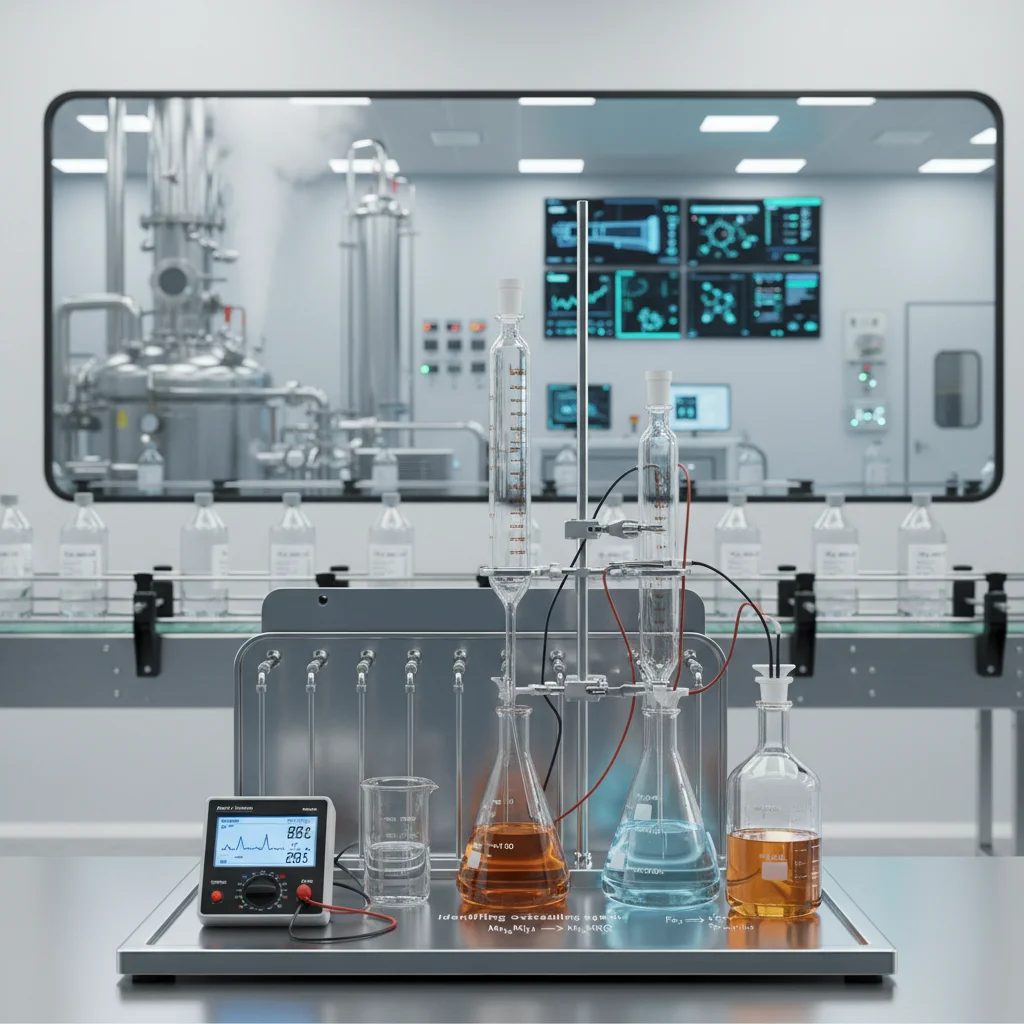
Beyond large-scale industrial processes, chemical reducing agents find application in smaller, more specialized areas. For example, silver nitrate is used in photography to reduce silver ions to metallic silver, forming the image. In analytical chemistry, reducing agents are used in titrations and other quantitative analyses to determine the concentration of various substances. Furthermore, the development of new battery technologies relies heavily on efficient and stable reducing agents to facilitate electron transfer and energy storage.
Comparative Efficiency of Chemical Reducing Agent Methods
Global Applications of Chemical Reducing Agents
The demand for chemical reducing agents is particularly high in rapidly industrializing nations, such as China and India, where significant investments are being made in manufacturing, infrastructure, and environmental remediation. In Europe and North America, the focus is shifting towards sustainable and environmentally friendly reducing agents, driven by stringent environmental regulations and a growing consumer demand for ‘green’ products. For example, the automotive industry relies heavily on reducing agents in the production of catalytic converters, minimizing harmful emissions.
In post-disaster relief operations, reducing agents play a vital role in water purification, providing safe drinking water to affected populations. Organizations like the Red Cross and UNICEF utilize portable water purification systems that employ reducing agents to remove contaminants and ensure water safety. Similarly, in remote industrial zones, such as mining operations in South America, reducing agents are essential for extracting and refining valuable minerals. The pharmaceutical industry globally relies on a wide array of reducing agents for synthesizing complex drug molecules.
Advantages and Long-Term Value
The advantages of effectively utilizing chemical reducing agents are multifaceted. From a cost perspective, optimized reduction processes can significantly reduce raw material consumption and waste generation, leading to substantial savings. Sustainability is enhanced through the development and adoption of environmentally friendly reducing agents, minimizing pollution and promoting responsible chemical practices. Socially, access to clean water and improved healthcare—enabled by reducing agents—contributes to public health and well-being. Finally, reliance on robust and efficient reducing agents enhances the reliability and performance of critical industrial processes.
The long-term value extends beyond purely economic considerations. Investing in research and development of novel reducing agents fosters innovation and technological advancement. Building trust with stakeholders – including consumers, regulators, and communities – is vital for maintaining a positive brand reputation and ensuring long-term business success. Moreover, prioritizing safety in the handling and application of these agents protects workers and minimizes environmental risks. A proactive approach to responsible chemical management builds a foundation for a sustainable future.
Future Trends in Chemical Reducing Agents
The future of chemical reducing agents is poised for significant innovation, driven by the global push for sustainability and green chemistry. Research is focusing on developing bio-based reducing agents derived from renewable resources, such as biomass and agricultural waste. These alternatives offer a reduced environmental footprint compared to traditional petroleum-based agents. Furthermore, the integration of digital technologies, such as machine learning and process automation, is enabling more precise control over redox reactions and optimization of reducing agent usage.
Another promising trend is the exploration of nanomaterials as reducing agents. Nanoparticles exhibit unique catalytic properties, allowing for more efficient and selective reduction reactions. The rise of green energy technologies, particularly hydrogen fuel cells, is creating a growing demand for efficient and stable reducing agents capable of facilitating hydrogen production and storage. Policy changes, such as stricter environmental regulations and incentives for sustainable chemical practices, will also play a key role in shaping the future landscape.
The continued development of electrocatalytic reducing agents is also noteworthy. These utilize electricity to drive reduction reactions, offering a clean and efficient alternative to traditional chemical methods. This technology has significant potential for applications in wastewater treatment, carbon dioxide reduction, and energy storage, showcasing the pivotal role of chemical reducing agents in building a more sustainable future.
Challenges & Solutions
Despite their widespread utility, utilizing chemical reducing agents faces several challenges. Many traditional reducing agents are toxic, corrosive, or produce harmful byproducts, posing environmental and safety concerns. Selectivity can also be an issue, leading to unwanted side reactions and reduced product yield. The cost of some reducing agents, particularly those with specialized applications, can be prohibitive. Furthermore, scaling up laboratory-scale reductions to industrial production often presents significant technical hurdles.
Solutions lie in developing and implementing innovative alternatives. Research into bio-based reducing agents, such as enzymes and microbial systems, offers a promising pathway towards more sustainable and environmentally friendly options. Utilizing advanced catalytic materials can enhance selectivity and reduce byproduct formation. Employing process intensification techniques, such as microreactors and continuous flow systems, can improve efficiency and scalability. Implementing closed-loop systems and waste valorization strategies can minimize environmental impact and recover valuable resources.
Finally, a shift towards data-driven optimization, leveraging machine learning and process modeling, can facilitate precise control over redox reactions and minimize waste. Collaborative efforts between academia, industry, and regulatory agencies are crucial for accelerating the development and adoption of safer, more efficient, and sustainable chemical reducing agents.
Summary of Challenges and Solutions in Chemical Reducing Agent Implementation
| Challenge |
Impact Level (1-10) |
Potential Solution |
Implementation Cost (1-10) |
| Toxicity of Traditional Agents |
9 |
Bio-based Reducing Agents |
6 |
| Low Selectivity |
7 |
Advanced Catalytic Materials |
8 |
| High Cost |
6 |
Waste Valorization & Recycling |
5 |
| Scalability Issues |
8 |
Microreactors & Continuous Flow |
7 |
| Environmental Impact |
10 |
Closed-Loop Systems |
9 |
| Process Control Challenges |
7 |
Data-Driven Optimization |
4 |
FAQS
Traditional chemical reducing agents often pose significant environmental risks due to their toxicity and the production of harmful byproducts. These byproducts can contaminate water sources and soil, impacting ecosystems and human health. The manufacturing processes for some reducing agents also contribute to greenhouse gas emissions. Switching to bio-based or electrocatalytic alternatives is a crucial step toward minimizing the environmental footprint of redox reactions. The use of chemical reducing agent alternatives is now a high priority.
Improving selectivity involves carefully selecting the reducing agent and reaction conditions. Utilizing catalysts, controlling reaction temperature, and optimizing solvent choices can all enhance selectivity. Employing protecting groups to block unwanted reactive sites is another common strategy in organic synthesis. The specific approach depends on the functional groups involved and the desired product.
Scaling up presents challenges related to heat transfer, mass transfer, and process control. Maintaining consistent reaction conditions across a larger volume can be difficult. Safety concerns also increase with scale. Careful reactor design, efficient mixing, and robust monitoring systems are essential for successful scale-up. The cost of materials and waste disposal also become more significant factors.
Yes, sodium borohydride (NaBH4) is often a more cost-effective alternative to LiAlH4, although it is less reactive. Catalytic hydrogenation using hydrogen gas and a metal catalyst can also be a cost-effective option for certain reductions. Exploring enzymatic reductions can offer both cost savings and environmental benefits. The optimal choice depends on the specific reaction requirements.
Safety is paramount when handling reducing agents. Always wear appropriate personal protective equipment (PPE), including gloves, goggles, and a lab coat. Store reducing agents in a cool, dry, and well-ventilated area, away from incompatible materials. Follow established safety protocols for handling flammable and reactive chemicals. Proper training is essential for all personnel involved.
Bio-based reducing agents, derived from renewable resources, offer a sustainable alternative to traditional petroleum-based options. They reduce reliance on fossil fuels and minimize environmental pollution. Enzymes and microbial systems can perform selective reductions under mild conditions, reducing energy consumption and waste generation. Their biodegradability further enhances their sustainability profile.
Conclusion
Chemical reducing agents are fundamental to a vast array of industries and processes, playing a critical role in everything from metal extraction to pharmaceutical synthesis and wastewater treatment. Understanding their properties, applications, and future trends is essential for addressing global challenges related to sustainability, resource management, and environmental protection. The development and implementation of innovative, environmentally friendly reducing agents are crucial for building a more sustainable future.
Looking ahead, the field of chemical reducing agents will continue to evolve, driven by the demand for more efficient, selective, and sustainable solutions. Investing in research and development of bio-based alternatives, advanced catalytic materials, and process intensification techniques will be essential for unlocking new possibilities. A collaborative approach, involving academia, industry, and policymakers, will be critical for accelerating the transition towards a more responsible and sustainable chemical landscape. To explore chemical reducing agent options today, visit our website.