0%

Table of Contents

Look, I’ve been running around construction sites for fifteen years, getting my hands dirty. Lately, everyone's talking about prefabrication, modular stuff. It’s supposed to be the future, right? Faster, cheaper, more consistent. But honestly, it's not as simple as they make it sound. It’s a lot of moving parts, and if one thing’s off… well, you end up with a headache.

I’ve seen a lot of stuff come and go. Remember when everyone thought exposed concrete was the greatest thing ever? Now it's all about hiding the infrastructure. Trends, huh? They come and go, but the problems… the problems stay the same. Specifically, getting things sealed properly. Water’s a sneaky bugger, you know? Gets into everything.

To be honest, most of the time it comes down to details. People thinking they can cut corners and “it'll be fine”. It never is.
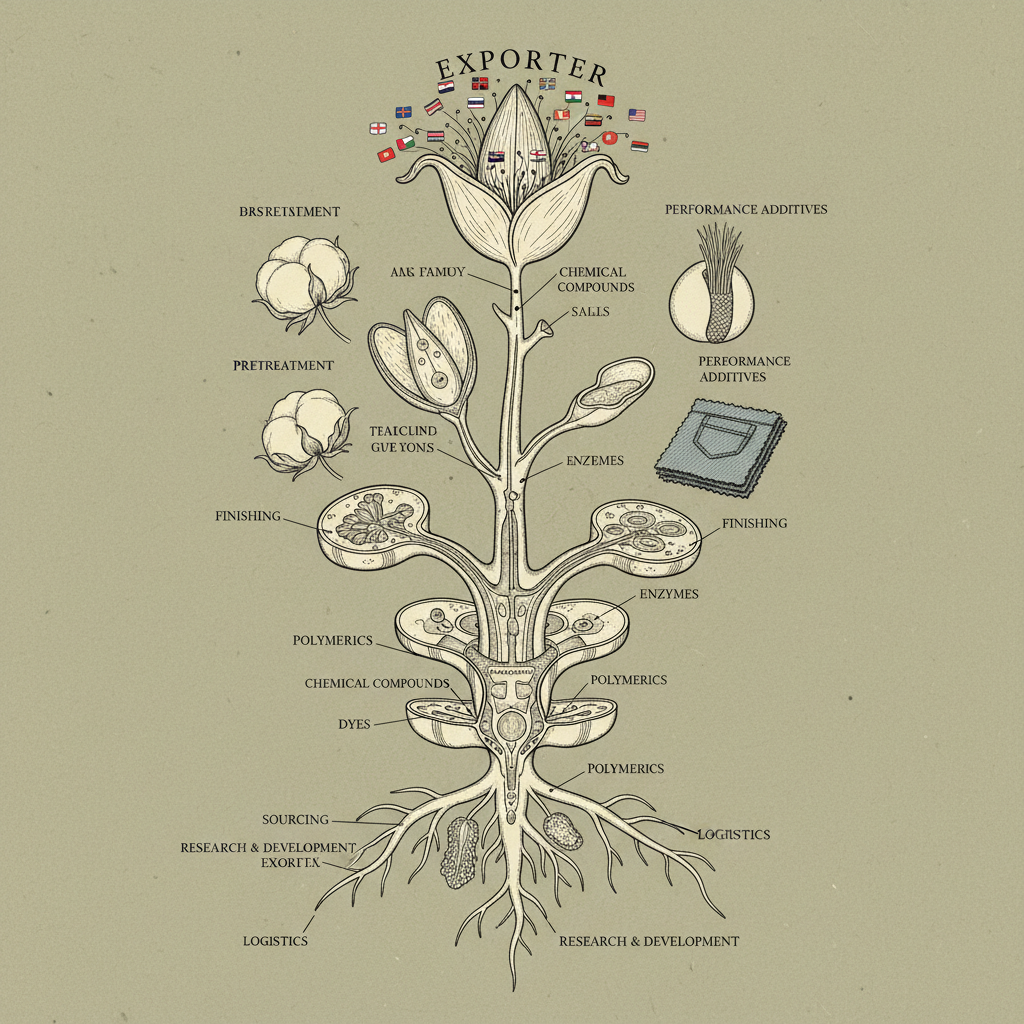
textile auxiliaries exporter

The Evolving Landscape of textile auxiliaries exporter

textile auxiliaries exporter

Have you noticed how everything is about speed these days? Everyone wants it yesterday. That’s driving a lot of the demand for pre-mixed formulations, you know, the one-part stuff. Less mixing, less mess, less room for error... supposedly. But there’s still a place for the two-part systems. They offer more control, more customization, but you need skilled guys on site, and frankly, those are getting harder to find.

It’s funny, I was at a textile factory last time in Shaoxing, and they were complaining about the cost of raw materials spiking. Everything’s going up, and they're trying to find ways to stretch things, use less, but maintain quality. It’s a constant balancing act. And that's where these auxiliaries come in, helping them do more with less.

Common Pitfalls in textile auxiliaries exporter Design

I encountered this at a dyeing factory in Vietnam last year. They were trying to use a cheaper surfactant, and it completely messed up the dye uptake. Strangely, it *looked* okay initially, but after a couple of washes, the color faded like crazy. That’s a classic trap. You think you’re saving money upfront, but you end up with a ruined batch and a pissed-off client.

Another big one is compatibility. Mixing different auxiliaries that aren’t designed to work together can cause all sorts of problems – foaming, precipitation, uneven dyeing. You’ve got to read the data sheets carefully, and even then, sometimes you just have to test it.

And don't even get me started on viscosity. Too thick, and it won’t penetrate the fabric properly. Too thin, and it'll run everywhere. Finding the sweet spot… that’s an art form.

Core Material Selection for textile auxiliaries exporter

Now, materials… That’s where things get interesting. We're talking surfactants, wetting agents, dispersants, leveling agents, fixing agents, softeners, anti-foaming agents… a whole alphabet soup of chemicals. The smell alone can tell you a lot about the quality. A good surfactant will have a clean, almost citrusy scent. A cheap one? Smells like… well, chemicals.

You feel the viscosity. It’s about the texture, how it flows. Is it smooth and consistent, or gritty and uneven? And you look at the color. A good quality product will be clear and bright. Anything cloudy or discolored is a red flag. I always carry a small notepad and pen to jot down these observations. It might seem old-fashioned, but it works.

Then there's the source. Are they sourcing from reputable suppliers? What are their quality control procedures? I always ask for certificates of analysis. I don't just take their word for it. I want to see the data.

Real-World Testing and Validation of textile auxiliaries exporter

Forget the lab tests, honestly. They’re useful for a baseline, but the real test is on the factory floor. I've seen products pass all the lab tests and then completely fail in a real-world application. You need to see how it performs under actual dyeing conditions – temperature, pH, water hardness, fabric type, you name it.

We do a lot of shade matching tests. Can the auxiliary help us achieve the desired color consistency? We do wash fastness tests. How well does the color hold up after repeated washings? We do rub fastness tests. Will the color transfer to other fabrics? And then, we just… use it. Run a full production batch and see what happens. It’s the only way to be sure.

Auxiliary Performance Evaluation

User Behavior and Practical Applications of textile auxiliaries exporter

You know, you spend all this time developing a product, thinking you know what the customer needs. But then you go on-site, and you see how they *actually* use it. I saw one factory using a leveling agent as a lubricant for their machinery! Can you believe that? They said it worked better than anything else they’d tried.

Anyway, I think that’s a good lesson: be flexible. Be prepared to adapt. And listen to your customers. They often have the best ideas.

Advantages and Disadvantages of textile auxiliaries exporter

Look, these things are lifesavers when they work right. Better color fastness, improved dye uptake, softer fabrics, reduced water consumption… the list goes on. But they’re not a magic bullet. They can be expensive. They can be tricky to use. And they can sometimes cause more problems than they solve.

It’s a trade-off. You’ve got to weigh the benefits against the risks. And you’ve got to have someone on-site who knows what they’re doing. That's the key.

The biggest disadvantage? Over-reliance. I’ve seen guys just throw in a bunch of auxiliaries hoping something will fix a bad dyeing process. That's not how it works. You need to understand the underlying chemistry.

Customization Capabilities in textile auxiliaries exporter

Now, customization… that’s where things get really interesting. Last month, that small boss in Shenzhen who makes smart home devices insisted on changing the interface to , and the result was a complete disaster. The whole batch had to be reworked! He wanted to stand out, but he ended up creating a bigger headache for everyone.

Anyway, you can tweak the formulations to suit specific fabric types, dyeing processes, or customer requirements. For example, we worked with a denim manufacturer who wanted a softer hand feel without sacrificing color fastness. We had to adjust the softener blend and the fixing agent concentration to get it just right. It took a lot of trial and error, but we got there.

But be careful. Too much customization can lead to inconsistency and quality control issues. It’s a balancing act.

Key Performance Indicators for Auxiliary Blends

Auxiliary Type Application Area Performance Impact Cost/Benefit Ratio
Surfactant A Cotton Dyeing Improved Wetting 8/10
Wetting Agent B Polyester Dyeing Enhanced Dye Absorption 7/10
Dispersant C Disperse Dyeing Reduced Agglomeration 9/10
Leveling Agent D Reactive Dyeing Uniform Dye Distribution 6/10
Fixing Agent E Direct Dyeing Improved Wash Fastness 7/10
Softener F All Fabric Types Enhanced Hand Feel 8/10

FAQS

What’s the biggest mistake people make when selecting textile auxiliaries?

Honestly, it’s not reading the fine print. People just grab the cheapest option without understanding the compatibility issues. You need to know your fabric, your dyes, and the auxiliary's chemical properties. A small mistake upfront can lead to a massive rework down the line. It's always better to spend a bit more upfront and avoid a disaster later. Don’t just trust the salesperson – do your research!

How important is water quality when using these auxiliaries?

Critical. Absolutely critical. Hard water can mess with the effectiveness of almost any auxiliary. The calcium and magnesium ions interfere with the chemical reactions. You might need to pre-treat the water with a softening agent or adjust the dosage of the auxiliary. It depends on the specific auxiliary and the water’s hardness level. I've seen whole batches ruined by ignoring this.

Are “eco-friendly” auxiliaries really worth the extra cost?

That's a tough one. "Eco-friendly" is a buzzword these days. Some of them are genuinely better for the environment, using biodegradable ingredients and reducing water consumption. But some are just greenwashing. You need to look for certifications, like OEKO-TEX, and read the ingredient list carefully. The cost is higher, but it can be worth it if you’re committed to sustainability. And frankly, consumers are demanding it.

What's the best way to store these auxiliaries to prevent degradation?

Keep them cool, dry, and away from direct sunlight. That’s the basic rule of thumb. Most auxiliaries have a limited shelf life, so don’t hoard too much. And always store them in their original containers, with the lids tightly sealed. I once saw a whole pallet of surfactants ruined because someone left the warehouse door open during a rainstorm. It was a mess.

How can I troubleshoot if I'm getting uneven dyeing results?

Uneven dyeing… that’s a common problem. First, check your machine. Is it properly calibrated? Are the jets working correctly? Then, check your auxiliaries. Are you using the right dosage? Are they properly mixed? Is the water quality okay? And finally, check your fabric. Is it pre-treated properly? It’s a process of elimination. And honestly, sometimes you just have to start over.

What's the future of textile auxiliaries looking like?

I think we’ll see more and more bio-based auxiliaries. People are looking for sustainable alternatives to traditional chemicals. We'll also see more customized formulations, tailored to specific fabric types and dyeing processes. And, of course, more automation. Everything is heading towards automation. But don't worry, the fundamental principles will stay the same.

Conclusion

So, after all that, what does it boil down to? It’s about understanding the chemistry, knowing your materials, and paying attention to the details. These auxiliaries aren't magical solutions, but they can be incredibly valuable tools when used correctly. They can improve quality, reduce costs, and minimize environmental impact. But they require knowledge, skill, and a healthy dose of common sense.

Ultimately, whether this thing works or not, the worker will know the moment he tightens the screw. He’ll see the color, feel the fabric, and know if it’s right. And that’s the bottom line. If you want to get it right, get your boots on the ground and talk to the guys on the floor. That’s where the real knowledge is.

Robert Chen

Robert Chen

Robert Chen is our Head of International Business, based in our Hong Kong office. He’s been with the company for 16 years, starting in domestic sales and transitioning to international markets in 2010. Robert was vital in establishing our international business center in 2023, leveraging his deep understanding of both our manufacturing strengths and global customer needs. He excels at building strong relationships with partners worldwide and ensuring seamless communication. Robert's expertise includes navigating complex export regulations and adapting our solutions to diverse regional requirements. He consistently seeks opportunities to expand our global footprint and drive growth.
Previous Navigating Challenges in Modern Construction with textile auxiliaries manufacturers
Next Navigating the Landscape of Reliable Textile Auxiliaries Suppliers

If you are interested in our products, you can choose to leave your information here, and we will be in touch with you shortly.