
Honestly, the whole industry's gone crazy for prefabricated components lately. Everyone's talking about modular builds, off-site construction… It’s supposed to speed things up, reduce waste, you know the drill. But you get to a site, and it's still the same old story – things never quite fit. Been seeing a lot of issues with tolerances, especially when you’re mixing materials from different suppliers. It's a headache, I tell ya.
Have you noticed how everyone’s obsessed with these super-thin walls? Trying to save a few bucks on materials, but they end up sounding like tissue paper. And the detailing… oh, the detailing. People design these beautiful, complex joints on CAD, but they haven’t spent a day on a windy construction site trying to assemble them. I encountered this at a factory in Foshan last time, trying to install a pre-hung door – the frame was warped, the hinges didn't align… total chaos. It’s the little things, you know?
We’re mostly using high-density fiber cement board for cladding these days. It's…well, it feels like concrete, smells vaguely of dust and disappointment, and you absolutely need gloves and a mask when cutting it. It's tough stuff, resists impact pretty well, but it's also incredibly heavy. Then there’s the timber framing, treated pine mostly. Got to be careful with that stuff, especially if it’s been sitting out in the rain – warping is a real problem. And strangely, a lot of companies are switching back to galvanized steel for connectors. More expensive upfront, but it holds up much better to corrosion.
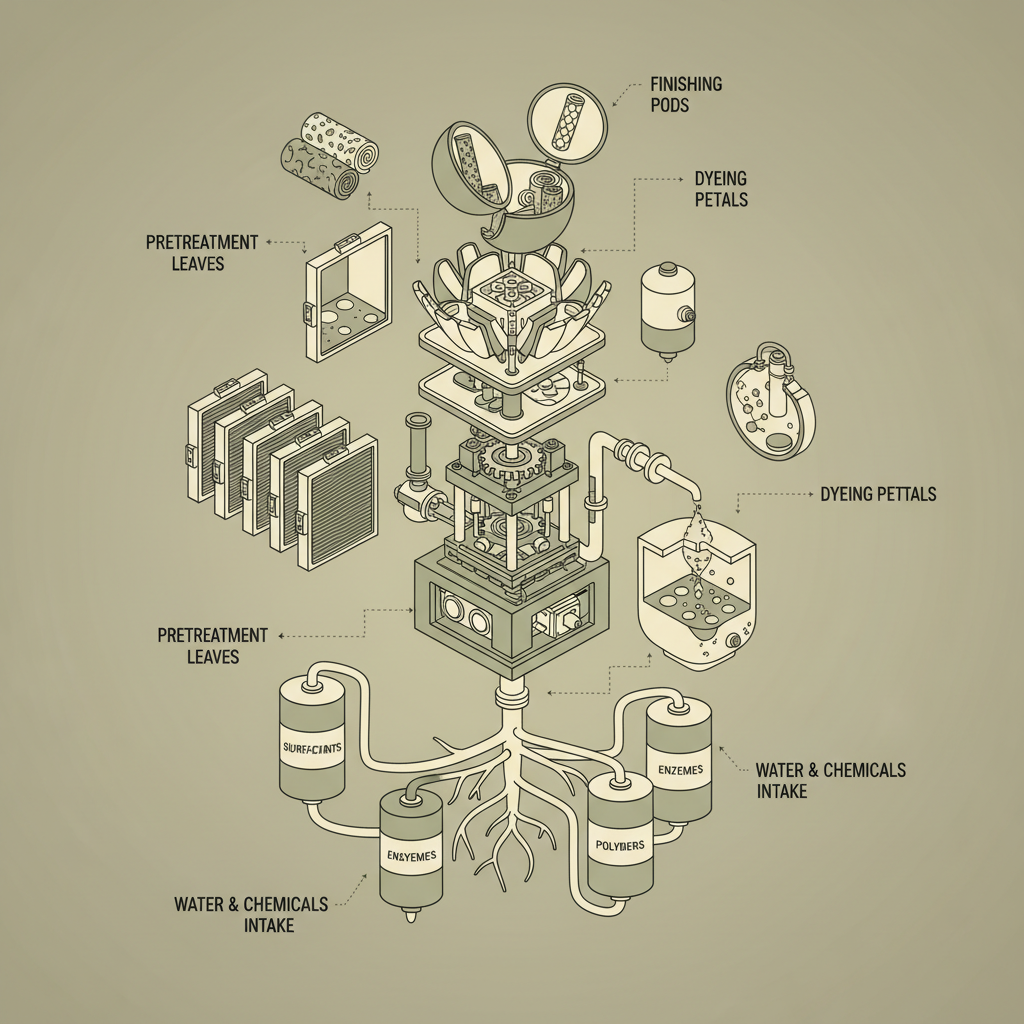
The Current Landscape of textile auxiliaries manufacturers

We don't really "test" these things in a lab, not the way engineers want us to, anyway. We throw 'em up, see if they fall down in a storm. The real test is how the builders handle them. Can they put it together quickly? Does it cause extra work? I saw a modular bathroom pod installation last month where they had to practically rebuild the floor because the drainage wasn’t aligned. It's that kind of stuff.
I mean, you can do all the simulations you want, but nothing beats real-world conditions. Wind load, seismic activity, just plain old human error. We had a contractor tell us one of our panel systems was too easy to damage during transport – he said his guys were bumping into them constantly. Turns out they needed extra bracing.
FAQS
Sloped sites throw a wrench into everything, honestly. You've got to deal with uneven foundations, drainage issues, and awkward angles. Prefabricated components are designed for level surfaces, so you often end up with a lot of cutting and fitting, which defeats the purpose. You've got to do a lot of prep work and have a flexible design to make it work, and even then, expect some headaches.
Absolutely crucial. I can't stress that enough. If your survey is off, even by a fraction of an inch, things will go wrong. It’s the first thing I check when I arrive on a new site. We use laser scanners now, which are much more accurate than traditional methods. But even with the best technology, you still need a skilled surveyor.
Depends on the materials, of course. Fiber cement board needs to be repainted every few years. Timber needs to be treated for rot and insects. Steel needs to be protected from corrosion. It's the same as any other building material, really. The key is regular inspection and preventative maintenance. Don't ignore small problems, or they'll turn into big ones.
It's not ideal, but it's possible. It depends on the design and how it was originally assembled. Cutting into panels can compromise their structural integrity, so you need to be careful. It's always easier to plan for future expansion upfront. Adding an extension later can be a real pain.
Proper sealing is everything. Pay close attention to joints and connections. Use high-quality sealants and flashing. Don't skimp on this step. And make sure the components are properly stored on site to prevent water damage before installation. We lost a whole shipment of panels last year because they were left out in the rain unprotected.
Absolutely. Look for ISO 9001 certification for quality management. Also, check if the components meet local building codes and regulations. And don't be afraid to ask for references. Talk to other contractors who have used their products. A good supplier will be happy to provide you with information and support.
Conclusion
Ultimately, prefabricated components are a tool. They can speed up construction, reduce waste, and improve quality – but only if they’re designed well, manufactured properly, and installed correctly. There's a lot of hype around this technology, but it's not a silver bullet. It's just another way to build.
And let’s be real, whether this thing works or not, the worker will know the moment he tightens the screw. That’s the truth of it. If it feels solid, it probably is. If it feels flimsy, well… you've got a problem. Don't overthink it. Get your hands dirty and trust your gut.