
Honestly, things are moving so fast these days. Everyone's talking about smart construction, prefabrication… it’s all about speed, right? But what I’ve been seeing on site – and believe me, I've been in the mud at more factories than I care to remember – is that a lot of these “innovations” forget the basics. They look good on paper, but try getting a guy with sweaty hands and a deadline breathing down his neck to fiddle with a touchscreen interface. It just doesn't fly.
You know what I mean? They spend all this money on fancy software, but skimp on the damn cable glands. I encountered this at a pre-fab housing factory in Jiangsu province last time – water ingress everywhere! Anyway, I think the biggest trap in product design right now is overcomplication. Keep it simple, keep it robust, and for the love of all that is holy, make it weatherproof.
We're talking about a lot of different materials these days, mostly variations on polymers and composites. Polypropylene is still king, though. Smells like… well, plastic, obviously. But it’s tough, flexible, and relatively cheap. I've seen guys using it for everything from temporary shelters to drainage systems. You can bend it, cut it, weld it... But it gets brittle in the cold, that's a fact. Then you've got your PVC, your HDPE... they all have their place, their little quirks. The key is knowing how they behave, not just what the spec sheet says.
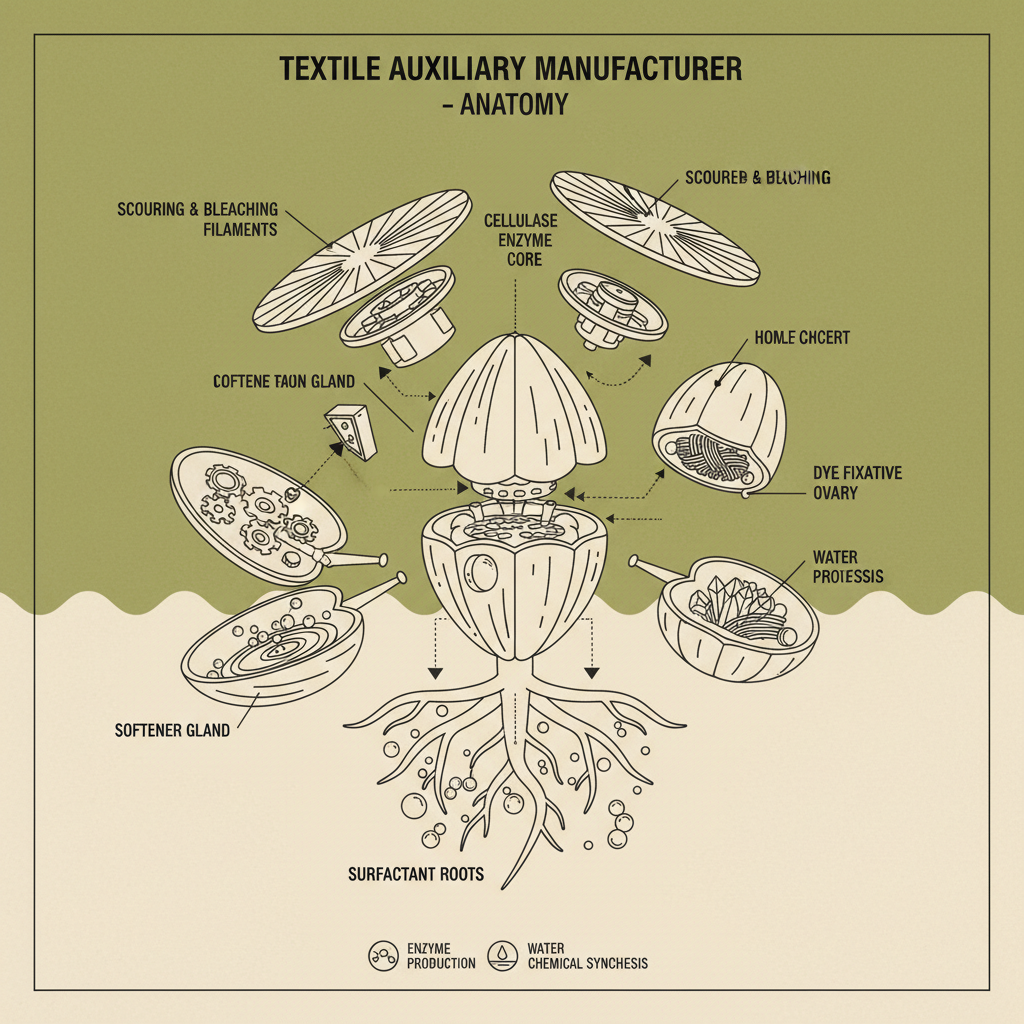
The Current Landscape of textile auxiliary manufacturer
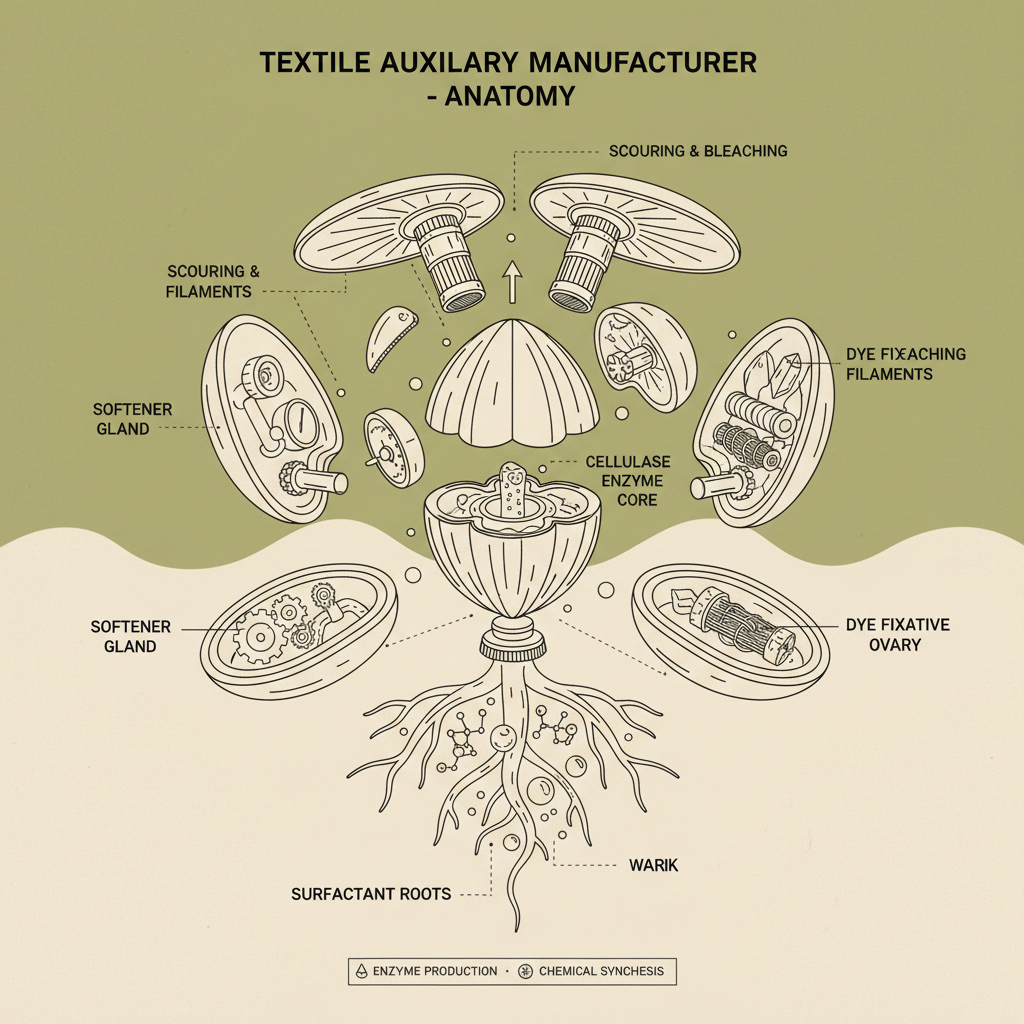
Have you noticed how everyone's chasing "sustainable" now? It’s good, I guess, but sometimes it feels like a marketing buzzword. They’re all pushing for bio-based materials, recycled content, lower VOCs… and it's all good stuff, but it can’t come at the expense of performance. I mean, a “green” product that falls apart after a month isn’t helping anyone. Strangely, I've seen just as many failures due to over-engineering as due to cutting corners.
The demand for faster build times is driving a lot of innovation in prefabrication and modular construction. It’s good for productivity, but it also puts a lot of pressure on the supply chain. Everyone's looking for ways to streamline logistics, reduce waste, and improve quality control. But let’s be real, most sites are still a chaotic mess.
FAQS
Wind is a killer. Light materials like composites can get picked up and turned into projectiles. You’ve got to secure everything properly, weigh it down, and have a safety plan in place. We had an incident in Inner Mongolia where a whole stack of panels blew off the scaffolding. Luckily, no one was hurt, but it was a costly mess. Properly securing the material, using appropriate fasteners, and having a clear site safety protocol are critical.
Hugely important. The sun degrades a lot of materials over time, making them brittle and weak. You need to look for materials that are specifically designed to withstand UV exposure, or apply a protective coating. We’ve seen some cheap plastics completely crumble after just a few months in the sun. A proper UV stabilizer additive can make all the difference, but it adds to the cost.
Wear a respirator, gloves, and long sleeves. Fiberglass particles are irritating to the skin and lungs. Store it in a sealed container or covered area to prevent dust from spreading. And always clean up any spills immediately with a vacuum cleaner—don’t sweep it, or you’ll just stir up the dust. Simple precautions can save you a lot of discomfort.
It depends on the quality of the recycled material and the manufacturing process. Generally, they’re not quite as strong as virgin materials, but they’re often good enough for many applications. The key is to look for products that have been tested and certified to meet relevant standards. And honestly, the environmental benefits often outweigh the slight reduction in performance.
Isolate the metals with a non-conductive barrier, like a plastic washer or coating. Choose metals that are close together on the galvanic series, or use a sacrificial anode to protect the more vulnerable metal. It's a bit of chemistry, but it's worth understanding to avoid costly corrosion problems. Ignoring this is just asking for trouble.
Not understanding the limitations of the manufacturing process. You can’t just ask for anything you want. There are constraints on size, shape, and material composition. It's best to work with a knowledgeable supplier who can guide you through the design process and tell you what's feasible. Don't try to reinvent the wheel.
Conclusion
Ultimately, all this fancy material science, design innovation, and testing comes down to one thing: will it hold up? Will it keep people safe? Will it make the job easier for the guys on the ground? These are the questions that really matter. We can talk about sustainability, cost-effectiveness, and performance all day long, but none of it matters if the thing falls apart the first time someone leans on it.
So, remember to keep it simple, prioritize durability, and listen to the people who are actually using the materials. Because ultimately, whether this thing works or not, the worker will know the moment he tightens the screw. If you want to learn more about high-quality textile auxiliary products and solutions, visit our website today!
Related Posts
-
Understanding Redox Agents and Their Crucial Role in Modern Chemical Processes
-

Navigating Dye Auxiliaries Selection and Application in Modern Textile Processes
-
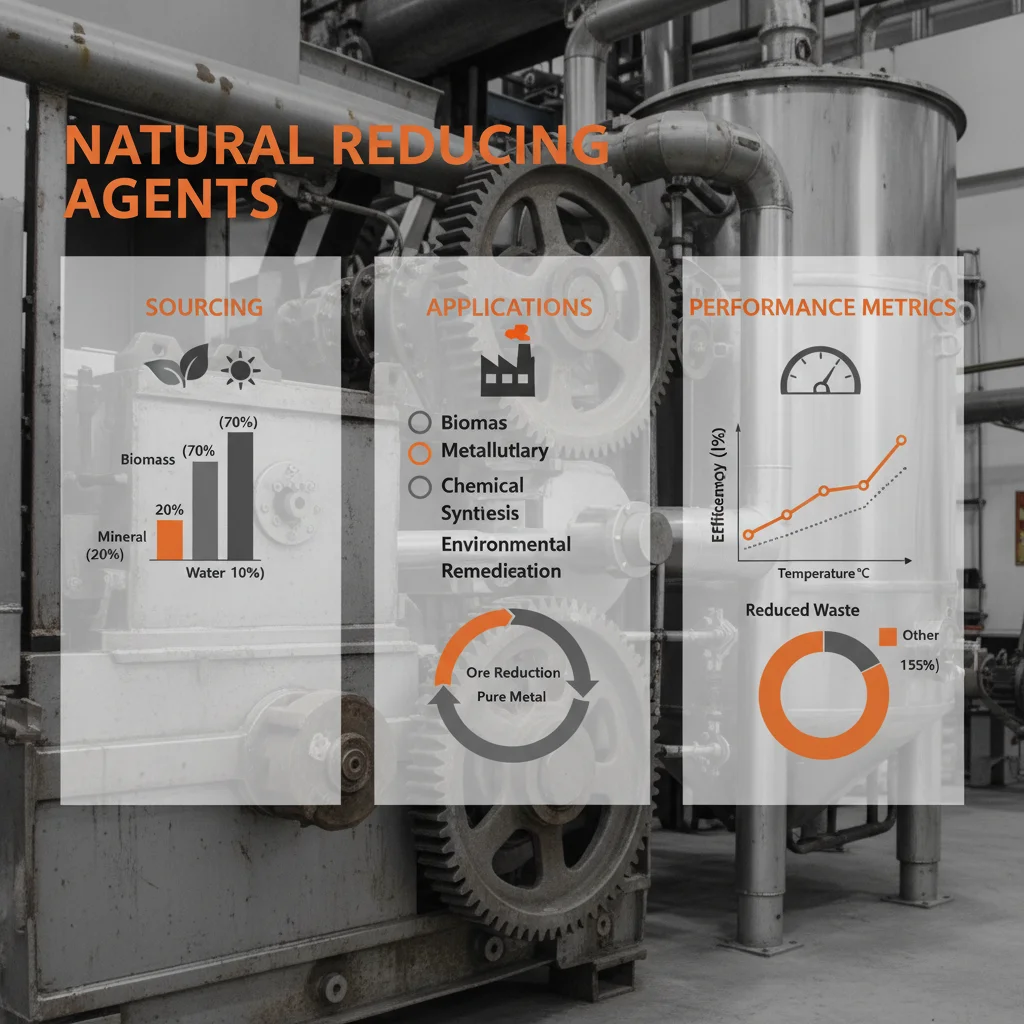
Exploring the Potential of Natural Reducing Agents for Sustainable Solutions
-
Understanding Textile Auxiliaries Meaning for Optimized Textile Production