Comprehensive Guide to Understanding Acid Dye in Textile Applications
Comprehensive Guide to Understanding Acid Dye in Textile Applications
Understanding Acid Dye in Textile: A Comprehensive Guide
Acid dyes are a class of dyes commonly used for coloring protein fibers like wool, silk, and nylon. They offer vibrant colors and good wash fastness, making them popular in the textile industry. This article delves into the chemistry, applications, advantages, and disadvantages of acid dyes, providing a comprehensive overview for textile professionals and enthusiasts alike. We will explore how to select the right acid dye for your specific textile needs and ensure optimal dyeing results.
What are Acid Dyes?
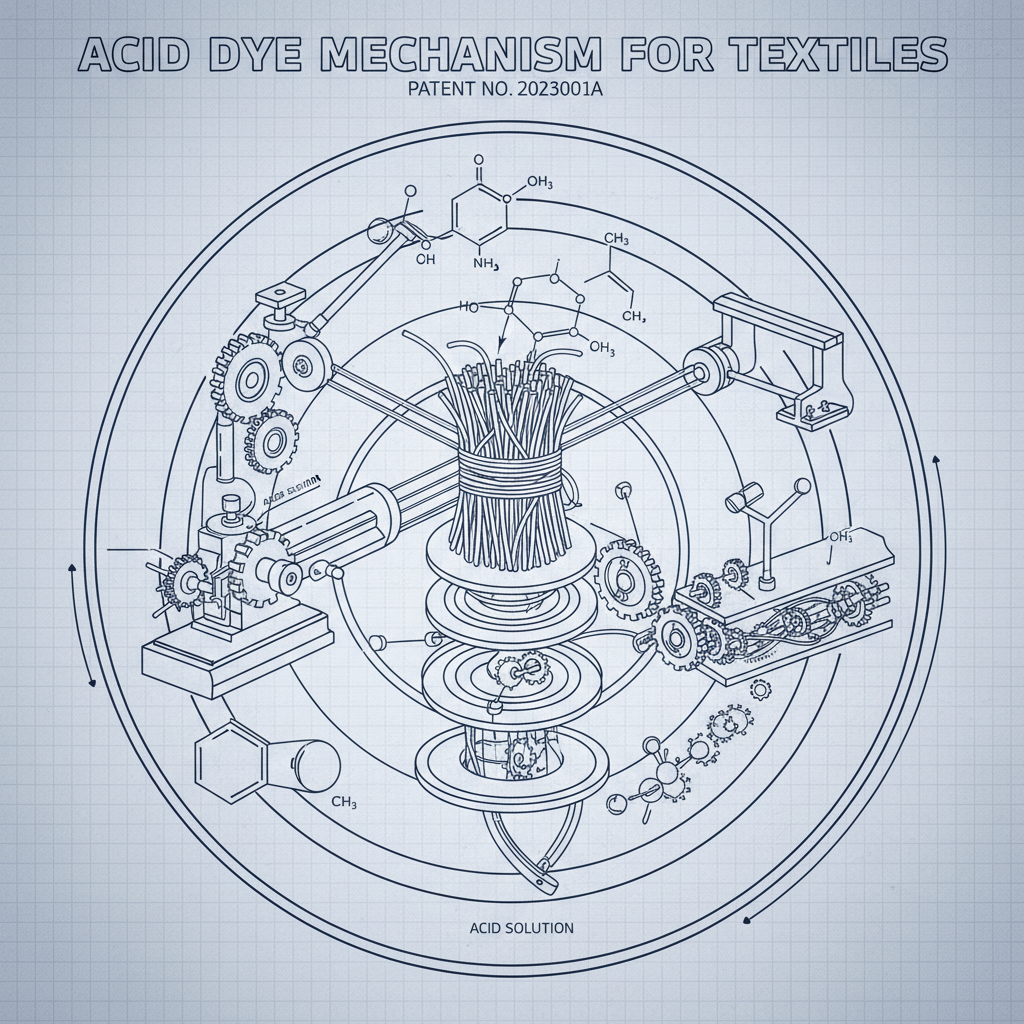
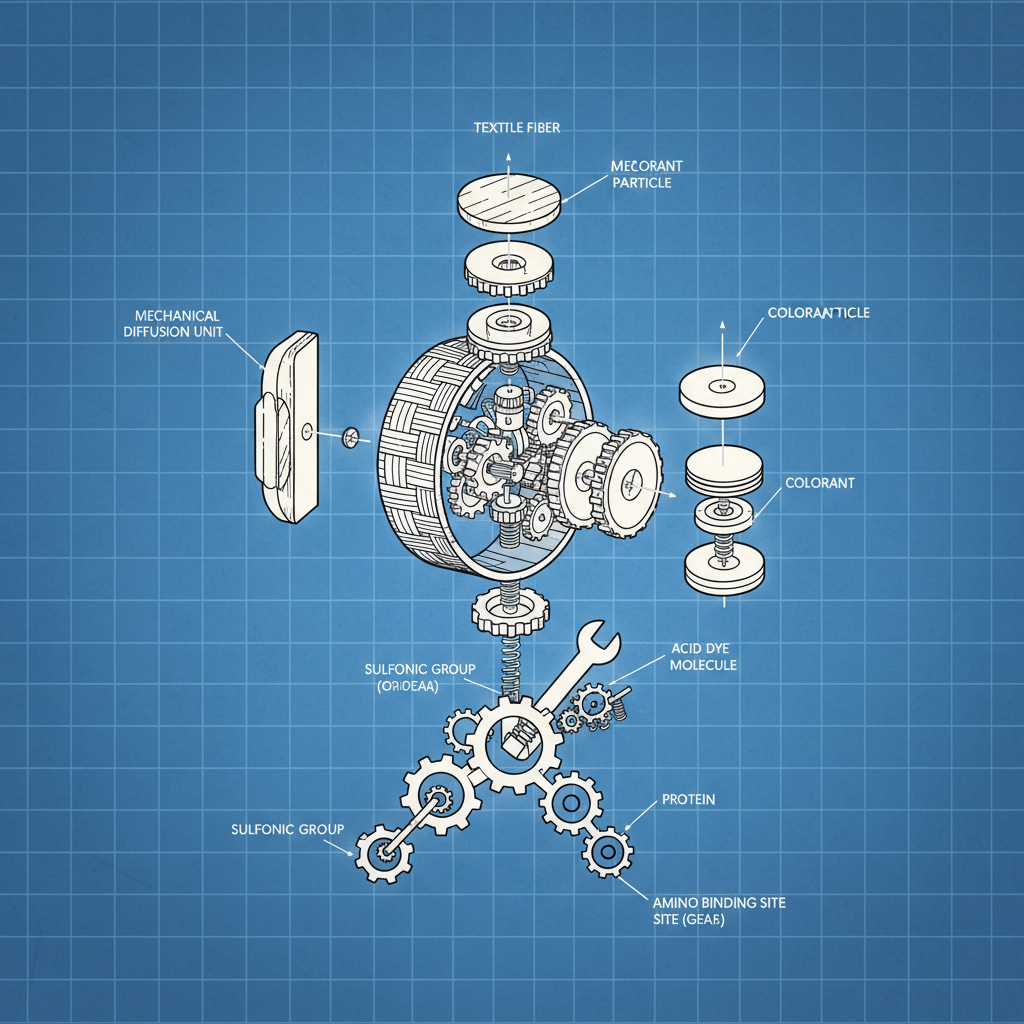
Acid dyes contain acidic groups – typically sulfonic acid groups – which are responsible for their solubility in water and their ability to bind to the amino groups in protein fibers. The dyeing process typically occurs in an acidic bath, hence the name "acid dyes." These dyes are anionic, meaning they carry a negative charge, and the fiber’s amino groups are positively charged in acidic conditions, facilitating the dye-fiber interaction. Acid dyes cover a wide range of colors, offering excellent brilliance and a relatively simple application process. Dyeingchem.com offers a wide range of acid dyes for all your textile coloring requirements.
Key Highlights: Acid dyes contain acidic groups, are anionic, and require an acidic bath for effective dyeing. They provide brilliant colors and relatively simple application.
Types of Acid Dyes and Their Applications
There are several types of acid dyes, each with unique characteristics and best-suited applications. These include Leveling acid dyes, Milling acid dyes, and Reactive acid dyes. Leveling dyes are used for even dyeing, while milling dyes offer better wash fastness. Reactive acid dyes form a covalent bond with the fiber, resulting in the highest level of wash fastness, though they can be more complex to apply. The selection of the dye type depends on the desired color, fastness requirements, and the specific fiber being dyed.
Acid Dye Classifications:
• Leveling Acid Dyes: Even dyeing, moderate fastness.
• Milling Acid Dyes: Good wash fastness, suitable for darker shades.
• Reactive Acid Dyes: Highest wash fastness, covalent bond formation.
Acid Dye vs. Direct Dye: A Comparative Analysis
Both acid dyes and direct dyes are used for coloring textiles, but they differ significantly in their chemistry and application. Direct dyes are primarily used for cellulosic fibers like cotton, while acid dyes are specifically for protein fibers. Acid dyes offer brighter shades and better fastness properties on protein fibers compared to direct dyes. However, the dyeing process for acid dyes requires careful pH control, while direct dyes are simpler to apply. The following table provides a detailed comparison:
Factors Affecting Acid Dyeing Performance
Several factors influence the success of acid dyeing. These include the pH of the dye bath, temperature, dyeing time, and the presence of leveling agents. Maintaining the correct pH (typically acidic, between 4.5 and 5.5) is crucial for optimal dye uptake. Higher temperatures generally accelerate the dyeing process, but excessive heat can damage the fiber. Leveling agents help ensure even dye distribution and prevent uneven shading. Furthermore, the water quality and dye concentration also play a significant role in achieving the desired color intensity and fastness properties. Dyeingchem.com provides technical support to help you optimize your dyeing process.
Environmental Considerations and Sustainability
Acid dyeing can generate wastewater containing residual dyes and chemicals. Therefore, responsible waste management and effluent treatment are essential to minimize environmental impact. Choosing dyes with high fixation rates reduces the amount of dye released into the wastewater. Furthermore, exploring more sustainable dyeing practices, such as using eco-friendly auxiliaries and optimizing water usage, can contribute to a more environmentally responsible textile industry. Dyeingchem.com is committed to providing environmentally friendly dye solutions.
Conclusion: Mastering the Art of Acid Dyeing
Understanding the nuances of acid dyeing is crucial for achieving high-quality results in textile coloration. By carefully considering the dye type, application parameters, and environmental impact, textile professionals can unlock the full potential of this versatile dyeing method.
Frequently Asked Questions (FAQs)
What is the ideal pH range for acid dyeing?
The ideal pH range for acid dyeing is typically between 4.5 and 5.5. Maintaining this pH is crucial for ensuring that the amino groups in the protein fiber are positively charged, facilitating the dye-fiber interaction. pH values outside this range can lead to poor dye uptake, uneven shading, and reduced color fastness. pH is usually adjusted using acids such as acetic acid or sulfuric acid.
How can I improve the wash fastness of acid-dyed textiles?
Several strategies can enhance the wash fastness of acid-dyed textiles. Using milling acid dyes or reactive acid dyes, which form stronger bonds with the fiber, is one approach. Applying after-treatments such as cationic fixing agents can also improve dye retention. Careful control of the dyeing process parameters, including temperature, time, and dye concentration, is also essential for achieving optimal fastness properties.
Are acid dyes suitable for all protein fibers?
Acid dyes are generally suitable for most protein fibers, including wool, silk, and nylon. However, the specific dye type and dyeing conditions may need to be adjusted based on the fiber’s properties and desired color. For instance, nylon typically requires lower dyeing temperatures compared to wool. Some synthetic modifications of these fibers may also impact dye uptake and fastness.
What are leveling agents and why are they used in acid dyeing?
Leveling agents are auxiliary chemicals used in acid dyeing to promote even dye distribution and prevent uneven shading. They work by controlling the rate of dye absorption, allowing the dye to migrate more easily throughout the fiber. This is particularly important when dyeing large batches or fabrics with variations in fiber density. Common leveling agents include anionic surfactants and polyethylene glycols.