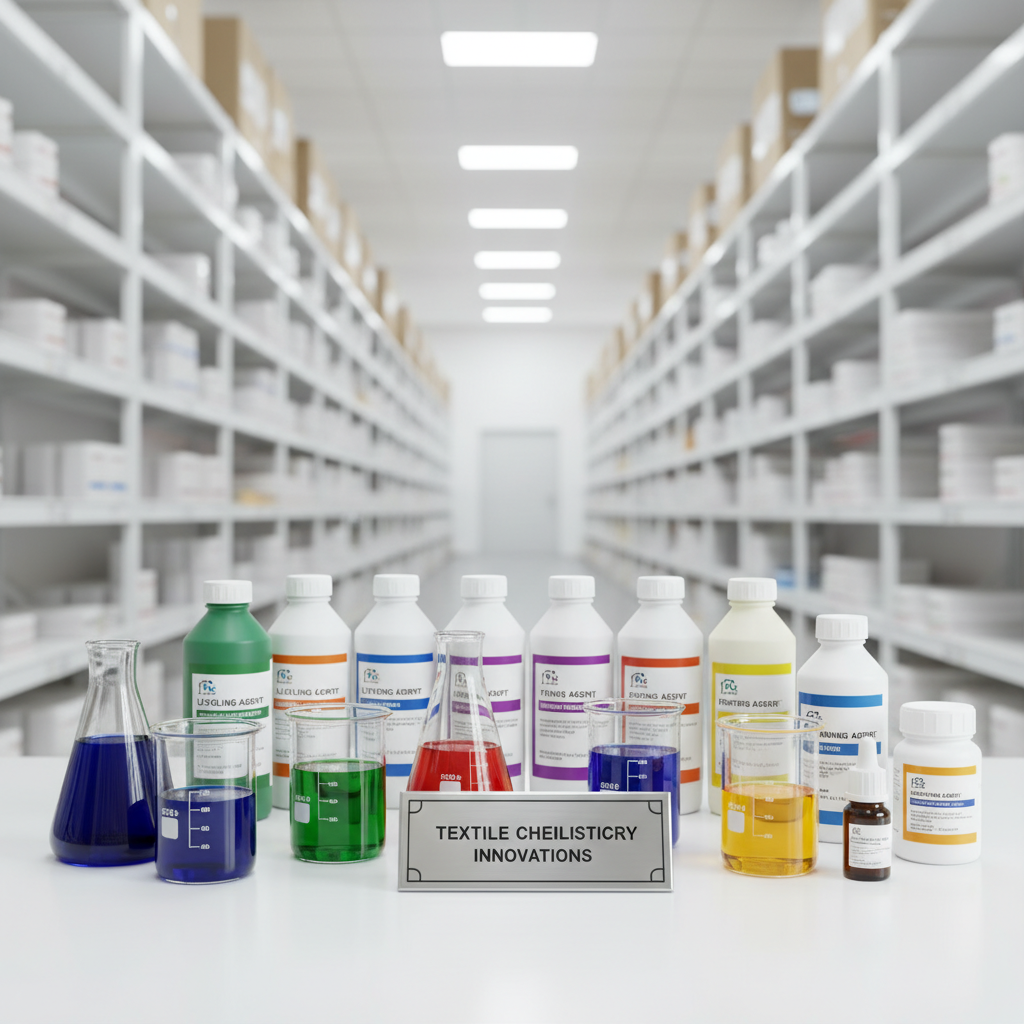
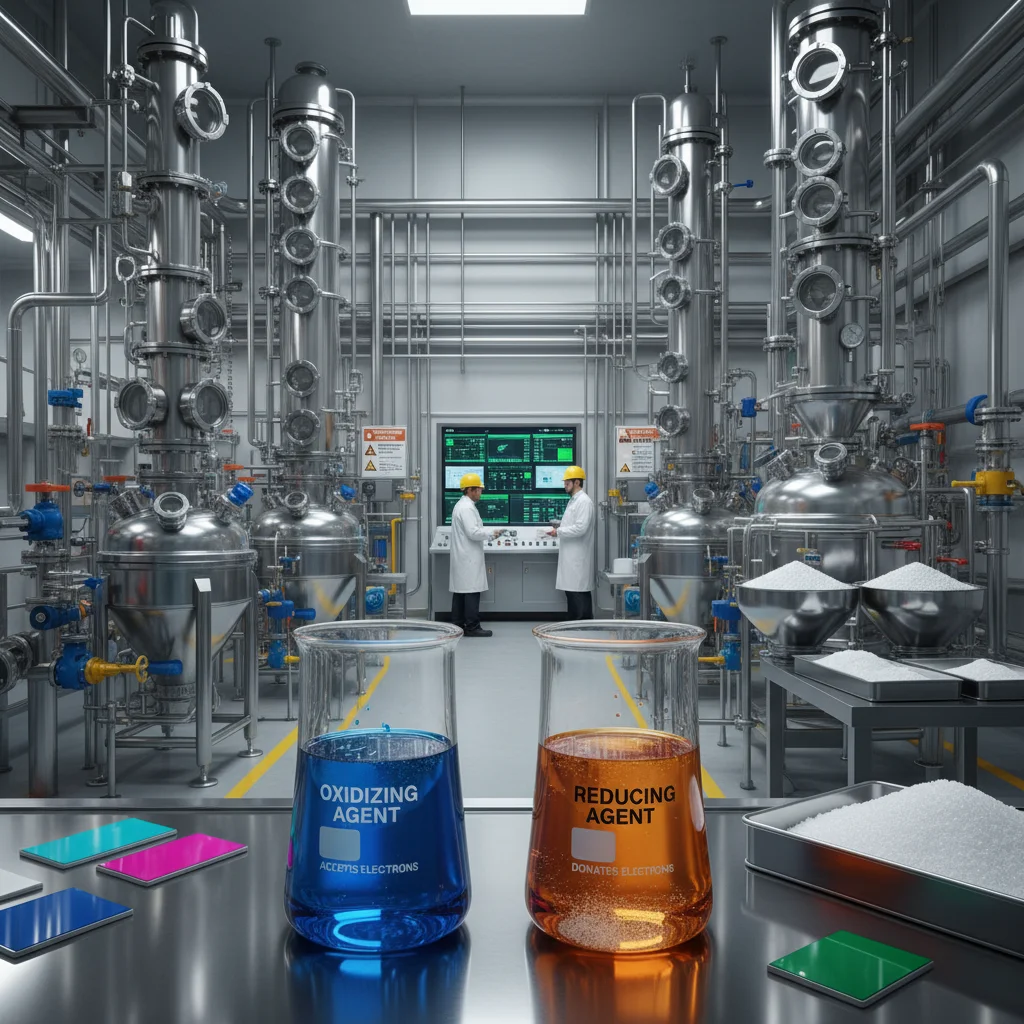
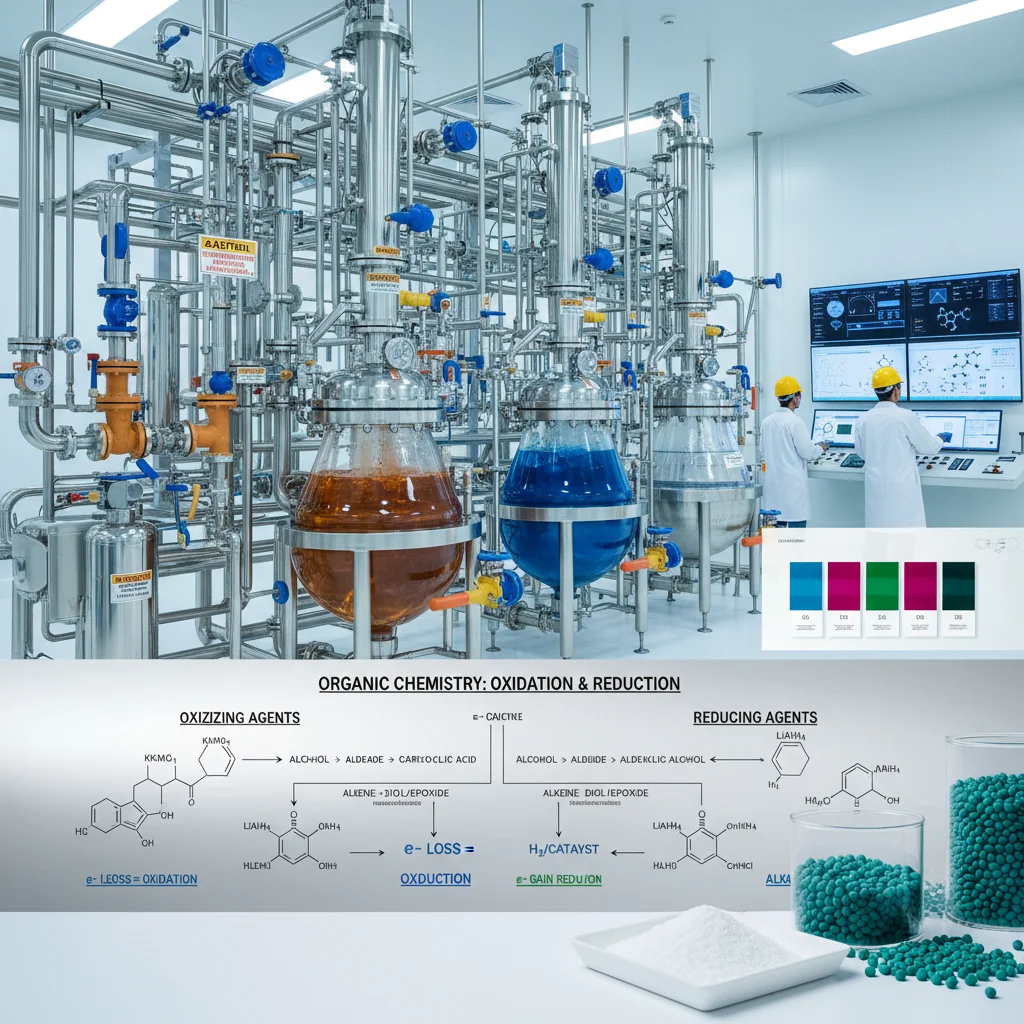
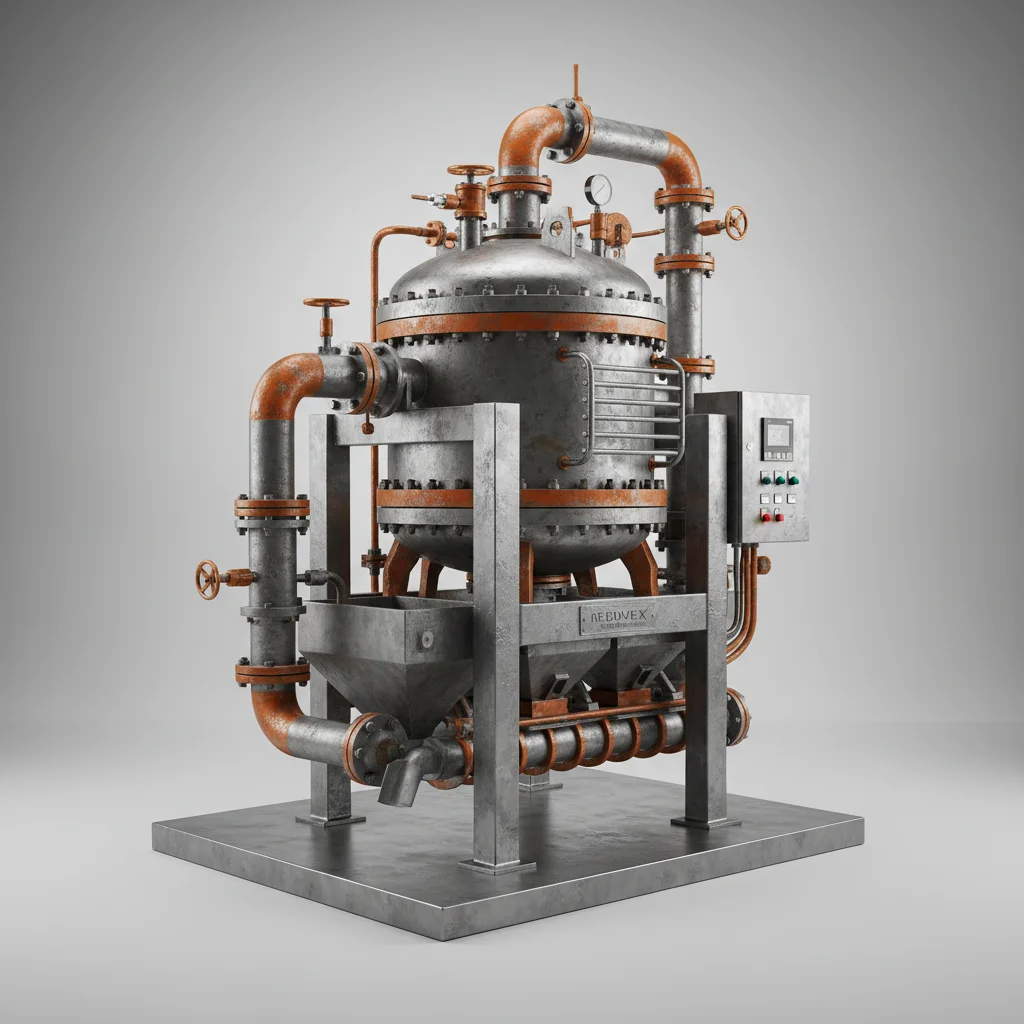
Dyeing auxiliaries and their uses represent a critical, yet often underestimated, component of the textile industry and beyond. These substances, added to dye baths, facilitate and enhance the dyeing process, impacting colorfastness, leveling, and overall fabric quality. Understanding these auxiliaries is paramount for manufacturers aiming to produce high-quality textiles efficiently and sustainably. This knowledge extends to various sectors, from fashion and apparel to technical textiles and home furnishings.
The global textile industry is a multi-trillion-dollar market, with dyeing representing a substantial portion of its processes. According to data from the UN Comtrade database, global textile exports exceeded $820 billion in 2022. As demand for textiles continues to rise, driven by population growth and evolving consumer preferences, the need for effective and environmentally responsible dyeing solutions – and the auxiliaries that enable them – becomes increasingly crucial.
Challenges within the industry, such as water pollution, energy consumption, and the use of hazardous chemicals in dyeing processes, necessitate a deeper understanding of dyeing auxiliaries and their uses. By optimizing auxiliary selection and application, manufacturers can mitigate environmental impact, reduce costs, and improve product performance. This is not merely a technical issue; it's a matter of sustainability and ethical production.
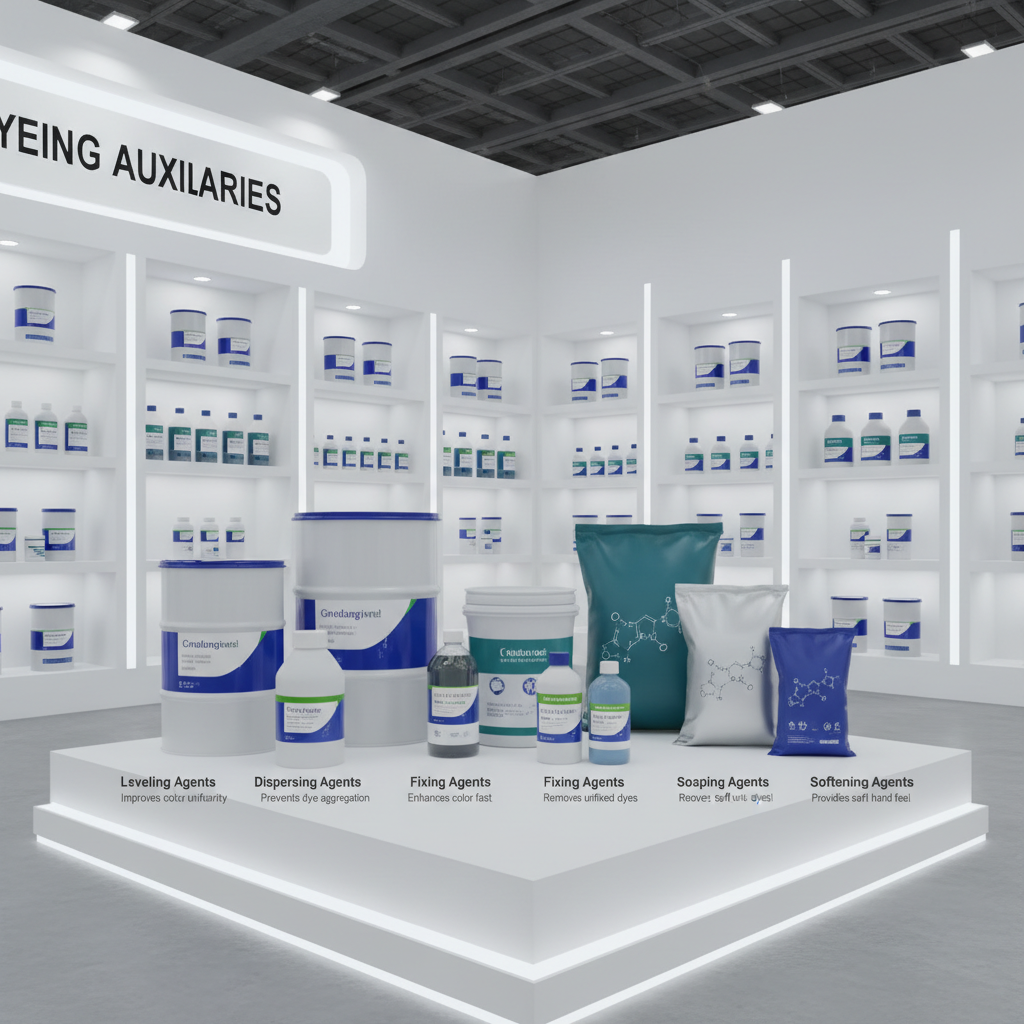
Introduction to dyeing auxiliaries and their uses
Dyeing auxiliaries aren't dyes themselves; rather, they’re crucial supporting agents. They perform a variety of functions—improving dye solubility, enhancing dye uptake by fibers, controlling pH, preventing dye aggregation, and providing leveling for uniform color distribution. Without these auxiliaries, achieving consistent, high-quality dyeing results would be significantly more difficult and costly. dyeing auxiliaries and their uses are essential for modern textile processing.
The correct selection and application of dyeing auxiliaries directly influences the environmental footprint of the dyeing process. By using auxiliaries that reduce water consumption, lower energy requirements, and minimize the use of hazardous chemicals, manufacturers can contribute to a more sustainable textile industry. This is increasingly important as consumer demand for eco-friendly products grows.
Defining Dyeing Auxiliaries and Their Significance
Dyeing auxiliaries are chemical compounds added to the dye bath to facilitate and optimize the dyeing process. They don’t impart color to the textile; instead, they work by modifying the dyeing environment or the properties of the dye or fiber. This broad category encompasses a wide range of substances, including wetting agents, dispersing agents, leveling agents, fixing agents, and anti-foaming agents. The specific auxiliaries used depend on the type of dye, the type of fiber, and the desired dyeing outcome.
Their significance extends beyond simply achieving a desired shade. Dyeing auxiliaries play a vital role in ensuring colorfastness—the resistance of a dyed textile to fading or bleeding when exposed to light, washing, or rubbing. They also contribute to the overall durability and performance of the dyed material. Without appropriate auxiliaries, dye penetration can be uneven, leading to patchy coloration and reduced fabric quality.
The modern textile industry relies heavily on the precise formulation and application of dyeing auxiliaries to meet stringent quality standards and evolving consumer demands. Understanding the chemistry and function of each auxiliary is crucial for dyehouse operators and textile chemists.
Key Properties of Effective Dyeing Auxiliaries
One of the most critical properties is compatibility. An effective auxiliary must be compatible with the dye, the fiber, and other auxiliaries present in the dye bath. Incompatibility can lead to precipitation, reduced dye uptake, and uneven dyeing. Assessing compatibility through laboratory testing is essential before large-scale application.
Stability is another key factor. Auxiliaries should maintain their chemical integrity under the conditions of the dyeing process – including high temperatures, varying pH levels, and prolonged exposure to water. Degradation of the auxiliary can compromise its effectiveness and potentially introduce unwanted byproducts into the effluent.
Efficiency refers to the amount of auxiliary required to achieve the desired effect. Highly efficient auxiliaries minimize the overall chemical load in the dye bath, reducing costs and environmental impact. Selecting auxiliaries with a high degree of activity is crucial for optimizing dyeing processes. Finally, environmental friendliness is increasingly important, with a focus on biodegradable and low-toxicity options.
Practical Applications Across Industries
The application of dyeing auxiliaries extends far beyond the traditional apparel industry. In the automotive sector, they're used to dye fabrics for car interiors, ensuring colorfastness and resistance to UV degradation. The carpet and upholstery industry relies on auxiliaries to achieve vibrant, durable colors and improve stain resistance.
In the technical textiles field, auxiliaries are vital for dyeing specialized fabrics used in medical applications, protective clothing, and industrial filters. These applications often demand exceptional colorfastness and resistance to harsh chemicals or extreme temperatures. For instance, dyeing auxiliaries are used in producing medical gowns which must withstand sterilization processes.
Globally, regions with significant textile manufacturing, such as China, India, and Bangladesh, heavily rely on dyeing auxiliaries. However, the demand extends to developed nations like Italy and Germany, where high-performance textiles and sustainable production practices are prioritized.
Auxiliary Effectiveness in Different Dyeing Methods
The Advantages of Utilizing Advanced Auxiliaries
Employing advanced dyeing auxiliaries offers a multitude of benefits. Cost efficiency is a significant advantage, as optimized auxiliary usage reduces dye consumption, water usage, and energy requirements. This translates into lower production costs and increased profitability. Improved product quality is another key benefit, leading to enhanced colorfastness, leveling, and overall fabric performance.
Sustainability is increasingly important, and advanced auxiliaries often feature lower toxicity and biodegradability, reducing the environmental impact of dyeing processes. This aligns with growing consumer demand for eco-friendly textiles and helps manufacturers meet increasingly stringent environmental regulations.
Future Trends and Innovations in Dyeing Technology
The future of dyeing auxiliaries lies in sustainable and innovative solutions. Research is focused on developing bio-based auxiliaries derived from renewable resources, reducing reliance on petroleum-based chemicals. Nanotechnology is also playing a growing role, with nano-sized auxiliaries offering enhanced performance and reduced usage levels.
Digitalization and automation are transforming the dyeing process. Automated dosing systems and real-time monitoring of dye bath parameters optimize auxiliary application, ensuring consistent results and minimizing waste. The integration of artificial intelligence (AI) and machine learning (ML) enables predictive modeling of dye bath behavior, further enhancing process control and efficiency.
The development of 'smart' auxiliaries that respond to specific dyeing conditions is another exciting area of research. These auxiliaries can automatically adjust their properties based on temperature, pH, or fiber type, further optimizing the dyeing process.
Common Challenges and Solutions in Auxiliary Application
One common challenge is achieving consistent auxiliary dispersion, particularly with highly concentrated formulations. Inadequate dispersion can lead to uneven dyeing and reduced colorfastness. Solutions include using high-shear mixers and optimized dissolution protocols.
Another challenge is managing the complex interactions between different auxiliaries in the dye bath. Incompatibility can lead to precipitation or reduced effectiveness. Thorough laboratory testing and careful formulation are essential to avoid these issues. Accurate dosing and control of bath parameters are also critical for optimizing auxiliary performance.
Finally, environmental concerns surrounding auxiliary waste streams require innovative solutions. Developing biodegradable auxiliaries and implementing efficient wastewater treatment technologies are crucial for minimizing the environmental impact of dyeing processes. Closed-loop systems that recycle auxiliary solutions are also gaining traction.
Summary of Challenges and Solutions in Dyeing Auxiliary Application
| Challenge |
Impact on Dyeing Process |
Proposed Solution |
Cost/Complexity of Implementation |
| Poor Auxiliary Dispersion |
Uneven Dye Uptake, Patchy Coloration |
High-Shear Mixing, Optimized Dissolution |
Low/Medium |
| Auxiliary Incompatibility |
Precipitation, Reduced Dye Effectiveness |
Lab Testing, Careful Formulation |
Medium |
| Inaccurate Dosing |
Suboptimal Dyeing Results, Waste |
Automated Dosing Systems, Real-time Monitoring |
Medium/High |
| Environmental Impact of Waste |
Water Pollution, Regulatory Non-compliance |
Biodegradable Auxiliaries, Wastewater Treatment |
Medium/High |
| pH Sensitivity |
Reduced Effectiveness Outside Optimal Range |
pH Buffering Agents, Precise pH Control |
Low |
| Temperature Instability |
Auxiliary Degradation, Reduced Performance |
Temperature-Stable Formulations, Optimized Dyeing Schedules |
Medium |
FAQS
A leveling agent promotes even dye distribution across the textile material. It works by controlling the rate of dye adsorption, preventing rapid and uneven uptake that can lead to patchy coloration. Leveling agents are particularly important when dyeing fabrics with varying fiber densities or structural irregularities. They ensure consistent and uniform shading throughout the fabric, resulting in a high-quality finished product.
Wetting agents reduce the surface tension of the dye bath, allowing it to penetrate the fibers more easily. This is crucial, especially for hydrophobic fibers like polyester, which naturally repel water and dyes. By improving the wettability of the fabric, wetting agents ensure that the dye reaches all areas of the material, leading to better dye absorption and more vibrant colors. This efficient penetration significantly impacts the final dyeing result.
Dispersing agents prevent dye particles from aggregating and settling out of the dye bath. Many dyes are insoluble in water and exist as fine particles. These particles tend to clump together, reducing their surface area and hindering their ability to interact with the fibers. Dispersing agents stabilize the dye suspension, keeping the particles finely dispersed and ensuring that they remain readily available for dyeing. Without effective dispersion, the dyeing process would be inconsistent and result in poor color yield.
Unfortunately, not all dyeing auxiliaries are environmentally friendly. Some contain harmful chemicals that can contribute to water pollution and pose health risks. However, there's a growing trend towards developing and using more sustainable auxiliaries. These include bio-based alternatives, low-toxicity formulations, and auxiliaries designed for efficient use with minimal waste. Choosing environmentally responsible auxiliaries is crucial for minimizing the environmental impact of the textile industry.
Determining the correct dosage of a dyeing auxiliary requires careful consideration of several factors, including the type of dye, the type of fiber, the dyeing process conditions, and the desired outcome. It's crucial to consult the manufacturer's recommendations and conduct laboratory trials to optimize the dosage for your specific application. Overdosing can lead to unnecessary costs and potential quality issues, while underdosing can result in suboptimal dyeing results.
A fixing agent improves the colorfastness of the dyed fabric. After dyeing, some unfixed dye molecules may remain on the surface of the fiber, making the color susceptible to fading or bleeding during washing or exposure to light. Fixing agents react with these unbound dye molecules, forming a more stable bond with the fiber and preventing their removal. This leads to improved wash fastness, light fastness, and overall durability of the dyed material.
Conclusion
In conclusion, dyeing auxiliaries and their uses are indispensable for achieving high-quality, sustainable, and cost-effective textile dyeing. These agents go beyond merely facilitating coloration; they control the entire process, impacting colorfastness, leveling, environmental impact, and overall product performance. A thorough understanding of auxiliary chemistry, application techniques, and emerging trends is critical for professionals in the textile industry.
Looking ahead, continued innovation in auxiliary development will be crucial for addressing the evolving challenges of the industry. The focus on bio-based materials, nanotechnology, and automated dosing systems promises to drive significant improvements in efficiency, sustainability, and product quality. For more information on dyeing auxiliaries and how they can benefit your operations, please visit our website: dyeing auxiliaries and their uses.