
Look, I've been running around construction sites all year, getting my hands dirty with materials, talking to engineers… Honestly, the biggest trend right now is everyone chasing higher strength and lighter weight. It’s always the same, isn’t it? They want more for less. But it's more than that, really. It’s about getting things done faster. Time is money, as they say.
You wouldn’t believe the number of designs I see that look great on paper, but fall apart the second you try to actually build them. Have you noticed how everyone’s obsessed with sharp corners? They look sleek, sure, but try getting a concrete finisher to handle those without chipping them… it's a nightmare. And don’t even get me started on tolerances. Engineers love tight tolerances. Field workers… not so much.
We're using a lot of high-performance concrete admixtures these days. Specifically, polycarboxylate superplasticizers. Feels a bit… slick, almost soapy when you mix it. Smells faintly of chemicals, naturally. And you have to be careful with the dosage, too much and the whole thing goes liquid. We also switched to using a new type of fiber reinforcement – basalt fiber. It’s lighter than steel, doesn’t rust, and feels… well, it feels like rock, obviously. But it’s surprisingly strong.
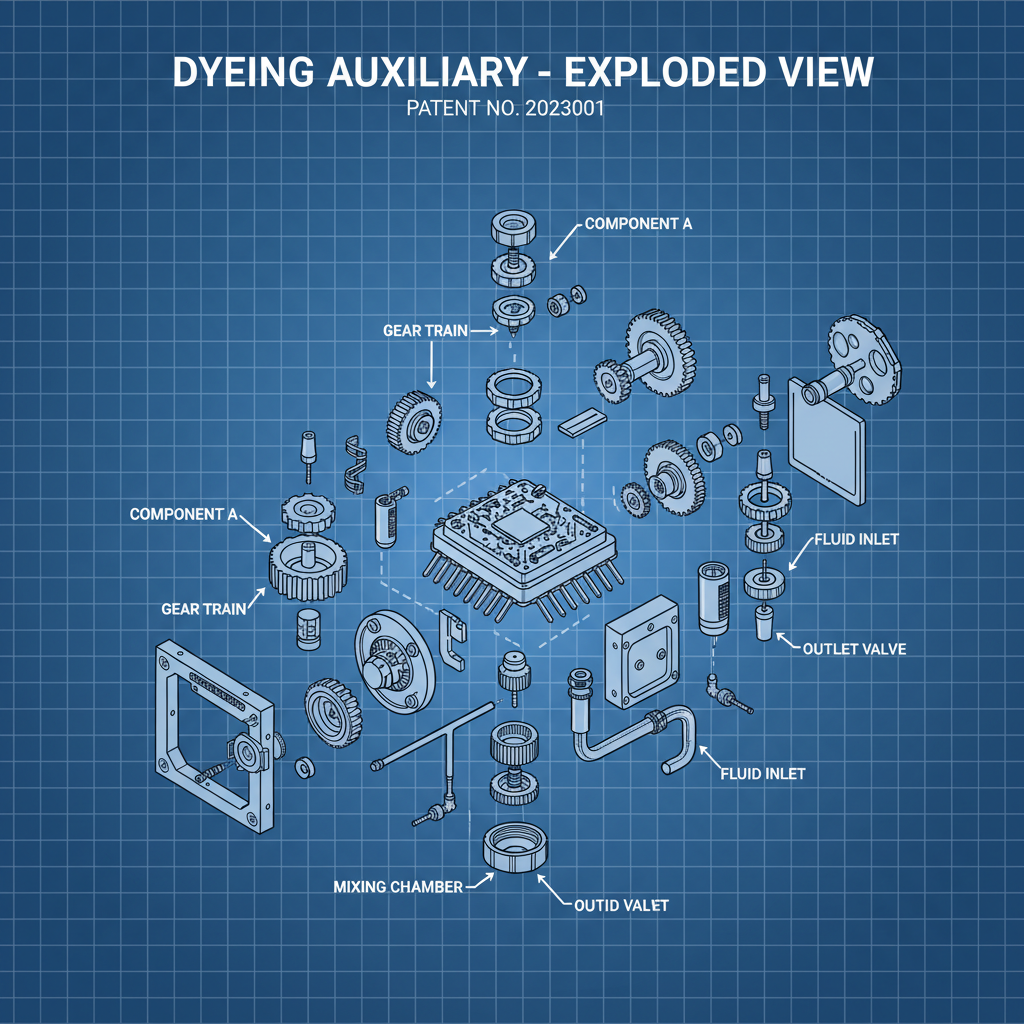
Industry Trends and Design Pitfalls
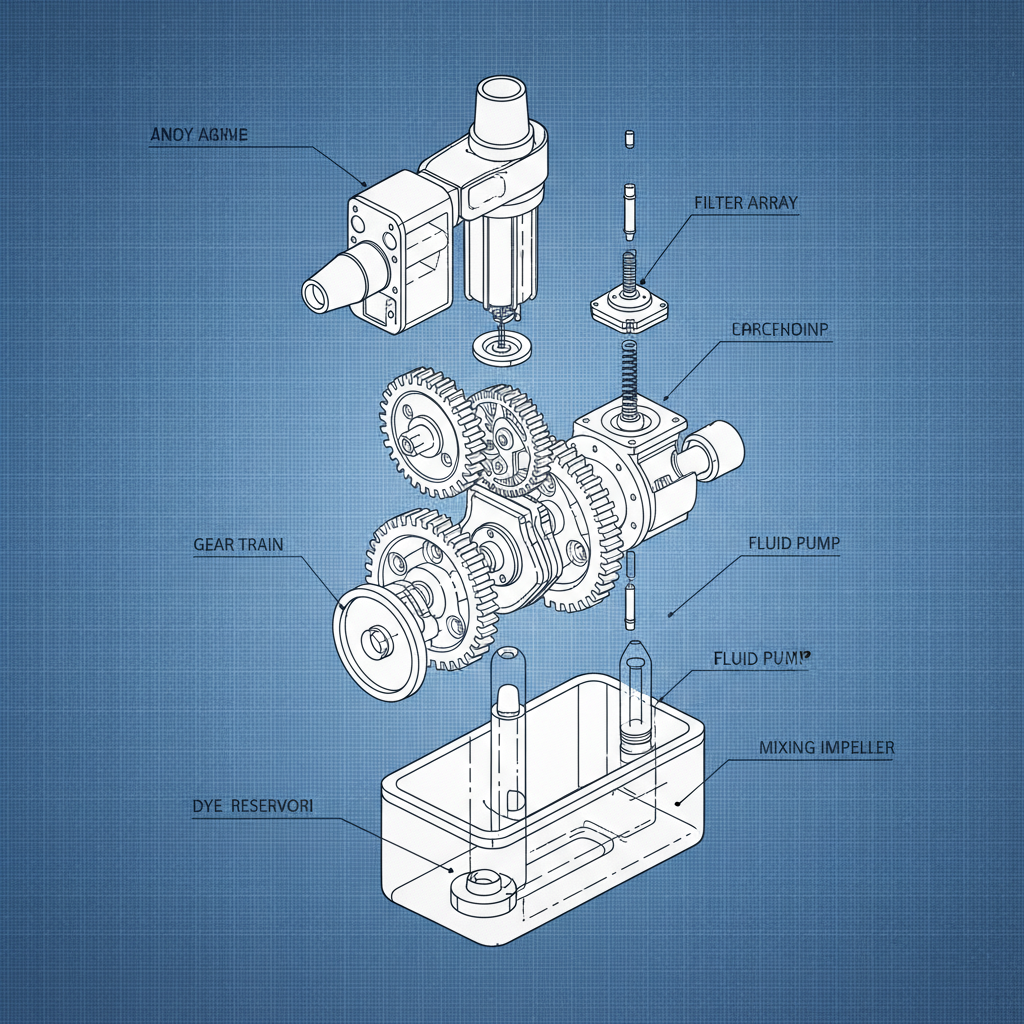
To be honest, prefabrication is huge right now. Everyone wants to shift as much work as possible off-site. Makes sense, controlled environment, less weather delays… but strangely, it also creates new problems. Like, how do you transport these massive pre-cast sections without damaging them? And connecting them on-site? It's not as simple as just bolting them together.
And the insistence on complex geometries! Architects are pushing boundaries, which is great, but then the poor structural engineers have to figure out how to make it stand up, and we have to figure out how to build it. It's a constant balancing act.
FAQS
Honestly, it’s chasing the cheapest price. They see a lower number and think they're saving money, but they don't realize the long-term impact on durability and workability. A good admixture might cost a bit more upfront, but it can save you a fortune in repairs down the line. You really get what you pay for.
That's 90% of my job. You gotta be a diplomat. Talk to the engineers, explain the constraints, and find a compromise that works. Sometimes it means modifying the design, sometimes it means adjusting the construction methods. The key is communication and a willingness to be flexible. There's always a solution, you just gotta find it.
Self-healing concrete. It’s still early days, but the idea is that the concrete can automatically repair cracks using bacteria or other self-healing agents. It's a game-changer for durability and maintenance. Imagine not having to worry about small cracks developing into bigger problems. Sounds like science fiction, but it’s getting closer to reality.
Critical. Absolutely critical. You can have the best materials in the world, but if the workers don't know how to handle them properly, it's all for nothing. They need to understand the mixing ratios, the application techniques, and the safety precautions. Proper training is an investment, not an expense.
Transport, mainly. You need materials that can withstand the stresses of being moved around. Also, the connections between precast elements are critical. They have to be strong and durable, and they have to accommodate thermal expansion and contraction. It’s a whole different ballgame than traditional on-site construction.
Look, it's a good idea in theory. Reducing waste, lowering our carbon footprint… but the quality control has to be tight. I've seen recycled aggregates that are just… inconsistent. They cause problems with workability and strength. If you're going to use recycled materials, you need to make sure they meet the same standards as virgin materials. No compromises.
Conclusion
So, there you have it. The industry's chasing strength and speed, designs are getting more complex, materials are evolving… but at the end of the day, it all comes down to practicality. We're dealing with real-world constraints, real-world conditions, and real people trying to get a job done. We can talk about all the fancy materials and techniques we want, but none of it matters if it doesn't work in the field.
Ultimately, whether this thing works or not, the worker will know the moment he tightens the screw. And if it feels right, if it looks right, then you know you've got something solid. Visit our website for more information: dyeingchem.com
Related Posts
-
Innovative Designs from a Leading Textile Auxiliaries Company
-
Exploring the Global Impact of textile auxiliaries companies and Innovative Construction
-

Exploring the Comprehensive Reducing Agent List for Industrial and Environmental Applications
-
Advancing Sustainability Through Efficient Strategies for Reducing Chemicals