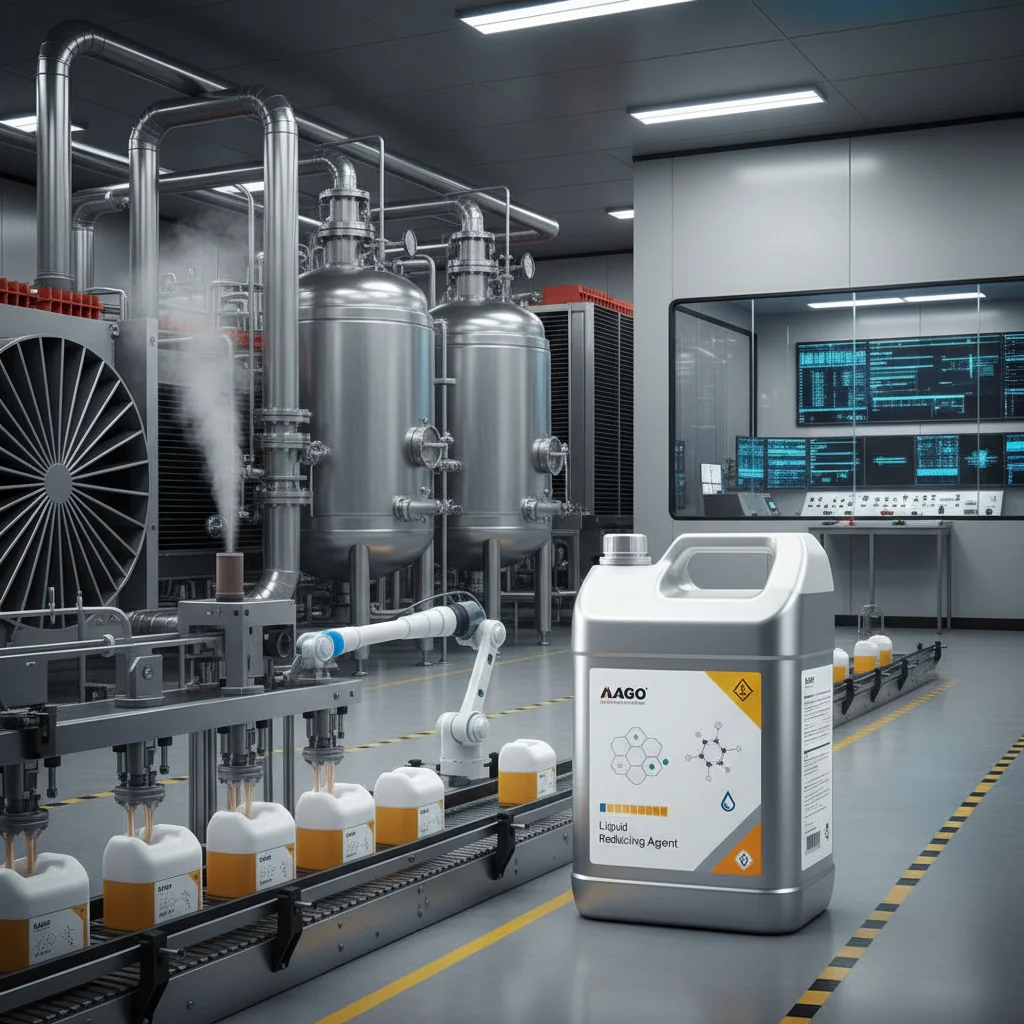
Comprehensive Guide to the Pre Treatment Process in Textile Manufacturing
Comprehensive Guide to the Pre Treatment Process in Textile Manufacturing
Pre-Treatment Process in Textile: A Comprehensive Guide
The pre-treatment process in textile manufacturing is a crucial stage that significantly impacts the quality and efficiency of subsequent dyeing and finishing operations. It prepares the fabric for optimal color absorption and enhances its overall properties. This article delves into the various stages of textile pre-treatment, exploring its importance, methods, and modern advancements. A well-executed pre-treatment ensures uniform dyeing, improved colorfastness, and enhanced fabric handle. Understanding this process is key for anyone involved in the textile industry, from manufacturers to quality control personnel.
Understanding the Importance of Textile Pre-Treatment
Textile pre-treatment removes impurities from raw fabrics, creating a clean surface for dyeing and printing. These impurities, which include waxes, oils, sizing agents, and natural contaminants, hinder dye penetration and can lead to uneven coloration and poor fabric performance. Without effective pre-treatment, the final product may exhibit issues like shade variations, reduced colorfastness, and compromised durability. Investing in robust pre-treatment methods is therefore a critical step in ensuring high-quality textile production.
Key Benefits: Improved dye uptake, uniform coloration, enhanced colorfastness, increased fabric strength, and improved handle.
The Key Stages in the Pre-Treatment Process
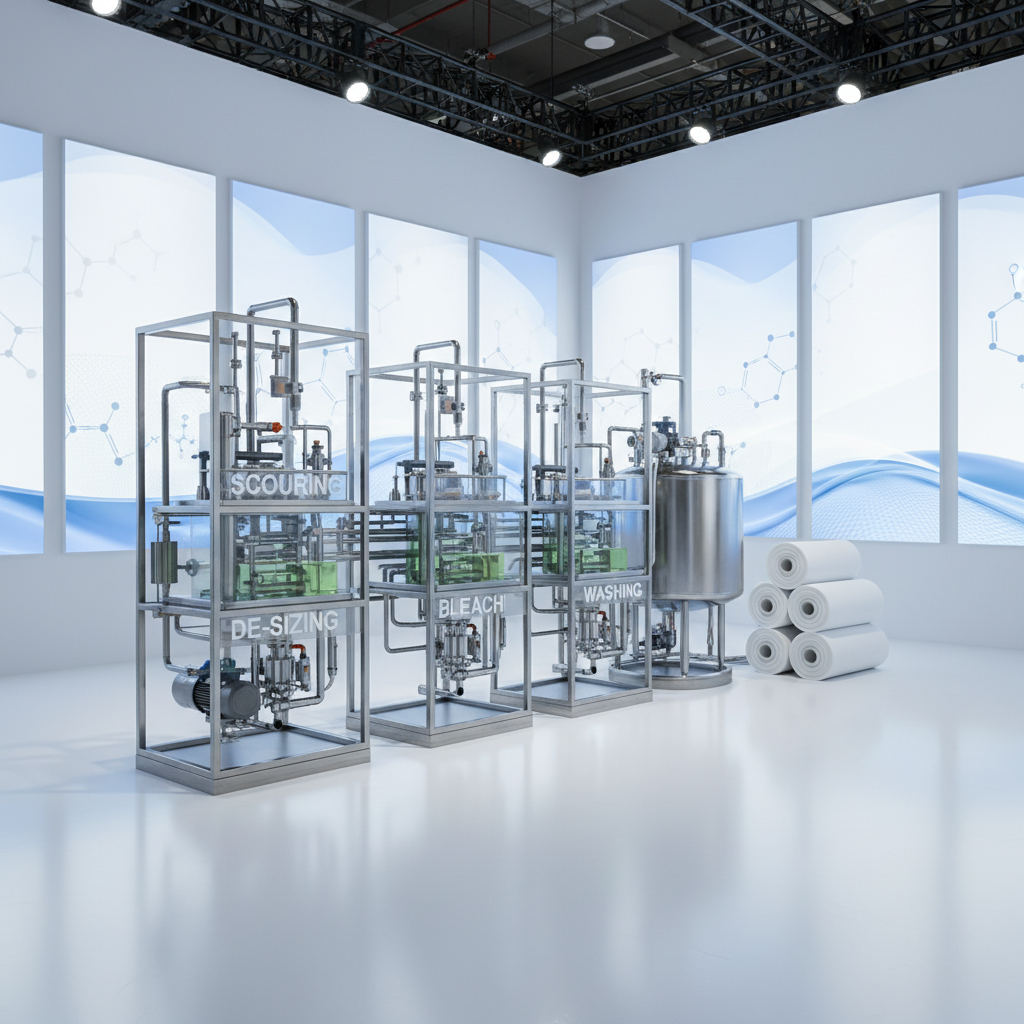
The pre-treatment process generally involves several distinct stages, each targeting specific impurities and preparing the fabric for the next step. These stages typically include:
- Desizing: Removal of sizing agents applied to warp yarns for weaving.
- Scouring: Removal of natural impurities like waxes, oils, and pectins.
- Bleaching: Removal of natural color from the fabric to create a white or off-white base.
- Mercerization: Treatment of cotton fabrics with caustic soda to improve luster, strength, and dye affinity.
- Washing: Removal of residual chemicals and impurities.
- Drying: Removal of excess moisture from the fabric.
Comparing Traditional and Modern Pre-Treatment Methods
Traditional pre-treatment methods often relied on harsh chemicals and high water consumption. However, with growing environmental concerns and a focus on sustainable manufacturing practices, modern methods are gaining prominence. These advancements prioritize efficiency, reduced water usage, and eco-friendly chemical alternatives.
Innovative Solutions from Dyeingchem
At Dyeingchem, we are committed to providing cutting-edge solutions for textile pre-treatment. Our range of products includes:
- Eco-friendly scouring agents: Biodegradable formulas for effective impurity removal.
- Enzymatic desizing agents: Alternatives to traditional chemical desizing, offering gentle fabric treatment.
- Bleaching stabilizers: Enhancing bleaching efficiency and reducing chemical consumption.
- Wastewater treatment chemicals: Minimizing environmental impact and promoting sustainable practices.
The Future of Pre-Treatment: Sustainable and Efficient
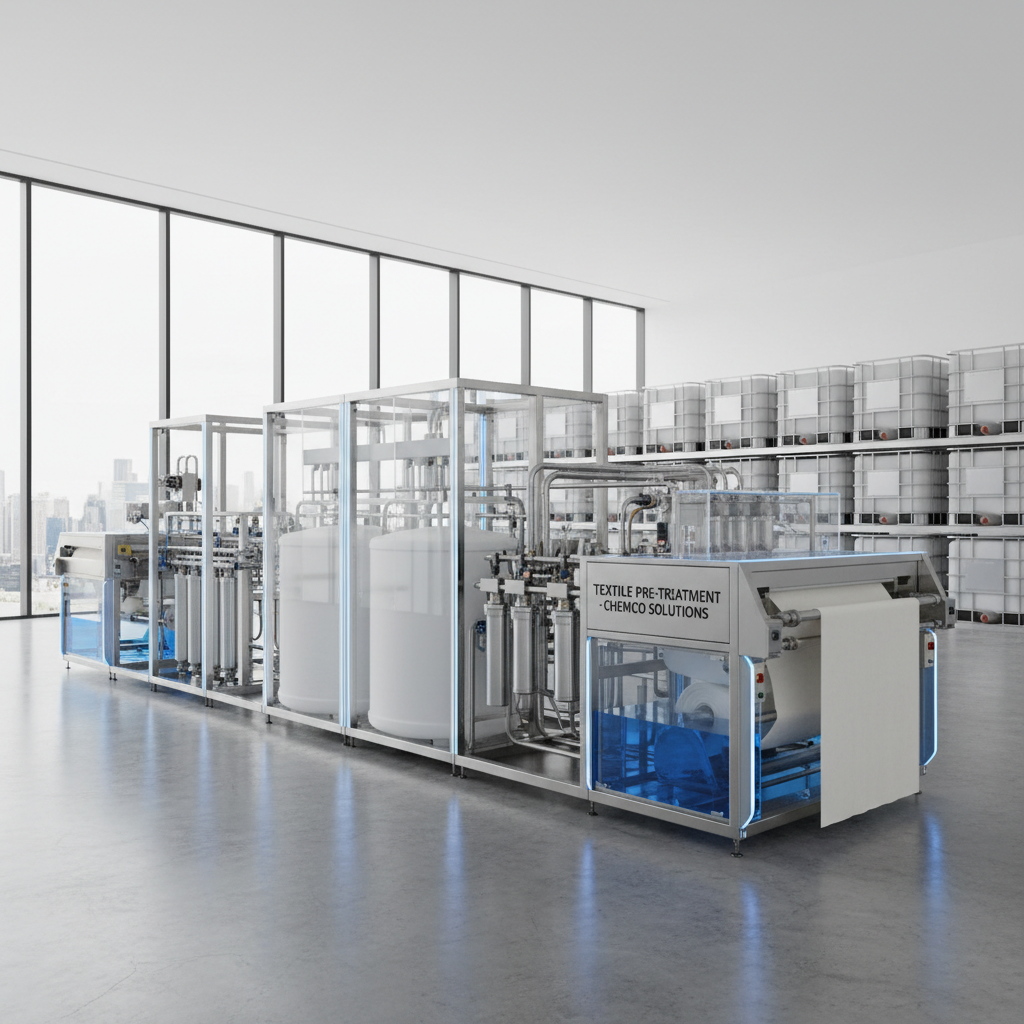
The future of textile pre-treatment lies in sustainable and efficient practices. This includes the development of novel enzymes, bio-based chemicals, and closed-loop water recycling systems. Automation and advanced process control technologies will also play a significant role in optimizing pre-treatment processes and reducing resource consumption. Continued innovation will be crucial to meet the growing demand for eco-friendly and high-quality textiles.
Conclusion
The pre-treatment process in textile is a vital step in ensuring the quality and sustainability of textile production. By embracing modern technologies and eco-friendly solutions, the industry can minimize its environmental impact and deliver superior products. Dyeingchem is dedicated to providing innovative and sustainable solutions to meet the evolving needs of the textile industry.
Frequently Asked Questions (FAQs)
What factors affect the efficiency of the scouring process?
Several factors influence the effectiveness of scouring. These include the type of fabric (cotton, polyester, blends), the nature and amount of impurities present, the scouring agent used, the temperature, the pH level, and the duration of the process. Optimizing these parameters is essential for achieving thorough impurity removal without damaging the fabric. The liquor ratio (the ratio of water to fabric) also plays a crucial role; a lower ratio typically leads to increased efficiency but requires careful monitoring to prevent uneven scouring.
How does bleaching impact fabric strength?
Bleaching, while essential for creating a white base, can potentially weaken fabric strength if not carefully controlled. Oxidizing agents used in bleaching (like hydrogen peroxide or sodium hypochlorite) can degrade cellulose fibers. Using appropriate bleaching stabilizers, controlling the concentration of bleaching agents, maintaining optimal temperature and pH levels, and limiting the duration of the process can minimize this impact. Enzyme-based bleaching offers a gentler alternative with less fiber degradation.
What are the benefits of using enzymes in textile pre-treatment?
Enzymes offer several advantages in textile pre-treatment. They are highly specific in their action, targeting specific impurities without damaging the fabric. They operate under mild conditions (lower temperatures and neutral pH), reducing energy consumption and minimizing environmental impact. Enzymes are biodegradable, making them an eco-friendly alternative to harsh chemicals. Common enzyme applications include desizing (amylases), scouring (cellulases and pectinases), and bio-polishing (cellulases) for a smoother fabric surface.
How can water consumption be reduced during textile pre-treatment?
Water consumption can be significantly reduced through several strategies. Implementing low liquor ratio (LLR) machines minimizes the amount of water used per unit of fabric. Water recycling and reuse systems can reclaim treated water for subsequent processes. Optimizing process parameters, such as temperature and time, reduces the need for multiple rinsing steps. Utilizing foam finishing techniques and countercurrent washing systems also contribute to water conservation.