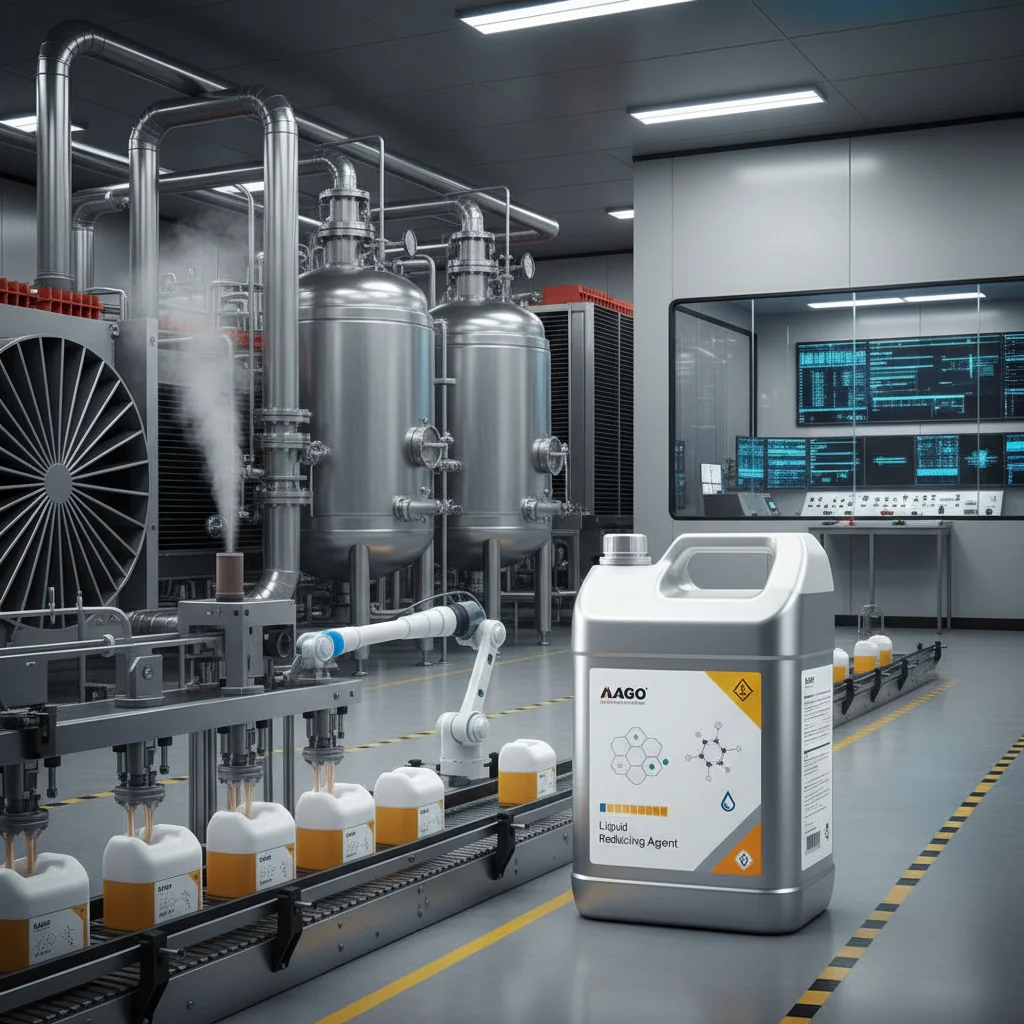
Exploring the Innovative Use of Enzymes in Leather Industry for Sustainable Processing
Exploring the Innovative Use of Enzymes in Leather Industry for Sustainable Processing
Use of Enzymes in the Leather Industry
The leather industry, traditionally reliant on harsh chemicals, is undergoing a significant transformation driven by sustainability and environmental concerns. Enzymes are emerging as powerful bio-catalysts, offering eco-friendly alternatives to conventional leather processing methods. This article explores the diverse applications of enzymes in various stages of leather manufacturing, their benefits, and the future outlook of this exciting technology. Understanding the use of enzymes in leather industry is crucial for companies looking to modernize their processes and reduce their environmental footprint.
The Role of Enzymes in Leather Processing: A Sustainable Shift
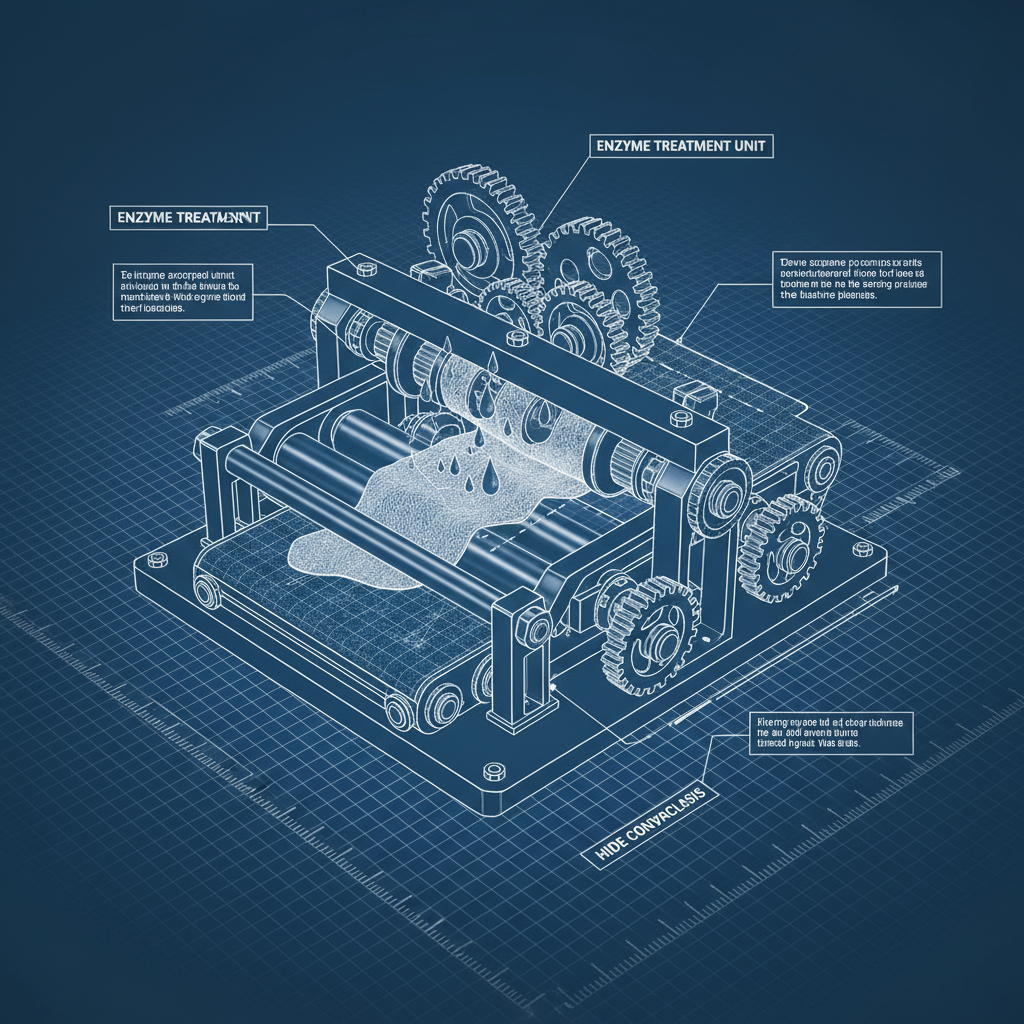
Traditionally, leather processing involves the use of chromium salts, acids, and alkalis, which pose significant environmental and health hazards. Enzymes, being biodegradable and highly specific, offer a cleaner, more efficient, and sustainable alternative. They can replace or reduce the reliance on these harsh chemicals in several crucial stages of leather production, including soaking, liming, dehairing, bating, and finishing. The adoption of enzymatic processes leads to reduced water consumption, lower chemical discharge, and improved leather quality. Furthermore, enzyme-based processes often require lower temperatures and pH levels, resulting in energy savings.
Key Benefits: Reduced chemical usage, Lower environmental impact, Improved leather quality, Energy savings, Biodegradable processes.
Enzymatic Applications in Key Leather Processing Stages
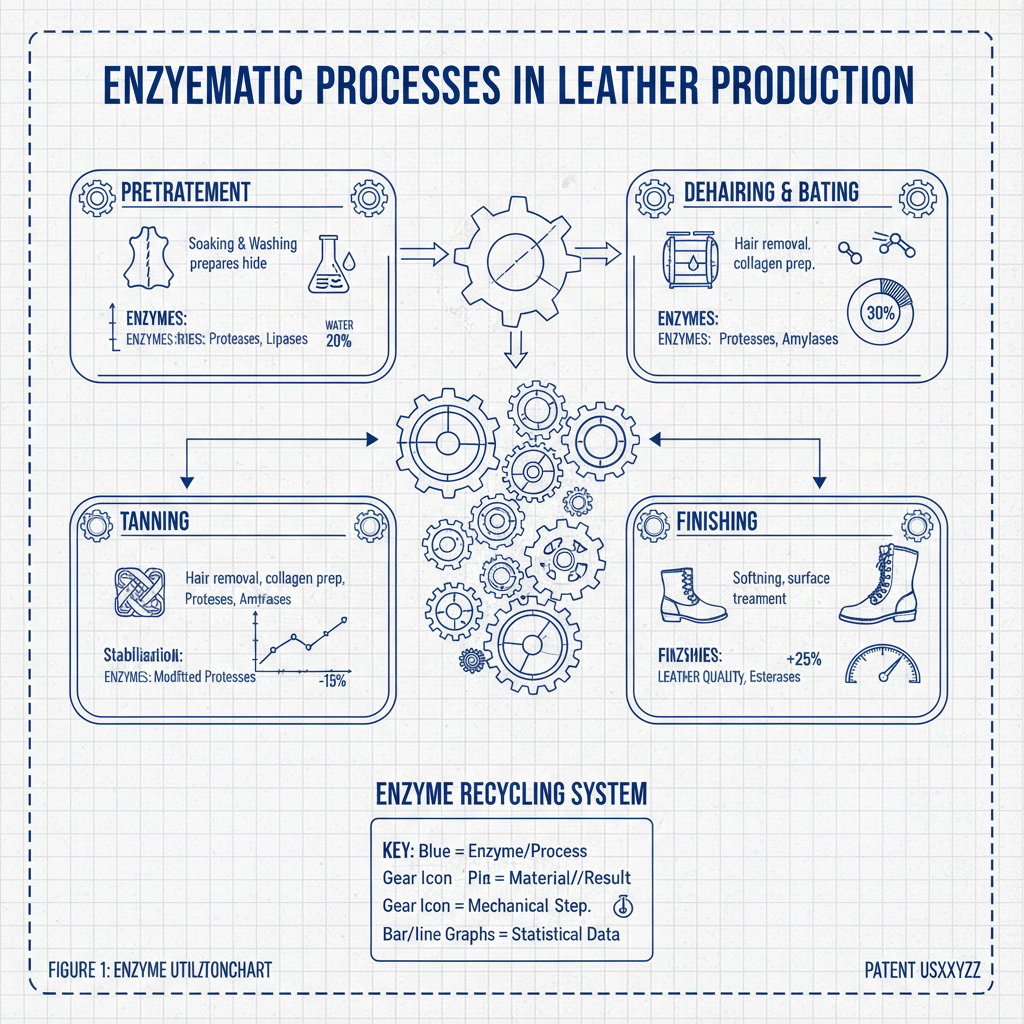
Enzymes are employed in a wide array of leather processing stages. In the soaking stage, enzymatic soaking aids in faster and more efficient water uptake, reducing soaking time and water consumption. During liming and dehairing, proteases and keratinases efficiently remove hair and epidermal proteins, eliminating the need for harsh lime treatments. The bating process utilizes proteases and amylases to refine the grain and improve the suppleness of the leather. Enzymes also play a vital role in finishing, where they can enhance dye uptake, improve grain smoothness, and impart desirable properties to the final product. Dyeingchem provides a comprehensive range of enzymatic solutions tailored to each stage of leather processing.
Enzymatic Process Breakdown:
• Soaking: Enzymatic soaking aids for faster water uptake.
• Liming/Dehairing: Proteases and keratinases for efficient hair removal.
• Bating: Proteases and amylases for grain refinement.
• Finishing: Enhancing dye uptake and grain smoothness.
Comparison: Conventional vs. Enzymatic Leather Processing
The shift from conventional to enzymatic leather processing represents a paradigm shift in sustainability and efficiency. While traditional methods rely on harmful chemicals and intensive processes, enzymatic approaches offer a gentler, more environmentally responsible alternative. The table below highlights the key differences between these two methodologies.
Current Market Trends and Future Outlook
The global leather industry is witnessing a growing demand for sustainable and eco-friendly products. Consumers are increasingly aware of the environmental impact of leather manufacturing and are actively seeking alternatives. This trend is driving the adoption of enzymatic processes by leather manufacturers worldwide. The market for leather enzymes is expected to grow significantly in the coming years, fueled by stricter environmental regulations, rising consumer awareness, and advancements in enzyme technology. Dyeingchem is at the forefront of this innovation, providing cutting-edge enzymatic solutions to meet the evolving needs of the leather industry.
Conclusion: Embracing Enzymatic Solutions for a Sustainable Leather Industry
The use of enzymes in the leather industry is no longer a futuristic concept but a present-day reality. By embracing enzymatic processes, leather manufacturers can significantly reduce their environmental footprint, improve product quality, and meet the growing demand for sustainable leather goods. Dyeingchem is committed to providing innovative and sustainable enzymatic solutions to empower the leather industry towards a greener future.
Frequently Asked Questions (FAQs)
What are the main types of enzymes used in leather processing?
The most commonly used enzymes in leather processing include proteases (for protein hydrolysis), amylases (for starch removal), keratinases (for hair removal), lipases (for fat removal), and cellulases (for modifying cellulose fibers). Each enzyme plays a specific role in optimizing different stages of the leather manufacturing process. The selection of the appropriate enzyme depends on the desired outcome and the specific characteristics of the hide or skin being processed.
How does enzymatic dehairing compare to traditional lime-based dehairing?
Enzymatic dehairing offers several advantages over traditional lime-based methods. It requires less harsh chemicals, resulting in reduced environmental pollution and improved worker safety. The process is more selective, minimizing damage to the collagen fibers in the hide, leading to softer and more supple leather. Enzymatic dehairing also typically requires lower temperatures and shorter processing times, resulting in energy savings. However, it can be more sensitive to process control and requires careful optimization for optimal results.
Are enzymes cost-effective compared to traditional chemicals?
While the initial cost of enzymes may be higher than some traditional chemicals, the overall cost-effectiveness is often superior. Enzymes reduce the need for expensive chemical waste treatment, lower water consumption, and shorten processing times, leading to significant cost savings. Furthermore, the improved leather quality resulting from enzymatic processes can command higher market prices. When considering the long-term economic and environmental benefits, enzymes represent a sound investment for leather manufacturers.
What is the future of enzyme technology in the leather industry?
The future of enzyme technology in the leather industry is incredibly promising. Ongoing research and development efforts are focused on discovering new enzymes with enhanced activity, stability, and specificity. Advancements in enzyme engineering and immobilization techniques are further improving their performance and reducing costs. We can expect to see even wider adoption of enzymatic processes, including the development of fully enzymatic leather processing systems and the use of enzymes for creating novel leather finishes and functionalities.