Revolutionizing Leather Processing with Innovative Enzymes for Leather Industry
Revolutionizing Leather Processing with Innovative Enzymes for Leather Industry
Enzymes for Leather Industry: A Comprehensive Guide
The leather industry, steeped in tradition, is undergoing a significant transformation driven by sustainability and efficiency demands. A key element of this evolution is the increasing adoption of enzymes for leather processing. Enzymes offer a greener alternative to traditional chemical processes, reducing environmental impact while improving leather quality. This article will delve into the applications, benefits, and considerations for using enzymes in the leather industry. We’ll explore how Dyeingchem provides tailored enzymatic solutions for a variety of leather processing needs.
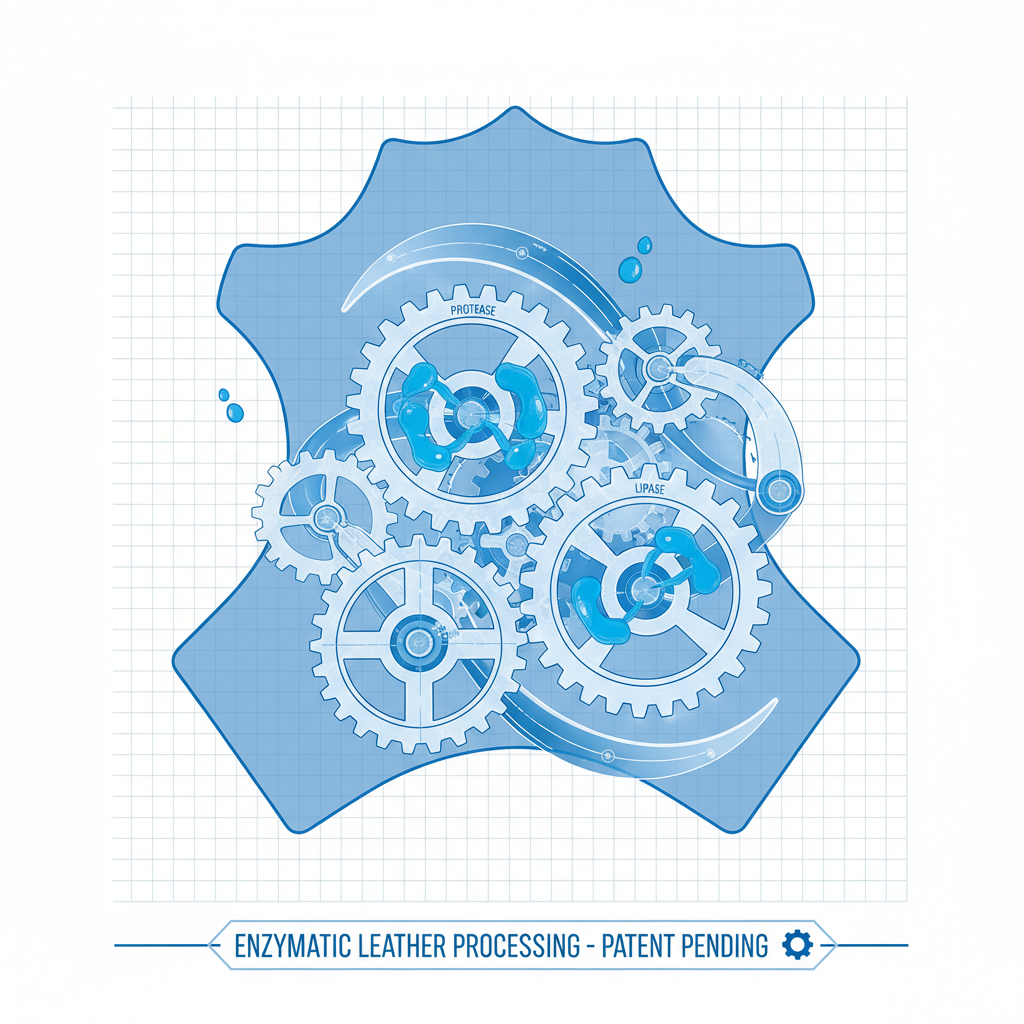
Understanding Enzymes in Leather Processing
Enzymes are biological catalysts that accelerate specific chemical reactions. In leather processing, they are used in various stages, including soaking, liming, bating, and finishing. Unlike harsh chemicals, enzymes are biodegradable and operate under mild conditions (temperature, pH), minimizing damage to the leather fibers. Different enzymes target specific components of the hide, leading to more controlled and efficient processing. For instance, proteases break down proteins, amylases degrade starches, and lipases hydrolyze fats. The precise application of these enzymes is critical to achieving desired leather characteristics, like softness, suppleness, and grain tightness.
Key Benefit: Enzymes reduce the reliance on traditional, polluting chemicals, leading to a more sustainable and environmentally friendly leather production process.
Key Applications of Enzymes for Leather Industry
Enzymes play a vital role in several key steps of leather manufacturing. In the soaking phase, enzymes help remove dirt, blood, and other unwanted materials, preparing the hide for further processing. During liming, enzymes assist in hair removal and the opening up of the hide structure. The bating process, traditionally reliant on harsh chemicals, benefits significantly from enzymatic bating, resulting in a softer, more flexible leather. Furthermore, enzymes are used in degreasing to eliminate excess fats and oils, ensuring proper dye penetration. Finally, enzymes can enhance the finishing process, improving leather feel and appearance.
Enzymatic Application Areas:
• Soaking: Improved Hide Preparation
• Liming: Efficient Hair Removal
• Bating: Enhanced Leather Softness
• Degreasing: Optimized Dye Uptake
• Finishing: Improved Leather Quality
Enzymes vs. Traditional Chemicals: A Detailed Comparison
Traditionally, the leather industry heavily relied on harsh chemicals like sodium sulfide and lime for processing. However, these chemicals pose significant environmental concerns due to their toxicity and disposal challenges. Enzymes offer a compelling alternative, providing comparable or even superior results with a minimal environmental footprint. The table below highlights a detailed comparison between enzymatic and chemical processes.
Selecting the Right Enzymes: A Dyeingchem Perspective
Choosing the right enzyme is crucial for optimal results. Factors to consider include the type of hide, desired leather characteristics, and processing conditions. Dyeingchem offers a comprehensive range of enzymes specifically formulated for leather processing. Our team of experts provides technical support and customized solutions to meet individual client needs. We focus on providing high-activity, stable enzymes that deliver consistent performance and contribute to sustainable leather production.
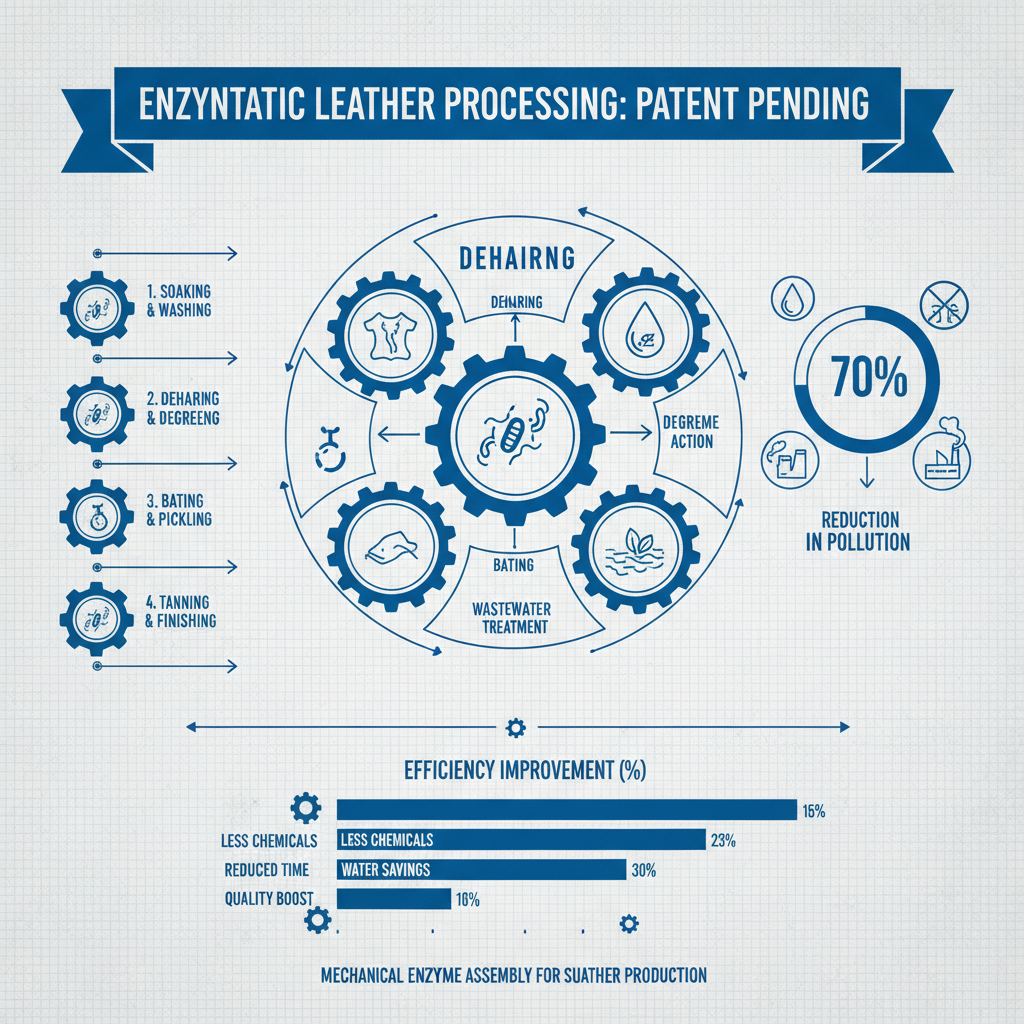
Dyeingchem's Enzyme Product Specifications
Below are specifications for one of our key enzyme products used in leather bating:
Conclusion: Embracing Enzymatic Solutions for a Sustainable Future
The adoption of enzymes in the leather industry is no longer a trend but a necessity. By minimizing environmental impact, enhancing leather quality, and improving process efficiency, enzymes offer a compelling pathway towards a more sustainable and responsible future. Dyeingchem is committed to providing innovative enzymatic solutions that empower leather manufacturers to meet the evolving demands of the market.
Frequently Asked Questions (FAQs)
What are the cost benefits of using enzymes compared to traditional chemicals?
While the initial cost of enzymes might be slightly higher, the long-term benefits often outweigh the expense. Enzymes reduce the need for harsh chemicals, which translates to lower waste disposal costs and reduced environmental remediation expenses. Furthermore, enzymatic processes typically require less water and energy, contributing to further cost savings. Improved leather quality resulting from enzymatic treatments can also lead to higher selling prices. Dyeingchem provides detailed cost-benefit analyses to help clients assess the economic viability of switching to enzymatic solutions.
How stable are enzymes during the leather processing cycle?
Enzyme stability is a critical consideration. Factors like pH, temperature, and the presence of certain metal ions can affect enzyme activity. Dyeingchem’s enzymes are formulated to exhibit high stability under typical leather processing conditions. We also provide technical guidance on optimizing process parameters to maintain enzyme activity. Furthermore, enzyme stabilization techniques, such as encapsulation, can be employed to enhance their robustness.
Are enzymes compatible with all types of leather?
Enzymes can be used effectively on a wide range of leather types, including bovine, sheep, and goat. However, the specific enzyme selection and application parameters must be tailored to the type of hide and the desired leather characteristics. Different hides have varying collagen structures and require different enzymatic treatments. Dyeingchem offers specialized enzyme blends for various leather types, ensuring optimal results.
What safety precautions should be taken when handling enzymes?
While enzymes are generally considered safe, it's important to handle them with care. Avoid direct contact with skin and eyes, and wear appropriate protective gear, such as gloves and goggles. In case of contact, rinse thoroughly with water. Enzyme dust can be irritating to the respiratory system, so ensure adequate ventilation. Always refer to the Material Safety Data Sheet (MSDS) for detailed safety information.