
Reducing agent tcep, a critical component in various industrial processes, is gaining increasing prominence due to its efficiency and versatility. Its applications span across diverse sectors, from textile dyeing and pharmaceutical manufacturing to water treatment and chemical synthesis. Understanding its properties, applications, and future potential is paramount for professionals and researchers alike. The demand for sustainable and efficient chemical solutions is driving innovation in reducing agent technology, and tcep stands as a significant advancement.
Globally, the need for effective reducing agents is growing, fueled by expanding industrial production and stricter environmental regulations. Industries are increasingly seeking alternatives to traditional reducing agents that minimize environmental impact and enhance process efficiency. This demand is particularly strong in emerging economies experiencing rapid industrialization. The efficient use of reducing agent tcep can contribute to significant cost savings and improved product quality for businesses worldwide.
The importance of reducing agent tcep extends beyond mere industrial applications. Its use in specialized areas like environmental remediation and advanced materials science underscores its broad utility. As research continues to unlock new possibilities, reducing agent tcep is poised to play an even more significant role in addressing global challenges and driving technological advancements.

The Definition and Chemical Properties of reducing agent tcep

Reducing agent tcep (Tris(2-carboxyethyl)phosphine) is a water-soluble, odorless, and non-toxic reducing agent widely used in biochemistry, molecular biology, and analytical chemistry. Its primary function is to maintain reducing conditions, preventing the oxidation of sensitive biomolecules, particularly proteins. It effectively breaks disulfide bonds, crucial in protein structure and function.
The chemical properties of reducing agent tcep are particularly advantageous. Its stability in aqueous solutions, coupled with its relatively small molecular size, allows for efficient diffusion into biological samples. Furthermore, tcep does not generate harmful byproducts like some other reducing agents, making it a preferred choice in applications where sample integrity is paramount.
FAQS
reducing agent tcep offers several advantages including its stability in solution, lack of offensive odor, and the fact that it doesn’t generate noxious or toxic byproducts like β-ME. While DTT is a stronger reducing agent, tcep is often preferred for applications where preserving sample integrity and minimizing environmental impact are paramount. Its water solubility also simplifies handling and reduces the need for organic solvents.
While generally compatible, it's crucial to consider the specific biomolecule. Some proteins with particularly sensitive disulfide bonds may require careful optimization of tcep concentration and reaction conditions. Always test compatibility with a small sample before applying tcep to a larger scale. Reducing agent tcep is known to be effective with a wide range of proteins, but exceptions can occur.
reducing agent tcep should be stored in a tightly sealed container, protected from light and air, and at a temperature between 2-8°C (36-46°F). Exposure to air and light can lead to oxidation and degradation of the reducing agent, reducing its effectiveness. Avoid repeated freeze-thaw cycles.
The concentration of reducing agent tcep directly influences its reducing power and reaction rate. Insufficient concentration may lead to incomplete reduction, while excessively high concentration can potentially cause unwanted side reactions. Optimal concentration is typically determined empirically, based on the specific application and the amount of disulfide bonds present.
Certain metal ions can catalyze the decomposition of reducing agent tcep, potentially reducing its effectiveness. It’s essential to consider the presence of metal ions in the reaction mixture and, if necessary, employ chelating agents to bind them and prevent interference. Careful experimental design is crucial when working with metal ions.
While generally considered non-toxic, reducing agent tcep should be handled with care. Avoid contact with skin and eyes. Wear appropriate personal protective equipment, including gloves and safety glasses. In case of contact, rinse thoroughly with water. Refer to the Safety Data Sheet (SDS) for complete safety information.
Conclusion
In conclusion, reducing agent tcep is a versatile and increasingly important chemical compound with a wide range of applications across diverse industries. Its unique properties – including its water solubility, stability, and non-toxicity – make it a superior alternative to traditional reducing agents in many scenarios. From textile dyeing and pharmaceutical manufacturing to environmental remediation and advanced materials science, reducing agent tcep is proving its value and driving innovation.
Looking ahead, ongoing research and development efforts will continue to unlock the full potential of reducing agent tcep. Addressing challenges related to production cost, stability, and byproduct formation will pave the way for even broader adoption and more sustainable practices. We encourage you to explore the possibilities of utilizing reducing agent tcep in your applications and visit our website at www.dyeingchem.com to learn more.
Related Posts
-

Understanding Redox Agents and Their Crucial Role in Modern Chemical Processes
-
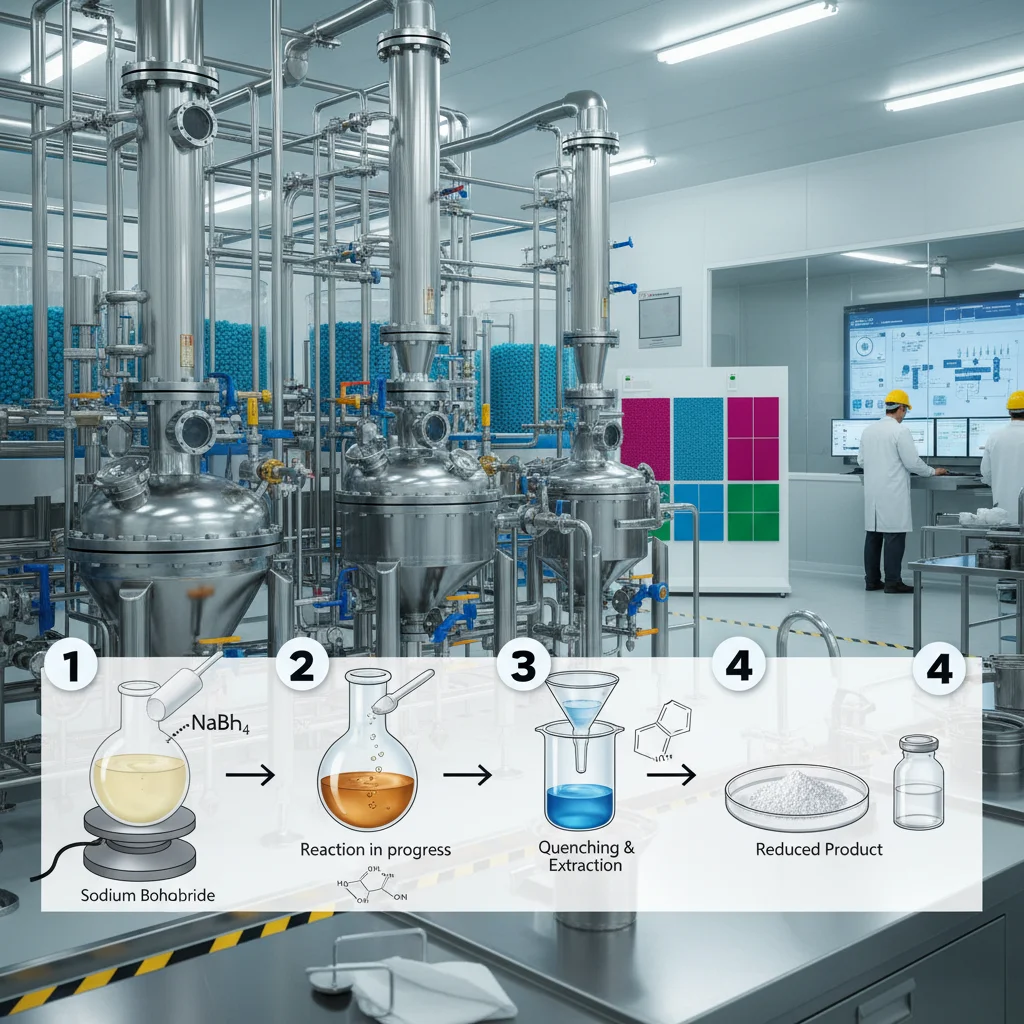
Industrial Application of strong reducing agents organic chemistry
-
Understanding the Crucial Roles of Oxidising and Reducing Agent in Modern Science
-

Navigating Innovation in Textile Auxiliaries Chemicals for Modern Construction