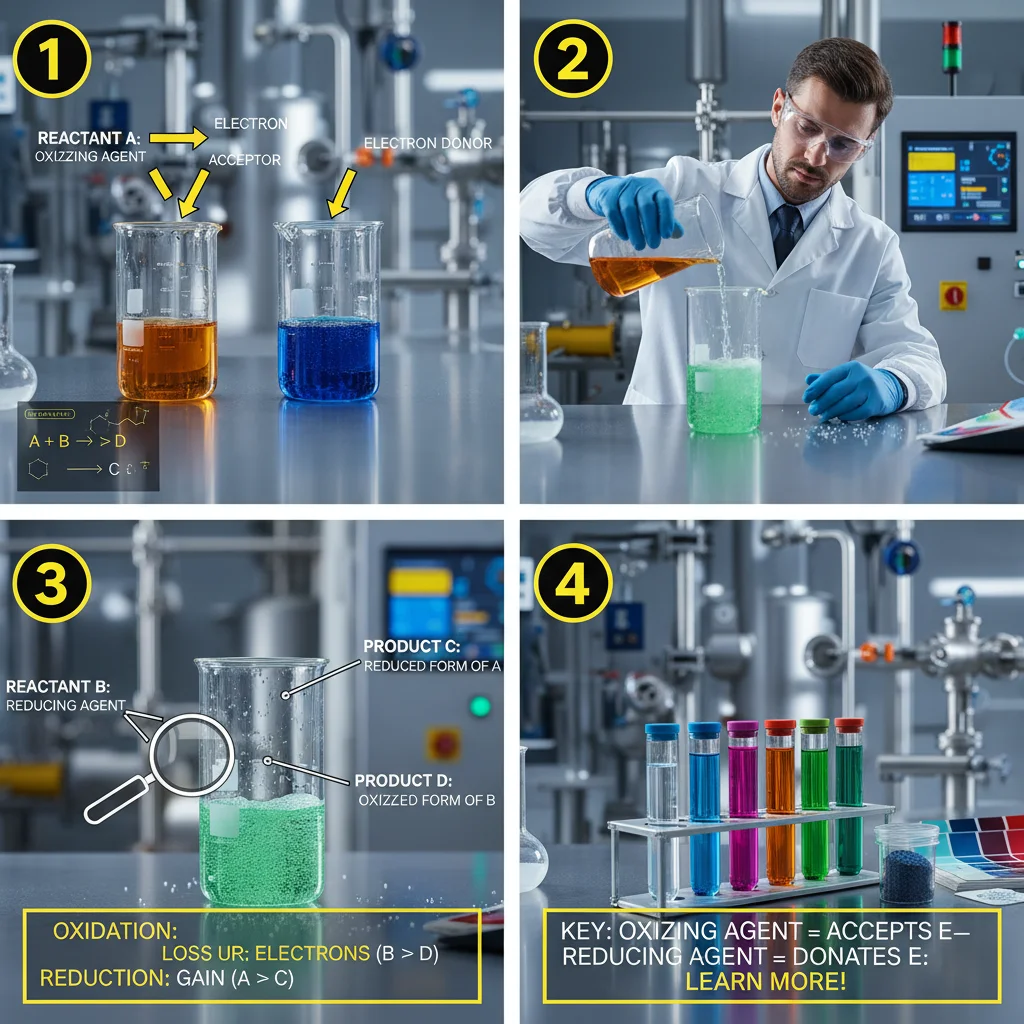
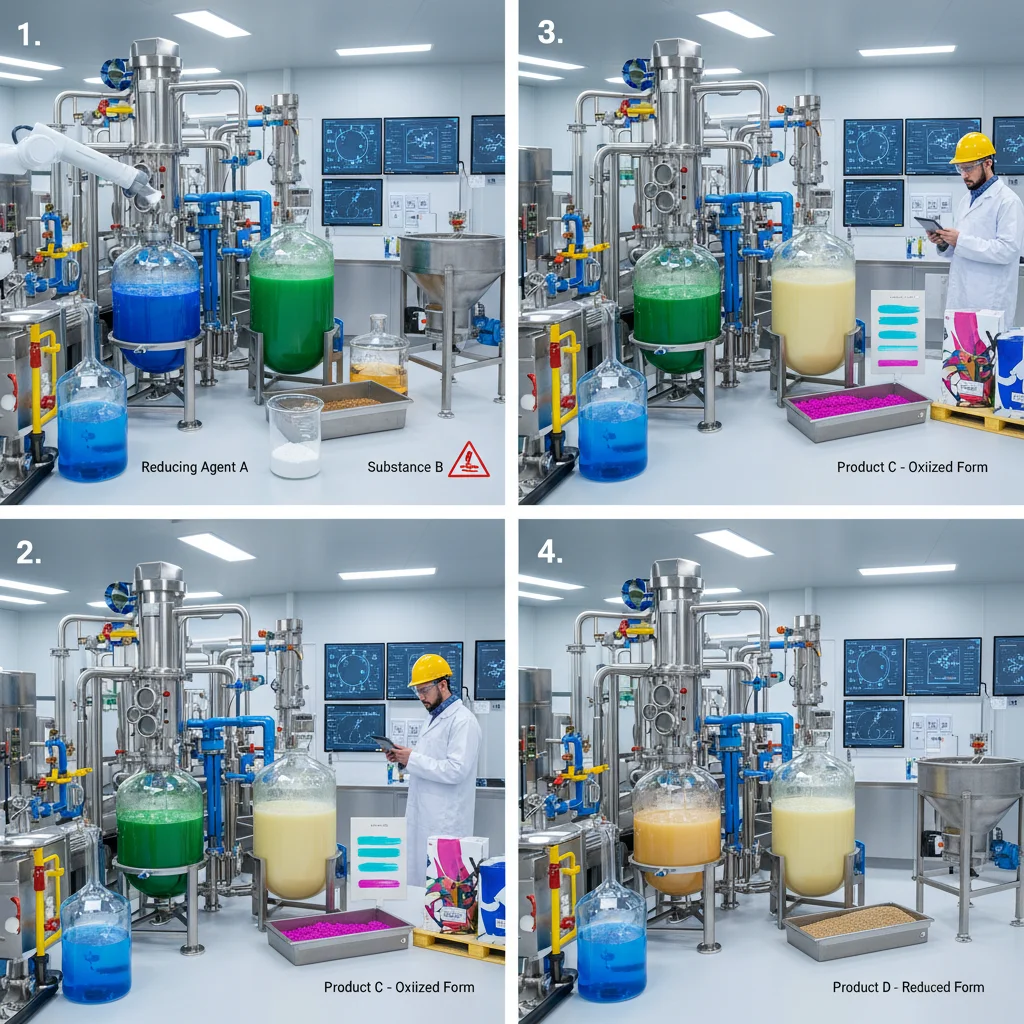
Oxidising and reducing agents are fundamental to a vast array of chemical processes, impacting industries from manufacturing and environmental remediation to medicine and energy production. Understanding their roles is crucial for innovation and sustainable development. These agents dictate the flow of electrons within reactions, enabling the creation of countless products and technologies essential to modern life. The efficient and safe use of oxidising and reducing agent is, therefore, a cornerstone of chemical engineering and scientific progress.
The global significance of oxidising and reducing agent extends beyond laboratory settings and industrial plants. They are integral to natural cycles, such as respiration and photosynthesis, sustaining life on Earth. Addressing challenges related to pollution, energy storage, and material science increasingly relies on manipulating oxidation-reduction (redox) reactions. According to the UN Environment Programme, advancements in redox chemistry are critical for achieving Sustainable Development Goals related to clean water, affordable energy, and responsible consumption.
The implications of properly understanding these agents can be seen across multiple sectors. For example, improving battery technology—crucially dependent on redox reactions—is key to the transition towards renewable energy. Furthermore, the ability to selectively control oxidation and reduction processes is paramount in developing more effective pharmaceuticals and environmentally friendly industrial processes. This foundational knowledge unlocks potential across countless applications, making the study of oxidising and reducing agent incredibly pertinent.
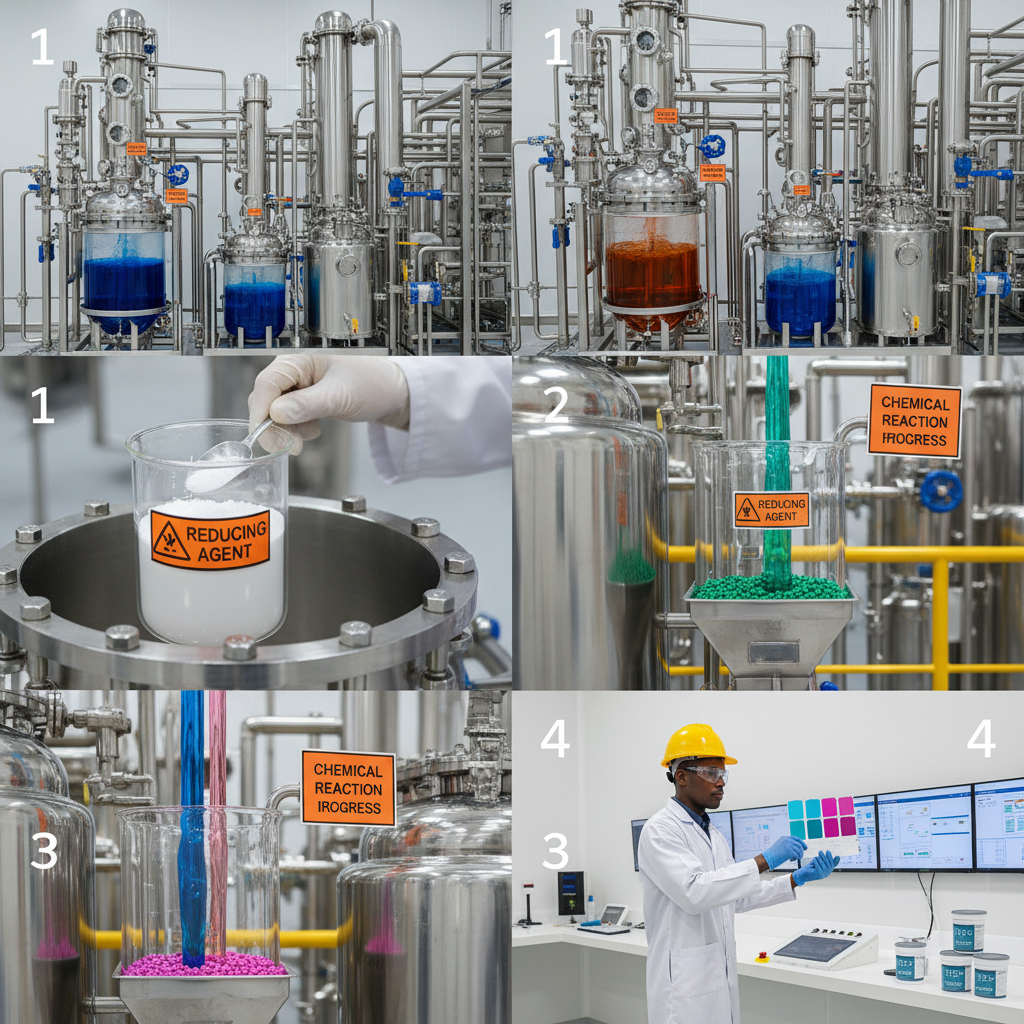
Defining oxidising and reducing agent
In simple terms, an oxidising agent accepts electrons from another substance, causing that substance to be oxidised. Conversely, a reducing agent donates electrons, causing another substance to be reduced. This electron transfer is the fundamental process underlying all redox reactions. Think of it like a 'tug-of-war' with electrons – one agent pulls (oxidises) while the other pushes (reduces).
This seemingly abstract concept has profoundly practical applications. For instance, the prevention of corrosion, crucial for infrastructure longevity, relies on carefully selected reducing agents that sacrifice themselves to protect metals. Similarly, the bleaching action of household cleaners utilizes oxidising agents to break down coloured compounds. This connection to everyday life underscores the importance of understanding oxidising and reducing agent in both scientific and practical contexts.
The Core Principles of Redox Reactions
At the heart of understanding oxidising and reducing agent lies the concept of oxidation states. These represent the hypothetical charge an atom would have if all bonds were completely ionic. An increase in oxidation state signifies oxidation (loss of electrons), while a decrease signifies reduction (gain of electrons). The agent causing the change is, therefore, the oxidising or reducing agent respectively.
Redox reactions are always coupled; oxidation cannot occur without simultaneous reduction. This is because electrons cannot simply disappear. The number of electrons lost during oxidation must equal the number gained during reduction, ensuring charge balance. Balancing redox equations accurately is, therefore, a critical skill in chemistry.
Furthermore, the strength of an oxidising or reducing agent is quantified by its reduction potential. A higher reduction potential indicates a stronger oxidising agent (greater tendency to accept electrons) and vice versa for reducing agents. These potentials guide the prediction of reaction feasibility and the selection of appropriate agents for specific applications.
Factors Influencing Agent Effectiveness
Several key factors dictate the effectiveness of an oxidising or reducing agent. These include concentration, temperature, pH, and the presence of catalysts. Higher concentrations generally lead to faster reaction rates, but can also increase the risk of unwanted side reactions. Temperature impacts reaction kinetics, with higher temperatures usually accelerating the process.
pH plays a critical role in redox reactions involving acids or bases. The proton concentration can influence the oxidation states of reactants and the stability of intermediates. Catalysts, on the other hand, accelerate reaction rates without being consumed themselves, often by lowering the activation energy. Understanding these interacting factors is essential for optimising redox processes.
The chemical structure of the agent itself is also paramount. For example, certain functional groups attached to a molecule can significantly alter its redox potential and reactivity. Steric hindrance – the physical blocking of reactive sites – can also reduce effectiveness. Careful consideration of these structural elements is vital when designing new redox agents.
Practical Applications Across Industries
The applications of oxidising and reducing agent are remarkably diverse. In the pharmaceutical industry, redox reactions are employed in the synthesis of complex drug molecules, ensuring purity and efficacy. In the food industry, antioxidants (reducing agents) prevent spoilage and extend shelf life, while controlled oxidation is used in flavour development.
Environmental remediation also heavily relies on redox chemistry. For example, using reducing agents to convert harmful hexavalent chromium into less toxic trivalent chromium in contaminated water sources. Moreover, the energy sector is dramatically impacted. Batteries, fuel cells, and corrosion prevention all rely on finely tuned oxidation-reduction processes.
Efficiency of Different oxidising and reducing agent Methods
Benefits and Long-Term Value Proposition
The judicious use of oxidising and reducing agent leads to numerous tangible benefits. Cost savings through optimized reaction efficiency and reduced waste are significant. Furthermore, the development of 'greener' redox processes employing environmentally benign agents enhances sustainability. This aligns with increasing regulatory pressures and consumer demand for eco-friendly products.
Beyond these practical advantages, employing a thorough understanding of these agents fosters innovation. Precise control over redox reactions opens avenues for novel materials design, advanced energy storage solutions, and more effective medical treatments. This translates to long-term economic growth and improved quality of life.
Emerging Trends and Innovations
Current research focuses on developing novel electrocatalysts that enhance the efficiency of redox reactions, particularly in the context of renewable energy. Nanomaterials with tailored redox properties are also gaining prominence, offering enhanced surface area and reactivity. The integration of artificial intelligence and machine learning is accelerating the discovery of new redox agents and optimizing existing processes.
Furthermore, the field of bio-inspired redox chemistry is rapidly expanding. Mimicking the highly efficient redox enzymes found in nature holds immense potential for creating sustainable and selective catalytic systems. These advancements collectively promise a future where redox chemistry plays an even more central role in solving global challenges.
Challenges and Potential Solutions
Despite the significant progress, challenges remain. Many traditional oxidising and reducing agent are toxic or environmentally harmful. Selectivity – controlling which substance is oxidized or reduced in a complex mixture – can be difficult to achieve. Scale-up from laboratory to industrial production can also present unforeseen hurdles.
Addressing these requires a multi-pronged approach. Developing less toxic alternatives, employing advanced separation techniques, and utilizing computational modelling to predict reaction outcomes are all crucial steps. Investing in research and development, fostering collaboration between academia and industry, and promoting responsible chemical handling practices are equally important.
Ultimately, a commitment to sustainability and innovation will pave the way for overcoming these challenges and unlocking the full potential of oxidising and reducing agent for the benefit of society.
Summary of Challenges and Potential Solutions in Redox Chemistry
| Challenge Area |
Specific Problem |
Proposed Solution |
Implementation Difficulty (1-10) |
| Toxicity |
Many common agents are environmentally damaging. |
Development of 'green' oxidising and reducing agent. |
7 |
| Selectivity |
Difficulty controlling which substance reacts. |
Employing highly specific catalysts. |
8 |
| Scalability |
Lab results don’t always translate to industrial scale. |
Pilot plant studies and process optimization. |
6 |
| Cost |
Some agents are prohibitively expensive. |
Exploring alternative, readily available materials. |
5 |
| Waste Generation |
Redox reactions often produce undesirable byproducts. |
Developing catalytic cycles with minimal waste. |
7 |
| Process Monitoring |
Real-time monitoring of redox reactions is challenging. |
Implementing advanced spectroscopic techniques. |
6 |
FAQS
While both influence chemical reactions, an oxidising agent participates in the reaction by accepting electrons, becoming reduced itself. A catalyst, on the other hand, speeds up the reaction without being consumed. Catalysts provide an alternative reaction pathway with lower activation energy, but don’t undergo a permanent chemical change like an oxidising agent does. Understanding this distinction is key to grasping redox chemistry.
Strong oxidising agents are reactive and can cause burns or fires. Always wear appropriate personal protective equipment (PPE) including gloves, eye protection, and a lab coat. Handle them in a well-ventilated area, and avoid contact with organic materials or flammable substances. Store them separately from reducing agents and other incompatible chemicals. Always consult the Safety Data Sheet (SDS) before handling any chemical.
Common industrial reducing agents include hydrogen gas (H2), carbon monoxide (CO), sodium borohydride (NaBH4), and various metal hydrides. These agents are used in a wide range of applications, from metal refining to the synthesis of pharmaceuticals. The specific choice of reducing agent depends on the desired reaction and process conditions.
pH can significantly impact the strength of an oxidising agent, particularly those involving acids or bases. Changes in pH can alter the oxidation state of the agent or affect the reaction mechanism. For example, permanganate (MnO4-) is a stronger oxidising agent in acidic solutions than in neutral or basic solutions due to the formation of manganese(VII) oxide.
Yes, redox reactions are the fundamental principle behind batteries and fuel cells. Batteries store chemical energy by facilitating a controlled redox reaction, releasing electrons to create an electrical current. Fuel cells continuously convert the chemical energy of a fuel (like hydrogen) into electricity through redox reactions. Both technologies are crucial for sustainable energy solutions.
Electrochemical series (or activity series) list substances according to their standard reduction potentials. A substance higher on the list is a stronger oxidising agent and can oxidize substances lower on the list. Conversely, a substance lower on the list is a stronger reducing agent and can reduce substances higher on the list. This provides a predictive tool for determining if a redox reaction will occur spontaneously.
Conclusion
In conclusion, oxidising and reducing agent are not merely abstract chemical concepts; they are fundamental forces shaping our world. Their influence extends from the core processes of life to the technological advancements driving modern society. A deep understanding of redox chemistry is crucial for developing sustainable solutions in energy, environmental remediation, and material science. The ability to manipulate electron transfer processes empowers innovation and opens doors to a more efficient and environmentally conscious future.
Continued research and development in this area, coupled with a commitment to responsible chemical practices, will be essential for overcoming existing challenges and unlocking the full potential of oxidising and reducing agent. We encourage you to explore further into this captivating field and discover how it impacts your daily life. For more information on applications and advancements in the field, visit our website: https://www.dyeingchem.com