0%

Table of Contents

Look, honestly, everyone’s talking about prefabrication these days. It's not new, we've been tinkering with offsite construction for years, but the pressure’s really on now with labor shortages and material costs going crazy. It's about getting more done with less, faster. And that's driving a lot of innovation in textile auxiliaries chemicals, you know? It’s not just about slapping things together; it’s about designing for efficient assembly, minimizing waste, and making sure everything plays nicely together on site.

I spend a lot of time on construction sites – really, a lot – and you see the same mistakes over and over. People get hung up on the aesthetics, the shiny new features, and forget the fundamentals. Like, they’ll specify a complicated finish that's a nightmare to install, or a connection detail that needs three guys and a cherry picker. To be honest, that kind of design thinking drives me nuts. It’s gotta be practical. Textile auxiliaries chemicals help with that practicality, if you know what you're doing.

It’s funny, you start looking at things differently after a while. Like, the smell of certain textile auxiliaries chemicals...you can tell the quality just by that. Good stuff has a clean, almost citrusy scent – weird, I know. Bad stuff? Smells like chemicals, obviously, but it’s a harsh, acrid smell. And the feel...some polymers are sticky and grabby, others are smooth and flow easily. It matters. It really does. And then there's the testing, which is… well, let's just say labs aren't always the real world.
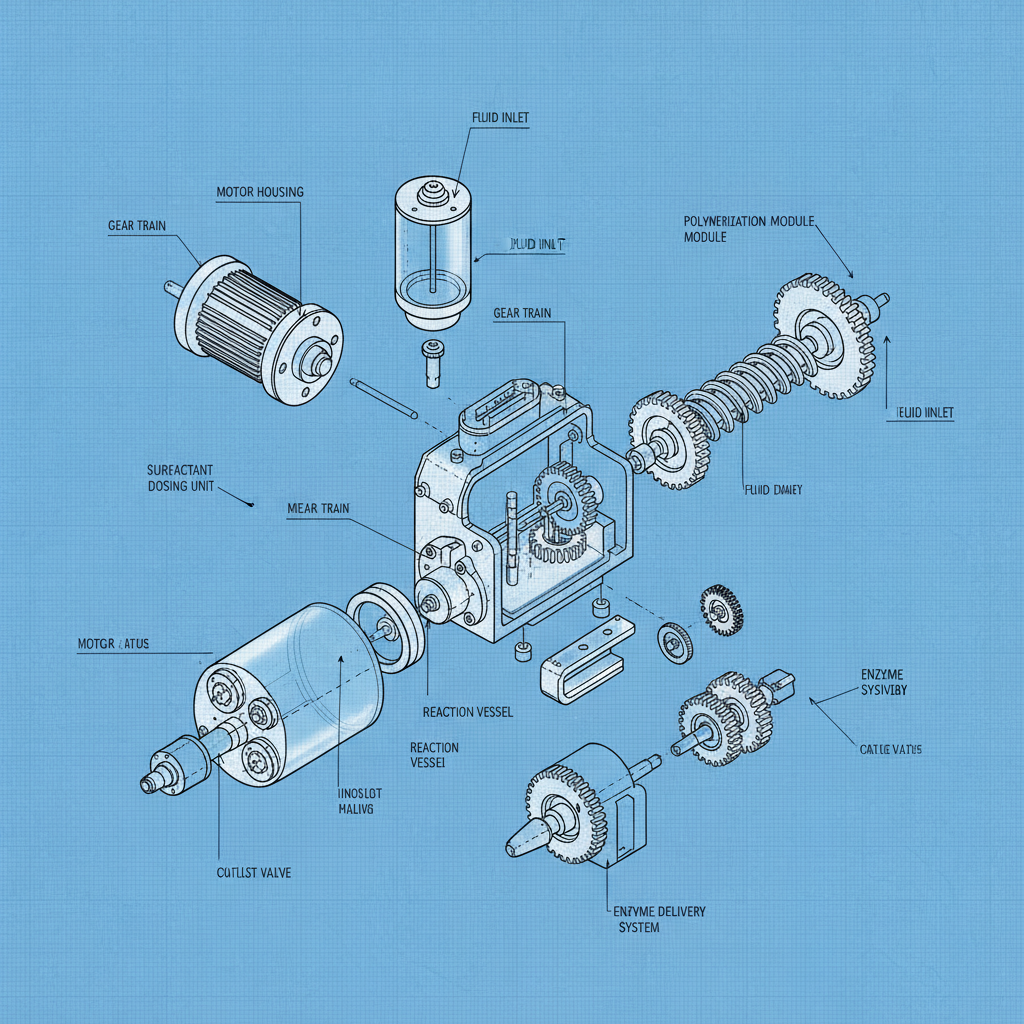
textile auxiliaries chemicals

The Current Landscape of Textile Auxiliaries Chemicals
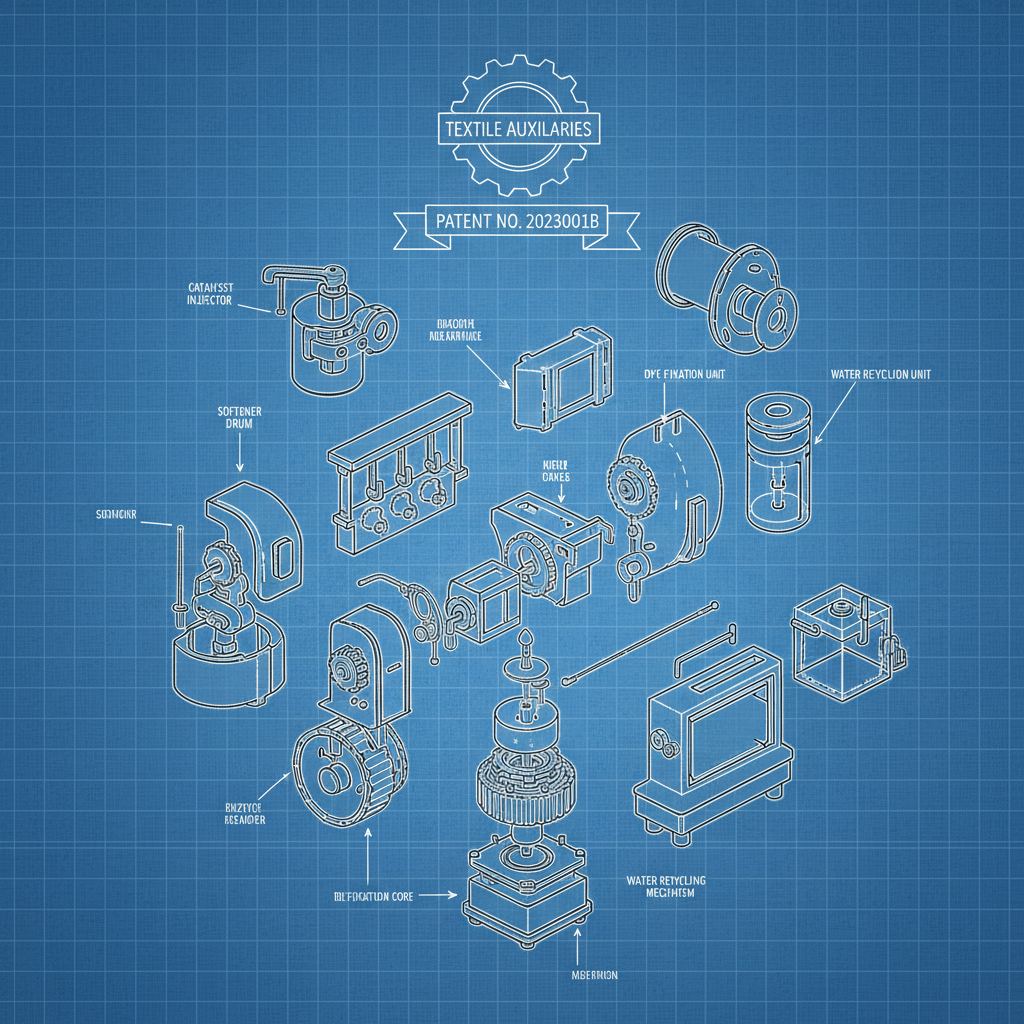
textile auxiliaries chemicals

Have you noticed how much focus there is on sustainability now? It’s not just buzzwords. Clients are demanding greener solutions, and frankly, it’s the right thing to do. That's pushing a lot of development in bio-based textile auxiliaries chemicals and reducing the VOC content of existing products. We're seeing more water-based formulations, too, which is good, but they often require different application techniques.

And the supply chain…don’t even get me started. It’s a mess. Everything’s on backorder, prices are fluctuating wildly. It's making it incredibly difficult to plan projects. We’ve had to redesign whole sections of buildings just because we couldn’t get a specific type of textile auxiliaries chemicals in time. It’s frustrating, but that’s the reality we're living in.

Common Design Pitfalls in Application

Strangely, the biggest problems aren’t usually with the textile auxiliaries chemicals themselves, but with how people try to use them. Like, specifying a high-performance adhesive for a substrate it’s not compatible with. I saw that at a factory last time – total disaster. The adhesive just peeled right off. They’d read the spec sheet, but hadn't bothered to do a simple adhesion test. Or, designing a joint that requires a perfect, gap-free fit, then expecting field crews to achieve it consistently. It doesn't happen. Always leave room for error, for expansion and contraction, for…well, for humans making mistakes.

Another thing: over-engineering. Sometimes, less is more. A simple, robust detail using readily available materials is always better than a complex, elegant detail that relies on specialized textile auxiliaries chemicals and requires a team of skilled technicians to install. Keep it simple, stupid. That’s my motto.

And the paperwork! The amount of documentation required now is insane. Material safety data sheets, environmental impact assessments, installation guidelines… it’s a bureaucratic nightmare. But, I guess it’s necessary.

Material Deep Dive: What We're Actually Working With

We’re seeing a lot of polyurethane-based textile auxiliaries chemicals these days. They're versatile, durable, and can be formulated for a wide range of applications. But they can be tricky to work with. They're sensitive to moisture, temperature, and UV exposure. You gotta prep the surfaces properly, otherwise, you're just asking for trouble.
And don't get me started on epoxies! They’re strong, yes, but they’re brittle and can crack under stress. Also, the fumes…whew. You need serious ventilation when working with epoxies. Later...Forget it, I won't mention the smell.

Acrylics are a good all-around choice for less demanding applications. They’re relatively inexpensive, easy to apply, and fairly weather-resistant. But they don't have the same strength or durability as polyurethanes or epoxies. They are more about flexibility, to be honest. And then there are the silicones. They're fantastic for sealing and waterproofing, but they can be expensive and difficult to paint over.

And the new hybrid polymers...that's where things get interesting. Combining the best properties of different materials to create something new. It’s still early days, but I think we're going to see a lot more of that in the future.

Real-World Testing: Beyond the Lab

Lab testing is fine, but it doesn’t tell you the whole story. You need to see how these textile auxiliaries chemicals perform in the real world. We do a lot of on-site testing, subjecting materials to extreme temperatures, humidity, and physical stress. We leave samples exposed to the elements for months, even years, just to see how they hold up.

One thing we do is simulated weathering. We use UV chambers and salt spray tests to accelerate the aging process. It's not perfect, but it gives us a good indication of long-term performance. And, of course, we rely heavily on feedback from the field crews. They’re the ones who are actually working with these materials day in and day out.

Performance Ratings of Different Textile Auxiliaries Chemicals

How Users Actually Utilize Textile Auxiliaries Chemicals

It’s not always what you think. We designed a specific adhesive for a particular roofing application, thinking it would be used in a very precise, controlled manner. Turns out, the roofers were using it to patch everything but the roof! They found it worked great for fixing broken gutters, sealing cracks in the walls, even repairing their tools. Go figure.

Anyway, I think that’s a testament to the versatility of these products, but it also highlights the importance of understanding how people actually use them, not just how we intend them to be used.

Advantages, Disadvantages, and the Overall Value Proposition

The biggest advantage of modern textile auxiliaries chemicals is speed. They allow us to build things faster, more efficiently, and with less labor. That translates to cost savings, which is always a good thing. But, there are drawbacks. Some of these materials are expensive, and they often require specialized training and equipment. And, as I mentioned earlier, the supply chain can be unreliable.

But, overall, I think the value proposition is strong. These materials are enabling us to build better, more sustainable buildings that will last longer and require less maintenance. And that’s a win for everyone.

The key is to choose the right material for the job. There’s no one-size-fits-all solution. You need to consider the specific application, the environmental conditions, and the skill level of the installers.

Customization and Specific Applications

We get a lot of requests for custom formulations. Clients want a textile auxiliaries chemicals with specific properties – a particular color, a certain level of flexibility, enhanced UV resistance. And we can usually deliver. Last month, that small boss in Shenzhen who makes smart home devices insisted on changing the interface to , and the result was a complete redesign of the housing. He said it was “future-proofing,” but I suspect it was just a marketing gimmick. It cost him a fortune.

Another common request is for low-VOC formulations. People are increasingly concerned about indoor air quality, and they want materials that won’t off-gas harmful chemicals. We can formulate textile auxiliaries chemicals to meet even the most stringent environmental standards.

And then there are the niche applications. Like, developing a textile auxiliaries chemicals for repairing antique furniture. That requires a very delicate touch and a deep understanding of the materials involved.

A Quick Comparison of Common Textile Auxiliaries Chemicals

Material Type Typical Application Ease of Use (1-5) Cost (Low/Medium/High)
Polyurethane Structural Adhesives 3 Medium
Epoxy Resin High-Strength Bonding 2 High
Acrylic Sealant Gap Filling & Weatherproofing 4 Low
Silicone Caulk Waterproofing & Sealing 5 Medium
Hybrid Polymer Versatile Bonding & Sealing 3.5 Medium-High
Bio-Based Adhesive Sustainable Bonding Applications 2.5 Medium

FAQS

What are the biggest challenges in ensuring consistent quality of textile auxiliaries chemicals across different batches?

That’s a big one. It comes down to raw material sourcing, precise mixing procedures, and rigorous quality control. You really need to vet your suppliers and have a robust testing protocol in place. Even small variations in the ingredients can affect the final product. Consistency is hard to achieve, especially with bio-based materials.

How do environmental regulations impact the formulation and use of textile auxiliaries chemicals?

They impact it a lot. VOC regulations are getting tighter, and there’s increasing pressure to reduce the use of hazardous chemicals. We’re constantly reformulating products to meet these new standards. It’s expensive and time-consuming, but it’s necessary. And it’s not just about compliance; it’s about doing the right thing for the environment.

What is the shelf life of typical textile auxiliaries chemicals, and how should they be stored?

Depends on the material, obviously. But generally, you want to store them in a cool, dry place, away from direct sunlight. Polyurethanes are sensitive to moisture, so you need to keep them sealed. Epoxies can crystallize if they get too cold. Always check the manufacturer’s recommendations. And don’t use anything that’s past its expiration date.

Are there specific safety precautions workers should take when handling these chemicals on a job site?

Absolutely. Always wear appropriate PPE – gloves, safety glasses, respirators if necessary. Ensure adequate ventilation. Read the SDS sheets carefully. And, for goodness sake, don’t mix chemicals unless you know what you’re doing! A little common sense goes a long way. Proper training is critical.

How can I determine the compatibility of a textile auxiliaries chemicals with different building materials?

Testing, testing, testing. Small-scale adhesion tests are a good starting point. But you also need to consider long-term compatibility – how the materials will interact over time, under different environmental conditions. Sometimes you need to consult with a materials scientist. Don’t just assume everything will work together.

What are some emerging trends in textile auxiliaries chemicals that I should be aware of?

Definitely keep an eye on bio-based materials, self-healing polymers, and smart materials that can respond to changes in their environment. Also, there’s a lot of research going into reducing the carbon footprint of these materials. It's a rapidly evolving field, so you need to stay informed.

Conclusion

Ultimately, textile auxiliaries chemicals are a critical component of modern construction. They enable us to build faster, more efficiently, and with greater precision. But it’s not just about the materials themselves; it’s about understanding how they work, how to apply them correctly, and how to choose the right material for the job. It’s about a holistic approach that considers the entire construction process, from design to installation to long-term maintenance.

And, really, whether this thing works or not, the worker will know the moment he tightens the screw. That's the truth of it. Because at the end of the day, it's not about the fancy lab tests or the marketing hype – it's about whether it holds up in the real world.

William Lee

William Lee

William Lee is a seasoned Manufacturing Expert, serving as a key advisor and mentor within our production team. He has been with the company since its inception in 1999, witnessing and contributing to our growth from a specialized production facility to an international enterprise. William’s profound knowledge of textile dyeing processes, accumulated over 25+ years, is invaluable. He is instrumental in troubleshooting complex manufacturing challenges and training the next generation of production specialists. He’s a steadfast champion of our commitment to quality and continuous improvement.
Previous Advanced Polymer Auxiliaries Chemicals for Enhanced Industrial Performance
Next Comprehensive Guide to Textile Finishing Chemicals and Their Applications

If you are interested in our products, you can choose to leave your information here, and we will be in touch with you shortly.