0%

Table of Contents

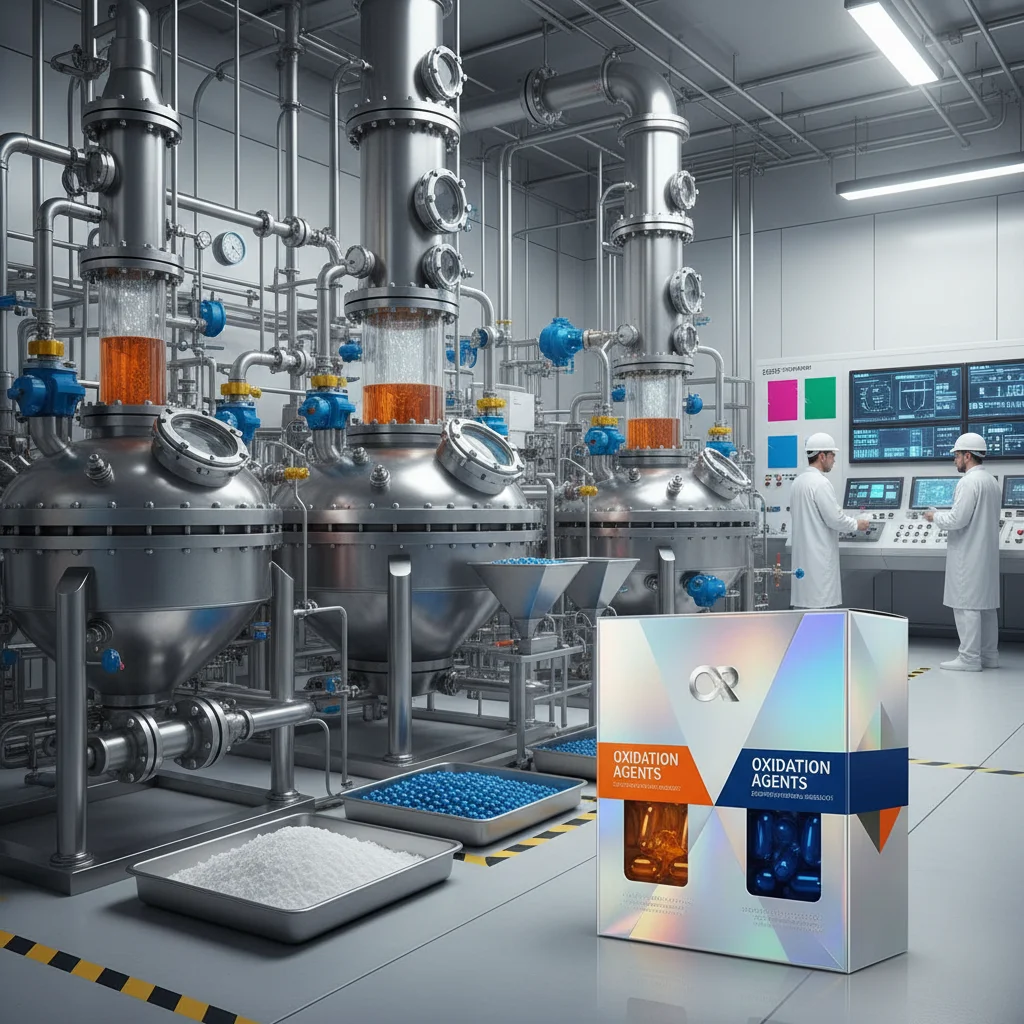
Inorganic reducing agents are fundamental components across a diverse range of industrial processes and environmental applications. From wastewater treatment and metal refining to chemical synthesis and energy storage, these agents play a critical role in facilitating essential chemical reactions. Understanding their properties, applications, and emerging technologies is increasingly vital as industries strive for greater efficiency, sustainability, and environmental responsibility. The global market for these agents is substantial and growing, driven by stringent environmental regulations and the demand for cleaner production methods.

The significance of inorganic reducing agents extends beyond industrial applications; they are also central to addressing global challenges. Their use in pollution control, resource recovery, and the development of sustainable energy solutions highlights their importance in creating a more environmentally sound future. The increasing awareness of the environmental impact of industrial processes, coupled with stricter regulations regarding waste disposal and emissions, is fueling the demand for effective and eco-friendly inorganic reducing agents.

Moreover, the study of inorganic reducing agents fosters innovation in materials science, electrochemistry, and catalysis. The development of novel reducing agents with enhanced selectivity, efficiency, and cost-effectiveness is crucial for advancing numerous technological fields. This knowledge empowers scientists and engineers to tackle complex problems and develop solutions that benefit both industry and society, making a thorough understanding of these compounds incredibly valuable.
inorganic reducing agents

Introduction to inorganic reducing agents
inorganic reducing agents

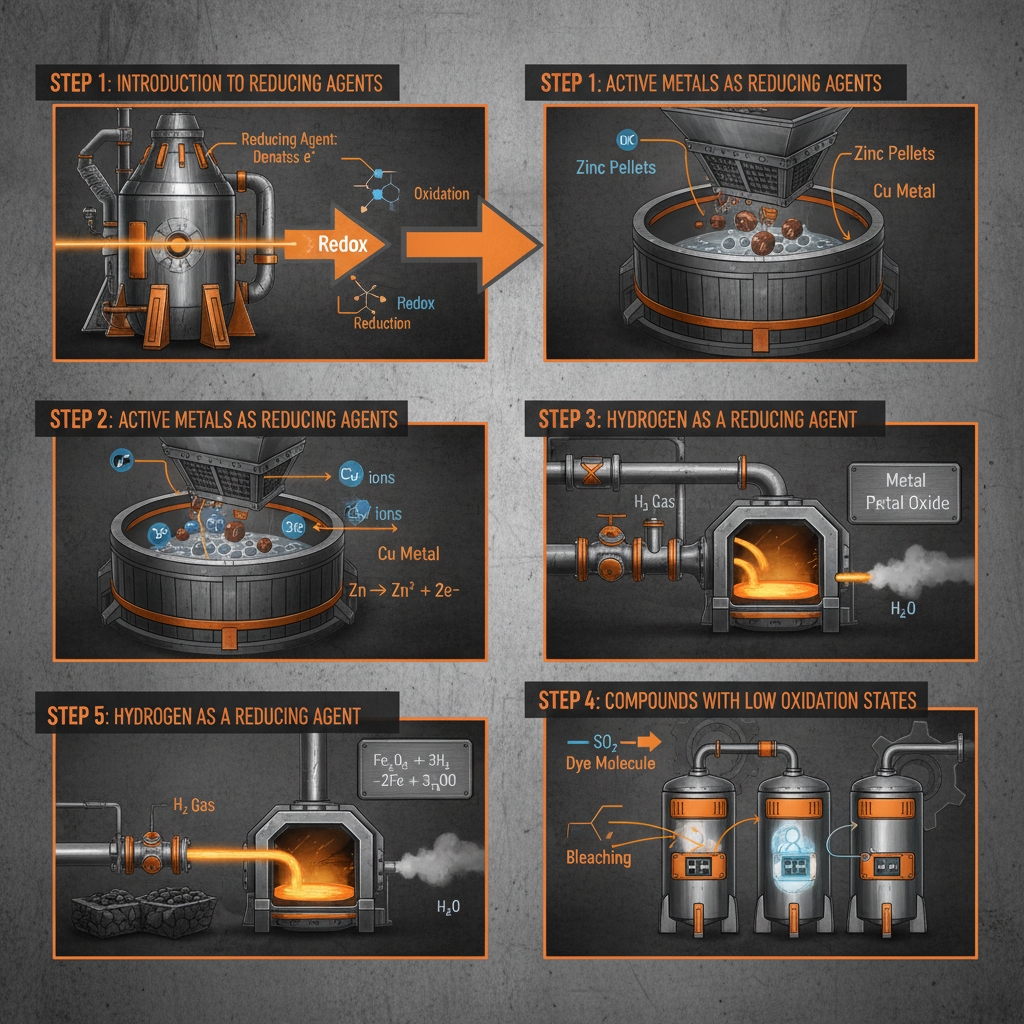
Inorganic reducing agents are vital substances employed to donate electrons in chemical reactions, effectively reducing the oxidation state of another species. These agents are crucial for numerous industrial applications, from refining metals to treating wastewater. The choice of an appropriate inorganic reducing agent depends heavily on the specific application, considering factors like cost, efficiency, and environmental impact.

The effectiveness of inorganic reducing agents stems from their ability to facilitate electron transfer, thereby altering the chemical composition of substances. This capacity is fundamental in processes requiring the removal of contaminants, the recovery of valuable resources, and the creation of new materials. Ongoing research continues to refine these agents for more sustainable and impactful applications.

Defining Inorganic Reducing Agents

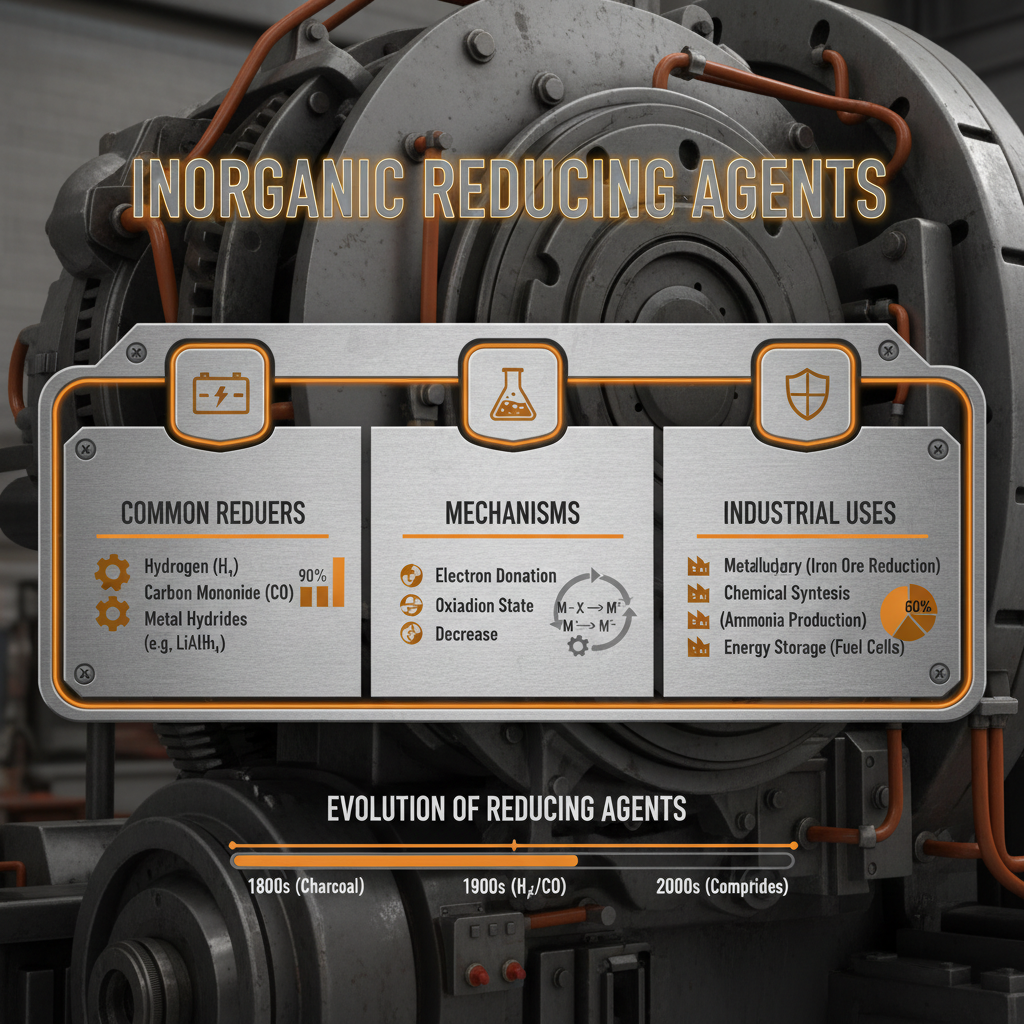
Inorganic reducing agents are chemical compounds that lose electrons to another species during a redox (reduction-oxidation) reaction, causing the other species to be reduced. Unlike organic reducing agents based on carbon chains, these agents are typically composed of elements not traditionally associated with organic chemistry, like metals, sulfur, or nitrogen compounds. They are pivotal in various industrial processes where controlled reduction is required.

Their connection to modern industry and humanitarian needs lies in their versatile functionality. For example, ferrous sulfate is widely utilized in wastewater treatment to reduce hexavalent chromium, a toxic pollutant, to a less harmful trivalent form. Similarly, sodium borohydride finds applications in pharmaceutical synthesis and as a reducing agent in specialized cleaning products.

These applications underscore the importance of inorganic reducing agents in addressing both industrial challenges and societal needs, contributing to cleaner production and improved environmental health.

Core Characteristics of inorganic reducing agents

One key characteristic of inorganic reducing agents is their redox potential – a measure of their tendency to lose electrons. A lower redox potential indicates a stronger reducing agent. Different agents exhibit varying redox potentials, enabling the selection of the most suitable compound for a specific application. This precise control is vital for optimizing reaction efficiency.

Another crucial aspect is stability. Some inorganic reducing agents are sensitive to air or moisture, requiring careful handling and storage. Stability directly impacts the shelf life and operational reliability of the agent. Careful consideration must be given to ensure the agent remains effective throughout its intended use.

Furthermore, solubility plays a significant role. The solubility of an inorganic reducing agent in a particular solvent influences its reaction rate and effectiveness. In many cases, optimizing solubility requires careful selection of the solvent or the use of additives to enhance dispersion. Understanding these nuances is essential for successful implementation.

Applications Across Industries

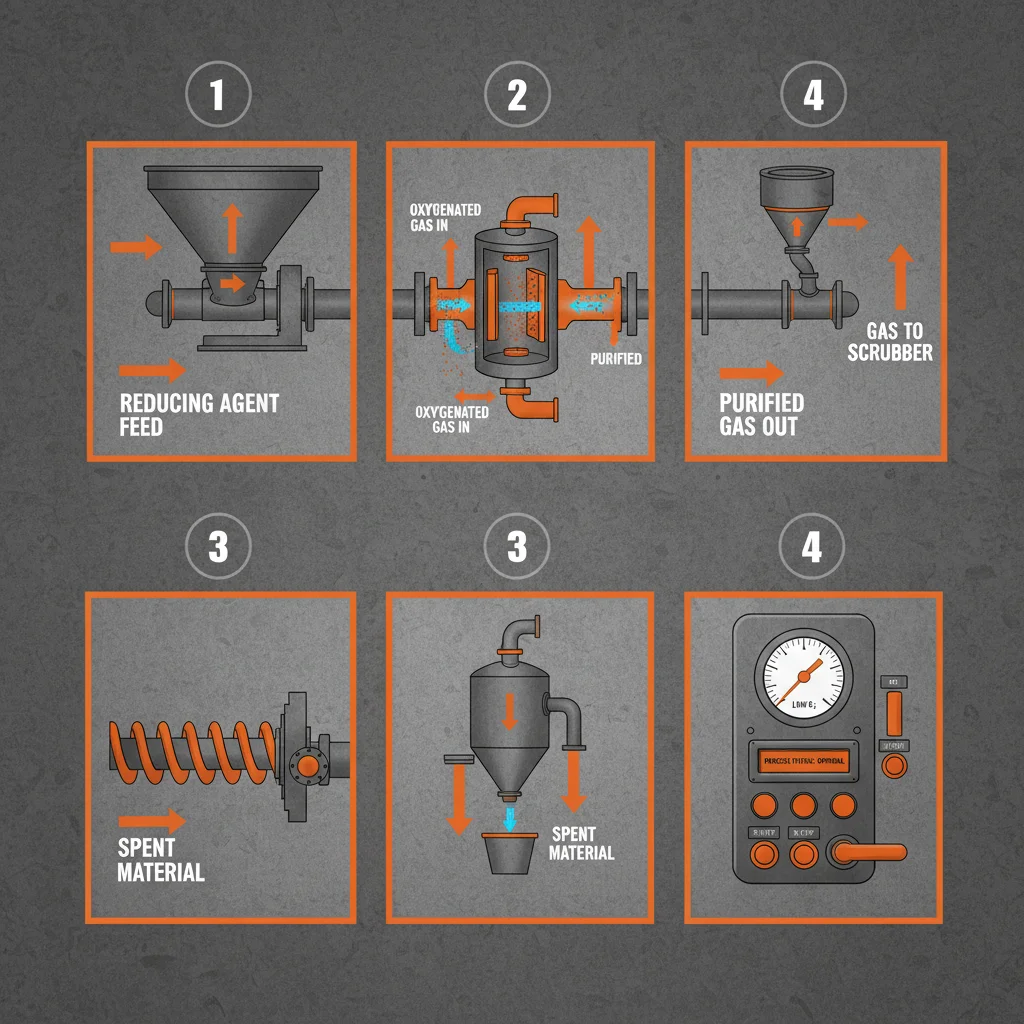
Inorganic reducing agents are extensively used in the metallurgical industry for extracting and refining metals from their ores. For instance, carbon monoxide is employed to reduce iron oxide to metallic iron in blast furnaces. Similarly, hydrogen is used to reduce tungsten oxide to tungsten metal, essential for producing high-strength alloys.

Comparative Efficiency of inorganic reducing agents

Advantages and Long-Term Value

The cost-effectiveness of many inorganic reducing agents is a significant advantage, particularly in large-scale industrial applications. Compared to some organic alternatives, they often offer comparable or superior performance at a lower price point, improving overall process economics.

Furthermore, utilizing these agents can contribute to enhanced sustainability. Properly managed, they can facilitate the recovery of valuable resources from waste streams, reducing the environmental impact of industrial processes. Inorganic reducing agents play a critical role in responsible waste management.

Future Trends in inorganic reducing agents

Research is increasingly focused on developing ‘green’ inorganic reducing agents – those that are non-toxic, biodegradable, and derived from renewable sources. This aligns with the growing demand for sustainable chemistry and environmentally friendly industrial practices. Current efforts explore utilizing bio-based reducing agents with comparable efficiency to traditional methods.

Another emerging trend involves the development of nano-structured inorganic reducing agents. These materials offer enhanced surface area and reactivity, leading to improved efficiency and reduced consumption of the agent itself. Nanomaterials are poised to revolutionize several applications dependent on reduction reactions.

Challenges and Solutions

One common challenge associated with using inorganic reducing agents is the generation of byproducts that may require further treatment or disposal. Careful process optimization and the selection of agents that produce benign byproducts are crucial for mitigating this issue.

Another limitation can be the sensitivity of some agents to specific environmental conditions, such as pH or temperature. Employing process controls and utilizing stabilizing additives can help overcome these limitations. Continued research into more robust and versatile agents remains a priority.

Finally, transportation and storage of certain inorganic reducing agents can pose safety concerns. Implementing stringent safety protocols, proper packaging, and adherence to regulatory guidelines are essential for ensuring safe handling throughout the supply chain.

Summary of Challenges and Mitigation Strategies for Inorganic Reducing Agents

Challenge Impact Area Mitigation Strategy Implementation Cost (1-10)
Byproduct Generation Environmental Compliance Process Optimization & Benign Agent Selection 6
Environmental Sensitivity Process Reliability Process Controls & Stabilizing Additives 7
Agent Instability Shelf Life & Effectiveness Improved Packaging & Controlled Storage 5
Handling & Safety Concerns Worker Safety & Regulatory Compliance Strict Safety Protocols & Training 8
Cost of Specialized Agents Economic Feasibility Value Engineering & Process Integration 4
Scalability of Green Alternatives Widespread Adoption Investment in Research & Development 9

FAQS

What are the primary safety concerns when handling inorganic reducing agents?

Many inorganic reducing agents can be corrosive or reactive. Direct contact with skin or eyes should be avoided, and appropriate personal protective equipment (PPE) – including gloves, goggles, and respirators – should always be worn. Proper ventilation is also crucial to prevent inhalation of fumes. Always consult the Safety Data Sheet (SDS) before handling.

How do I determine the optimal inorganic reducing agent for my specific application?

Selecting the right agent requires a thorough understanding of your process requirements. Consider the target species you need to reduce, the desired reaction rate, the pH and temperature conditions, and any potential environmental constraints. Evaluating the redox potential and solubility of different agents is also crucial. Consulting with a chemical expert can provide tailored guidance.

What are the environmental impacts associated with using inorganic reducing agents?

Some inorganic reducing agents can produce harmful byproducts, impacting water quality or soil composition. Choosing agents that generate less toxic byproducts or employing treatment technologies to neutralize them can minimize environmental impact. Adhering to environmental regulations and implementing responsible waste management practices are essential.

Can inorganic reducing agents be used for remediating contaminated water sources?

Yes, inorganic reducing agents are frequently used in water treatment to remove contaminants like heavy metals and hexavalent chromium. For instance, ferrous sulfate effectively reduces hexavalent chromium to the less toxic trivalent form. The specific agent and dosage depend on the type and concentration of contaminants present.

What are the cost factors to consider when choosing an inorganic reducing agent?

Cost factors include the price of the agent itself, transportation costs, storage requirements, and the costs associated with waste disposal and byproduct treatment. Consider the overall lifecycle cost, including potential savings from improved process efficiency or reduced environmental impact. inorganic reducing agents vary greatly in price.

How does the pH of the solution affect the performance of inorganic reducing agents?

The pH significantly impacts the reactivity of many inorganic reducing agents. Some agents are more effective in acidic environments, while others perform better in alkaline conditions. Maintaining the optimal pH range is crucial for maximizing reduction efficiency. It is important to conduct pH monitoring and control during the process.

Conclusion

Inorganic reducing agents are indispensable tools across diverse industries, playing a critical role in processes ranging from metal refinement to environmental remediation. Their ability to facilitate electron transfer enables essential chemical transformations, contributing to both economic growth and environmental sustainability. Understanding their properties, applications, and emerging trends is paramount for scientists, engineers, and policymakers alike.

Looking ahead, continued innovation in ‘green’ inorganic reducing agents and the development of more efficient and sustainable technologies will be vital. Addressing the challenges associated with byproduct management and agent stability will further enhance their utility and minimize their environmental impact. Visit our website at www.dyeingchem.com to explore our comprehensive range of inorganic reducing agents and learn how we can help optimize your processes.

Robert Chen

Robert Chen

Robert Chen is our Head of International Business, based in our Hong Kong office. He’s been with the company for 16 years, starting in domestic sales and transitioning to international markets in 2010. Robert was vital in establishing our international business center in 2023, leveraging his deep understanding of both our manufacturing strengths and global customer needs. He excels at building strong relationships with partners worldwide and ensuring seamless communication. Robert's expertise includes navigating complex export regulations and adapting our solutions to diverse regional requirements. He consistently seeks opportunities to expand our global footprint and drive growth.
Previous The Expanding Role of Mild Reducing Agents in Industry and Sustainability
Next Advancements in Selective Reducing Agent Technologies for Sustainable Chemistry

If you are interested in our products, you can choose to leave your information here, and we will be in touch with you shortly.