0%

Table of Contents

Look, I’ve been running around construction sites for, well, too long now to remember. You see a lot. And lately? Everyone’s obsessed with prefabrication. Modular this, offsite that. It’s not new, not by a long shot, but the push is real now. Labor shortages, tighter deadlines, everyone wants faster, cheaper, better… you name it. Honestly, it’s a scramble. But it also means a lot of folks are trying to cut corners, and that’s where things get tricky.

Have you noticed how everyone’s going for lighter materials? It sounds great on paper, reduces transport costs, easier to handle… but sometimes, it just feels… flimsy. I encountered this at a factory in Ningbo last time, they were using this new composite paneling. Looked great in the showroom, but when you tapped it, it sounded hollow. Hollow! You’re building structures that need to last, not cardboard castles.

And that brings me to the materials themselves. We're leaning heavily into high-strength steel, obviously. S355J2 is the workhorse, feels solid, smells like… well, steel, I guess? Bit oily if you’re not careful. Then there's the aluminum alloys, especially for cladding. 6061-T6, nice to work with, cuts clean. But you gotta watch for corrosion, especially near the coast. We're also seeing more engineered wood products – CLT, glulam. They smell amazing, honestly, like a forest in a factory. But moisture is the enemy. You’ve got to seal it properly.
dye auxiliaries

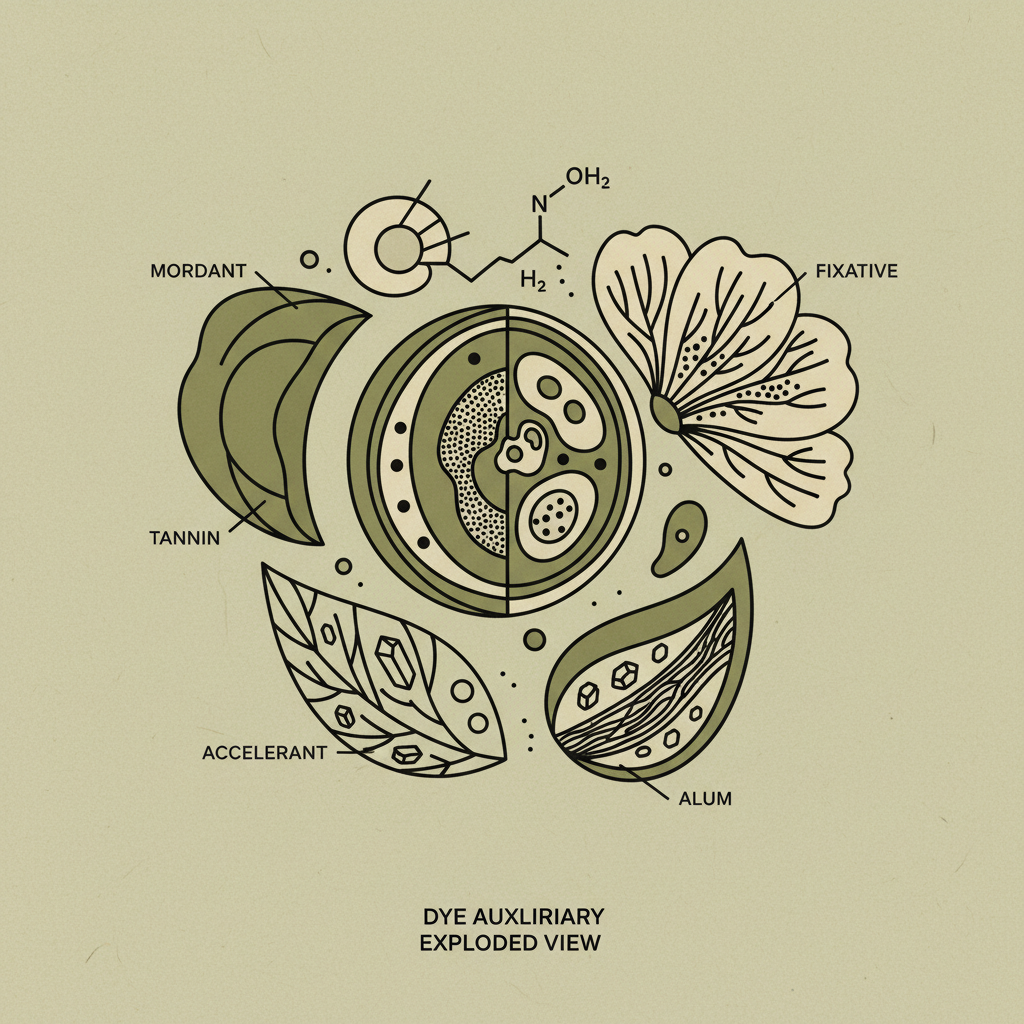
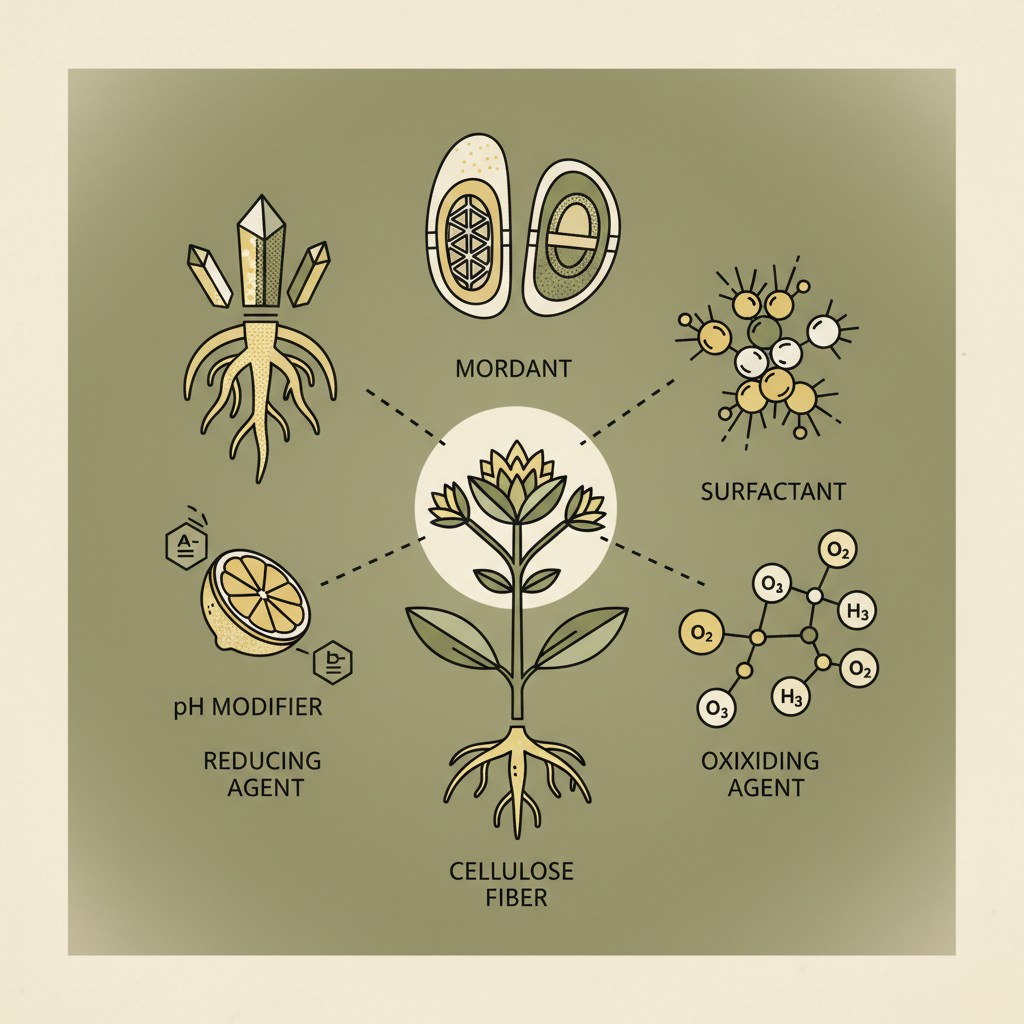
The Current Landscape of Dye Auxiliaries
dye auxiliaries

To be honest, the industry is moving towards more sustainable options, which is good. But ‘sustainable’ gets thrown around a lot, doesn’t it? We’re seeing a big push for bio-based auxiliaries, things derived from plant sources. It’s not always a direct replacement, mind you. Sometimes the performance isn't quite there yet. But the demand is driving innovation. And it's not just about being 'green'; it's about reducing VOCs and improving worker safety too.

Strangely enough, a lot of the innovation is coming from smaller companies, the ones willing to take risks. The big players are still playing catch-up, mostly tweaking existing formulas. They've got the distribution networks, sure, but the real breakthroughs are happening elsewhere.

Common Pitfalls in Dye Auxiliaries Design

The biggest mistake I see? Over-complication. People trying to engineer the perfect auxiliary for every single scenario. It rarely works. Keep it simple. Focus on the core function: wetting, leveling, dispersing, whatever it is. And don’t forget the basics. Compatibility is HUGE. Mixing the wrong auxiliaries can lead to all sorts of problems – precipitation, poor dye uptake, uneven shades. You’d be surprised how often that happens.

Another trap? Ignoring the substrate. What works on cotton won’t necessarily work on polyester. You need to understand the fiber properties and choose auxiliaries accordingly. And don’t rely solely on lab data. Real-world conditions are always different.

I've seen it time and time again: designers get obsessed with a new, fancy auxiliary, forgetting to consider the overall process. It's like building a beautiful engine for a car that doesn't have wheels. Pointless.

Material Selection & Handling of Dye Auxiliaries

Now, let’s talk materials. Leveling agents – ethoxylates are still common, but we’re seeing more alternatives due to environmental concerns. Dispersing agents… polyacrylates are reliable, but they can be sensitive to hard water. Wetting agents – silicone-based ones are powerful, but can cause foaming issues. It’s all trade-offs, really.

Handling is crucial. A lot of these auxiliaries are concentrated liquids or powders, and they can be irritating to the skin and eyes. Proper PPE is a must – gloves, goggles, respirators when handling powders. And storage is important too. Keep them in a cool, dry place, away from direct sunlight. I once walked into a warehouse where someone had stored a batch of auxiliaries next to a heating vent… it wasn’t pretty.

Anyway, I think you need to understand how a material behaves in the vat. Smell it, feel it, watch how it mixes with water. Old-fashioned, maybe, but it gives you a feel for what’s going on.

Dye Auxiliaries Testing in Real-World Scenarios

Lab tests are good, don't get me wrong. But they don’t tell the whole story. I’m talking about running trials on actual production lines, using real fabrics, real dyes, real water conditions. It's messy, it's time-consuming, but it's essential.

We run wash fastness tests, light fastness tests, rubbing tests – the usual. But we also do things like simulate different dyeing conditions – varying temperatures, pH levels, liquor ratios. And we get feedback from the dyers on the shop floor. They’re the ones who know what works and what doesn’t.

Dye Auxiliaries Performance Ratings

User Application and Practical Use of Dye Auxiliaries

You’d think people would follow the instructions, right? Wrong. I've seen dyers eyeball the amounts, add auxiliaries in the wrong order, completely disregard the recommended temperature ranges. They have their own 'tricks,' some of which actually work, but most of which are just… risky.

A lot of it comes down to experience. Guys who have been doing this for 20 years, they know what to look for, they can spot a problem before it even happens. But even they can get caught out by new materials or processes.

Advantages and Disadvantages of Dye Auxiliaries

Advantages? Better dye uptake, more even shades, improved wash fastness, reduced energy consumption… the list goes on. A good auxiliary can make all the difference between a saleable product and a reject batch. But here's the kicker: They add cost. They add complexity. And they can create their own set of problems if not used correctly.

I mean, some of these newer 'eco-friendly' auxiliaries are expensive. Like, really expensive. And the customer isn't always willing to pay extra for a slightly greener product. It's a tough balancing act.

And let's not forget the waste. A lot of auxiliaries end up in the effluent, and treating that can be a headache.

Customization Options for Dye Auxiliaries

There's always some degree of customization. Customers will ask for different concentrations, different formulations, different packaging. Last month, that small boss in Shenzhen who makes smart home devices insisted on changing the interface to for everything - even the auxiliary delivery system. Said it was "more modern." It caused a nightmare with the pumps and the dispensing equipment, and wasted a week of everyone’s time.

But sometimes, you can actually improve performance by tailoring the auxiliary to a specific application. For example, we worked with a textile mill that was having trouble dyeing a particularly difficult blend of fibers. We tweaked the leveling agent formulation to better match the fiber properties, and it made a huge difference.

The key is understanding what the customer is really trying to achieve.

A Rough Guide to Dye Auxiliary Selection

Fiber Type Dye Class Auxiliary Recommendation Potential Issues
Cotton Reactive Leveling Agent + Fixing Agent Hydrolysis, poor wash fastness
Polyester Disperse Dispersing Agent + Carrier Sublimation, uneven dyeing
Wool Acid Leveling Agent + pH Buffer Felting, color bleeding
Nylon Acid Wetting Agent + Sequestering Agent Yellowing, uneven dye uptake
Acrylic Cationic Leveling Agent + Fixing Agent Poor light fastness, static buildup
Blends Various Complex Mix - Trial & Error! Unpredictable results

FAQS

What's the biggest mistake people make when choosing dye auxiliaries?

Honestly? They don't consider the whole process. They pick an auxiliary based on a single property, like wetting ability, without thinking about how it will interact with the dye, the fiber, and the water. It's a recipe for disaster. Compatibility is everything. You need to look at the big picture, not just the individual components. Ignoring the water quality, temperature, and pH is also a common error.

Are 'eco-friendly' dye auxiliaries actually effective?

That’s a loaded question. Some are, some aren’t. The technology is improving, but often there's a trade-off between environmental performance and effectiveness. Some bio-based auxiliaries just don't perform as well as their synthetic counterparts. It depends on the specific application and the desired results. You also have to be careful about ‘greenwashing’ – companies claiming to be eco-friendly when they’re not. Do your research.

How do you test dye auxiliaries before a full production run?

Small-scale trials are crucial. We run shade matching tests, wash fastness tests, and light fastness tests. But we also do things like simulate the actual dyeing process – varying temperatures, pH levels, and liquor ratios. And, most importantly, we get feedback from the dyers on the shop floor. They’re the ones who know what works and what doesn’t. It's messy, it's time-consuming, but it's worth it.

What are the best ways to handle and store dye auxiliaries safely?

PPE is a must – gloves, goggles, respirators when handling powders. Store them in a cool, dry place, away from direct sunlight. And always read the safety data sheet (SDS). A lot of these auxiliaries are concentrated liquids or powders, and they can be irritating to the skin and eyes. Proper ventilation is also important, especially when mixing or dispensing.

Can dye auxiliaries be customized for specific fabrics or dyes?

Absolutely. That’s where the real value lies. You can tweak the formulation to better match the fiber properties, the dye class, and the desired results. It takes some experimentation, but it can make a huge difference. We worked with a mill once that was having trouble dyeing a difficult blend of fibers. We tweaked the leveling agent and it completely solved the problem.

What's the future of dye auxiliaries?

I think we'll see more bio-based auxiliaries, more sustainable formulations, and more customized solutions. The industry is moving towards greater efficiency and reduced environmental impact. And I suspect we'll see more automation in the dispensing and mixing of auxiliaries – less manual handling, more precise control. It's all about making the process smarter and more sustainable.

Conclusion

So, what’s the takeaway? Dye auxiliaries are the unsung heroes of the dyeing process. They’re not glamorous, but they’re essential. Choosing the right auxiliaries, handling them correctly, and testing them thoroughly can make all the difference between a successful run and a costly disaster. It’s about understanding the materials, the processes, and the needs of the customer.

Ultimately, whether this thing works or not, the worker will know the moment he tightens the screw. They’ll see if the dye’s leveling, if the shade’s consistent, if the fabric feels right. That's the real test.
Michael Thompson

Michael Thompson

Michael Thompson leads our dedicated R&D team, focusing on continuous innovation in textile dyeing auxiliaries. With 20 years in the field, he’s a key driver behind our product development efforts. Michael joined the company in 2008 and has been responsible for numerous patented formulations, enhancing the performance and sustainability of our product lines. He champions a culture of experimentation and problem-solving within the team, always looking for ways to improve and anticipate industry trends. Michael holds a PhD in Chemistry and actively collaborates with academic institutions to stay at the forefront of technological advancements.
Previous Navigating Modern Construction with a Focus on Durable textile auxiliary manufacturer Materials
Next Innovative Designs from a Leading Textile Auxiliaries Company

If you are interested in our products, you can choose to leave your information here, and we will be in touch with you shortly.