0%

Table of Contents

Oxygen reducing agent plays a crucial role in numerous industrial and environmental processes, encompassing everything from wastewater treatment to chemical synthesis. Its ability to facilitate reactions that consume oxygen makes it essential for creating cleaner and more sustainable solutions across various sectors. Understanding its properties, applications, and future advancements is paramount for driving innovation and addressing global challenges related to pollution, energy efficiency, and resource management.

The growing demand for environmentally friendly technologies has significantly increased the importance of oxygen reducing agent. Industries are actively seeking ways to minimize their environmental footprint, and these agents offer effective methods for removing contaminants and improving process efficiency. This has led to increased research and development efforts focused on discovering and optimizing new oxygen reducing agent materials and methodologies.

Furthermore, the increasing focus on sustainable practices and stricter environmental regulations worldwide are driving the adoption of oxygen reducing agent in a wider range of applications. This underscores the need for comprehensive knowledge and expertise in this field to ensure responsible and effective implementation.
oxygen reducing agent

Introduction to oxygen reducing agent
oxygen reducing agent

An oxygen reducing agent facilitates chemical reactions by accepting oxygen, often leading to the reduction of another substance. This process is fundamental in many industrial applications, enabling the creation of desired products and the removal of unwanted byproducts.

The selection of an appropriate oxygen reducing agent is crucial for optimizing reaction efficiency, minimizing waste, and ensuring environmental safety. Different agents exhibit varying reactivity, selectivity, and cost-effectiveness, making careful consideration essential for achieving desired outcomes.

Global Relevance and Challenges

Globally, the demand for efficient oxygen reducing agent is driven by increasing industrial activity and stricter environmental regulations. Emerging economies, in particular, are experiencing rapid growth in manufacturing and infrastructure development, leading to a corresponding increase in the need for effective pollution control measures. According to the United Nations Environment Programme (UNEP), industrial wastewater discharge is a significant source of global water pollution, highlighting the importance of technologies utilizing oxygen reducing agent.

However, several challenges hinder the widespread adoption of advanced oxygen reducing agent. These include the high cost of some agents, the potential for byproduct formation, and the need for specialized handling and storage procedures. Furthermore, the development of sustainable and environmentally friendly oxygen reducing agent is an ongoing concern, prompting research into novel materials and processes.

The World Bank estimates that inadequate wastewater treatment contributes to the premature deaths of millions of people each year, underscoring the urgent need for innovative and cost-effective solutions. Implementing effective oxygen reducing agent technologies is vital for addressing this critical global issue.

Defining oxygen reducing agent

In its simplest form, an oxygen reducing agent is a substance that gains oxygen from another substance during a chemical reaction. This process is known as reduction, and the agent itself is said to be reduced. The practical application extends far beyond this basic definition, however, finding use in numerous industrial processes such as the removal of oxygen from water or the production of specific chemical compounds.

The connection to modern industry lies in its ability to facilitate crucial reactions necessary for manufacturing, energy production, and environmental remediation. For example, oxygen reducing agent are extensively used in wastewater treatment to remove dissolved oxygen and prevent corrosion, as well as in the production of various pharmaceuticals and chemicals.

Concerning humanitarian needs, oxygen reducing agent plays a pivotal role in providing clean water in disaster-stricken areas and in developing sustainable solutions for managing industrial waste, thereby protecting public health and the environment. Its effective implementation contributes significantly to improving living conditions and safeguarding vital resources.

Key Properties of oxygen reducing agent

One critical factor is Reactivity, determining how readily the agent interacts with oxygen-containing substances. Higher reactivity typically translates to faster reaction rates but may also require more stringent control measures.

Another key property is Selectivity, which refers to the agent's ability to target specific oxygen compounds without interfering with other components in the system. High selectivity minimizes unwanted byproduct formation and improves process efficiency.

Comparative Analysis of oxygen reducing agent Performance

Real-World Applications

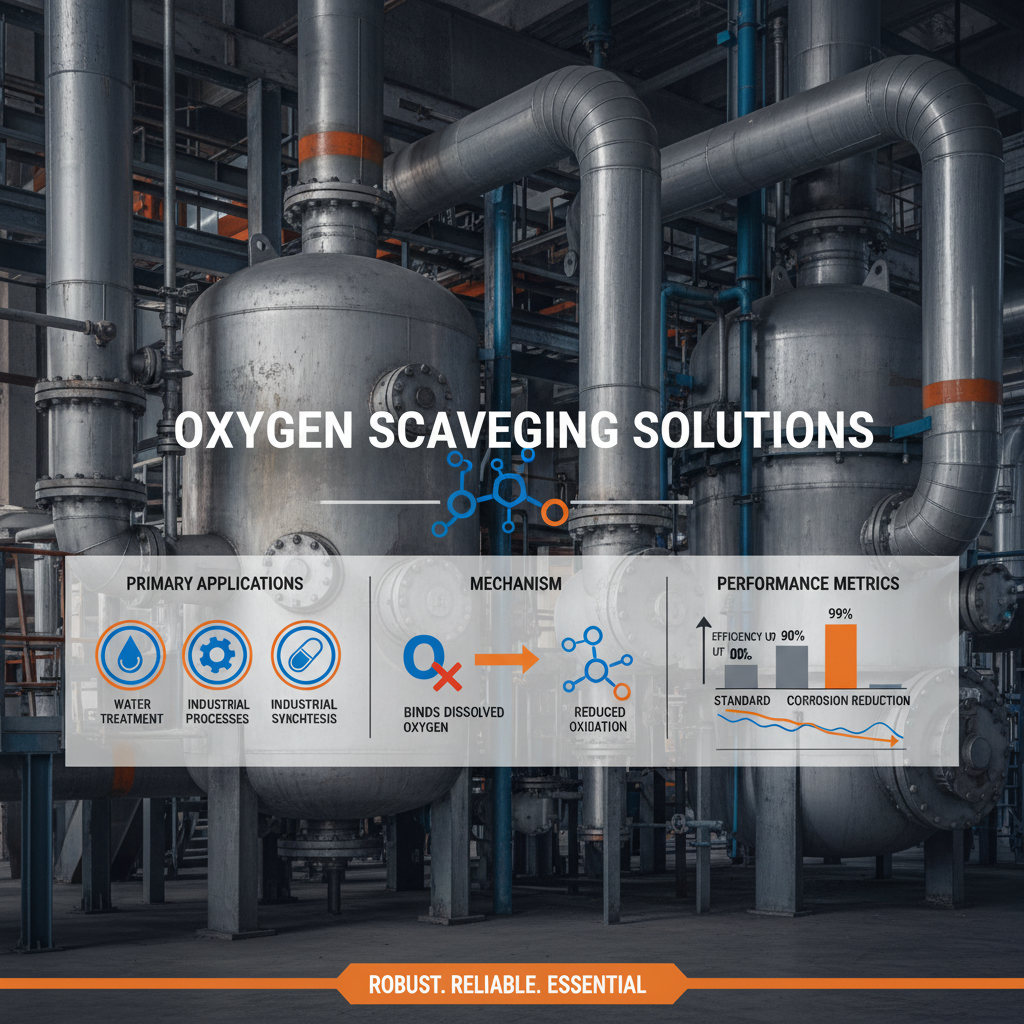
Oxygen reducing agent are widely utilized in wastewater treatment plants to remove dissolved oxygen, prevent corrosion in pipelines, and facilitate the biological oxidation of organic pollutants. This is particularly critical in industries like food processing, pharmaceuticals, and textiles.

In the chemical industry, these agents are essential for numerous synthesis processes, including the production of polymers, pharmaceuticals, and specialty chemicals. They enable controlled reactions, improve product yields, and reduce waste generation.

Advantages and Long-Term Value

The primary advantage of employing effective oxygen reducing agent lies in its cost-effectiveness. By optimizing reaction processes and minimizing waste, industries can significantly reduce operational expenses and improve profitability. Furthermore, the adoption of sustainable oxygen reducing agent contributes to a reduced environmental footprint, enhancing a company's brand image and fostering positive stakeholder relations.

The long-term value extends beyond financial gains, encompassing enhanced safety, improved public health, and increased environmental sustainability. The responsible use of oxygen reducing agent fosters trust and demonstrates a commitment to ethical and responsible practices.

Future Trends and Innovations

Emerging trends in oxygen reducing agent focus on developing more sustainable and environmentally friendly materials. Research into bio-based agents and catalysts is gaining momentum, offering promising alternatives to traditional chemical compounds. This aligns with the growing global emphasis on green chemistry and circular economy principles.

Digital transformation and automation are also playing a significant role, with advanced sensors and control systems enabling precise monitoring and optimization of oxygen reducing agent processes. This leads to improved efficiency, reduced waste, and enhanced safety.

Summary of Oxygen Reducing Agent Performance Metrics

Agent Type Efficiency (%) Cost (USD/kg) Environmental Impact (1-5)
Sodium Sulfite 85 2.50 3
Ascorbic Acid 90 5.00 1
Hydrazine 95 8.00 5
Sodium Bisulfite 80 2.00 3
Formic Acid 75 3.50 2
Thiosulfate 88 4.00 2

FAQS

What are the key factors to consider when selecting an oxygen reducing agent for wastewater treatment?

When selecting an oxygen reducing agent for wastewater treatment, several factors are crucial. These include the specific pollutants present, the desired level of treatment, cost-effectiveness, environmental impact, and regulatory compliance. Consider the agent's reactivity, selectivity, and potential for byproduct formation. Safety and ease of handling are also important considerations. A thorough analysis of these factors will help ensure optimal performance and minimize environmental risks.

How does the cost of different oxygen reducing agent compare?

The cost of oxygen reducing agent can vary significantly depending on the specific agent and supplier. Generally, sodium sulfite and sodium bisulfite are among the more affordable options, while hydrazine tends to be more expensive. Ascorbic acid offers a balance between cost and environmental friendliness. It is essential to consider not only the initial purchase price but also the costs associated with handling, storage, and waste disposal when comparing different agents.

What are the environmental implications of using different types of oxygen reducing agent?

The environmental impact of oxygen reducing agent varies widely. Some agents, like hydrazine, are highly toxic and pose significant environmental risks. Others, such as ascorbic acid, are biodegradable and have a minimal impact. Sodium sulfite and bisulfite can contribute to sulfate pollution. Selecting an agent with a low environmental footprint is crucial for sustainable wastewater treatment and responsible chemical management.

What safety precautions should be taken when handling oxygen reducing agent?

Many oxygen reducing agent are potentially hazardous and require careful handling. Always wear appropriate personal protective equipment (PPE), including gloves, goggles, and respirators. Ensure adequate ventilation in the work area. Follow the manufacturer’s safety data sheet (SDS) for specific handling instructions and emergency procedures. Store agents in a cool, dry, and well-ventilated area, away from incompatible materials.

How can the efficiency of oxygen reducing agent be optimized in industrial processes?

Optimizing the efficiency of oxygen reducing agent requires careful control of process parameters such as temperature, pH, and concentration. Using appropriate catalysts can also enhance reaction rates. Regular monitoring of performance and adjustments based on analytical data are essential. Implementing closed-loop control systems and employing advanced oxidation processes can further improve efficiency and minimize waste.

Are there any emerging trends in the development of new oxygen reducing agent?

Yes, research is actively focused on developing more sustainable and environmentally friendly oxygen reducing agent. Bio-based agents derived from renewable resources are gaining traction. Nanomaterials and modified catalysts are being explored to enhance reactivity and selectivity. Electrochemical methods for oxygen reduction are also showing promise as a cleaner and more efficient alternative to traditional chemical approaches.

Conclusion

In conclusion, oxygen reducing agent represent a vital component in a multitude of industrial and environmental processes. Their ability to efficiently facilitate reactions involving oxygen makes them indispensable for pollution control, chemical synthesis, and various other applications. Understanding their properties, selecting appropriate agents, and implementing best practices are crucial for achieving optimal performance and minimizing environmental impact.

Looking ahead, continued innovation in this field is essential for addressing emerging challenges and promoting sustainable practices. By investing in research and development, embracing new technologies, and fostering collaboration between industry and academia, we can unlock the full potential of oxygen reducing agent and create a cleaner, healthier, and more sustainable future. For more information and specialized solutions, visit our website: www.dyeingchem.com.

David Miller

David Miller

David Miller serves as the Senior Production Manager at our company, bringing over 18 years of experience in chemical manufacturing, specifically within the textile industry. He's instrumental in ensuring our 6,000-ton annual production capacity consistently meets the highest quality standards, a cornerstone of our commitment. David joined us in 2015 and has spearheaded several key process improvements, including the integration of advanced equipment in 2018. He is deeply involved in maintaining our ISO certification and ZDHC LEVEL 3 compliance. David’s focus is not just on output but on efficiency and sustainability, aligning with our company’s long-term vision. He holds a degree in Chemical Engineering and is a known problem-solver within the team.
Previous Advancements in Selective Reducing Agent Technologies for Sustainable Chemistry
Next Understanding Oxidation and Reducing Agent for Sustainable Technologies and Industrial Advancement

If you are interested in our products, you can choose to leave your information here, and we will be in touch with you shortly.