Comprehensive Guide to Reducing Agent Manufacturers and Their Applications
Comprehensive Guide to Reducing Agent Manufacturers and Their Applications
Reducing Agent Manufacturers: A Comprehensive Guide
In numerous industrial processes, reducing agents play a critical role. These substances facilitate the transfer of electrons, enabling essential chemical reactions in fields like textile dyeing, water treatment, pharmaceuticals, and chemical synthesis. Choosing the right reducing agent manufacturer is paramount to ensure quality, consistency, and safety. This article will delve into the world of reducing agents, exploring common types, key considerations when selecting a supplier, and the benefits of partnering with a reputable manufacturer.
Understanding Different Types of Reducing Agents
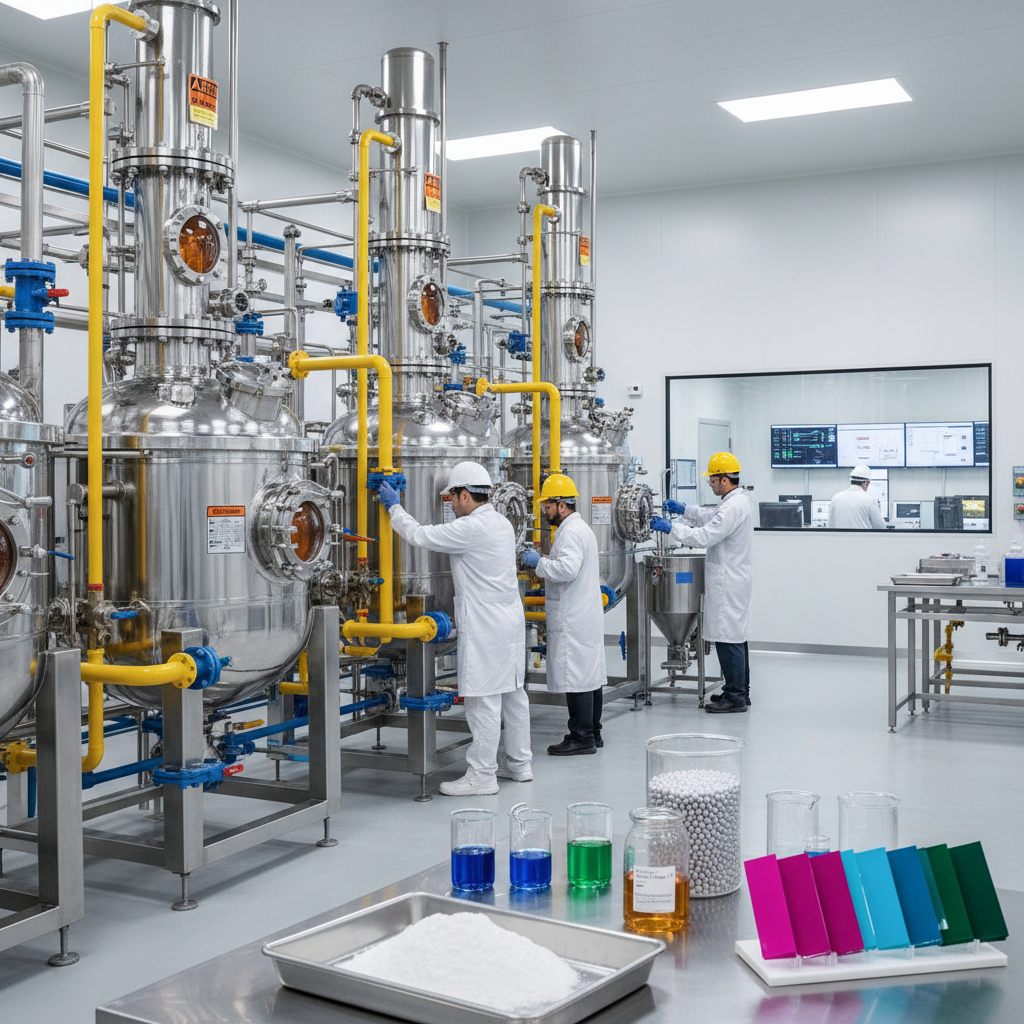
Reducing agents come in various forms, each with unique properties and applications. Common types include sodium hydrosulfite (SHS), sodium borohydride (NaBH4), ascorbic acid (Vitamin C), and ferrous sulfate. Sodium hydrosulfite is widely used in the textile industry for dyeing and bleaching. Sodium borohydride finds applications in organic synthesis and pharmaceutical manufacturing. Ascorbic acid serves as a reducing agent in food preservation and photography. Ferrous sulfate is employed in water treatment and as a reducing agent in various chemical processes. The selection of the appropriate reducing agent depends on factors like the specific application, reaction conditions, cost, and environmental considerations. Dyeingchem provides a diverse range of these agents tailored to specific industrial needs.
Key Takeaway: The ideal reducing agent hinges on your specific application, so careful consideration of factors like cost, reactivity, and environmental impact is essential.
Key Considerations When Choosing a Reducing Agent Manufacturer
Selecting a reputable reducing agent manufacturer is vital for consistent product quality, reliable supply, and technical support. Key considerations include manufacturing certifications (such as ISO 9001), quality control processes, production capacity, and commitment to sustainability. A manufacturer's ability to provide consistent purity and particle size is also crucial, especially for applications requiring precise chemical reactions. Furthermore, assess their logistics capabilities and their ability to deliver products efficiently and safely to your location. Dyeingchem prioritizes these aspects, ensuring customer satisfaction and long-term partnerships.
Essential Supplier Attributes:
• ISO 9001 Certification
• Rigorous Quality Control
• Reliable Production Capacity
• Sustainable Practices
Sodium Hydrosulfite (SHS) Manufacturers: A Detailed Comparison
Sodium hydrosulfite (SHS) is a cornerstone reducing agent in the textile industry. However, quality and consistency can vary significantly between manufacturers. Consider factors like SHS purity (typically ranging from 85% to 98%), active sulfur dioxide content, and particle size distribution. Different grades of SHS are suited for various dyeing processes – for example, higher purity SHS is often preferred for delicate fabrics. Here’s a comparative look at key characteristics of SHS from different suppliers:
The Benefits of Partnering with Dyeingchem as Your Reducing Agent Supplier
Dyeingchem offers a comprehensive range of reducing agents, backed by stringent quality control, reliable supply chain management, and expert technical support. We are committed to providing customized solutions tailored to your specific needs, ensuring optimal performance and cost-effectiveness. Our dedication to sustainability and responsible chemical handling sets us apart, providing peace of mind and contributing to a greener future. From consistent product specifications to efficient delivery, Dyeingchem is your trusted partner for all your reducing agent requirements.
Conclusion: Secure Your Processes with a Reliable Reducing Agent Partner
Choosing the right reducing agent manufacturer is a critical decision for optimizing your industrial processes. Dyeingchem delivers the quality, consistency, and support you need to succeed. Don’t compromise on the integrity of your operations – partner with a leader in reducing agent solutions.
Frequently Asked Questions (FAQs)
What safety precautions should be taken when handling reducing agents?
Reducing agents can be reactive and potentially hazardous. Always wear appropriate personal protective equipment (PPE) such as gloves, safety goggles, and a lab coat. Ensure adequate ventilation in the work area. Avoid contact with oxidizing agents, as this can lead to vigorous reactions. Follow the manufacturer’s safety data sheet (SDS) for specific handling instructions and emergency procedures. Proper storage in a cool, dry, and well-ventilated area is essential, away from incompatible materials.
How does Dyeingchem ensure the quality of its reducing agents?
Dyeingchem implements a rigorous quality control system throughout the manufacturing process. This includes thorough testing of raw materials, in-process monitoring, and final product analysis to ensure purity, concentration, and adherence to specifications. We maintain ISO 9001 certification and employ advanced analytical techniques to guarantee consistent product quality. Each batch is accompanied by a certificate of analysis (COA) for full traceability.
What are the common applications of sodium hydrosulfite?
Sodium hydrosulfite is primarily used as a reducing and bleaching agent in the textile industry, particularly for dyeing and stripping dyes from fabrics. It is also utilized in the pulp and paper industry for brightening paper, in the chemical industry for reducing metal ions, and in water treatment for removing chlorine. Furthermore, it finds applications in photography for developing film and in the food industry as a preservative.
Does Dyeingchem offer custom packaging options for reducing agents?
Yes, Dyeingchem provides a range of custom packaging options to meet your specific requirements. We can offer different bag sizes, materials, and labeling to accommodate your handling and storage needs. Contact our sales team to discuss your custom packaging needs and receive a tailored quote.