Comprehensive Guide to Understanding Oxidizing and Reducing Agents in Chemical Reactions
Comprehensive Guide to Understanding Oxidizing and Reducing Agents in Chemical Reactions
Understanding Oxidizing and Reducing Agents in Chemical Processes
In the realm of chemistry, understanding oxidizing and reducing agents is fundamental. These agents play crucial roles in a vast array of chemical reactions, from industrial processes like textile dyeing and water treatment to biological systems within our bodies. This article aims to provide a comprehensive overview of these agents, their characteristics, and their significance. We’ll explore how they function, identify common examples, and discuss their applications in various industries. Properly utilizing these agents is key for efficiency and safety.
What are Oxidizing Agents?
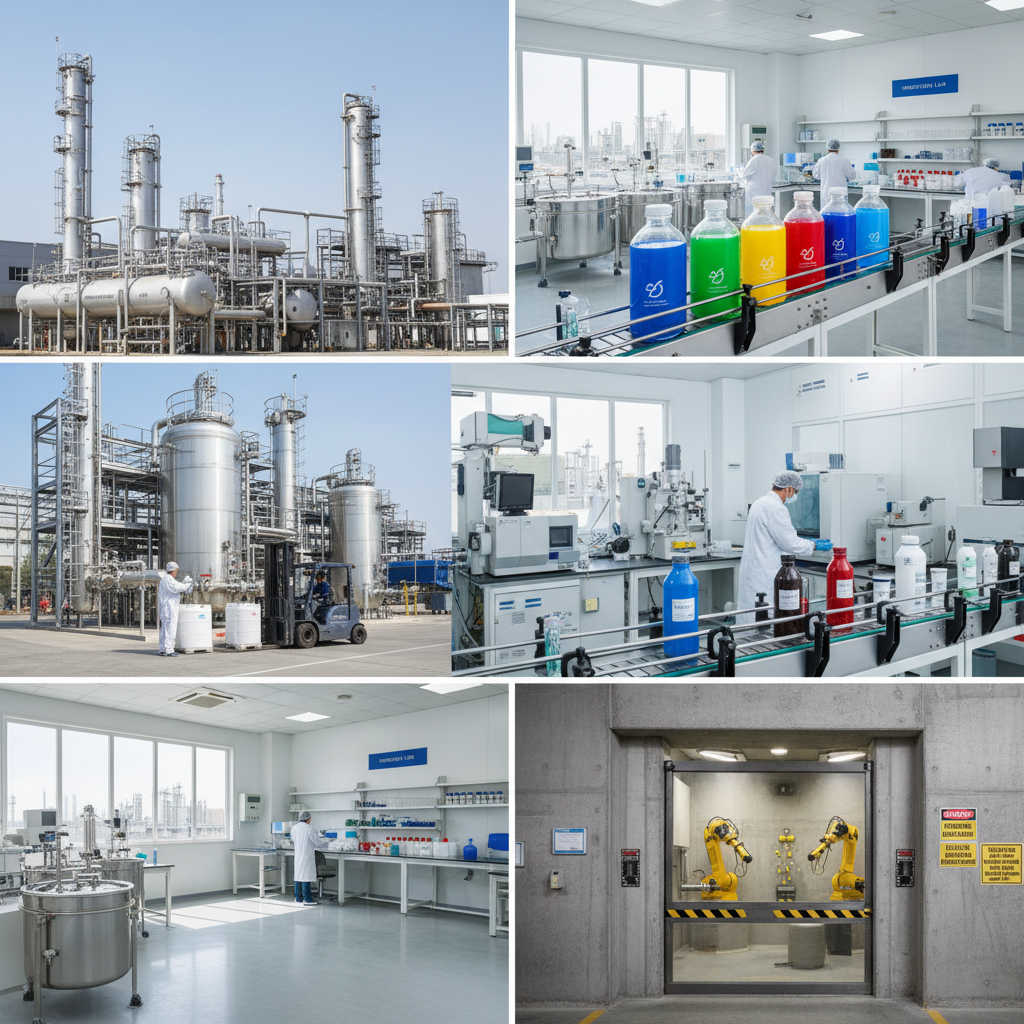
An oxidizing agent is a substance that gains electrons in a chemical reaction, causing another substance to be oxidized. Essentially, it facilitates the removal of electrons from another molecule. The oxidizing agent itself is reduced in the process. Common oxidizing agents include oxygen, chlorine, and potassium permanganate. They are often used in bleaching, disinfection, and metal refining. Understanding the strength of an oxidizing agent is important – stronger agents cause more vigorous reactions. At Dyeingchem, we provide high-quality oxidizing agents used in various industrial applications.
Key Highlights: Oxidizing agents accept electrons, causing oxidation in other substances, and are themselves reduced. They are vital in many industrial processes.
What are Reducing Agents?
Conversely, a reducing agent donates electrons in a chemical reaction, causing another substance to be reduced. This means the reducing agent itself is oxidized. Examples include sodium borohydride, lithium aluminum hydride, and metals like zinc. Reducing agents are frequently used in metal refining, organic synthesis, and food preservation. The choice of reducing agent depends on the specific reaction and the desired outcome.
Reducing Agent Benefits:
• Donates electrons, causing reduction in other substances
• Commonly used in metal refining and organic synthesis
• Crucial for various industrial applications
Comparing Oxidizing and Reducing Agents: A Detailed Look
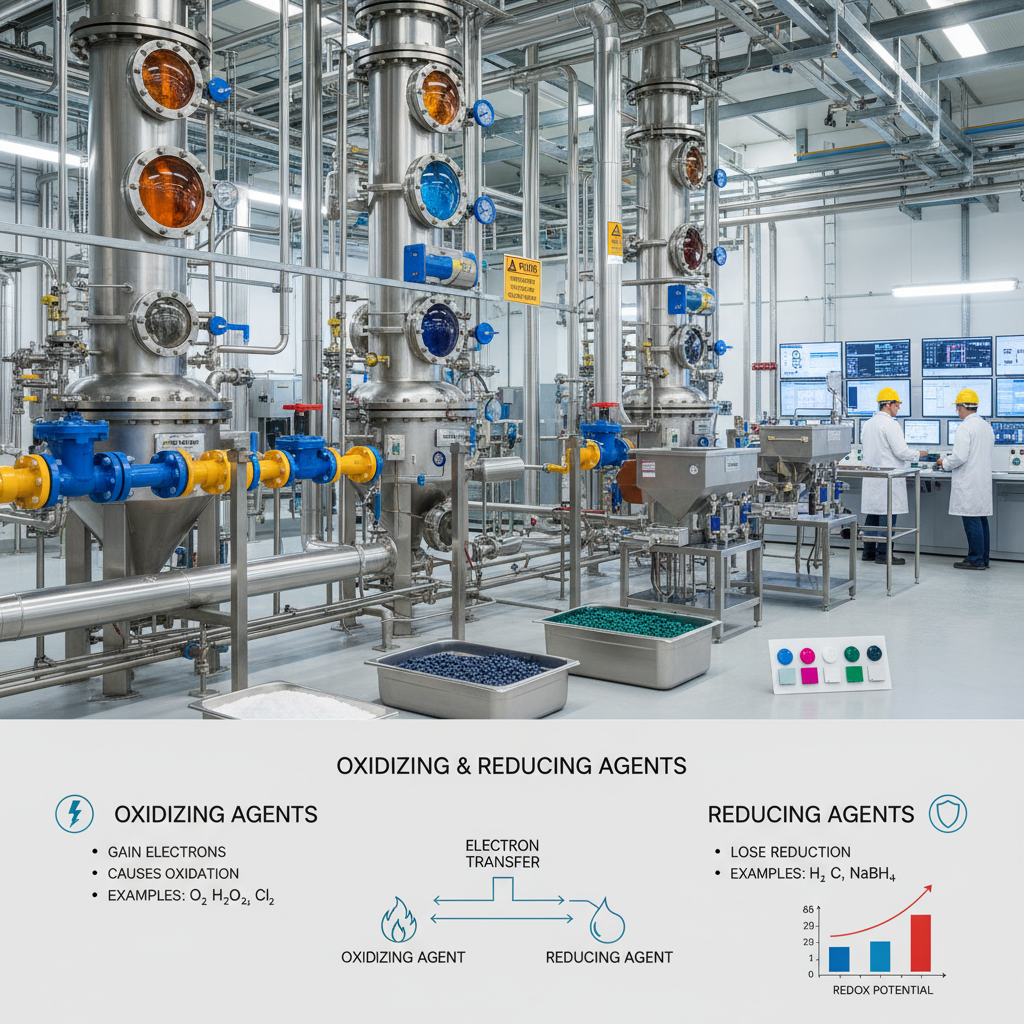
Distinguishing between oxidizing and reducing agents is critical. While one gains electrons, the other loses them. This interplay is the foundation of redox reactions. The strength of these agents is often measured by their reduction potential – a higher potential indicates a stronger oxidizing agent, while a lower potential indicates a stronger reducing agent. The following table highlights key differences.
Applications of Oxidizing and Reducing Agents in Industry
The applications of these agents are incredibly diverse. In the textile industry, oxidizing agents like hydrogen peroxide are used for bleaching fabrics. Reducing agents are essential in the dyeing process, enabling the fixation of dyes onto the material. Water treatment plants utilize oxidizing agents like chlorine to disinfect water and eliminate harmful bacteria. Metal industries rely on both to refine and purify metals. Dyeingchem offers a comprehensive range of these chemicals tailored to specific industrial needs.
Safety Considerations when Handling Oxidizing and Reducing Agents
Handling oxidizing and reducing agents requires strict adherence to safety protocols. These chemicals can be corrosive, reactive, and potentially dangerous. Always wear appropriate personal protective equipment (PPE), including gloves, safety glasses, and respirators, when handling these substances. Ensure adequate ventilation in the work area. Store these agents in designated containers, away from incompatible materials. Refer to the Safety Data Sheet (SDS) for specific hazard information and handling instructions. At Dyeingchem, we prioritize safety and provide comprehensive SDS documentation for all our products.
Conclusion: Mastering the Fundamentals of Redox Chemistry
Understanding oxidizing and reducing agents is fundamental to numerous chemical processes. From industrial applications to biological systems, these agents play essential roles. By understanding their characteristics, applications, and safety considerations, you can utilize them effectively and responsibly.
Frequently Asked Questions (FAQs)
What is a redox reaction?
A redox reaction (reduction-oxidation reaction) is any chemical reaction in which the oxidation state of one or more atoms changes. Essentially, it involves the transfer of electrons between chemical species. An oxidizing agent accepts electrons (causing reduction), while a reducing agent donates electrons (causing oxidation). These reactions are fundamental to many processes, including corrosion, combustion, and cellular respiration.
How do I determine if a substance is an oxidizing or reducing agent?
Determining whether a substance is an oxidizing or reducing agent relies on observing its behavior in a reaction. If a substance causes another to lose electrons, it's an oxidizing agent. Conversely, if it causes another to gain electrons, it’s a reducing agent. You can also assess its reduction potential; a higher potential indicates a stronger oxidizing agent.
What are some common applications of reducing agents?
Reducing agents are employed in various applications. They are used in metal refining to reduce metal ions to their elemental form, in organic synthesis for selective reductions of functional groups, and in photography for developing images. They are also used in food preservation to prevent oxidation and maintain freshness.