Exploring Common Reducing Agents in Organic Chemistry and Their Applications
Exploring Common Reducing Agents in Organic Chemistry and Their Applications
Common Reducing Agents in Organic Chemistry
Organic chemistry frequently employs reducing agents to facilitate reactions that involve the gain of electrons or hydrogen atoms. These agents are crucial for transformations like the reduction of ketones to alcohols, aldehydes to primary alcohols, and carboxylic acids to primary alcohols. Understanding the diverse range of reducing agents, their strengths, selectivity, and applications is fundamental for any organic chemist. From powerful metal hydrides to milder catalytic hydrogenation, the choice of reducing agent significantly impacts reaction outcomes. For high-quality chemical compounds used in these reactions, explore Dyeingchem's extensive catalog.
Understanding the Basics of Reduction in Organic Chemistry
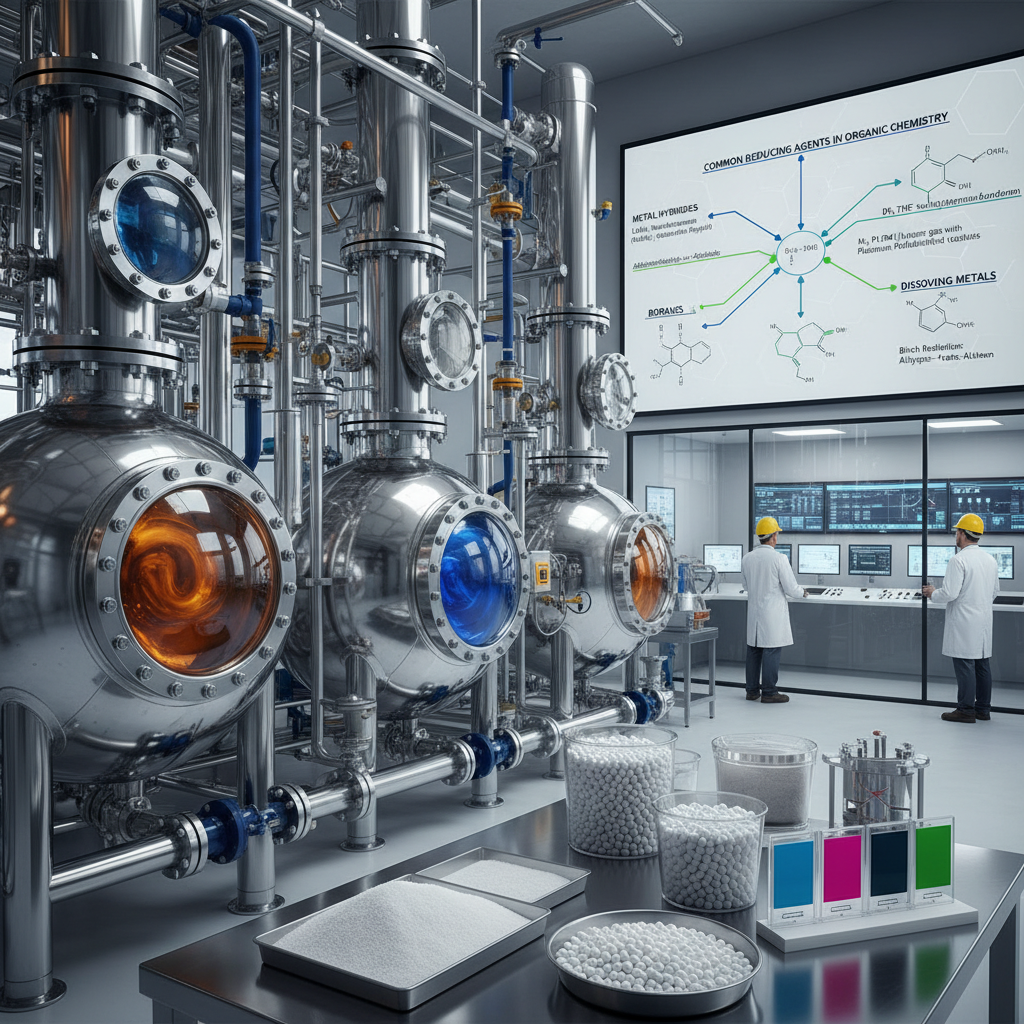
Reduction, in the context of organic chemistry, signifies the addition of electrons to a molecule. This often manifests as the gain of hydrogen atoms or the loss of oxygen atoms. Reducing agents provide the necessary electrons to drive these reactions. The 'reducing power' of an agent defines its ability to donate electrons. Stronger reducing agents are capable of reducing a wider range of functional groups, while weaker agents exhibit greater selectivity, reducing only specific groups under controlled conditions. Careful selection is critical to achieve the desired transformation without unwanted side reactions.
Key Considerations: Selecting the right reducing agent depends on the functional group you want to reduce, the desired selectivity, and the reaction conditions. Understanding the strength and scope of each agent is crucial for successful organic synthesis.
Common Reducing Agents: A Detailed Look
Several reducing agents are commonly employed in organic synthesis. Let's explore some of the most prevalent options: Lithium Aluminum Hydride (LiAlH4) is a powerful reducing agent, capable of reducing carboxylic acids, esters, aldehydes, ketones, and amides to their corresponding alcohols. However, its reactivity requires anhydrous conditions. Sodium Borohydride (NaBH4) is a milder reducing agent, generally used for reducing aldehydes and ketones. It's compatible with protic solvents like alcohols and water, making it easier to handle. DIBAL-H (Diisobutylaluminum Hydride) offers controlled reduction, stopping at the aldehyde stage if carefully monitored. Catalytic Hydrogenation (H2/Pd-C) uses hydrogen gas in the presence of a metal catalyst (usually palladium on carbon) to reduce alkenes, alkynes, and other unsaturated functionalities.
Reducing Agent Comparison:
• LiAlH4: Very strong, reduces many functional groups.
• NaBH4: Mild, selective for aldehydes and ketones.
• DIBAL-H: Controlled, can stop at the aldehyde stage.
• H2/Pd-C: Reduces unsaturated bonds.
A Comparison of Reducing Agent Strengths
The reducing power of different agents varies considerably. A useful way to visualize this is through a comparative table. It’s vital to consider the reactivity of each agent with various functional groups. For example, LiAlH4 can reduce carboxylic acids, while NaBH4 cannot. Furthermore, the choice of solvent plays a crucial role. LiAlH4 reacts violently with water, necessitating the use of anhydrous solvents like diethyl ether or THF. NaBH4, being more stable, can be used in alcoholic or aqueous solutions.
Applications in Synthesis & Obtaining High-Quality Reactants
These reducing agents find broad application in organic synthesis. For instance, LiAlH4 is frequently used in the pharmaceutical industry to reduce esters to alcohols, which are essential building blocks for complex drug molecules. NaBH4 is favored in undergraduate organic chemistry labs due to its ease of handling and selectivity. Catalytic hydrogenation is widely used in the production of margarine from vegetable oils. The quality of reactants significantly affects the yield and purity of your products. Dyeingchem provides a reliable source for high-purity chemicals and reagents necessary for successful organic transformations.
Safety Precautions When Using Reducing Agents
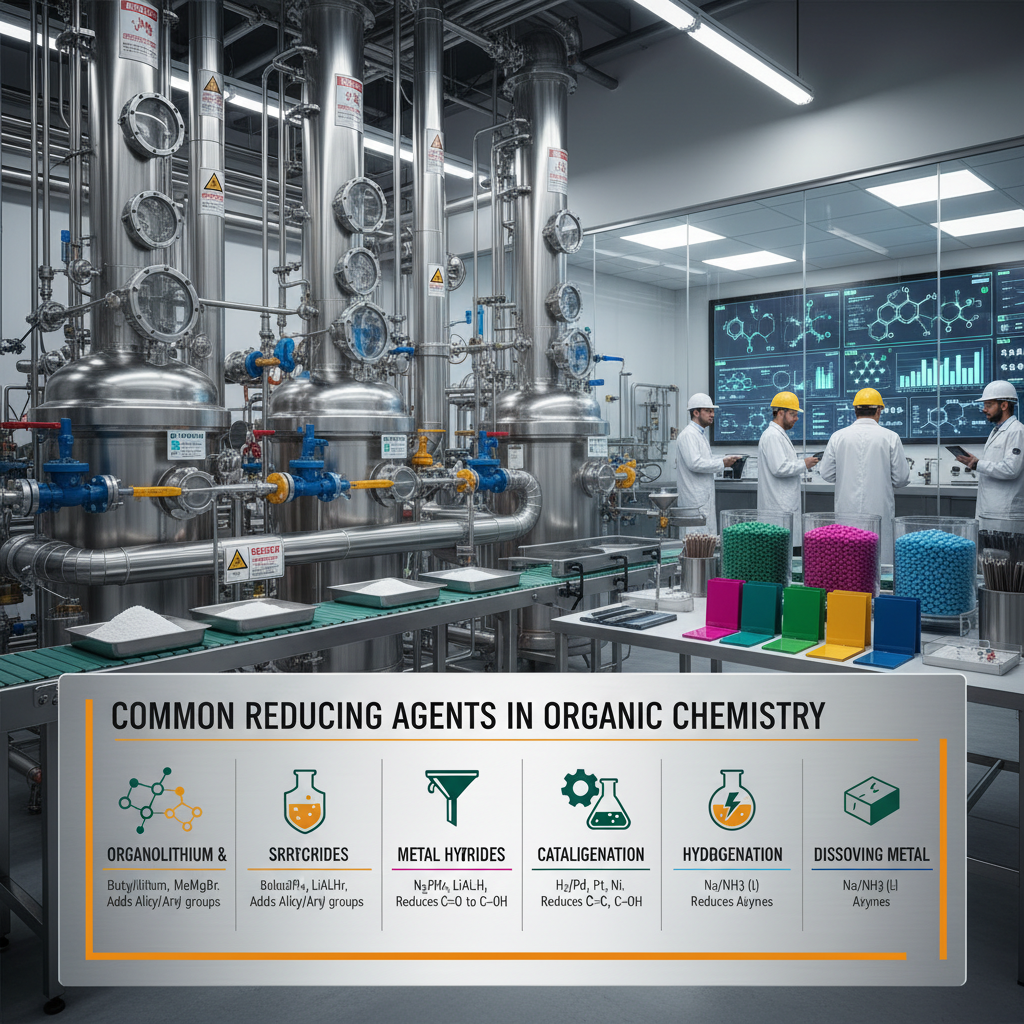
Reducing agents, especially powerful ones like LiAlH4, require careful handling. Always work in a well-ventilated area and wear appropriate personal protective equipment (PPE), including gloves, safety goggles, and a lab coat. LiAlH4 reacts violently with water, so ensure all glassware is thoroughly dry. Proper disposal of waste is also critical. Neutralize any excess reducing agent before disposal according to established laboratory protocols. Always consult the Safety Data Sheet (SDS) for specific safety information regarding each reducing agent.
Conclusion: Mastering the Art of Reduction
Understanding the nuances of reducing agents is vital for success in organic chemistry. By carefully selecting the appropriate agent and adhering to safety protocols, chemists can achieve efficient and selective reductions, paving the way for the synthesis of complex molecules. Reliable access to high-quality reagents, such as those offered by Dyeingchem, is also essential for consistently obtaining optimal results.
Frequently Asked Questions (FAQs)
What is the difference between LiAlH4 and NaBH4 in terms of reactivity?
LiAlH4 is a significantly stronger reducing agent than NaBH4. LiAlH4 can reduce a wider range of functional groups, including carboxylic acids, esters, and amides, while NaBH4 primarily reduces aldehydes and ketones. This difference in reactivity stems from the greater hydride donor ability of LiAlH4. LiAlH4 is also more reactive towards protic solvents, requiring anhydrous conditions, whereas NaBH4 can be used in alcoholic or aqueous solutions. Choosing between them depends on the specific functional group you need to reduce and the desired selectivity.
Can DIBAL-H be used for selective reduction to aldehydes?
Yes, DIBAL-H (Diisobutylaluminum Hydride) is excellent for selective reduction to aldehydes. By carefully controlling the stoichiometry and reaction temperature (typically low temperatures around -78°C), the reduction can be stopped at the aldehyde stage. This is because DIBAL-H is a bulky reducing agent, hindering the further reduction of the aldehyde to the alcohol. The reaction must be carefully monitored to avoid over-reduction.
What are the safety concerns associated with using LiAlH4?
LiAlH4 is a highly reactive reducing agent and presents significant safety hazards. It reacts violently with water, releasing hydrogen gas, which is flammable. Therefore, it must be handled under strictly anhydrous conditions using dry glassware and solvents. It's also corrosive and can cause severe burns upon contact with skin or eyes. Always wear appropriate PPE (gloves, safety goggles, lab coat) and work in a well-ventilated area. Proper disposal procedures must be followed to neutralize any excess reagent.