Exploring Sulphur Black BR 200 Applications Benefits and Technical Properties
Exploring Sulphur Black BR 200 Applications Benefits and Technical Properties
Sulphur Black BR 200: A Deep Dive into its Applications and Benefits
Sulphur Black BR 200 is a vital dye widely utilized in the textile industry, particularly for dyeing cotton. This article provides a comprehensive overview of its properties, applications, advantages, and safety considerations. We'll explore the nuances of this important chemical, helping you understand its role in achieving consistent, high-quality results. Understanding the intricacies of Sulphur Black BR 200 is essential for professionals in dyeing and textile manufacturing.

What is Sulphur Black BR 200?
Sulphur Black BR 200 is an insoluble sulfurized dye, meaning it's applied in a reduced, soluble form and then oxidized to its insoluble form within the fiber. It’s renowned for producing deep, level black shades on cellulosic fibers like cotton, linen, and viscose. The “BR” designation indicates a bright shade, offering excellent color strength. The dye is cost-effective and provides good wash fastness, making it a preferred choice for various textile applications. It's particularly valued for its ability to dye heavy fabrics and yarns effectively.
Key Highlights: Cost-effective, excellent color strength, good wash fastness, ideal for heavy fabrics, produces deep black shades.
Applications of Sulphur Black BR 200
The primary application of Sulphur Black BR 200 is in dyeing cotton textiles. It’s extensively used for workwear, denim, military fabrics, and other applications requiring durable, dark black shades. Beyond apparel, it finds use in dyeing cotton yarns for sewing threads and technical textiles. The dye's ability to achieve consistent color even on varying fabric weights makes it highly versatile. It is also a common choice for dyeing rope dyed denim, offering a robust and reliable black color.
Application Benefits:
• Ideal for heavy cotton fabrics
• Provides durable, deep black shades
• Suitable for workwear and denim
• Cost-effective for large-scale dyeing
Sulphur Black BR 200: Technical Specifications and Properties
Understanding the technical properties of Sulphur Black BR 200 is crucial for optimizing the dyeing process. This dye exhibits specific characteristics related to its solubility, application method, and fastness properties. Here’s a detailed breakdown:
Sulphur Black BR 200 vs. Other Black Dyes
While several black dyes are available, Sulphur Black BR 200 offers unique advantages. Compared to reactive dyes, it’s generally more cost-effective for deep shades. Compared to direct dyes, it provides superior wash fastness. However, it requires a reduction process and careful control of oxidation during application, which can be more complex than using reactive dyes. Selecting the right dye depends on specific requirements like desired fastness properties, cost constraints, and process capabilities. Explore our range of dyes to find the perfect solution for your needs.
Safety and Handling of Sulphur Black BR 200
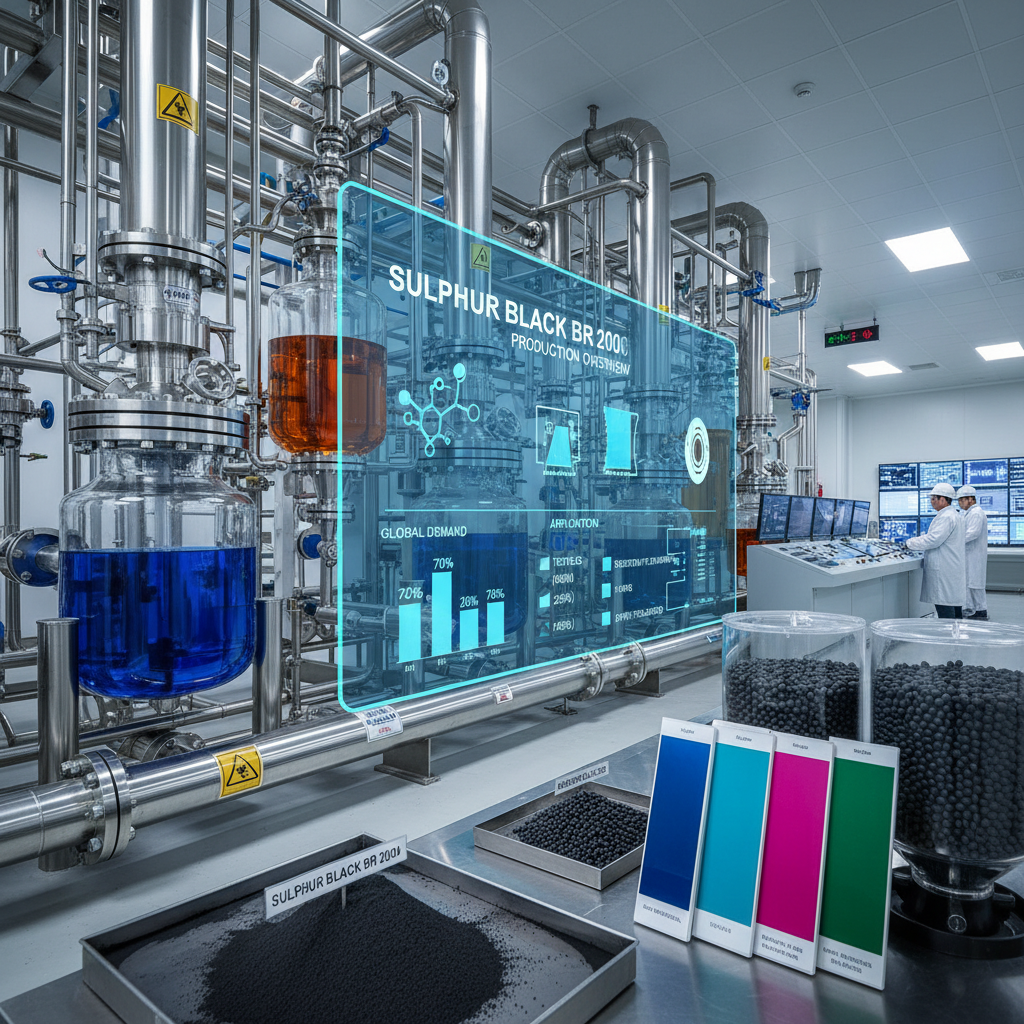
When handling Sulphur Black BR 200, it's crucial to prioritize safety. Although generally considered safe when used according to guidelines, it can cause irritation to the skin and eyes. Always wear appropriate personal protective equipment (PPE), including gloves, safety glasses, and a dust mask. Ensure adequate ventilation during handling and avoid inhaling the powder. Refer to the Safety Data Sheet (SDS) for detailed safety information and emergency procedures. Responsible handling and disposal practices are essential for protecting both workers and the environment.
Conclusion: Maximizing the Benefits of Sulphur Black BR 200
Sulphur Black BR 200 remains a vital dye for achieving consistent, cost-effective black shades on cotton textiles. Understanding its properties, applications, and safety considerations is essential for optimizing dyeing processes and ensuring quality results. By leveraging the benefits of this dye and adhering to proper handling procedures, textile manufacturers can maintain efficient and sustainable operations. Contact us today for your Sulphur Black BR 200 needs.
Frequently Asked Questions (FAQs)
What is the typical dyeing process for Sulphur Black BR 200?
The dyeing process usually involves dissolving the dye in a reducing agent (like sodium sulfide), followed by adding it to the dye bath with the fabric. The temperature is gradually raised, and oxidation is initiated (often with hydrogen peroxide). Precise control of pH, temperature, and redox potential is crucial for achieving even dyeing and optimal color yield. The fabric then undergoes thorough rinsing and washing to remove residual chemicals.
What are the common issues encountered when dyeing with Sulphur Black BR 200?
Uneven dyeing, spotting, and poor color yield are common issues. These can be caused by inadequate reduction, insufficient agitation, improper pH control, or the presence of impurities in the water or fabric. Thorough pre-treatment of the fabric and careful monitoring of the dyeing parameters are essential for preventing these problems.
How does the quality of water affect the dyeing process with Sulphur Black BR 200?
Water quality is paramount. Hard water containing high levels of calcium and magnesium can interfere with the dye's solubility and absorption, leading to uneven dyeing. The presence of iron can also cause unwanted shades or spots. Using demineralized or softened water is highly recommended to ensure consistent and optimal results.
What are the environmental considerations associated with using Sulphur Black BR 200?
The dyeing process generates wastewater containing residual dye and chemicals. Proper wastewater treatment is essential to remove these pollutants before discharge. Investing in efficient effluent treatment systems and exploring sustainable dyeing practices can minimize the environmental impact. Choosing dyes from responsible suppliers who prioritize environmental stewardship is also important.