The realm of oxidizing reducing agent is foundational to countless processes underpinning modern life, from industrial manufacturing and energy production to environmental remediation and biological systems. Understanding these agents, their interactions, and their applications is crucial for innovation and sustainability across a diverse range of sectors. This knowledge allows for optimization of chemical processes, development of cleaner technologies, and ultimately, a more efficient and responsible utilization of resources.
Globally, the demand for efficient and environmentally sound chemical processes continues to rise, driving increased focus on oxidizing reducing agent. This is particularly evident in rapidly industrializing nations where sustainable development is a priority. Furthermore, ongoing research into new materials and technologies constantly expands the potential applications of these agents, highlighting the need for continued investment in understanding their fundamental properties. The implications are far-reaching, impacting everything from the cost of everyday goods to the health of our planet.
The importance of mastering the principles of oxidizing reducing agent transcends mere academic interest; it is a critical element in addressing pressing global challenges like climate change, pollution control, and resource scarcity. A deeper comprehension of these agents enables the development of innovative solutions for a more sustainable future.
The Fundamentals of oxidizing reducing agent
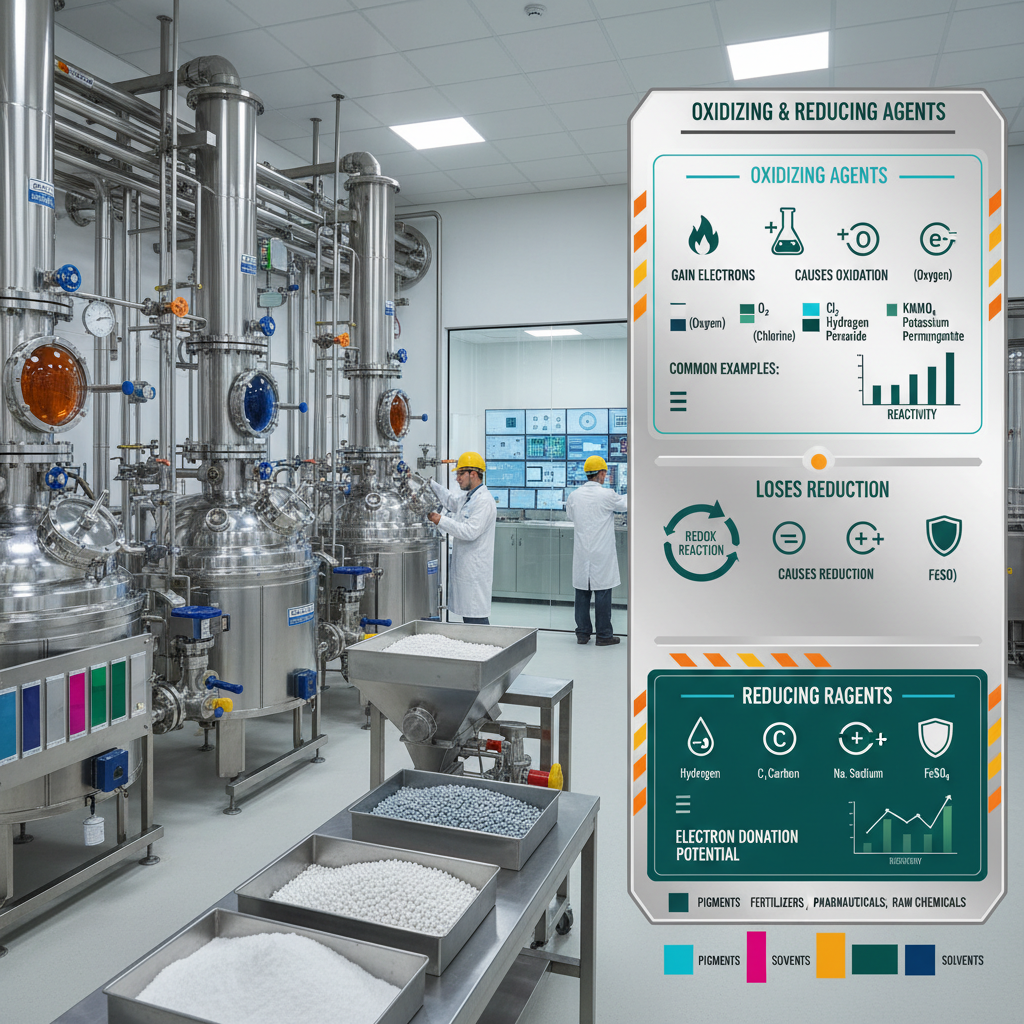
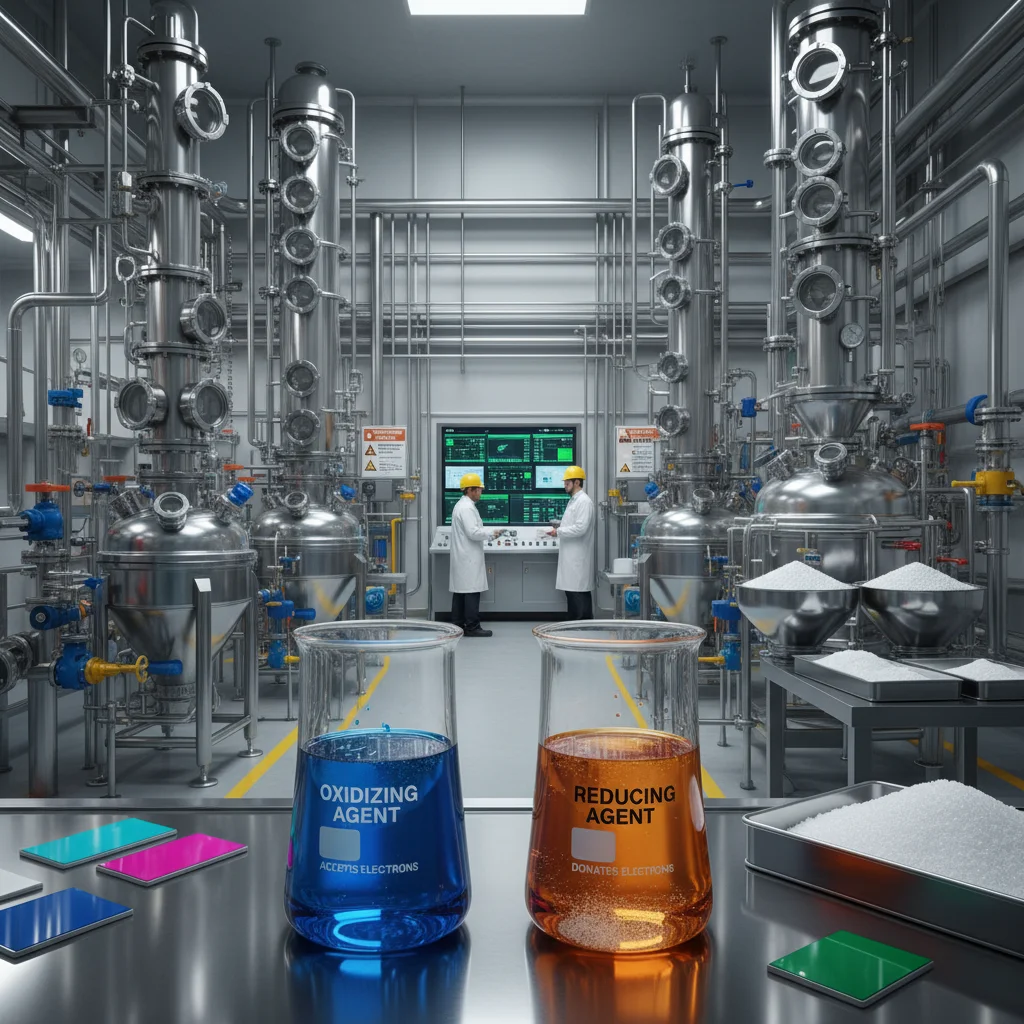
At its core, the concept of oxidizing reducing agent revolves around the transfer of electrons between chemical species. An oxidizing agent accepts electrons, causing another substance to be oxidized, while a reducing agent donates electrons, causing another substance to be reduced. This fundamental interplay is at the heart of countless chemical reactions and processes. oxidizing reducing agent plays a key role in many chemical processes.
Understanding the principles of oxidation and reduction is essential for controlling reaction rates, improving product yields, and ensuring the safety and efficiency of chemical operations. These concepts are applicable across numerous disciplines, including chemistry, biology, and environmental science.
Global Relevance and Industrial Context
The global chemical industry, a multi-trillion dollar market, heavily relies on manipulating oxidizing reducing agent to produce a vast array of products, ranging from pharmaceuticals and plastics to fertilizers and fuels. The United Nations estimates that the chemical industry will continue to grow, driven by increasing demand from emerging economies. Efficient utilization of oxidizing reducing agent is, therefore, critical for meeting this demand sustainably.
Concerns regarding environmental impact and resource depletion are increasingly influencing the development and implementation of greener chemical processes. This involves identifying and utilizing oxidizing reducing agent that are less toxic, more sustainable, and require less energy to produce. International standards organizations, like ISO, are actively developing guidelines for sustainable chemical practices.
The demand for specialized oxidizing reducing agent is particularly pronounced in industries focused on high-performance materials, advanced electronics, and renewable energy technologies, indicating a continuing trend towards innovation and specialization in this field.
Defining oxidizing reducing agent: A Chemical Perspective
Simply put, an oxidizing reducing agent is a substance that either gains or loses electrons in a chemical reaction. An oxidizing agent causes oxidation by accepting electrons, becoming reduced in the process. Conversely, a reducing agent causes reduction by donating electrons, becoming oxidized. This electron transfer is what drives the chemical change.
This concept isn’t limited to laboratory chemistry; it’s fundamentally linked to processes vital for life. For example, respiration in living organisms relies on a series of oxidation-reduction reactions to release energy from food. Similarly, corrosion—the degradation of metals—is an oxidation process driven by oxidizing agents in the environment.
The understanding of oxidizing reducing agent is pivotal in the modern industry, enabling controlled reactions to produce essential goods. It underpins the production of plastics, pharmaceuticals, and much more, effectively fueling global economies and addressing critical humanitarian needs such as medicine and resource management.
Core Components and Key Characteristics
The effectiveness of oxidizing reducing agent hinges on several key factors. First, strength, which dictates its ability to accept or donate electrons. Stronger oxidizing agents have a greater tendency to gain electrons, while stronger reducing agents more readily give them up. Second, selectivity is crucial, influencing which substances the agent will react with.
Another vital factor is stability, affecting the agent’s shelf life and ease of handling. Unstable agents may decompose or react prematurely. Furthermore, cost-effectiveness is paramount for large-scale industrial applications. Finally, environmental impact is an increasingly important consideration, prompting a shift towards greener and more sustainable alternatives.
Comparison of oxidizing reducing agent Methods
Real-World Applications and Industry Use Cases
oxidizing reducing agent find widespread application in the chemical industry, acting as catalysts in the production of polymers, pharmaceuticals, and specialty chemicals. In the food and beverage industry, they’re essential for preserving food, controlling flavor, and enhancing product quality. Furthermore, they are crucial components in batteries, fueling the growing demand for energy storage solutions.
Environmental remediation also benefits significantly from oxidizing reducing agent. They are employed in wastewater treatment to remove pollutants and in soil remediation to break down harmful contaminants. In post-disaster relief operations, specialized oxidizing reducing agent can be used to disinfect water sources and prevent the spread of disease. These processes are vital in regions facing water scarcity or contamination.
Advantages & Long-Term Sustainability of oxidizing reducing agent
Utilizing optimized oxidizing reducing agent offers substantial cost savings through increased efficiency and reduced waste. The selection of sustainable agents minimizes environmental impact, fostering responsible industrial practices. Beyond economic and environmental benefits, utilizing appropriate oxidizing reducing agent can improve product quality and safety, reducing risks associated with hazardous materials.
The long-term value of mastering oxidizing reducing agent lies in its potential for innovation. By developing new, more efficient, and environmentally friendly agents, we can create a more sustainable and prosperous future for all. This fosters trust with consumers and promotes a positive brand image.
Future Trends and Innovation in oxidizing reducing agent
Research into novel oxidizing reducing agent, including those derived from renewable sources, is rapidly gaining momentum. Developments in nanotechnology are enabling the creation of highly selective and efficient catalysts, minimizing waste and maximizing reaction yields. Digitalization and automation are also playing a key role, allowing for precise control and optimization of chemical processes.
The integration of artificial intelligence and machine learning is revolutionizing the discovery and development of new oxidizing reducing agent, accelerating the pace of innovation. The pursuit of "green chemistry" principles, which prioritize sustainability and minimize environmental impact, is driving a paradigm shift in the chemical industry.
Further advancements in electrochemistry and photocatalysis hold promise for creating cleaner and more energy-efficient processes involving oxidizing reducing agent, positioning these technologies as cornerstones of a sustainable chemical future.
Future Trends and Innovation in oxidizing reducing agent
Research into novel oxidizing reducing agent, including those derived from renewable sources, is rapidly gaining momentum. Developments in nanotechnology are enabling the creation of highly selective and efficient catalysts, minimizing waste and maximizing reaction yields. Digitalization and automation are also playing a key role, allowing for precise control and optimization of chemical processes.
The integration of artificial intelligence and machine learning is revolutionizing the discovery and development of new oxidizing reducing agent, accelerating the pace of innovation. The pursuit of "green chemistry" principles, which prioritize sustainability and minimize environmental impact, is driving a paradigm shift in the chemical industry.
Further advancements in electrochemistry and photocatalysis hold promise for creating cleaner and more energy-efficient processes involving oxidizing reducing agent, positioning these technologies as cornerstones of a sustainable chemical future.
A Comparative Analysis of oxidizing reducing agent Applications
| Application Area |
Key oxidizing reducing agent Used |
Efficiency Score (1-10) |
Environmental Impact (1-10, 1=Low) |
| Wastewater Treatment |
Hydrogen Peroxide (H2O2) |
8 |
3 |
| Pharmaceutical Synthesis |
Potassium Permanganate (KMnO4) |
7 |
6 |
| Industrial Bleaching |
Sodium Hypochlorite (NaClO) |
9 |
5 |
| Battery Technology |
Lithium Cobalt Oxide (LiCoO2) |
10 |
7 |
| Food Preservation |
Ascorbic Acid (Vitamin C) |
6 |
1 |
| Metal Refining |
Hydrofluoric Acid (HF) |
8 |
9 |
FAQS
When working with potent oxidizing reducing agent, several safety measures are critical. Always wear appropriate personal protective equipment (PPE), including gloves, eye protection, and a lab coat. Ensure adequate ventilation to prevent inhalation of fumes. Avoid contact with combustible materials and follow established protocols for storage and disposal. Thoroughly understand the specific hazards associated with each agent before use.
Selecting the right oxidizing reducing agent requires careful consideration of the reaction’s requirements. Evaluate the redox potentials of potential agents, ensuring they are sufficiently strong to drive the desired transformation. Consider selectivity to avoid unwanted side reactions. Assess compatibility with other reactants and solvents. A thorough understanding of the reaction mechanism is crucial for making an informed choice.
pH plays a significant role in many redox reactions. The acidity or alkalinity of the solution can influence the redox potentials of the agents and the reaction rates. In some cases, pH adjustments are necessary to optimize the reaction conditions. It is crucial to consider the pH sensitivity of the reactants and oxidizing reducing agent to achieve desired results.
Yes, there's increasing interest in 'green' oxidizing reducing agent. These include hydrogen peroxide, peracetic acid, and enzymes. These alternatives often have lower toxicity and generate less hazardous waste. Electrochemical methods, utilizing electricity to drive redox reactions, are also gaining popularity as sustainable alternatives to traditional chemical oxidizing reducing agent.
Efficiency can be measured by calculating the percentage of reactant converted to product. Factors like reaction rate, product yield, and selectivity are considered. Monitoring the consumption of the oxidizing reducing agent itself, along with any byproducts formed, provides further insight. Optimizing reaction conditions – temperature, pressure, concentration – impacts the overall efficiency.
Recent advancements focus on developing highly selective and robust catalysts incorporating oxidizing reducing agent. Nanomaterials, metal-organic frameworks (MOFs), and single-atom catalysts show promising results. Researchers are also exploring bio-inspired catalytic systems that mimic natural enzymatic reactions, offering increased efficiency and sustainability.
Conclusion
In conclusion, the understanding and effective application of oxidizing reducing agent are fundamental to countless scientific and industrial processes. From facilitating critical chemical reactions to driving advancements in environmental remediation and sustainable technologies, these agents are essential for progress. A robust grasp of their properties, applications, and evolving trends is paramount for innovation and responsible resource management.
Looking ahead, continued research and development focused on greener, more efficient, and sustainable oxidizing reducing agent will be crucial for addressing global challenges and creating a more prosperous future. We encourage further exploration of this fascinating field, and invite you to visit our website at www.dyeingchem.com to learn more.