A Comprehensive Guide to Mastering the Art of Leather Dyeing Techniques
A Comprehensive Guide to Mastering the Art of Leather Dyeing Techniques
Mastering Leather Dyeing: A Comprehensive Guide
Leather dyeing is an art and a science, transforming raw hides into vibrant, durable materials. Whether you’re a seasoned artisan or just starting, understanding the process is key to achieving stunning results. This article delves into the intricacies of leather dyeing, covering techniques, dye types, and best practices. We’ll explore how to select the right dyes, prepare your leather, and achieve consistent, long-lasting color. Proper leather dyeing enhances the aesthetic appeal and value of leather goods. Dyeingchem.com offers a wide range of high-quality dyes and chemicals for all your leather dyeing needs.
Understanding the Different Types of Leather Dyes
The world of leather dyes is diverse, with each type offering unique characteristics. The most common categories include aniline dyes, semi-aniline dyes, pigment dyes, and vegetable dyes. Aniline dyes penetrate the leather deeply, resulting in a soft, natural finish, but offer limited lightfastness. Semi-aniline dyes provide a balance between penetration and durability. Pigment dyes create a more uniform, opaque color, ideal for covering imperfections, but can reduce the leather's breathability. Vegetable dyes, derived from plants, are eco-friendly and offer beautiful, earthy tones, but may require more complex application techniques. Selecting the right dye depends on the desired aesthetic, the type of leather, and the intended use of the finished product. Explore our selection of leather dyes to find the perfect match for your project.
Key Highlights: Different dye types impact the leather's feel, appearance, and durability. Choosing the right dye is crucial for achieving the desired outcome.
Preparing Leather for Dyeing: A Step-by-Step Guide
Proper preparation is paramount for successful leather dyeing. Begin by cleaning the leather thoroughly to remove dirt, oils, and finishes. This can be achieved with a degreasing agent specifically designed for leather. Next, condition the leather to ensure even dye absorption. A well-conditioned leather will yield a more consistent color. Finally, assess the leather's porosity – more porous leather absorbs dye faster. Depending on the desired effect, you may need to adjust the dye concentration or application method. At Dyeingchem.com, we provide comprehensive guides and support to ensure optimal leather preparation.
Leather Preparation Checklist:
• Clean with a leather degreaser
• Condition to enhance dye absorption
• Assess leather porosity
• Ensure leather is dry before dyeing
Comparing Dyeing Methods: Spraying, Brushing, and Drum Dyeing
Several methods exist for applying leather dye, each with its own advantages and disadvantages. Spraying provides a fine, even coat, ideal for intricate designs, but requires careful ventilation. Brushing allows for targeted application and is suitable for smaller projects or repairs. Drum dyeing, used for large-scale production, ensures thorough penetration and uniform color. The choice of method depends on the project's size, complexity, and the desired aesthetic. We offer specialized equipment and dyes tailored to each dyeing method.
Leather Dyeing: Common Issues and Troubleshooting
Even with careful preparation, challenges can arise during leather dyeing. Uneven color can result from insufficient preparation, improper dye concentration, or inconsistent application. Bleeding occurs when the dye migrates, often due to insufficient fixation. Fading can be caused by exposure to sunlight or using dyes with poor lightfastness. To prevent these issues, always follow the manufacturer's instructions, use appropriate fixatives, and protect dyed leather from prolonged sun exposure. Our technical support team is available to assist with any troubleshooting needs.
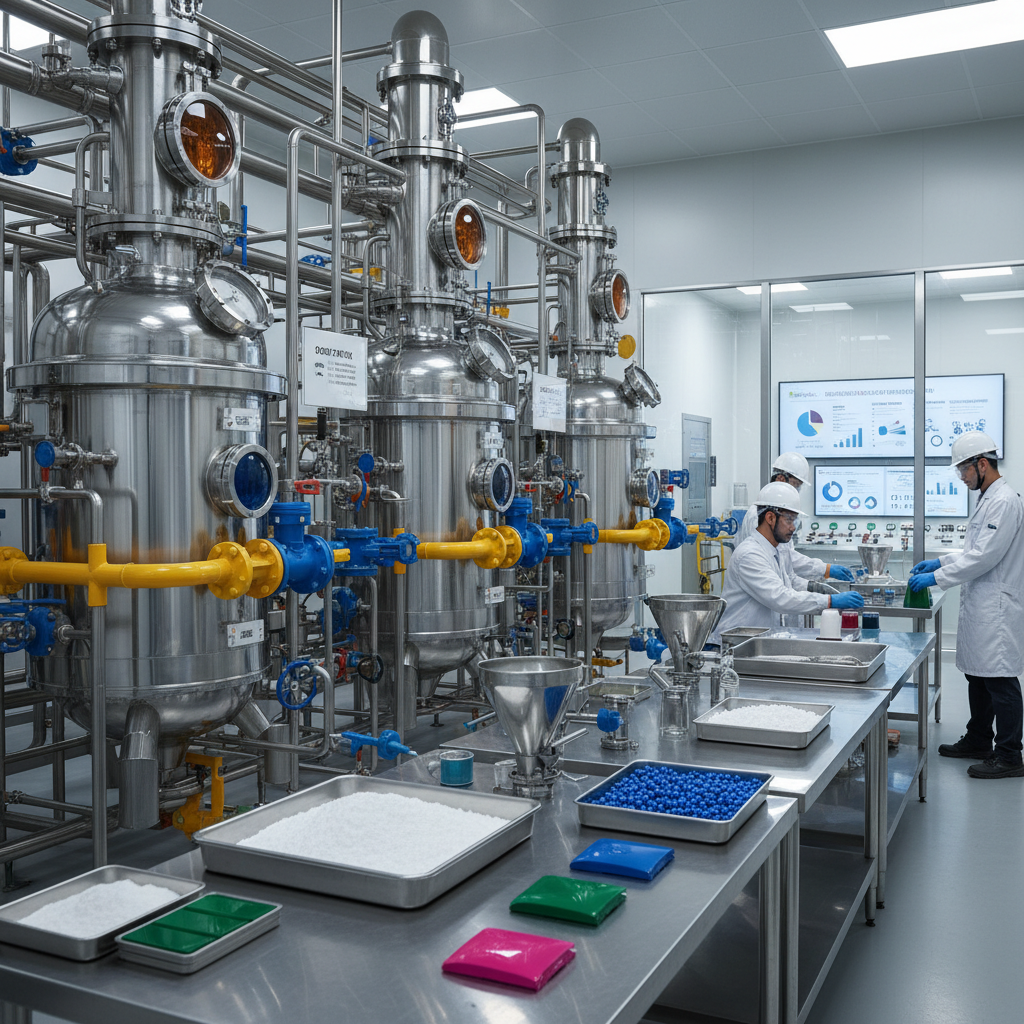
Product Spotlight: Dyeingchem's Premium Leather Dye Range
At Dyeingchem, we pride ourselves on offering a comprehensive range of high-quality leather dyes to meet every need. Our dyes are formulated for excellent colorfastness, penetration, and durability. From classic aniline dyes to vibrant pigment options, we have a solution for every project. We also provide a selection of auxiliary products, including fixatives, degreasers, and conditioners, to ensure optimal results. Browse our catalog today and discover the perfect dyes for your leather creations.
Conclusion: Unleash Your Creativity with Leather Dyeing
Leather dyeing is a rewarding craft that allows you to transform ordinary materials into stunning works of art. By understanding the techniques, dye types, and potential challenges, you can achieve professional-quality results. Dyeingchem.com is your trusted partner, providing high-quality dyes, expert advice, and the resources you need to bring your vision to life.
Frequently Asked Questions (FAQs)
What is the best way to test a dye color on leather before applying it to the entire project?
Always perform a test dye on a scrap piece of leather from the same batch as your project. This ensures compatibility and allows you to assess the color accuracy. Apply the dye using the same method you intend to use on the final product. Allow the dye to dry completely before evaluating the color. Consider the leather's final finish and how it may affect the perceived color. Testing also helps you determine the appropriate dye concentration and application time for your specific leather type. This simple step can save you significant time and resources by preventing unwanted results on your main project.
How do I prevent dye from bleeding or migrating after application?
To minimize dye bleeding, ensure the leather is thoroughly degreased and properly prepared before dyeing. Use a high-quality dye fixative after the dye has been applied and allowed to partially dry. Follow the fixative manufacturer's instructions carefully. Avoid over-saturating the leather with dye. Properly sealing the leather after dyeing can also help prevent dye migration. Consider using a topcoat specifically designed for dyed leather to enhance colorfastness and protect the finish.
What are the safety precautions I should take when working with leather dyes?
Leather dyes can contain chemicals that may be harmful if inhaled or come into contact with skin. Always work in a well-ventilated area and wear appropriate personal protective equipment (PPE), including gloves, a mask, and eye protection. Avoid contact with skin and eyes. In case of contact, rinse immediately with plenty of water. Store dyes in a safe, secure location, away from children and pets. Dispose of dye waste according to local regulations. Always read and follow the safety data sheet (SDS) for each dye product.
Can I dye synthetic leather?
Dyeing synthetic leather can be challenging, as it doesn't absorb dye in the same way as genuine leather. Special dyes formulated for synthetic materials are required. The results may vary depending on the type of synthetic leather. Often, the color is less vibrant and may fade more easily. It's crucial to test the dye on a hidden area first to assess compatibility and colorfastness. In some cases, using a leather paint or finish specifically designed for synthetic materials may yield better results than traditional dyes.