Restore Your Steering Wheel with Professional Black Leather Dye for Steering Wheel
Restore Your Steering Wheel with Professional Black Leather Dye for Steering Wheel
Choosing the Right Black Leather Dye for Steering Wheel: A Comprehensive Guide
Restoring and recoloring a leather steering wheel can dramatically improve the look and feel of your vehicle's interior. Choosing the right black leather dye for steering wheel is crucial for achieving professional-looking results that last. This guide will explore the different types of dyes, application techniques, and important considerations to ensure a successful restoration project. We'll cover everything from preparing the leather to sealing the dye for long-lasting vibrancy and protection. A well-maintained steering wheel not only enhances aesthetics but also contributes to the overall value of your vehicle.
Understanding Different Types of Black Leather Dye
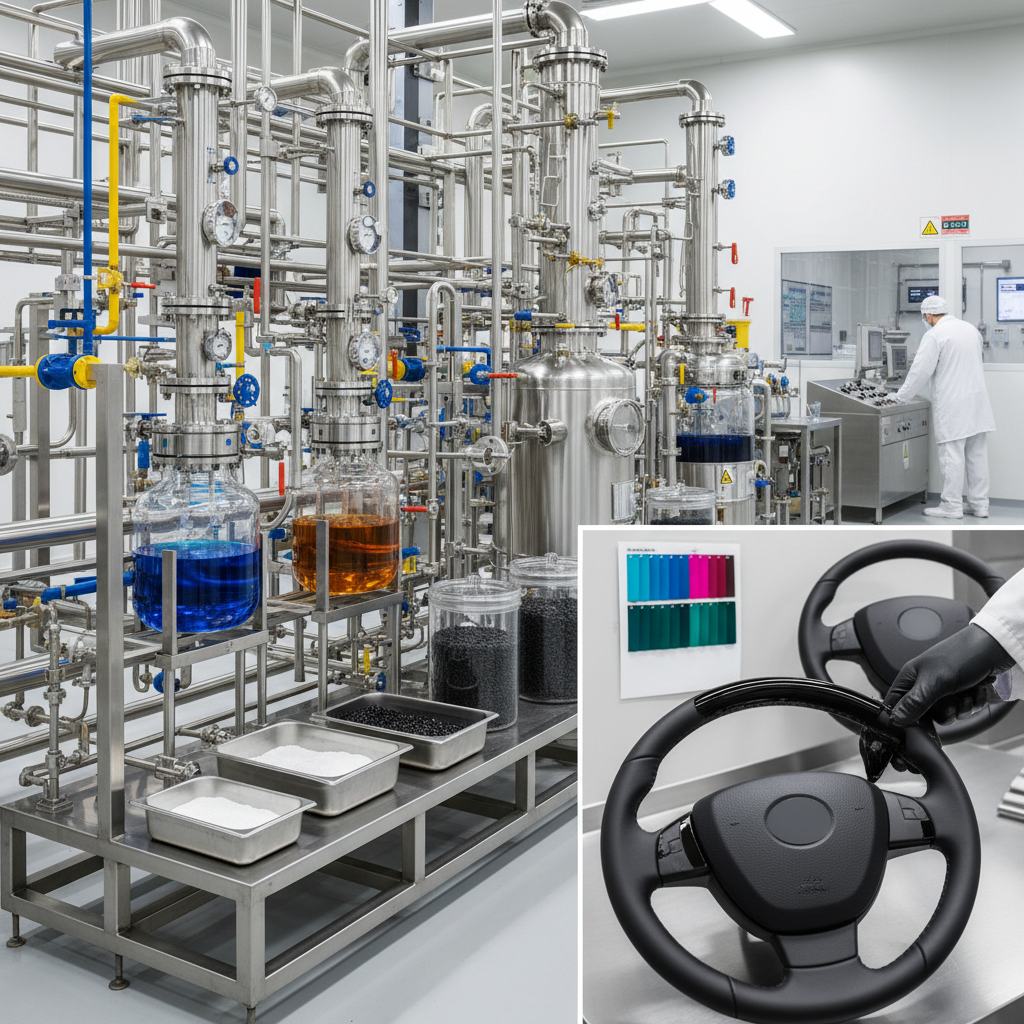
Several types of dyes are available for leather, each with its own advantages and disadvantages. Aniline dyes penetrate the leather deeply, offering a natural look and feel but providing less colorfastness. Semi-aniline dyes strike a balance between penetration and durability. Pigmented dyes offer the highest level of colorfastness and protection, creating a more durable coating on the leather surface. For a steering wheel, which experiences significant wear and tear, a pigmented dye is often the best choice, though semi-aniline dyes can also be suitable depending on the desired aesthetic. When selecting a dye from a provider like Dyeingchem, it's important to consider the existing leather finish and the desired outcome.
Key Takeaway: Pigmented dyes offer superior durability for high-wear items like steering wheels, while aniline and semi-aniline dyes provide a more natural look but require more maintenance.
Preparing Your Steering Wheel for Dyeing
Proper preparation is the most important step in achieving a flawless dye job. Begin by thoroughly cleaning the steering wheel with a dedicated leather cleaner to remove all dirt, oils, and previous coatings. Deglaze the leather using a deglazer product to remove the factory finish, allowing the dye to properly penetrate. This step is critical for ensuring adhesion. Lightly sand the leather with a very fine-grit sandpaper (around 600-grit) to create a slightly textured surface. Finally, wipe the steering wheel clean with a tack cloth to remove any sanding dust.
Preparation Checklist:
• Leather Cleaner
• Leather Deglazer
• Fine-Grit Sandpaper (600-grit)
• Tack Cloth
Black Leather Dye for Steering Wheel: Application Techniques
Apply the black leather dye for steering wheel in thin, even coats using a sponge, airbrush, or spray gun. Avoid applying too much dye at once, as this can lead to uneven color and cracking. Allow each coat to dry completely before applying the next. Multiple thin coats are always preferable to one thick coat. Use a leather conditioner after the final coat of dye to rehydrate the leather and enhance its flexibility. For intricate areas, use a small brush for precise application.
Protecting Your Work: Sealing the Dye
After the dye is completely dry, apply a leather sealant to protect the color and prevent cracking. A sealant also provides UV protection, preventing fading. Choose a sealant specifically designed for automotive leather. Apply the sealant in thin, even coats, following the manufacturer's instructions. Regularly condition the leather with a high-quality leather conditioner to keep it supple and prevent drying. A properly sealed steering wheel will remain vibrant and protected for years to come.
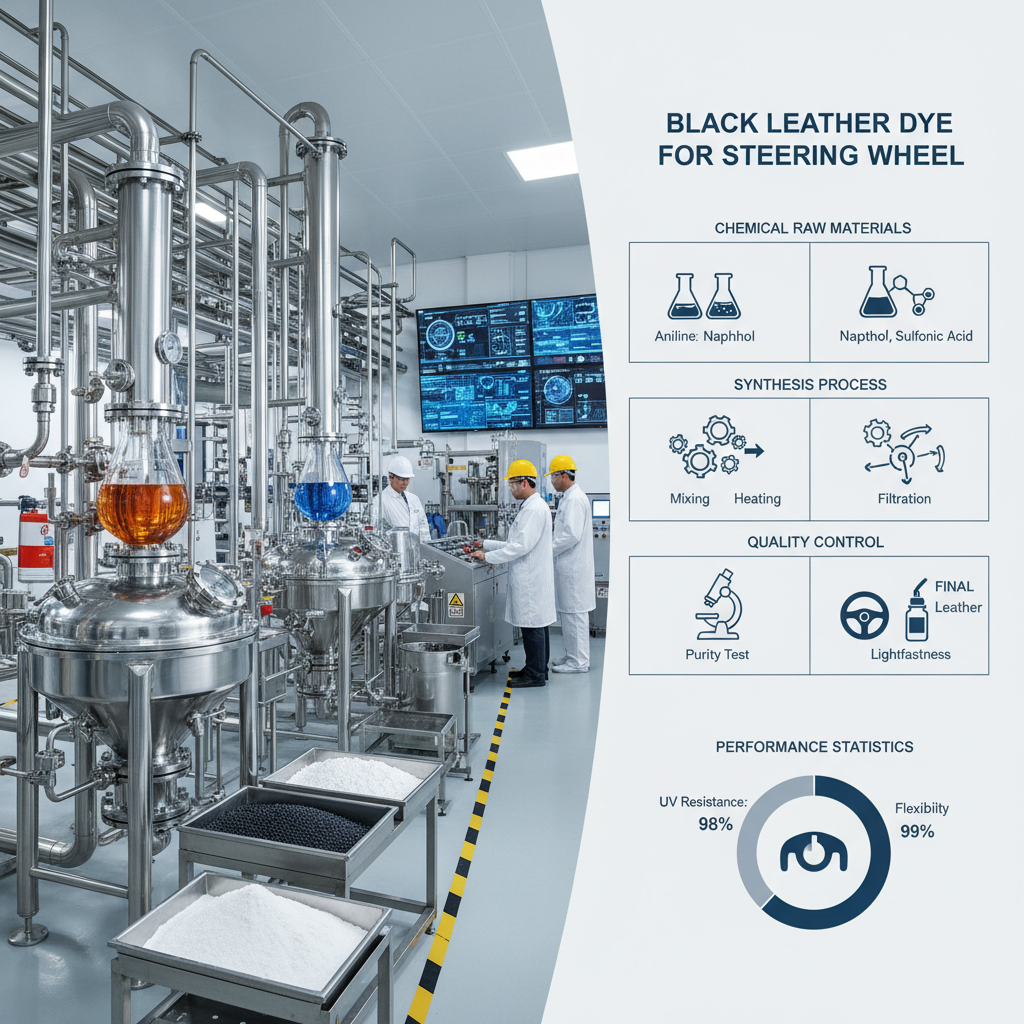
Choosing the Right Dye from Dyeingchem
Dyeingchem offers a wide selection of high-quality black leather dyes for steering wheels, including pigmented, semi-aniline, and aniline options. They also provide all the necessary preparation and finishing products, such as leather cleaners, deglazers, and sealants. Their expert team can provide guidance on selecting the best dye for your specific leather type and desired results. Visit Dyeingchem today to explore their product range and begin your steering wheel restoration project.
Conclusion: Restore Your Steering Wheel with Confidence
With the right products and techniques, restoring your leather steering wheel is a rewarding project. By choosing a quality black leather dye from Dyeingchem and following our guide, you can achieve professional results that enhance the look and feel of your vehicle’s interior. Don't hesitate to explore their resources and expert advice to ensure a successful restoration!
Frequently Asked Questions (FAQs)
How long will the dye last on my steering wheel?
The longevity of the dye depends on several factors, including the type of dye used, the quality of the preparation, the amount of wear and tear, and exposure to sunlight. A properly applied pigmented dye, protected with a sealant and regularly conditioned, can last for several years (typically 3-5 years or more). To maximize durability, avoid harsh cleaning chemicals and protect the steering wheel from prolonged sun exposure. Regular conditioning will help prevent the leather from drying out and cracking, which can compromise the dye's adhesion.
Can I dye a steering wheel that has existing damage, like scratches or cracks?
Minor scratches can often be concealed with the dye, especially if they are superficial. However, deeper cracks and significant damage require more extensive repair before dyeing. You may need to use a leather filler to fill in the cracks and smooth the surface. Ensure the filler is fully cured and sanded smooth before applying the dye. For severe damage, it may be best to consult a professional leather repair specialist. Attempting to dye over significant damage without proper repair may result in an uneven and unsatisfactory finish.
What type of sealant should I use after dyeing?
Choose a sealant specifically formulated for automotive leather. These sealants typically contain UV protectants to prevent fading and offer good resistance to abrasion and wear. Avoid using sealants that contain silicone, as they can interfere with future repairs. Look for sealants that provide a matte or satin finish, as a glossy finish can look unnatural on a steering wheel. Dyeingchem offers a range of suitable sealants to complement their dyes.
Is it necessary to remove the steering wheel from the car before dyeing?
While not always mandatory, removing the steering wheel is highly recommended for optimal results. It allows for easier and more thorough preparation and dyeing, and prevents accidental overspray onto other interior components. If removal is not possible, carefully mask off all surrounding areas with painter's tape and plastic sheeting. Ensure adequate ventilation during the dyeing process, as the fumes can be strong.