
Redox agents, fundamentally, are substances that facilitate the transfer of electrons between chemical species. This seemingly simple definition underpins a vast array of crucial processes, from the energy production within our bodies to the industrial synthesis of vital materials. Understanding redox agents isn’t merely an academic exercise; it's essential for advancements in fields like medicine, environmental science, and materials engineering, ultimately impacting global sustainability and quality of life.
Globally, the demand for efficient and sustainable chemical processes is surging, driven by population growth and increasing environmental concerns. The use of specialized redox agent in water purification, battery technology, and industrial catalysis is paramount. According to the UN’s Sustainable Development Goals, innovations in these areas are critical for achieving clean water, affordable and clean energy, and responsible consumption and production.
The effective application of redox principles directly addresses challenges such as pollution, energy scarcity, and the need for more efficient manufacturing. It’s a cornerstone of modern technological advancement.
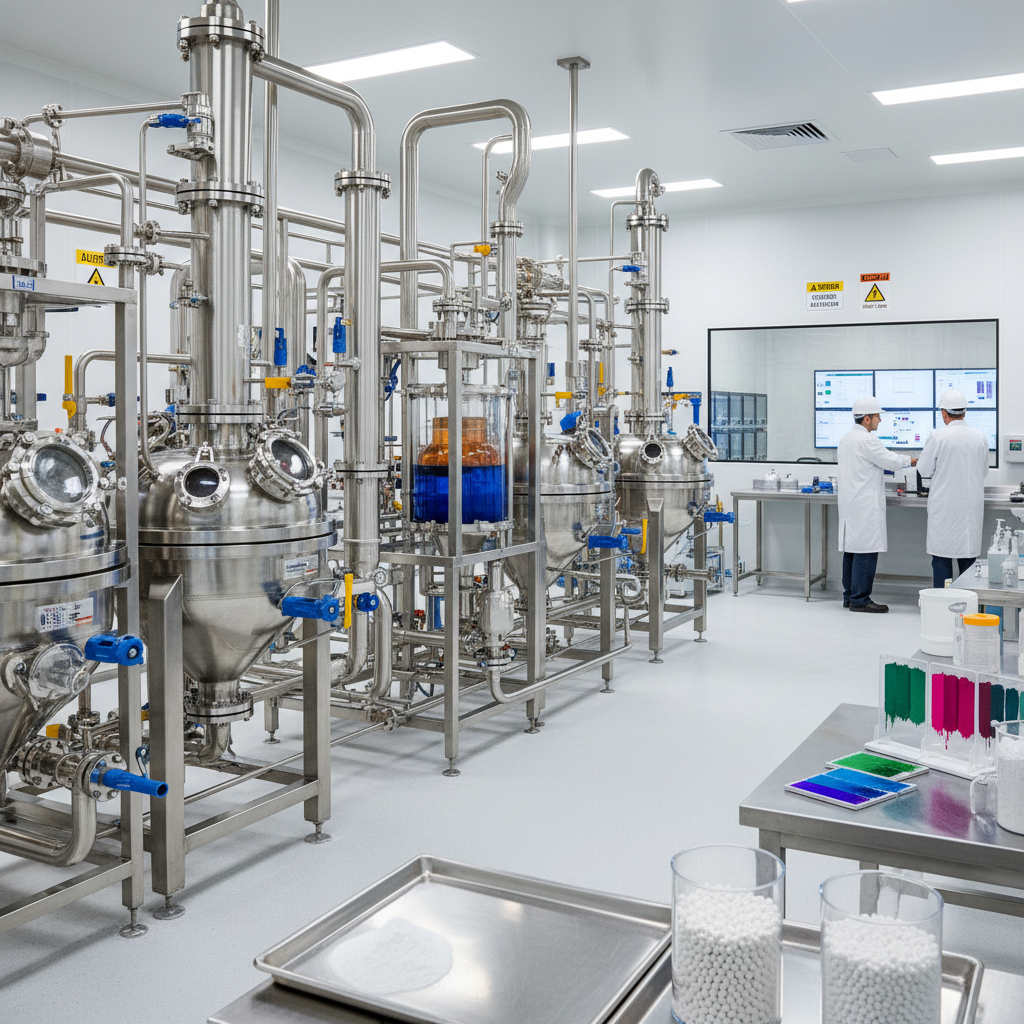
The Fundamental Role of redox agent
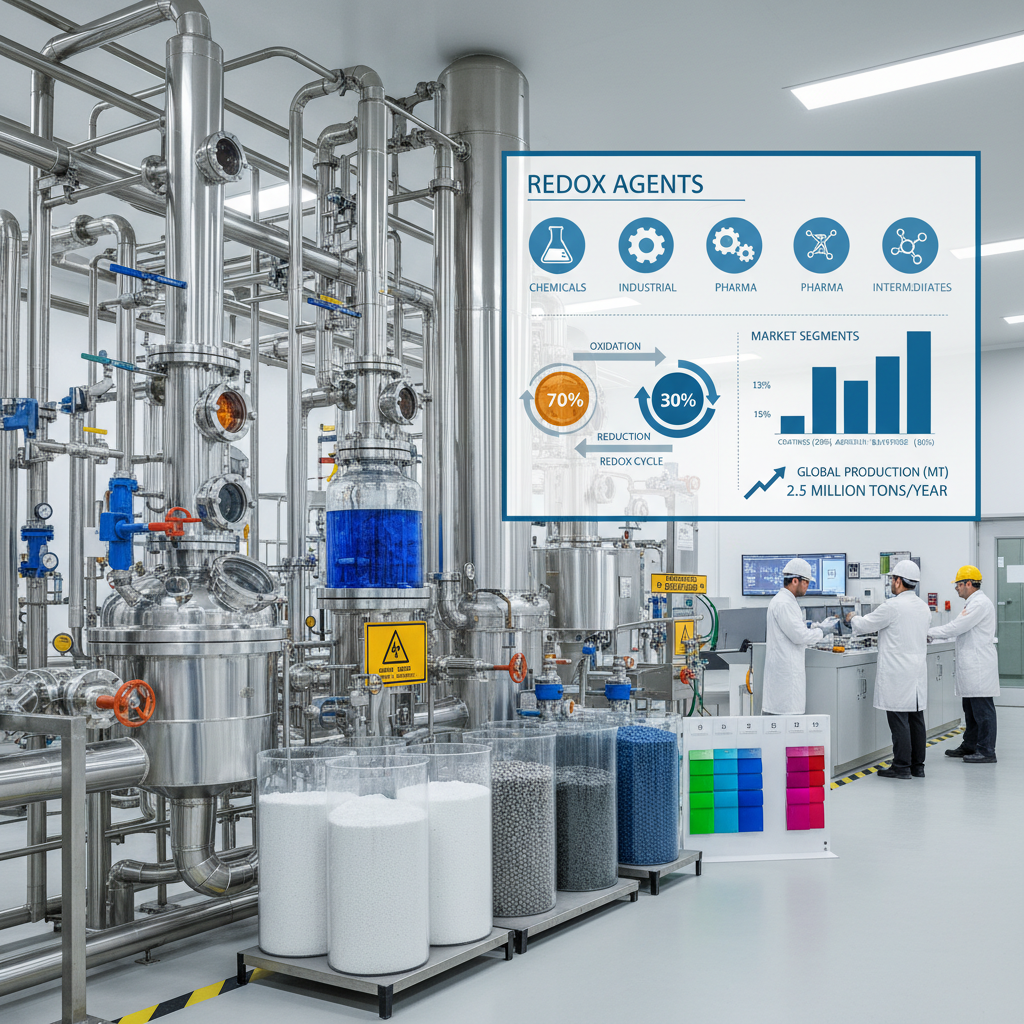
At its core, a redox agent—whether an oxidizer or reducer—drives reactions by accepting or donating electrons. This electron transfer is crucial for enabling chemical transformations that wouldn’t occur spontaneously. The efficiency with which a redox agent performs this function is heavily influenced by its electrochemical potential and its ability to stabilize the resulting ions.
These agents aren't simply catalysts; they participate directly in the reaction, undergoing a change in oxidation state themselves. This makes understanding their chemical properties vital for controlling reaction rates and yields in various applications.
FAQS
Traditional redox agents, like certain heavy metal compounds, can pose significant environmental risks due to their toxicity and persistence in the environment. Improper disposal can lead to soil and water contamination, affecting ecosystems and human health. The use of these agents also often generates harmful byproducts, further exacerbating the environmental impact. Ongoing research focuses on developing greener alternatives with reduced toxicity and biodegradability.
Redox agents are crucial in wastewater treatment for oxidizing or reducing pollutants, converting them into less harmful substances. For example, chlorine is used to disinfect water by oxidizing organic contaminants and pathogens. Other redox agents can precipitate heavy metals, allowing for their removal through filtration. Advanced oxidation processes (AOPs), utilizing combinations of redox agents and UV light, are increasingly employed to degrade recalcitrant organic pollutants that are difficult to remove by conventional methods.
An oxidizing agent accepts electrons from another substance, causing that substance to be oxidized. It itself gets reduced in the process. A reducing agent, conversely, donates electrons to another substance, causing it to be reduced. The reducing agent itself gets oxidized. These two processes always occur simultaneously in a redox reaction – one substance cannot be oxidized without another being reduced.
The pH of a solution can significantly influence the redox potential and therefore the effectiveness of a redox agent. Many redox reactions are pH-dependent, meaning their rate and equilibrium are affected by the hydrogen ion concentration. For example, some oxidizing agents are more effective in acidic conditions, while others work better in alkaline environments. Controlling the pH is therefore often critical for optimizing a redox process.
Absolutely. Many redox agents are corrosive, toxic, or flammable and require careful handling. Appropriate personal protective equipment (PPE) – including gloves, goggles, and lab coats – must always be worn. Agents should be stored in designated areas, away from incompatible materials. Proper ventilation is essential, and procedures for handling spills and emergencies should be in place and well-understood by all personnel.
The reduction potential of a redox agent is measured using an electrochemical technique called potentiometry, typically with a reference electrode. It’s expressed in volts (V) and indicates the tendency of the agent to gain electrons and be reduced. A higher positive value indicates a stronger oxidizing agent, while a lower (more negative) value indicates a stronger reducing agent. Standard reduction potentials are measured under standard conditions (298K, 1 atm, 1M concentration).
Conclusion
In summary, redox agents are the cornerstones of a vast range of chemical processes, spanning from industrial applications and environmental remediation to biological systems and energy storage. Understanding their fundamental principles – electron transfer, oxidation states, and the interplay between oxidizing and reducing agents – is crucial for innovation and problem-solving in numerous fields. Their ability to drive transformative chemical reactions is essential for addressing global challenges and advancing technological progress.
Looking ahead, the development of sustainable and efficient redox agents will be paramount. Continued research into greener alternatives, nanotechnology-enhanced catalysts, and digitally optimized processes will unlock even greater potential. We invite you to explore further resources and learn more about how redox agent can contribute to a more sustainable and innovative future. Visit our website today!
Related Posts
-
Understanding and Applying a List of Strong Reducing Agents for Industrial Solutions
-
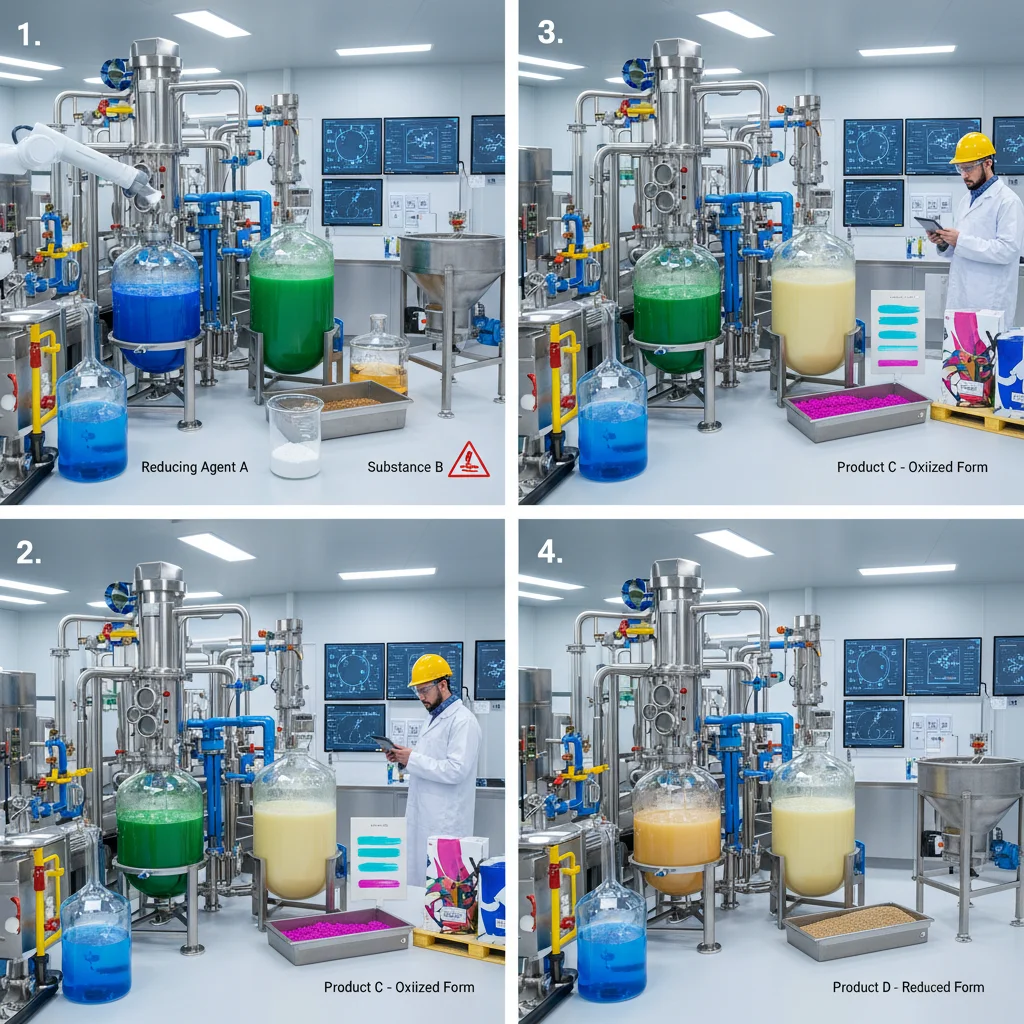
How a reducing agent undergoes oxidation or reduction in Textiles
-
Navigating Challenges in Modern Construction with textile auxiliaries manufacturers
-

Advancements in Reducing Agent Tcep for Industrial and Scientific Applications